








Ford Tractor Fuel Pump: 2000-5000 Series & 8N
Is your Ford tractor giving you fuel troubles? This guide covers common fuel pump issues, diagnosis, repair, and replacement for Ford 8N and 2000-5000 series tractors. Get your Ford back in the field!
The fuel pump is the heart of your Ford tractor's fuel system, ensuring a steady supply of fuel to the carburetor. A malfunctioning fuel pump can lead to a host of problems, from hard starting to complete engine failure. This guide will help you diagnose fuel pump issues on common Ford tractor models like the 8N, 2000, 3000, 4000, and 5000 series, offering troubleshooting tips and repair advice.
Recommended Parts for This Guide
3 parts we recommend — in stock, ships fast, one-click add to cart.
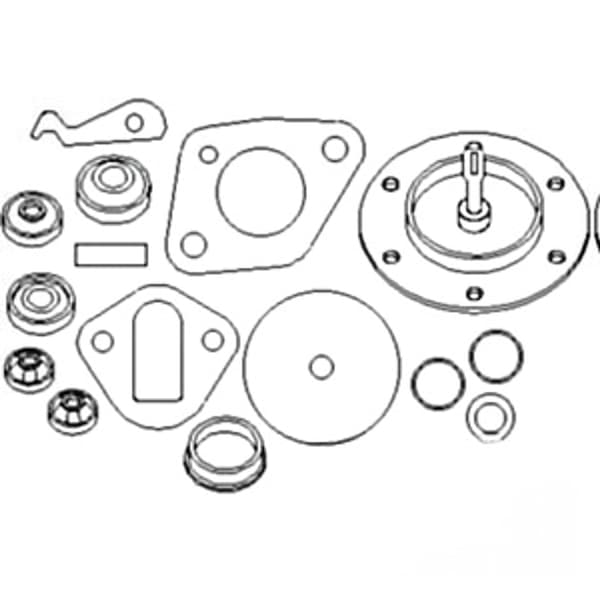
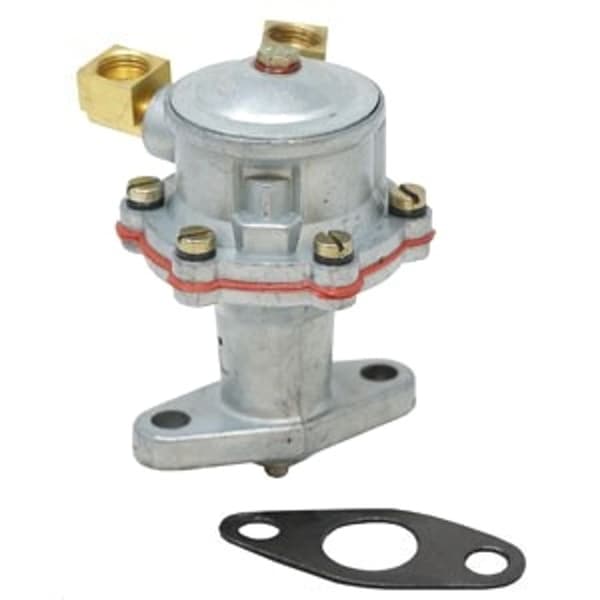
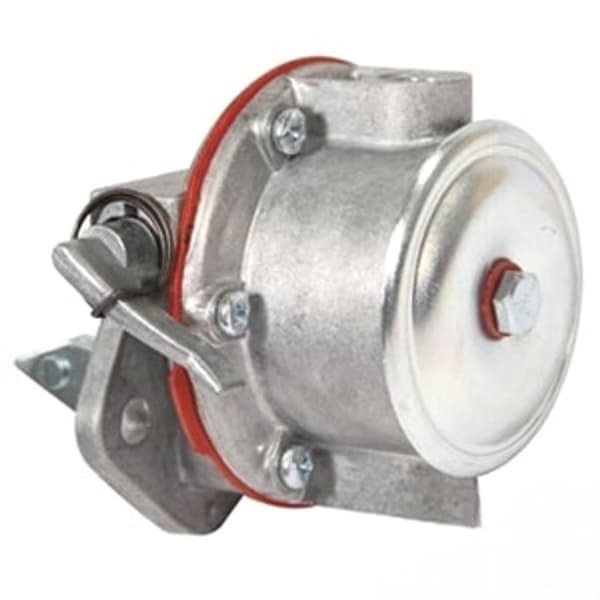
🔍 Looking for a specific part? Try our AI Part Finder — tell it your equipment and what you need, and it will find matching parts instantly.
Common Ford tractor fuel pump Problems
Several symptoms can indicate a failing Ford tractor fuel pump. Recognizing these early can save you time and money on more extensive repairs:
- Hard Starting: If your tractor cranks excessively before starting, especially after sitting for a while, the fuel pump may not be priming the carburetor quickly enough.
- Rough Running or Stalling: A weak fuel pump can't maintain consistent fuel pressure, leading to erratic engine performance or stalling under load.
- Loss of Power: If your tractor lacks its usual power, especially when climbing hills or pulling implements, suspect a fuel delivery problem.
- Fuel Leaks: Visible fuel leaks around the pump body or lines are a clear sign of damage or worn seals.
- Fuel in the Oil: A ruptured fuel pump diaphragm can allow fuel to leak into the engine oil, thinning it and causing serious engine damage. Check your oil level and smell for a gasoline odor.
Diagnosing Your Ford Tractor Fuel Pump
Before replacing your ford tractor fuel pump, perform these diagnostic checks to confirm it's the source of the problem:
- Visual Inspection: Check the fuel pump body, lines, and fittings for any signs of leaks or damage.
- Fuel Filter Check: A clogged fuel filter restricts fuel flow to the pump, mimicking fuel pump failure. Replace the fuel filter before proceeding. Madison Tractor Company carries fuel filters for John Deere, Case IH, Ford, New Holland, Massey Ferguson, and other major brands.
- Fuel Line Inspection: Check the fuel lines for kinks, cracks, or blockages. Replace any damaged lines.
- Manual Priming: Most mechanical fuel pumps have a manual priming lever. Operate the lever and check for fuel flow at the carburetor. If no fuel flows, the pump is likely faulty.
- Fuel Pressure Test: Use a fuel pressure gauge to measure the pump's output pressure. Consult your tractor's service manual for the correct pressure specifications. A low reading indicates a weak pump.
Safety Warning: Always work in a well-ventilated area and disconnect the battery's negative terminal before working on the fuel system to prevent fires or explosions.
Ford Tractor Fuel Pump Types & OEM Numbers
Ford tractors typically used mechanical fuel pumps driven by the engine's camshaft. The 8N used a different style than the later 2000-5000 series.
Madison Tractor Company offers a wide selection of ford tractor fuel pump replacements, including OEM and aftermarket options. We also carry essential fuel system components like Ford tractor carburetors, fuel filters, and fuel lines. We stock parts for a variety of tractor brands, including Kubota, Massey Ferguson, Case IH, International Harvester, Allis Chalmers and more.
Replacing Your Ford Tractor Fuel Pump
If your diagnosis confirms a faulty fuel pump, replacement is usually the best course of action. Here's a general guide (always refer to your tractor's service manual for specific instructions):
- Disconnect the Fuel Lines: Carefully disconnect the fuel lines from the pump, using appropriate wrenches to avoid damaging the fittings. Have a container ready to catch any spilled fuel.
- Remove the Old Pump: Unbolt the fuel pump from the engine block. Note the orientation of any gaskets or shims.
- Install the New Pump: Install the new fuel pump, ensuring it's properly aligned and seated against the engine block. Use new gaskets or shims as needed.
- Connect the Fuel Lines: Reconnect the fuel lines, tightening the fittings securely but avoiding over-tightening.
- Prime the Fuel System: Use the manual priming lever (if equipped) or crank the engine to prime the fuel system.
- Check for Leaks: Start the engine and check for fuel leaks around the pump and fuel lines.
Important Considerations:
- Always use new fuel lines and clamps when replacing a fuel pump to prevent future leaks.
- Properly dispose of old fuel and fuel-contaminated parts.
- Consider replacing the fuel filter at the same time as the fuel pump to ensure optimal fuel system performance.
- On some models, the pump pushrod may need to be measured and adjusted to ensure proper pump stroke. Consult your service manual.
Preventative Maintenance for Your Ford Tractor Fuel System
Regular maintenance can help prevent fuel pump failures and keep your Ford tractor running smoothly:
- Use Clean Fuel: Always use clean, fresh fuel from a reputable source. Contaminated fuel can damage the fuel pump and other fuel system components.
- Replace Fuel Filters Regularly: Follow the manufacturer's recommended service intervals for fuel filter replacement.
- Check Fuel Lines and Fittings: Periodically inspect fuel lines and fittings for leaks or damage.
- Address Fuel Leaks Promptly: Repair any fuel leaks immediately to prevent fuel loss and potential fire hazards.
- Store Your Tractor Properly: When storing your tractor for extended periods, add a fuel stabilizer to prevent fuel degradation and gum formation.
Maintaining your fuel system is critical for optimal performance. Don't forget other vital components like radiators, water pumps, starters, alternators, and hydraulic pumps. Madison Tractor Company stocks a comprehensive range of parts to keep your Ford tractor and other equipment in top condition.
Carburetor Considerations
The fuel pump and carburetor work together to provide the correct air-fuel mixture for combustion. Problems with the carburetor can sometimes mimic fuel pump issues. If you've replaced the fuel pump and are still experiencing problems, consider inspecting and cleaning your carburetor. See our related article: Ford Tractor Carburetor: 2N, 8N, 9N, 600 & 800 Series.
Diesel Tractor Fuel Systems
While this article focuses on gasoline-powered Ford tractors and their fuel pumps, diesel tractors use a different type of fuel system with components like diesel injection pumps and injectors. Madison Tractor Company also carries parts for diesel fuel systems. Click here to learn more about diesel injection pumps.
Shop Ford Tractor Fuel Pump Parts at Madison Tractor
Don't let a faulty fuel pump keep your Ford tractor out of commission. Madison Tractor Company offers a wide selection of ford tractor fuel pump replacements and other essential parts to keep your equipment running smoothly. Browse our online catalog or contact our knowledgeable staff for assistance finding the right parts for your specific model. We carry parts for Ford, John Deere, Case IH, New Holland, Massey Ferguson and more. Trust Madison Tractor for quality parts and expert service.
🔍 Can't Find Your Part?
Use our AI-Powered Part Finder to search by your equipment's make, model, and what you need. It's the fastest way to find the exact part for your machine.
Try the Part Finder →Part of our comprehensive guide
Tractor Fuel System Guide: Carburetor, Injection & Fuel Pump Parts