








How to Bleed Tractor Diesel Fuel System: Air Lock Fix
Air in your tractor's diesel fuel lines can cause sputtering or prevent starting. This guide provides a comprehensive, step-by-step approach to bleeding your fuel system, ensuring smooth operation for John Deere, Ford, Massey Ferguson, and more.
Introduction to Bleeding Your Tractor's Diesel Fuel System
A diesel engine relies on a precise and consistent flow of fuel to operate correctly. Unlike gasoline engines, diesel engines don't use spark plugs for ignition. Instead, they compress air to a high temperature, and then inject diesel fuel into the cylinder. The heat of the compressed air ignites the fuel. This intricate process is easily disrupted by air entering the fuel system, creating what's known as an air lock. When air gets trapped, it prevents fuel from reaching the injectors, leading to sputtering, rough idling, or even complete engine shutdown. Bleeding the fuel system removes this trapped air, restoring proper fuel flow and engine performance. This article from Madison Tractor Company will guide you through the process, helping you get your tractor back to work quickly.
Recommended Parts for This Guide
8 parts we recommend — in stock, ships fast, one-click add to cart.
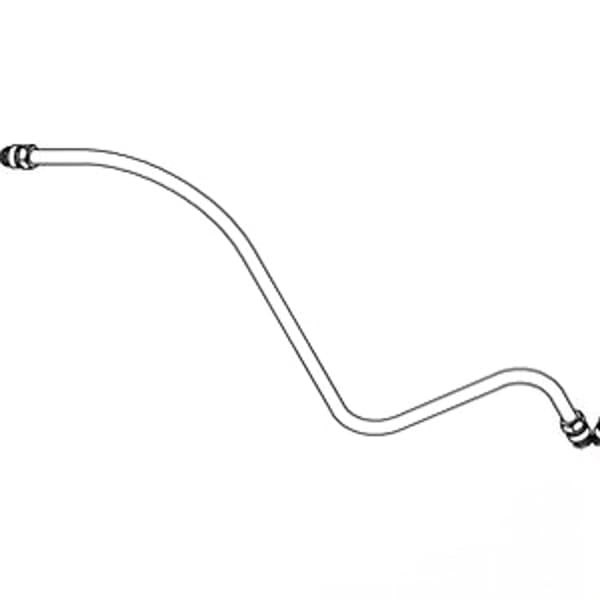
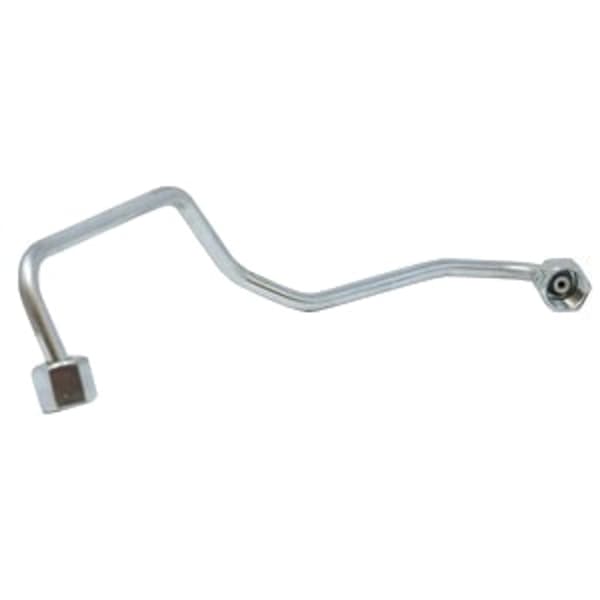
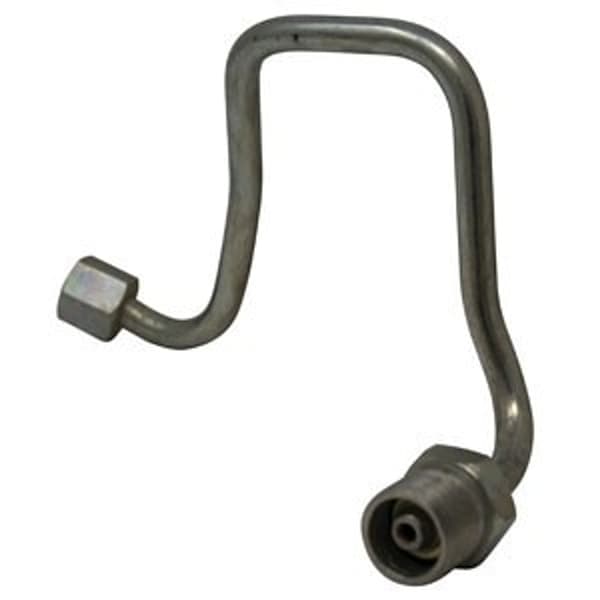
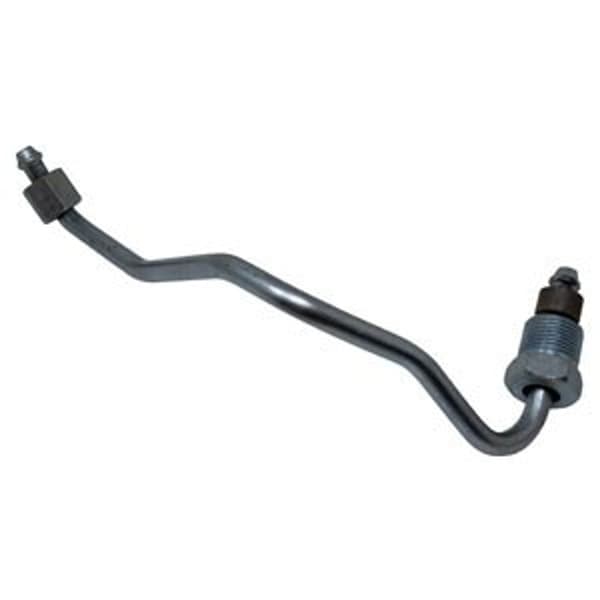
🔍 Looking for a specific part? Try our AI Part Finder — tell it your equipment and what you need, and it will find matching parts instantly.
This article is part of our comprehensive guide to Tractor Fuel System, Carburetor & Injection Parts. You may also find our articles on John Deere Tractor Carburetors, Ford Tractor Carburetors, and Massey Ferguson Carburetors useful, even though those relate primarily to gasoline engines; understanding the basics of fuel delivery is helpful regardless of engine type.
Identifying Air in the Fuel System
Recognizing the symptoms of air in your diesel fuel system is crucial for a quick diagnosis. Common signs include:
- Difficulty Starting: The engine cranks but fails to start, or takes significantly longer to start than usual.
- Sputtering or Rough Idling: The engine runs unevenly, sputters, or stalls, especially at low speeds.
- Loss of Power: The tractor lacks its usual power, particularly when under load.
- White Smoke: Excessive white smoke coming from the exhaust can indicate incomplete combustion due to air in the fuel lines.
Several factors can introduce air into the system:
- Running Out of Fuel: This is the most common cause. When the fuel tank is completely empty, air is drawn into the fuel lines.
- Loose Fuel Lines or Fittings: Damaged or improperly tightened fuel lines and fittings can allow air to seep into the system.
- fuel filter Replacement: Air can enter the system during the process of changing fuel filters if proper procedures aren't followed.
- Fuel Pump Issues: A failing fuel pump might draw air into the system along with fuel. See our article on Tractor Fuel Pumps for more information.
- Injector Problems: Issues with tractor diesel injectors, such as leaks or blockages, can sometimes contribute to air entering the system. Our guide to Tractor Diesel Injector: Nozzle Testing & Replacement will help you diagnose injector problems.
Safety First!
Before you begin, prioritize safety:
- Wear Safety Glasses: Protect your eyes from fuel spray.
- Work in a Well-Ventilated Area: Diesel fumes can be harmful.
- No Smoking or Open Flames: Diesel fuel is flammable.
- Disconnect the Battery (Optional): While not always necessary, disconnecting the negative battery cable adds an extra layer of safety.
- Clean Up Spills Immediately: Wipe up any spilled fuel to prevent slips and hazards.
Tools and Materials You'll Need
Gather the following tools and materials before starting:
- Wrench Set: Metric or SAE, depending on your tractor model.
- Screwdrivers: Both flathead and Phillips head.
- Clean Rags: For wiping up spills.
- Catch Container: To collect drained fuel.
- Fuel Filter Wrench (if applicable): For loosening the fuel filter.
- Replacement Fuel Filter (if needed): A clogged fuel filter can exacerbate air lock problems. Check your fuel filter condition and replace it if necessary.
- Owner's Manual: Consult your tractor's owner's manual for specific instructions and bleeding points.
Step-by-Step Bleeding Procedure
The general procedure for bleeding a diesel fuel system is similar across different tractor brands, including John Deere, Case IH, Ford, New Holland, Massey Ferguson, Kubota, Allis Chalmers, Deutz, International Harvester, Oliver, White, Gleaner, Vermeer, Hesston, Mahindra, and Zetor. However, always consult your owner's manual for specific instructions and locations of bleeding points on your particular model. Here's a general guide:
- Locate the Bleeding Points: Most diesel fuel systems have multiple bleeding points. Common locations include:
- Fuel Filter: Often has a bleed screw on top or the side.
- Fuel Injection Pump: Usually has one or more bleed screws.
- Injectors: Each injector may have a bleed screw or nut.
- Start at the Fuel Tank: Ensure there's fuel in the tank. Open the fuel shut-off valve (if equipped). Some tractors have a sediment bowl (a clear glass or plastic bowl) near the fuel line coming from the fuel shut-off valve. Clean the bowl if it contains sediment.
- Bleed the Fuel Filter: Loosen the bleed screw on the fuel filter. If there's no screw, loosen the fuel line connection slightly. Allow fuel to flow out, purging any air. Tighten the screw or fuel line connection once a steady stream of fuel appears, free of air bubbles. A common fuel pump like those found on Ford 8N tractors, or a John Deere fuel pump on many older models, relies on gravity feed, so ensuring a clean fuel filter is critical.
- Bleed the Fuel Injection Pump: Locate the bleed screw(s) on the fuel injection pump. Loosen the first bleed screw and operate the hand primer (if equipped) until fuel flows out without air bubbles. Tighten the screw. Repeat this process for any additional bleed screws on the pump. On older Massey Ferguson tractors, like the TO20 or TO30, you may need to manually prime the system using the lift pump lever.
- Bleed the Injectors: This step is usually only necessary if the engine still won't start after bleeding the filter and pump. Loosen the fuel line connection at one injector (usually the nut connecting the fuel line to the injector). Crank the engine for a few seconds until fuel flows out, purging any air. Tighten the fuel line connection. Repeat this process for each injector. Be careful not to overtighten these connections; consult your manual for the correct torque specification (typically around 15-20 ft-lbs).
- Final Check and Start-Up: After bleeding all the points, double-check all fuel line connections for leaks. Tighten as needed. Attempt to start the engine. It may take a few tries for the engine to start and run smoothly.
Troubleshooting Tips
- Still Won't Start? If the engine still won't start after bleeding, double-check all connections for leaks. Also, ensure the fuel shut-off valve is fully open. Consider checking the fuel pump functionality. A weak or failing pump may not be delivering enough fuel to prime the system.
- Persistent Air: If air keeps re-entering the system, there's likely a leak somewhere in the fuel lines or fittings. Inspect all fuel lines for cracks or damage and replace them as needed. Replace any worn or damaged fittings.
- Cold Weather Starting: In cold weather, diesel fuel can thicken, making it harder to start. Consider using a fuel additive designed for cold weather or installing a block heater to warm the engine.
- Injector Issues: If you suspect injector problems, consider having them professionally tested and cleaned or replaced. Faulty injectors can cause a variety of issues, including hard starting, poor performance, and excessive smoke. Contact Madison Tractor for information on replacement tractor diesel injectors.
Specific Brand Considerations
- John Deere: Many John Deere tractors have a hand primer on the fuel filter housing. Use this to manually pump fuel through the system before bleeding. For older models, refer to the service manual for specific bleed screw locations.
- Ford/New Holland: Ford tractors, particularly the older 8N, 9N, and 2N models, often require careful bleeding due to their gravity-fed fuel systems. Ensure the fuel tank is full and the fuel line is clear of obstructions. Later Ford models and New Holland tractors generally have more accessible bleed screws.
- Massey Ferguson: Massey Ferguson tractors, like the 35 and 135 models, have a reputation for reliable fuel systems. However, regular maintenance, including fuel filter replacement and occasional bleeding, is essential for optimal performance.
- Kubota: Kubota tractors typically have easily accessible bleed screws on the fuel filter and injection pump. Refer to the owner's manual for their exact locations.
- Case IH/International Harvester: Case IH and International Harvester tractors may have multiple bleed points, depending on the model. Consult the service manual for specific instructions. Pay close attention to the fuel line connections, as these can be prone to leaks.
Remember to consult your tractor's owner's manual or service manual for the most accurate and detailed instructions on bleeding the fuel system for your specific model. These manuals often provide diagrams and specific torque specifications for fuel line connections. We carry a wide range of parts to keep your tractor running smoothly, including radiators, water pumps, starters, alternators, hydraulic pumps, cylinders, clutch kits, PTO parts, pistons, bearings, and more.
Conclusion
Bleeding your tractor's diesel fuel system is a relatively straightforward task that can save you time and money by preventing costly repairs. By following these steps and consulting your owner's manual, you can effectively remove air locks and restore your tractor's performance. Remember to prioritize safety and address any underlying issues that may be causing air to enter the system. Regular maintenance, including fuel filter replacement and inspection of fuel lines and fittings, will help prevent future problems.
Shop Tractor Parts at Madison Tractor Company
Madison Tractor Company is your trusted source for high-quality tractor parts for all major brands, including John Deere, Case IH, Ford, New Holland, Massey Ferguson, and more. We carry a wide selection of fuel pumps, fuel filters, diesel injectors, and other essential parts to keep your tractor running smoothly. Browse our online catalog or contact our knowledgeable parts experts for assistance in finding the right parts for your needs. We're here to help you keep your farm equipment in top condition! You can also use our AI-Powered Part Finder to search for parts by your specific make and model.
Part of our comprehensive guide
Tractor Fuel System Guide: Carburetor, Injection & Fuel Pump Parts