








Massey Ferguson Carburetor: TO20, TO30, 35 & 135
Is your Massey Ferguson tractor sputtering or stalling? This comprehensive guide covers common carburetor issues in TO20, TO30, 35, and 135 models. Learn troubleshooting tips and find the right replacement parts to get your tractor running smoothly again.
Introduction to Massey Ferguson Carburetors
The massey ferguson carburetor is a critical component in the fuel system of many popular Massey Ferguson tractors, including the TO20, TO30, 35, and 135 models. These carburetors are responsible for mixing the correct air-fuel ratio needed for combustion. When a carburetor malfunctions, it can lead to a variety of issues, including hard starting, rough idling, stalling, and reduced power. Maintaining your tractor's fuel system, including the carburetor, is essential for optimal performance and longevity. It's important to ensure the correct operation of all fuel system components. Also, check the tractor fuel pump for any issues before addressing the carburetor.
Recommended Parts for This Guide
8 parts we recommend — in stock, ships fast, one-click add to cart.
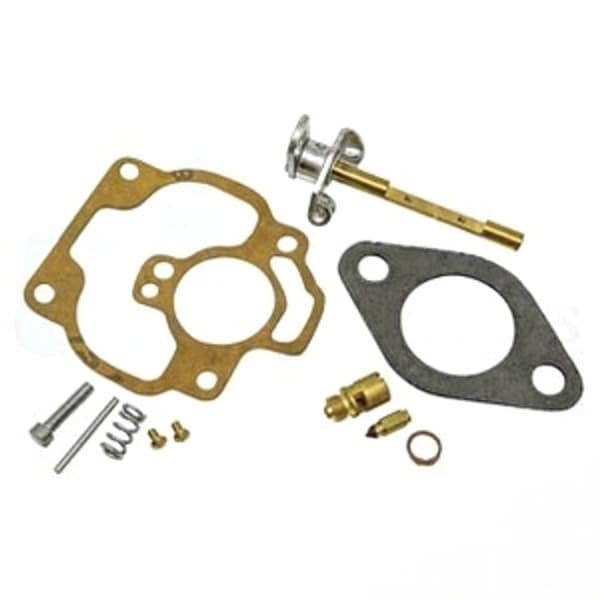
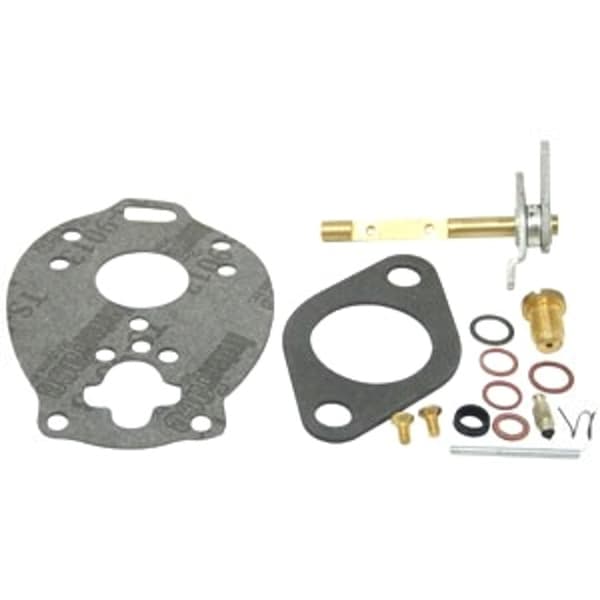
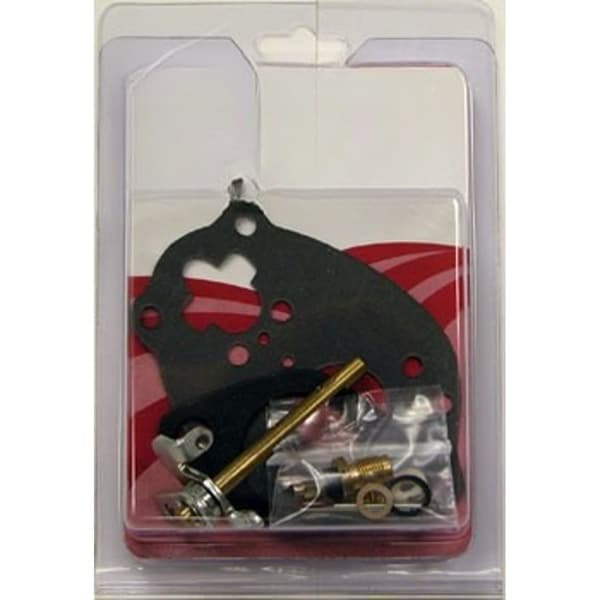
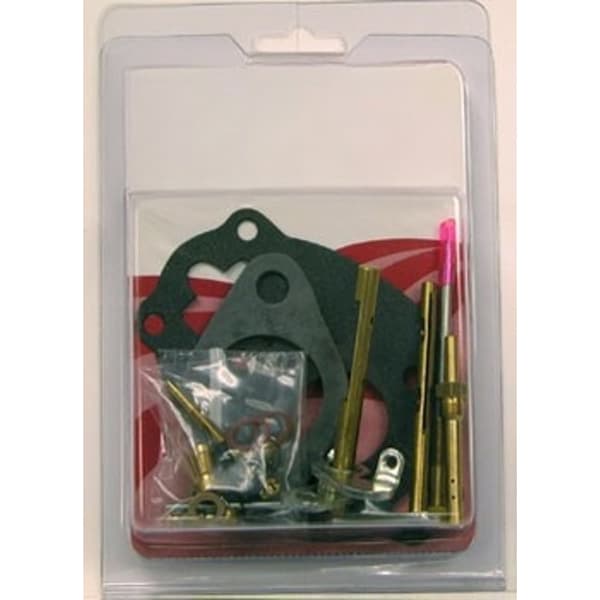
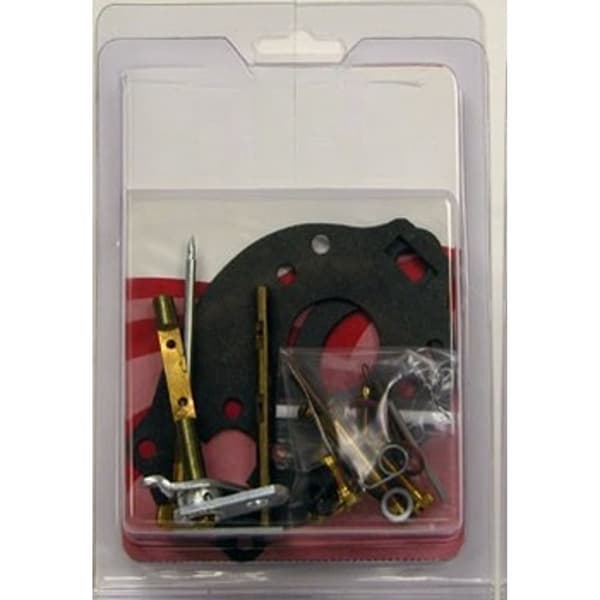
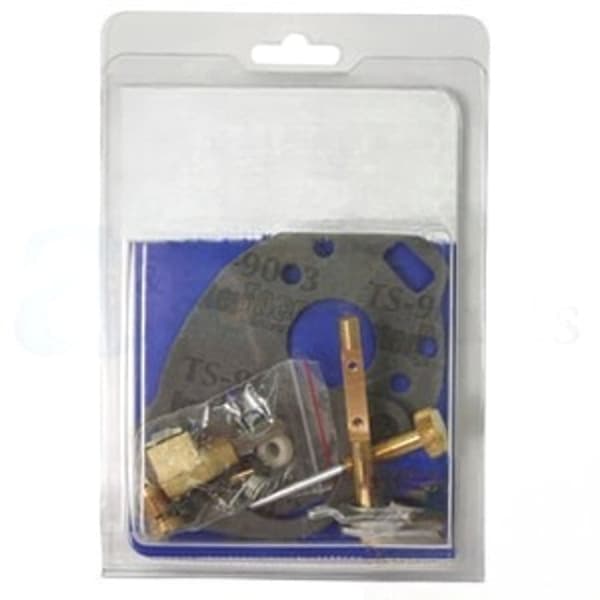
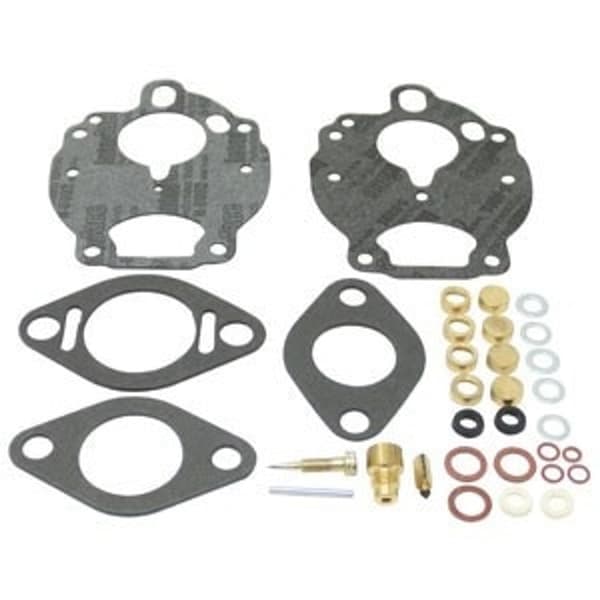
🔍 Looking for a specific part? Try our AI Part Finder — tell it your equipment and what you need, and it will find matching parts instantly.
At Madison Tractor Company, we understand the importance of keeping your equipment running smoothly. That's why we offer a wide selection of parts for various brands, including Massey Ferguson, John Deere, Case IH, Ford, New Holland, Kubota, Allis Chalmers, Deutz, International Harvester, Oliver, and White. Whether you need radiators, water pumps, starters, alternators, hydraulic pumps, cylinders, clutch kits, PTO parts, fuel pumps, carburetors, injectors, filters, gaskets, pistons, bearings, seals, or belts, we've got you covered.
Common Massey Ferguson Carburetor Problems
Several factors can contribute to carburetor problems in Massey Ferguson tractors. Here are some of the most common:
- Dirty or Clogged Carburetor: Dust, dirt, and debris can accumulate in the carburetor, restricting fuel flow and affecting the air-fuel mixture. This is a common issue, especially if the tractor sits unused for extended periods or if the fuel filter is not regularly replaced.
- Worn or Damaged Gaskets: Carburetor gaskets can dry out and crack over time, leading to air leaks. These leaks can disrupt the proper air-fuel ratio and cause performance problems.
- Faulty Float: The float controls the fuel level in the carburetor bowl. If the float is damaged or improperly adjusted, it can cause the carburetor to flood or starve the engine of fuel.
- Sticking Needle Valve: The needle valve regulates fuel flow into the carburetor bowl. A sticking needle valve can cause flooding or fuel starvation.
- Improper Adjustment: The carburetor has several adjustment screws that control the air-fuel mixture. If these screws are not properly adjusted, the engine may not run smoothly.
Troubleshooting Your Massey Ferguson Carburetor
Before you start any work on your carburetor, remember to disconnect the battery to prevent accidental sparks. Work in a well-ventilated area and keep a fire extinguisher nearby. Also, make sure your tractor fuel pump is working properly!
- Visual Inspection: Carefully inspect the carburetor for any signs of damage, leaks, or dirt buildup. Check the fuel lines and connections for any cracks or loose fittings.
- Cleaning the Carburetor: This is often the first step in resolving carburetor issues. You can purchase carburetor cleaner spray at most auto parts stores. Remove the carburetor (following the steps below). Disassemble the carburetor, taking careful note of the location of all parts. Spray all parts with carburetor cleaner, paying attention to jets and passages. Use compressed air to blow out any remaining debris. Reassemble the carburetor with new gaskets and seals if available.
- Checking the Float: Remove the carburetor bowl and inspect the float for damage. Ensure that the float moves freely and is properly adjusted. Refer to your tractor's service manual for the correct float level setting.
- Inspecting the Needle Valve: Check the needle valve for wear or damage. Clean the needle valve seat with a cotton swab and carburetor cleaner.
- Adjusting the Air-Fuel Mixture: Start the engine and allow it to warm up. Adjust the idle mixture screw and the main mixture screw until the engine idles smoothly and accelerates without hesitation. Refer to your tractor's service manual for the recommended settings.
Carburetor Removal and Installation
Removal:
- Turn off the fuel supply valve.
- Disconnect the fuel line from the carburetor.
- Disconnect the throttle linkage and choke linkage.
- Remove the bolts or nuts that secure the carburetor to the intake manifold.
- Carefully remove the carburetor.
Installation:
- Clean the mounting surfaces on the intake manifold and carburetor.
- Install a new carburetor gasket.
- Position the carburetor on the intake manifold and secure it with the bolts or nuts. Tighten the fasteners to the manufacturer's specified torque (typically around 15-20 ft-lbs, but consult your service manual).
- Connect the throttle linkage and choke linkage.
- Connect the fuel line.
- Turn on the fuel supply valve and check for leaks.
Specific Models: TO20, TO30, 35, and 135
Massey Ferguson TO20 and TO30 Carburetor
The TO20 and TO30 models often used a Marvel Schebler TSX series carburetor. Common OEM part numbers to look for replacements or rebuild kits include TSX-241A, TSX-241B and TSX-241C. These carburetors are relatively simple, but proper cleaning and adjustment are crucial. When rebuilding, pay special attention to the condition of the throttle shaft bushings, as wear in this area can cause air leaks.
Massey Ferguson 35 and 135 Carburetor
The Massey Ferguson 35 and 135 models frequently utilized Zenith carburetors. Keep an eye out for OEM part numbers such as 1377219M91, 181648M1 or similar variations. These models may also have used a different style of Zenith carburetor. These carburetors are known for their reliability, but they can still experience issues with dirt and varnish buildup. Ensure the accelerator pump is functioning correctly on these models for optimal performance. Also, it's beneficial to consult the Farmall Carburetor guide, John Deere Tractor Carburetor guide, and Ford Tractor Carburetor guide, as some of the troubleshooting steps may be similar.
Carburetor Replacement vs. Rebuild
When faced with a malfunctioning carburetor, you have two main options: replace it with a new or remanufactured unit or rebuild your existing carburetor. The best option depends on the severity of the problem and your mechanical skills. If the carburetor body is cracked or severely damaged, replacement is usually the best choice. However, if the problem is simply due to dirt, worn gaskets, or a faulty float, rebuilding the carburetor can be a cost-effective solution.
Rebuild kits typically include new gaskets, seals, O-rings, a float needle valve, and other small parts. Before rebuilding, carefully inspect the carburetor body for cracks or damage. Also, check the throttle shaft bushings for excessive wear. If the bushings are worn, you may need to have them replaced by a machine shop.
Preventative Maintenance
The best way to avoid carburetor problems is to perform regular preventative maintenance. Here are some tips:
- Use Clean Fuel: Always use clean, fresh fuel in your tractor. Store fuel in a clean container and avoid using fuel that has been sitting for an extended period of time.
- Replace the Fuel Filter Regularly: A clogged fuel filter can restrict fuel flow and cause carburetor problems. Replace the fuel filter according to the manufacturer's recommendations.
- Add Fuel Stabilizer: If you plan to store your tractor for an extended period of time, add a fuel stabilizer to the fuel tank to prevent the fuel from breaking down and forming varnish.
- Inspect Fuel Lines: Check the fuel lines regularly for cracks or leaks. Replace any damaged fuel lines immediately.
- Regularly check your tractor diesel injector and tractor injection pump if your tractor has a diesel engine. Although not directly related to the carburetor, problems there can mimic carburetor issues.
Finding the Right Carburetor Parts at Madison Tractor Company
Madison Tractor Company is your trusted source for all your tractor parts needs. We offer a wide selection of new and rebuilt carburetors, as well as carburetor rebuild kits and individual carburetor parts. Our knowledgeable staff can help you find the right parts for your Massey Ferguson TO20, TO30, 35, 135, or other tractor models. We carry parts for various brands including Gleaner, Vermeer, Hesston, Mahindra and Zetor, as well as John Deere, Case IH, Ford, New Holland, Massey Ferguson and others. Whether you need concaves, sickle sections, or even parts for combine harvesters, we're here to assist you.
Shop Madison Tractor Company today for all your Massey Ferguson carburetor and fuel system needs! Browse our selection of Massey Ferguson tractor parts and get your tractor running its best.
🔍 Can't Find Your Part?
Use our AI-Powered Part Finder to search by your equipment's make, model, and what you need. It's the fastest way to find the exact part for your machine.
Try the Part Finder →Part of our comprehensive guide
Tractor Fuel System Guide: Carburetor, Injection & Fuel Pump Parts