








Tractor Fuel Pump: Mechanical & Electric by Brand
A properly functioning tractor fuel pump is crucial for reliable engine performance. This guide covers mechanical and electric fuel pump types, common problems, troubleshooting steps, and brand-specific information to help you keep your tractor running smoothly.
Understanding Your Tractor Fuel Pump
The fuel pump is a vital component of your tractor's fuel system, responsible for delivering fuel from the fuel tank to the engine. Whether it's a gas or diesel engine, a properly functioning fuel pump ensures consistent fuel supply for optimal performance. This article will cover the two primary types of tractor fuel pumps—mechanical and electric—discuss common problems, and offer brand-specific guidance.
Recommended Parts for This Guide
9 parts we recommend — in stock, ships fast, one-click add to cart.
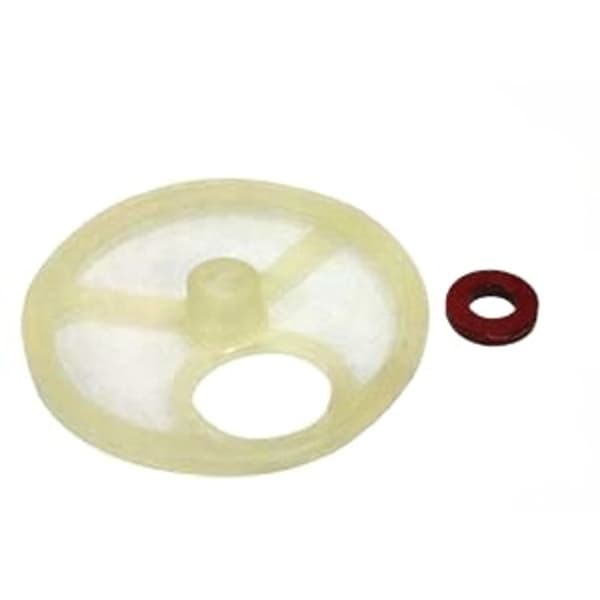
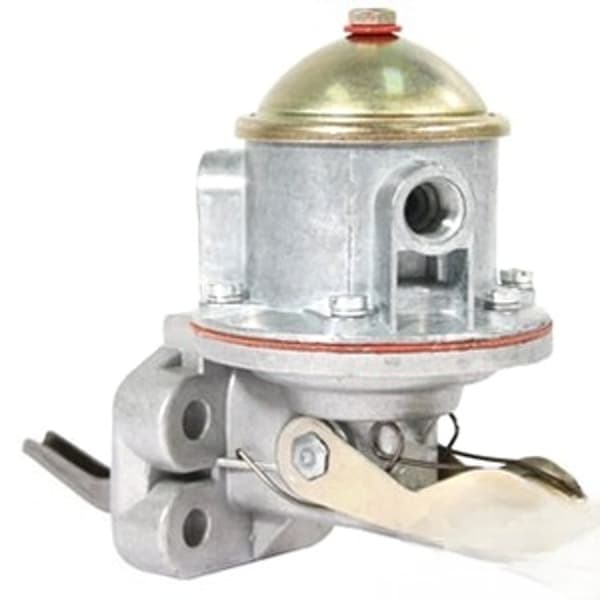
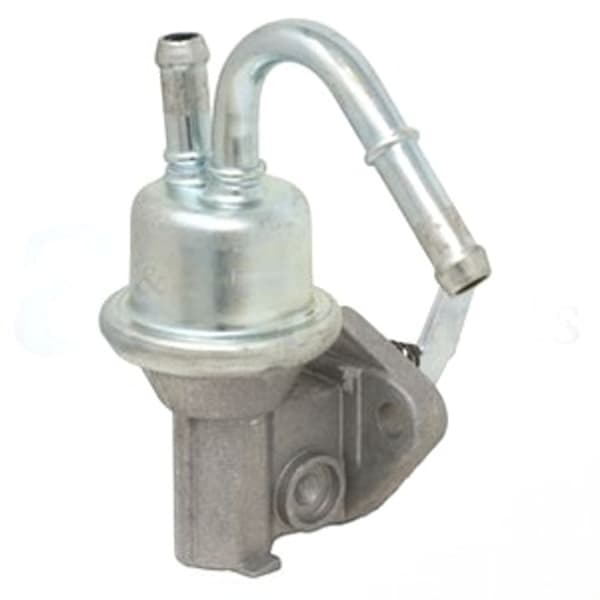
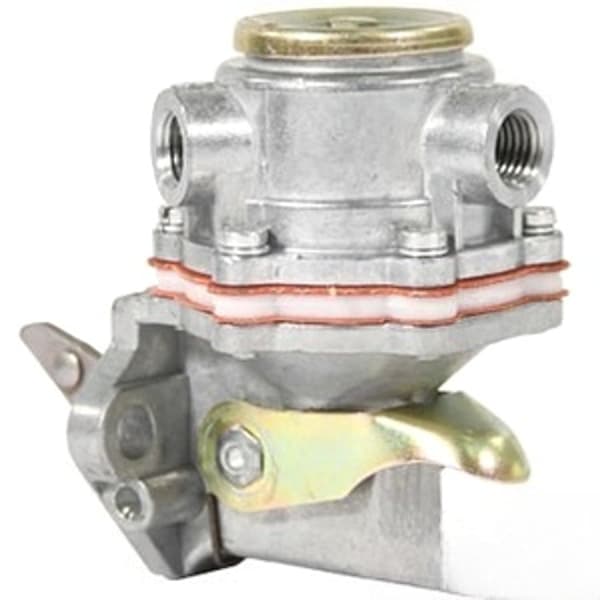
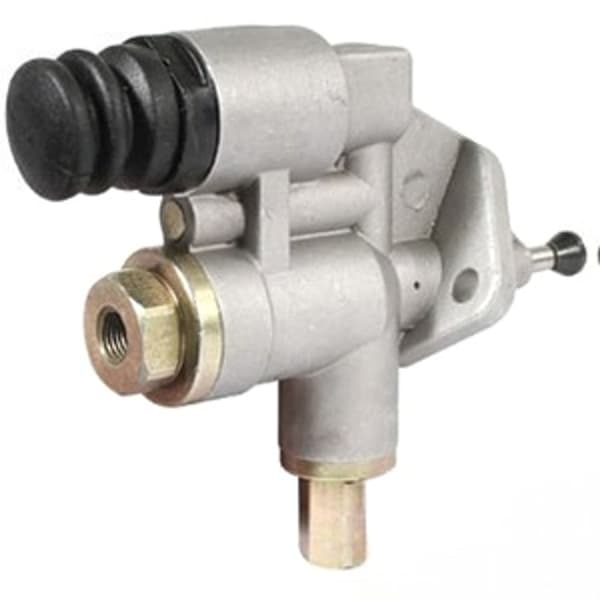
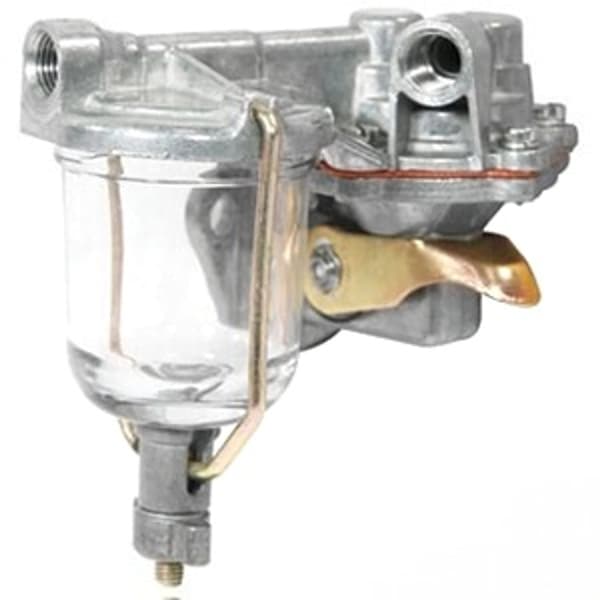
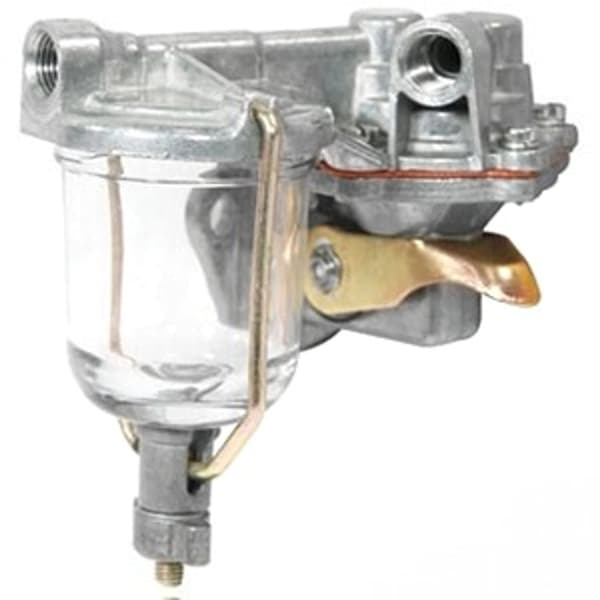
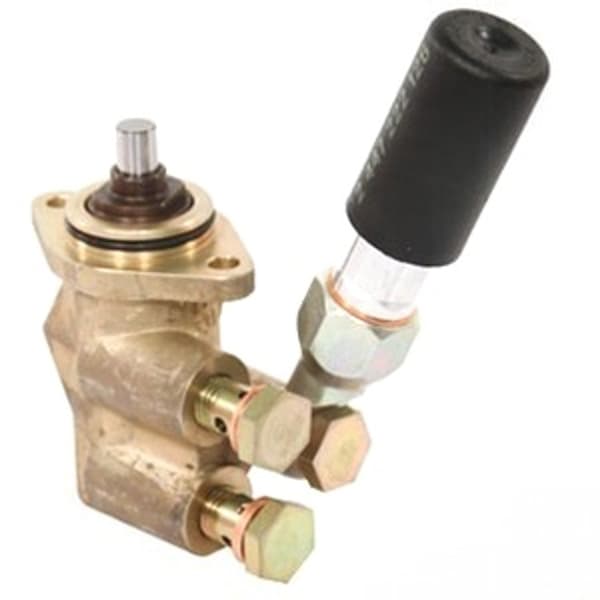
🔍 Looking for a specific part? Try our AI Part Finder — tell it your equipment and what you need, and it will find matching parts instantly.
Before diving in, it's essential to understand how the fuel pump fits within the broader fuel system. Check out our comprehensive guide to Tractor Fuel System, Carburetor & Injection Parts for a detailed overview of all components.
Mechanical Fuel Pumps
Mechanical fuel pumps are typically found on older tractors, particularly those with gasoline engines. They are engine-driven, usually by an eccentric lobe on the camshaft. As the camshaft rotates, it actuates a lever on the fuel pump, creating a vacuum that draws fuel from the tank and pushes it towards the carburetor.
How Mechanical Fuel Pumps Work
- Camshaft Lobe: The rotating camshaft lobe pushes the fuel pump lever.
- Diaphragm: The lever pulls on a diaphragm, creating a vacuum in the pump chamber.
- Fuel Intake: The vacuum opens an inlet valve, allowing fuel to be drawn from the fuel tank.
- Fuel Delivery: As the camshaft lobe rotates further, the lever releases, the diaphragm returns, and the fuel is forced through an outlet valve to the carburetor.
Troubleshooting Mechanical Fuel Pumps
- No Fuel Delivery: Check for a clogged fuel filter filters, a blocked fuel line, or a faulty diaphragm within the pump.
- Weak Fuel Delivery: A worn diaphragm or leaky valves can reduce the pump's efficiency.
- Fuel Leaks: Inspect the pump body and gaskets for cracks or damage. Replace gaskets as needed.
- Contamination: Internal rust or debris can impede pump function.
Specific Brands and Models
- Ford: Many Ford tractors, like the Ford 8N and early models in the 2000 and 4000 series, utilize mechanical fuel pumps. A common part number to check for the 8N is 8N9350.
- Farmall: Farmall tractors such as the Farmall H and M also frequently use mechanical pumps.
- Massey Ferguson: Older Massey Ferguson models, including some TO20 and TO30 variants may have used mechanical fuel pumps. Consider checking your Massey Ferguson Carburetor for issues if you suspect your mechanical fuel pump is causing fuel delivery problems.
Electric Fuel Pumps
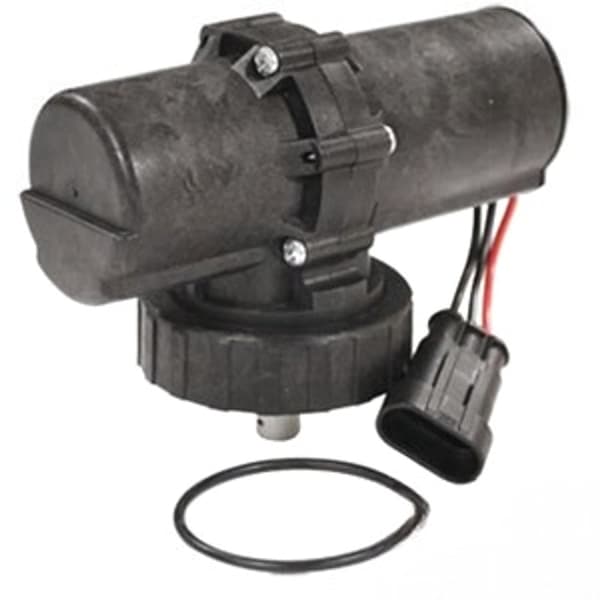
Electric fuel pumps are more common on newer tractors, including many diesel models and those with fuel injection systems. They offer more consistent fuel pressure and are less prone to vapor lock than mechanical pumps. Electric fuel pumps can be located inside the fuel tank (in-tank) or externally (inline).
How Electric Fuel Pumps Work
- Electric Motor: An electric motor drives the pump mechanism.
- Impeller/Piston: The motor turns an impeller or a piston, creating pressure to move fuel.
- Fuel Delivery: Fuel is drawn from the tank and pushed through the fuel lines to the injectors or carburetor.
Troubleshooting Electric Fuel Pumps
- No Fuel Delivery: Check the electrical connections, fuse, and relay. Use a multimeter to confirm the pump is receiving power.
- Low Fuel Pressure: A failing pump motor or a clogged fuel filter can reduce fuel pressure.
- Pump Noise: Unusual noises from the pump may indicate wear or damage.
- Overheating: Electric fuel pumps can overheat if they are running dry or are overloaded.
Specific Brands and Models
- John Deere: Many John Deere tractors, including models from the 4020 to the newer 5000 series, utilize electric fuel pumps, especially in diesel applications. For specific diesel models, inspect your tractor diesel injector for problems after checking the fuel pump. If you are looking for John Deere fuel pump information, make sure to reference our specific john deere fuel pump article.
- Case IH: Case IH tractors, especially newer models, frequently use electric fuel pumps.
- New Holland: New Holland tractors also often use electric fuel pumps, particularly in their more modern models.
- Kubota: Kubota tractors commonly use electric fuel pumps, especially in their compact tractor models.
- Mahindra: Mahindra tractors often use electric fuel pumps for fuel delivery.
Common Problems and Solutions
- Clogged Fuel Filter: Replace the fuel filter regularly (typically every 50-100 hours of operation). A clogged filter restricts fuel flow and can damage the fuel pump.
- Vapor Lock: Vapor lock occurs when fuel vaporizes in the fuel line, preventing fuel from reaching the engine. Insulating fuel lines and ensuring proper ventilation can help prevent vapor lock. Electric fuel pumps are less susceptible to vapor lock.
- Contaminated Fuel: Ensure you use clean, fresh fuel. Drain and clean the fuel tank periodically to remove sediment and water.
- Worn Diaphragm (Mechanical): Over time, the diaphragm in a mechanical fuel pump can deteriorate. Replace the fuel pump with a new or rebuilt unit.
- Electrical Issues (Electric): Check the wiring, connections, and fuses. Use a multimeter to diagnose electrical problems.
Fuel Pump Testing and Replacement
Testing a Mechanical Fuel Pump
- Disconnect the Fuel Line: Disconnect the fuel line from the carburetor.
- Crank the Engine: Crank the engine for a few seconds.
- Observe Fuel Flow: A healthy pump should deliver a steady stream of fuel. A weak or intermittent flow indicates a problem.
- Pressure Test: Use a fuel pressure gauge to check the pump's output pressure. Consult your tractor's service manual for the correct pressure specification (typically 3-7 PSI for gasoline engines).
Testing an Electric Fuel Pump
- Check for Power: Use a multimeter to confirm the pump is receiving power when the ignition is turned on.
- Listen for Pump Operation: You should be able to hear the pump running briefly when the ignition is turned on.
- Pressure Test: Use a fuel pressure gauge to check the pump's output pressure. Consult your tractor's service manual for the correct pressure specification (typically 40-60 PSI for fuel-injected engines, lower for carburetor).
- Flow Test: Disconnect the fuel line and measure the amount of fuel delivered in a specific time period.
Replacing a Fuel Pump
Safety First: Disconnect the battery before working on the fuel system. Work in a well-ventilated area and avoid open flames.
- Drain the Fuel Tank: If possible, drain the fuel tank to reduce the risk of spills.
- Disconnect Fuel Lines: Carefully disconnect the fuel lines from the pump. Use appropriate wrenches to avoid damaging the fittings.
- Remove the Old Pump: Unbolt the old fuel pump and remove it from the engine.
- Install the New Pump: Install the new fuel pump, using new gaskets.
- Connect Fuel Lines: Reconnect the fuel lines, ensuring they are securely tightened.
- Prime the Fuel System: Prime the fuel system by cranking the engine for a few seconds or by using the electric fuel pump's priming function (if equipped).
- Check for Leaks: Start the engine and check for fuel leaks.
Additional Tips
- Consult your tractor's service manual for specific fuel pump testing and replacement procedures.
- When replacing a fuel pump, consider replacing the fuel filter and fuel lines as well.
- Use high-quality replacement parts to ensure reliable performance.
Need a New Tractor Fuel Pump?
At Madison Tractor Company, we carry a wide selection of fuel pumps for all major tractor brands, including John Deere, Case IH, Ford, New Holland, Massey Ferguson, Kubota, Allis Chalmers, Deutz, International Harvester, Oliver, White, Gleaner, Vermeer, Hesston, Mahindra, and Zetor. We also stock a full range of other tractor parts, including radiators, water pumps, starters, alternators, hydraulic pumps, cylinders, clutch kits, PTO parts, carburetors, injectors, filters, gaskets, pistons, bearings, seals, belts, chains, concaves, and sickle sections. Shop with confidence knowing you're getting quality parts and expert advice. Let Madison Tractor Company be your one-stop shop for all your tractor parts needs! You can also use our AI-Powered Part Finder to search for parts by your specific make and model.
Part of our comprehensive guide
Tractor Fuel System Guide: Carburetor, Injection & Fuel Pump Parts