








Tractor Fuel Tank: Replacement & Repair Options
Dealing with a leaking or rusty tractor fuel tank? This guide covers common problems, repair solutions, and when it's time for a replacement. Learn how to keep your tractor's fuel system running smoothly.
Introduction to Tractor Fuel Tank Issues
The tractor fuel tank is a critical component of your machine's fuel system. It's responsible for storing the fuel that powers your engine, and any issues with the tank can lead to significant downtime. From leaks and rust to contamination and physical damage, a malfunctioning fuel tank can prevent your tractor from operating efficiently, or even at all. This guide will walk you through common fuel tank problems, repair options, and when a replacement is necessary. We'll cover solutions applicable to many tractor brands, including John Deere, Case IH, Ford, New Holland, Massey Ferguson, Kubota, Allis Chalmers, Deutz, International Harvester, Oliver, White, Gleaner, Vermeer, Hesston, Mahindra, and Zetor. Remember, maintaining a clean and functional fuel system is vital for optimal tractor performance. Make sure to check out our main article on Tractor Fuel System, Carburetor & Injection Parts for a complete overview.
Recommended Parts for This Guide
6 parts we recommend — in stock, ships fast, one-click add to cart.
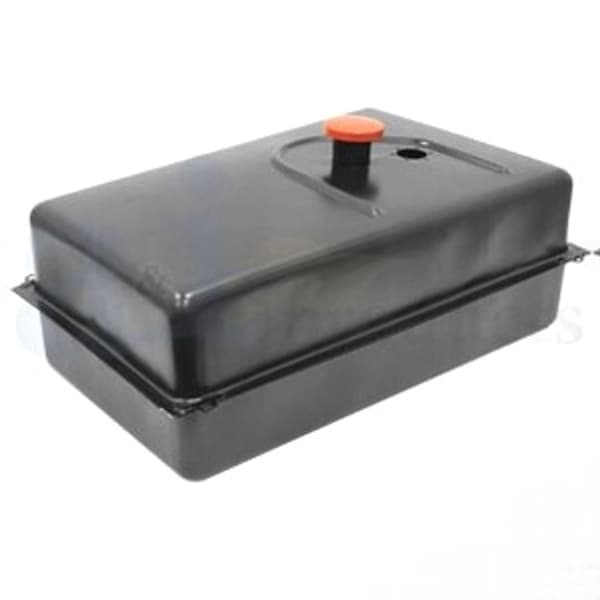
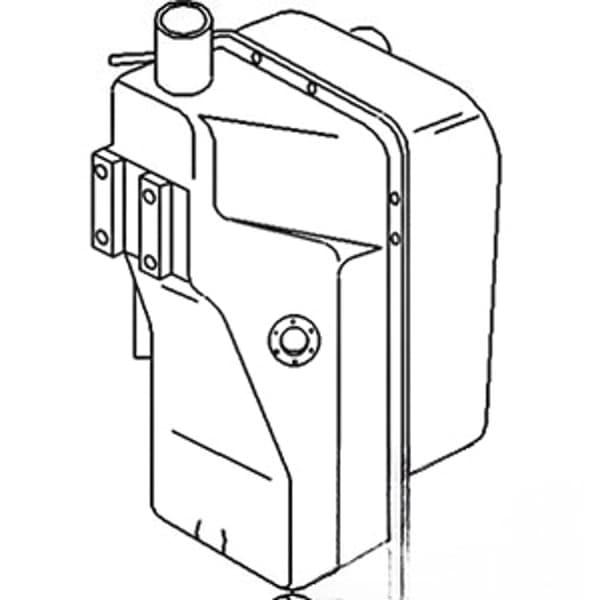
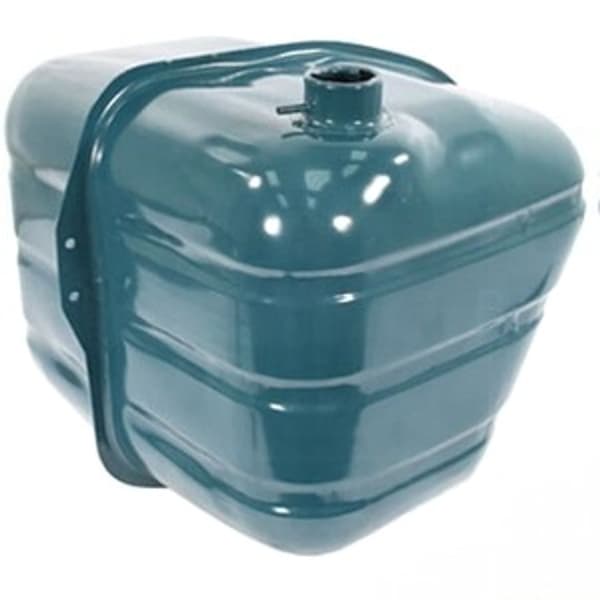
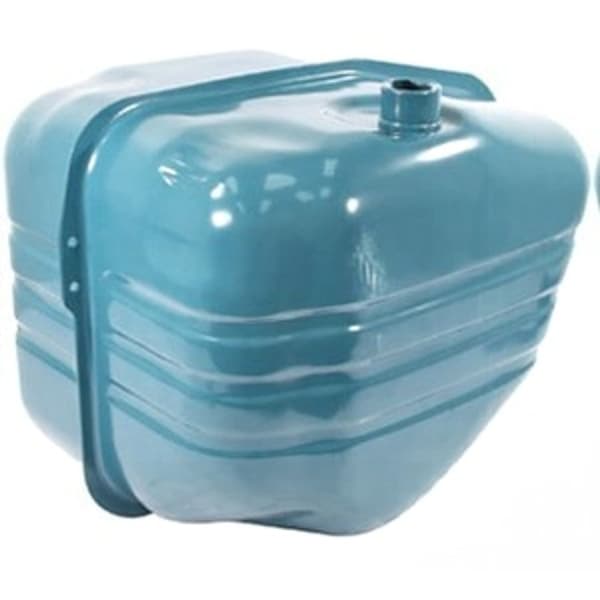
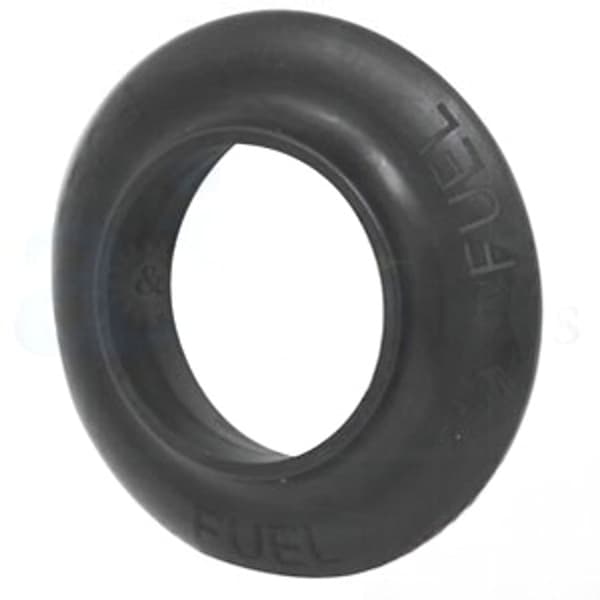
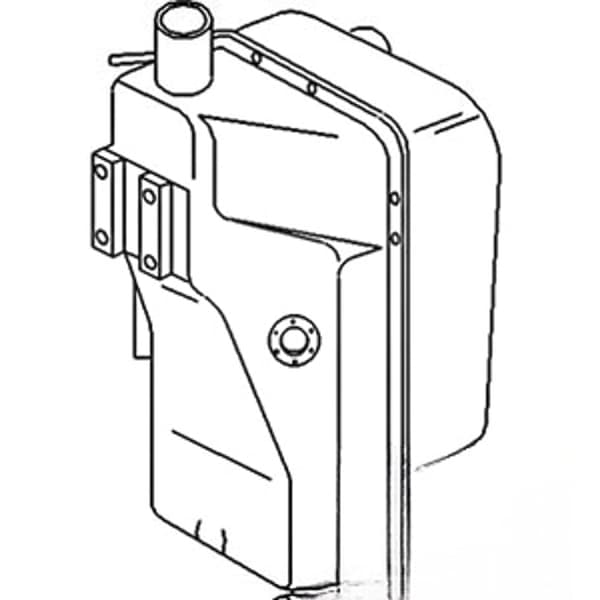
🔍 Looking for a specific part? Try our AI Part Finder — tell it your equipment and what you need, and it will find matching parts instantly.
Common Tractor Fuel Tank Problems
Several issues can plague your tractor's fuel tank. Here's a breakdown of the most common culprits:
- Leaks: Leaks are perhaps the most frequent problem. They can occur due to rust, corrosion, cracks from physical impact, or failed seams. Even a small leak can waste fuel and create a fire hazard.
- Rust and Corrosion: Over time, moisture and contaminants can cause rust and corrosion inside the tank. This rust can flake off and clog fuel lines, filters, and even the carburetor or injectors.
- Contamination: Dirt, debris, algae growth (especially in diesel tanks), and water can contaminate the fuel supply. This contamination can damage fuel system components and reduce engine performance.
- Physical Damage: Impacts from rocks, branches, or other objects can dent or puncture the tank, leading to leaks or structural damage.
- Ventilation Issues: A blocked fuel tank vent can create a vacuum, preventing fuel from flowing properly to the fuel pump and engine.
Diagnosing Fuel Tank Problems
Before attempting any repairs, it's crucial to accurately diagnose the problem. Here's a step-by-step approach:
- Visual Inspection: Carefully inspect the exterior of the tank for signs of leaks, rust, dents, or cracks. Pay close attention to seams, welds, and the area around fuel lines and fittings.
- Fuel Level Check: Monitor the fuel level (often read by a sending unit) in the tank over time. A sudden drop in fuel level, without a corresponding increase in usage, suggests a leak.
- Fuel Odor: A strong fuel odor near the tractor, especially when it's parked, is a clear indication of a fuel leak.
- Fuel Sample: Drain a small amount of fuel from the tank's drain plug into a clear container. Examine the fuel for signs of contamination, such as rust particles, water droplets, or algae.
- Vent Check: Ensure the fuel tank vent is clear. A simple test is to loosen the fuel cap; if the engine runs better, the vent is likely blocked.
Repairing a Tractor Fuel Tank
Depending on the nature and severity of the damage, you may be able to repair your tractor's fuel tank. Here are some common repair methods:
Patching Leaks
For small leaks, you can use fuel tank repair kits, which typically include epoxy-based sealants or specialized patches. These kits are readily available at auto parts stores and tractor supply retailers.
Steps for Patching:
- Drain and Clean: Completely drain the fuel tank and thoroughly clean the area around the leak with a degreaser and wire brush. Ensure the surface is dry and free of rust.
- Apply Patch or Sealant: Follow the instructions provided with the repair kit. Typically, this involves applying the sealant or patch over the leak and allowing it to cure completely.
- Test: Once the sealant is cured, refill the tank with a small amount of fuel and check for leaks.
Safety Warning: Always work in a well-ventilated area when dealing with fuel and sealants. Wear appropriate safety gear, including gloves and eye protection. Avoid open flames or sparks.
Rust Removal and Tank Sealing
If your fuel tank has significant rust inside, you'll need to remove the rust and seal the tank to prevent future corrosion. There are several methods for rust removal:
- Chemical Rust Removal: Use a commercial rust remover specifically designed for fuel tanks. Follow the product instructions carefully.
- Mechanical Rust Removal: Fill the tank with gravel or nuts and bolts, then agitate it vigorously to dislodge rust. This method is labor-intensive but effective.
- Electrolysis: This method uses an electric current to remove rust. It's more complex but can be very effective for heavily rusted tanks.
After removing the rust, seal the inside of the tank with a fuel tank sealer. These sealers coat the interior surface, preventing further rust and corrosion. Brands like POR-15 and KBS Coatings offer effective tank sealers. Ensure the tank is completely dry before applying the sealer.
When to Replace Your Tractor Fuel Tank
In some cases, repair may not be feasible or cost-effective. Consider replacing your tractor fuel tank if:
- The tank has extensive rust or corrosion.
- The tank has large cracks or punctures.
- Previous repairs have failed.
- The cost of repair exceeds the cost of a new tank.
Replacing a fuel tank is a straightforward process, but it's essential to choose the correct replacement tank for your tractor model. At Madison Tractor Company, we carry a wide selection of fuel tanks for various tractor brands and models, including John Deere, Ford, Massey Ferguson, Case IH, and more.
Fuel Tank Replacement Steps
- Drain the Old Tank: Completely drain the fuel from the old tank.
- Disconnect Fuel Lines and Fittings: Carefully disconnect all fuel lines, hoses, and fittings from the tank. Label them to ensure correct reinstallation.
- Remove the Old Tank: Unbolt the tank from the tractor frame and carefully remove it.
- Install the New Tank: Position the new tank on the tractor frame and secure it with bolts. Ensure it's properly aligned.
- Reconnect Fuel Lines and Fittings: Reconnect all fuel lines, hoses, and fittings, referring to your labels to ensure correct placement.
- Fill and Test: Fill the tank with fuel and check for leaks. Start the tractor and ensure the fuel system is functioning correctly.
Torque Specifications: Refer to your tractor's service manual for the correct torque specifications for fuel tank mounting bolts and fuel line fittings. Proper torque is crucial to prevent leaks and ensure a secure installation. For example, fuel line banjo bolts on a John Deere 4020 typically require 18-22 ft-lbs of torque.
Fuel Tank Maintenance Tips
Preventative maintenance can extend the life of your tractor's fuel tank and prevent costly repairs. Here are some tips:
- Use Clean Fuel: Always use high-quality fuel from a reputable source. Avoid fuel that may be contaminated with water or debris.
- Regularly Drain Water: Water can accumulate in the bottom of the fuel tank. Drain the tank periodically using the drain plug to remove any accumulated water.
- Inspect and Replace Fuel Filters: Regularly inspect and replace your fuel filters to prevent contaminants from reaching the carburetor or injectors.
- Keep the Tank Full: Keeping the tank full can help prevent condensation from forming inside, which can lead to rust.
- Check the Vent: Ensure the fuel tank vent is clear to prevent vacuum lock.
Related Fuel System Components
The fuel tank is just one part of a complex fuel system. Other important components include:
- Fuel Lines: Carry fuel from the tank to the engine.
- Fuel Filters: Remove contaminants from the fuel.
- Fuel Pump: Pumps fuel to the engine.
- Carburetor or Fuel Injectors: Mix fuel with air for combustion.
Be sure to check related articles such as John Deere Tractor Fuel Pump: Gas & Diesel Models, Ford Tractor Fuel Pump: 2000-5000 Series & 8N and Tractor Diesel Injector: Nozzle Testing & Replacement to ensure all parts of your fuel system are operating correctly.
Find Your Tractor Fuel Tank Parts at Madison Tractor Company
At Madison Tractor Company, we understand the importance of keeping your tractor running smoothly. That's why we offer a wide selection of high-quality tractor fuel tanks and fuel system parts for all major brands, including John Deere, Case IH, Ford, New Holland, Massey Ferguson, and more. Whether you need a replacement fuel tank, fuel filters, fuel lines, or other fuel system components, we have the parts you need to get the job done right. Plus, we carry a wide range of other tractor parts, including radiators, water pumps, starters, alternators, and hydraulic pumps. Shop our online store today and experience the Madison Tractor Company difference! You can also use our AI-Powered Part Finder to search for parts by your specific make and model.
Part of our comprehensive guide
Tractor Fuel System Guide: Carburetor, Injection & Fuel Pump Parts