








How to Rebuild a Tractor Carburetor: Step by Step
Is your tractor's carburetor causing rough idling, poor fuel economy, or starting problems? This comprehensive guide walks you through the process of a tractor carburetor rebuild, helping you restore your machine's performance and efficiency.
Introduction to Tractor Carburetor Rebuilds
A properly functioning carburetor is essential for optimal tractor performance. Over time, carburetors can become clogged with dirt, varnish corrosion, leading to issues like rough idling, poor fuel economy, black smoke difficulty starting. Instead of replacing the entire carburetor, rebuilding it can often restore it to like-new condition at a fraction of the cost. This guide provides a step-by-step process for a successful tractor carburetor rebuild. While some experience with mechanical repairs is beneficial, a detailed approach and the right tools can enable most tractor owners to complete this task.
Recommended Parts for This Guide
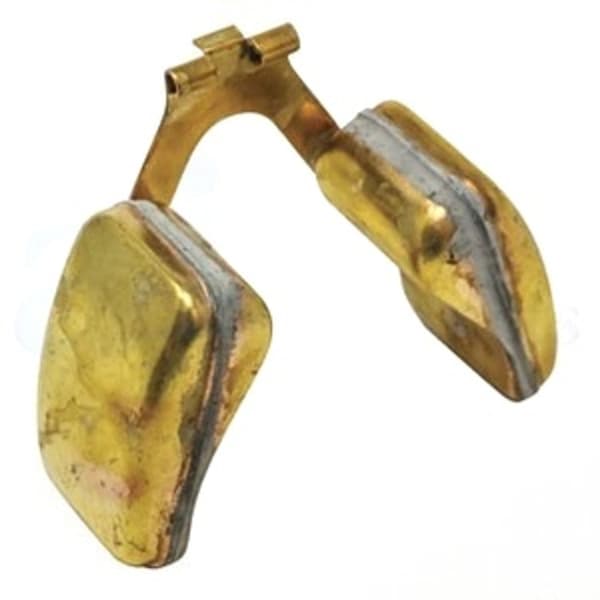
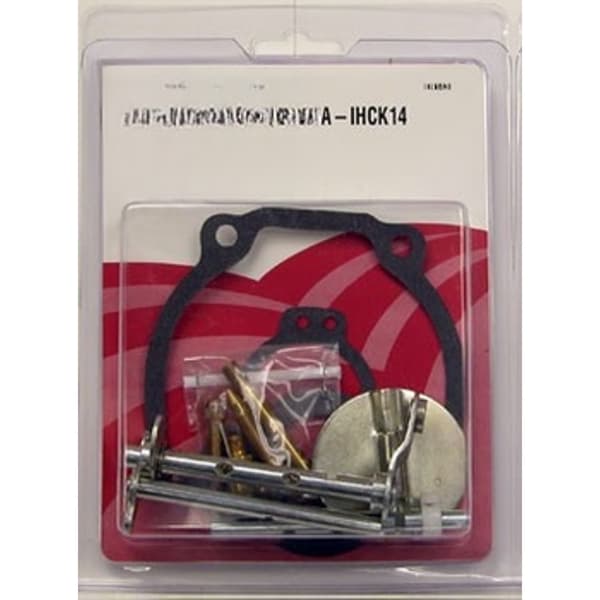
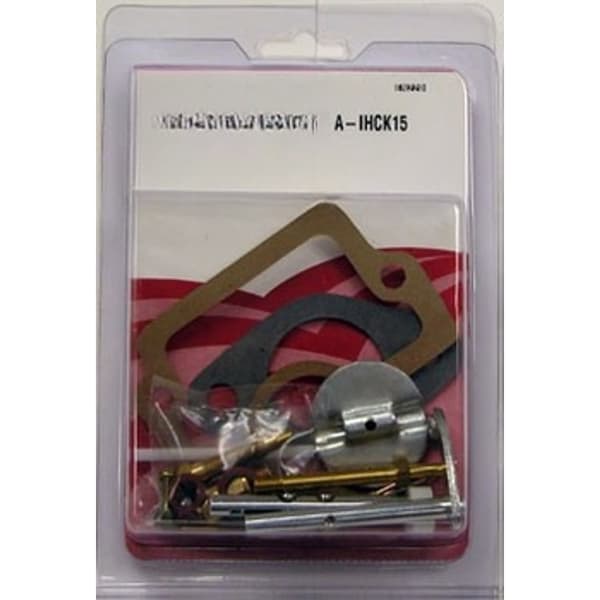
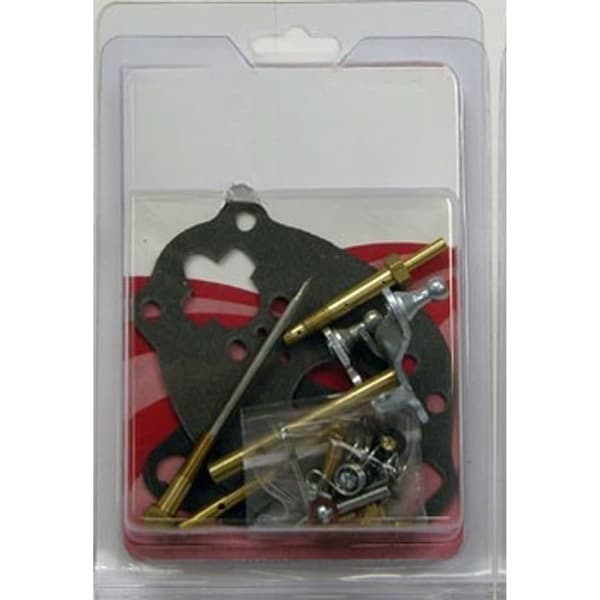
10 parts we recommend — in stock, ships fast, one-click add to cart.

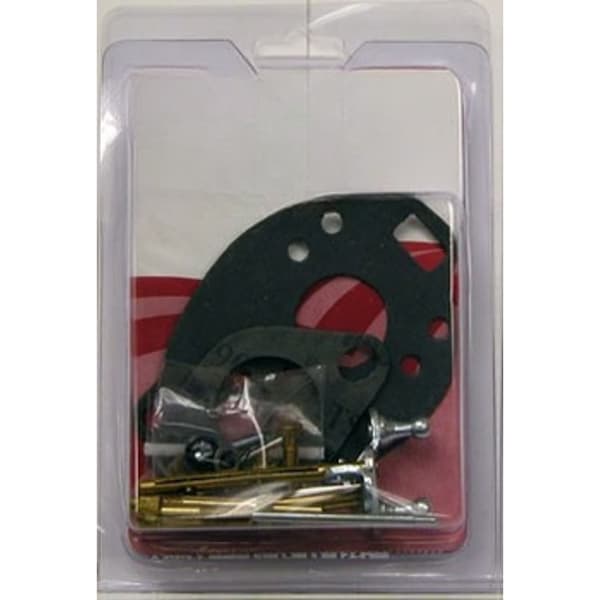
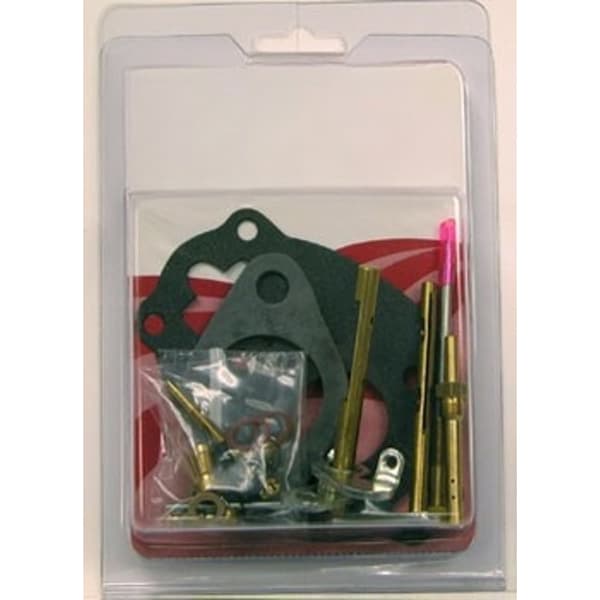
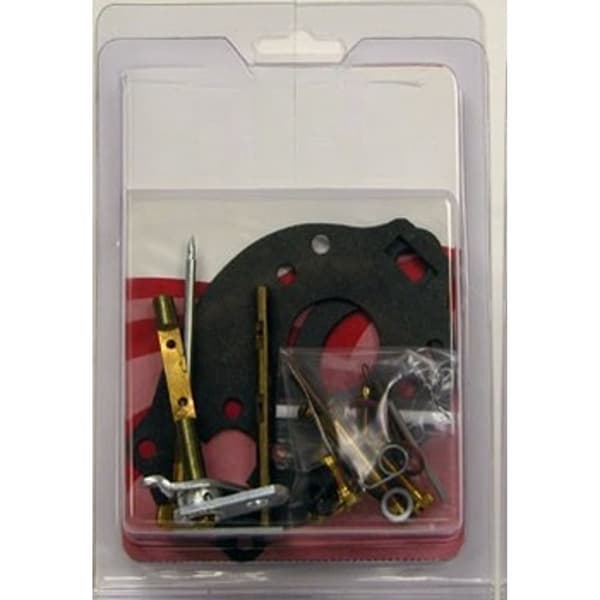
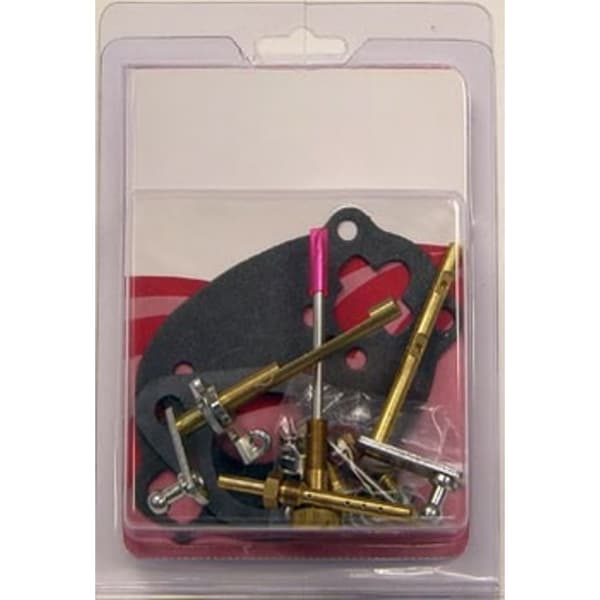
🔍 Looking for a specific part? Try our AI Part Finder — tell it your equipment and what you need, and it will find matching parts instantly.
At Madison Tractor Company, we understand the importance of keeping your equipment running smoothly. That's why we stock a wide range of carburetors and carburetor rebuild kits for various makes and models, including John Deere, Case IH, Ford, New Holland, Massey Ferguson, Kubota, Allis Chalmers, Deutz, International Harvester, OliverWhite tractors. We also carry parts for Gleaner, VermeerHesston harvesting equipment.
Tools and Materials Needed
Before you begin, gather the necessary tools and materials
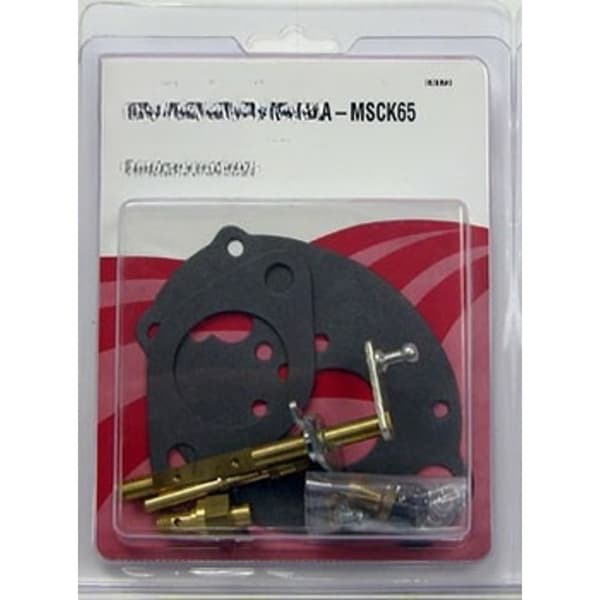
- Carburetor Rebuild Kit Ensure the kit matches your specific carburetor model. Check John Deere Tractor Carburetor or Ford Tractor Carburetor articles to verify OEM numbers.
- Solvent Tank or Carburetor Cleaner For cleaning the carburetor body and parts.
- Gasket Scraper For removing old gaskets.
- Screwdrivers A variety of flathead and Phillips head screwdrivers.
- Wrenches Appropriate sizes for carburetor fittings.
- Pliers Needle-nose pliers are particularly useful.
- Compressed Air For drying and clearing passages.
- Wire Brush For cleaning external surfaces.
- Soft Cloths or Rags For wiping parts clean.
- Small Containers For organizing parts.
- Camera or Smartphone To document the disassembly process.
- Service Manual Consult your tractor's service manual for specific instructions and torque specifications.
Safety Precautions
Working with gasoline and carburetor cleaner can be hazardous. Take the following precautions
- Work in a well-ventilated area.
- Wear safety glasses and gloves.
- Avoid open flames or sparks.
- Dispose of used cleaning solvents properly.
- Disconnect the battery before working on the fuel system.
- Never smoke while working on the fuel system.
Step-by-Step Carburetor Rebuild Process
- Removal Carefully disconnect the fuel line, linkage any electrical connections to the carburetor. Take photos of the linkage to ensure proper reassembly. Note the location of any shims or washers. Remove the carburetor from the tractor. For example, a Massey Ferguson Carburetor TO20 model removal is similar to other models but requires careful attention to the throttle linkage.
- Disassembly Place the carburetor on a clean workbench. Using your camera, photograph the carburetor from multiple angles before disassembling. This will serve as a valuable reference during reassembly. Carefully remove all screws, jets, floats other components. Pay close attention to the order in which they are removed. Many carburetors, especially those found on Farmall tractors like the Farmall Cub, have small parts that can be easily lost. Be extra careful when dealing with the needle and seat.
- Cleaning Thoroughly clean all carburetor parts with carburetor cleaner or solvent. Use a wire brush to remove any stubborn deposits. Pay particular attention to cleaning the jets and passages. Use compressed air to blow out any remaining debris. Ensure all passages are clear. The Tractor Fuel System, Carburetor & Injection Parts article provides additional context.
- Inspection Inspect all parts for wear, damage, or corrosion. Replace any parts that are damaged or worn. Check the float for leaks by submerging it in hot water and looking for bubbles. Inspect the needle valve and seat for wear. Examine the float bowl for cracks or corrosion.
- Reassembly Install the new parts from the carburetor rebuild kit. Refer to your photographs and the service manual for proper assembly. Pay close attention to the float level setting, as this is critical for proper carburetor operation. Most kits include new gaskets; ensure they are properly seated. Replace the needle valve and seat if included in the kit. Adjust the float according to the manufacturer's specifications. For example, a John Deere Model A carburetor typically requires a float level of around 5/16 inch.
- Adjustment Once the carburetor is reassembled, adjust the idle mixture and idle speed screws according to the service manual. The initial settings are usually specified as a number of turns out from fully closed.
- Installation Reinstall the carburetor on the tractor. Reconnect the fuel line, linkage electrical connections. Double-check all connections to ensure they are secure.
- Testing Start the tractor and allow it to warm up. Adjust the idle mixture and idle speed screws until the engine idles smoothly. Check for any fuel leaks. If the engine hesitates or stumbles, further adjustments may be necessary. A common issue on older Ford tractors like the 8N is a lean condition, requiring careful adjustment of the main jet.
Troubleshooting
Even after a thorough rebuild, some issues may persist. Here are a few common problems and their potential solutions
- Rough Idling May be caused by a vacuum leak, improper idle mixture adjustment, or a clogged jet.
- Poor Fuel Economy Could be due to a rich fuel mixture, a leaking float, or a restricted air filter.
- Difficulty Starting May be caused by a lean fuel mixture, a clogged fuel filter, or a weak spark. Consider inspecting the tractor fuel pump if fuel delivery is suspected.
- Black Smoke Indicates a rich fuel mixture.
- White Smoke Indicates water or coolant in the combustion chamber.
Maintenance Tips
To keep your tractor's carburetor in good condition, follow these maintenance tips
- Use clean fuel.
- Regularly inspect and clean the fuel filter.
- Check the carburetor for leaks.
- Avoid letting the tractor sit for extended periods without fuel stabilizer.
- Consider using a fuel additive to prevent varnish buildup.
Common Parts and Cross-Reference
When rebuilding a carburetor, several parts are commonly replaced. Some examples
- Float
- Needle Valve and Seat Ford 8N9563C
- Gaskets Various gaskets are available depending on the model. Always use the correct gasket to prevent leaks.
- Jets Main jets and idle jets are crucial for proper fuel metering. Incorrect jet sizes can lead to performance issues.
Remember to also check other vital tractor components like radiators, water pumps, starters, alternators, hydraulic pumps, cylinders, clutch kitsPTO parts during your maintenance routine.
Rebuilding a tractor carburetor can seem daunting, but with careful preparation and attention to detail, it's a manageable task. By following these steps, you can save money and keep your tractor running smoothly for years to come. Don't hesitate to consult your tractor's service manual or seek advice from a qualified mechanic if you encounter any difficulties. Need to replace a Tractor Diesel Injector? We've got those too!
Shop Tractor Parts at Madison Tractor Company
At Madison Tractor Company, we are committed to providing high-quality parts and exceptional customer service. We stock a comprehensive selection of parts for all major tractor brands, including fuel pumps, carburetors, injectors, filters, gaskets, pistons, bearings, seals, belts, chains, concavessickle sections. Whether you need a carburetor rebuild kit for your Mahindra, Zetor, or a new fuel filter for your Kubota, we have you covered. Browse our extensive online catalog today and get your tractor back in top condition! Visit us at Madison Tractor Company for all your tractor part needs. We also carry combine parts and hay equipment parts! Our parts experts are here to help. Contact us today! You can also use our AI-Powered Part Finder to search for parts by your specific make and model.
Part of our comprehensive guide
Tractor Fuel System Guide: Carburetor, Injection & Fuel Pump Parts