








Tractor Diesel Injector: Nozzle Testing & Replacement
Diesel injectors are crucial for efficient tractor operation. This guide helps you diagnose injector problems, perform basic testing, and replace faulty injectors to restore power and fuel economy. We cover common issues and offer practical advice for a range of tractor brands.
Introduction to Tractor Diesel Injectors
The tractor diesel injector is a critical component of your tractor's fuel system. It's responsible for delivering a precisely metered and atomized spray of fuel into the combustion chamber. When injectors fail, it can lead to reduced power, poor fuel economy, excessive smoke, and even engine damage. Understanding how injectors work and knowing how to diagnose and replace them is essential for maintaining your tractor's performance.
Recommended Parts for This Guide
7 parts we recommend — in stock, ships fast, one-click add to cart.
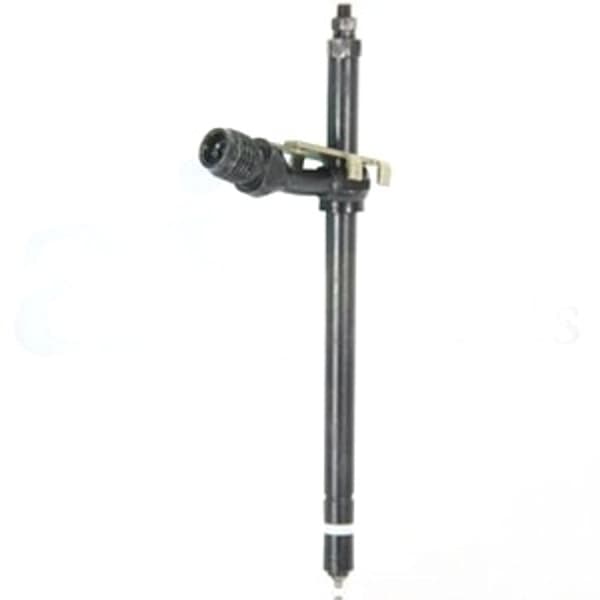
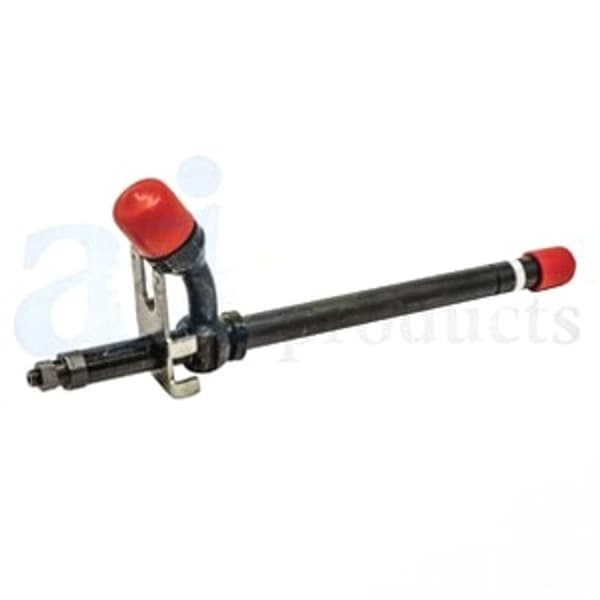
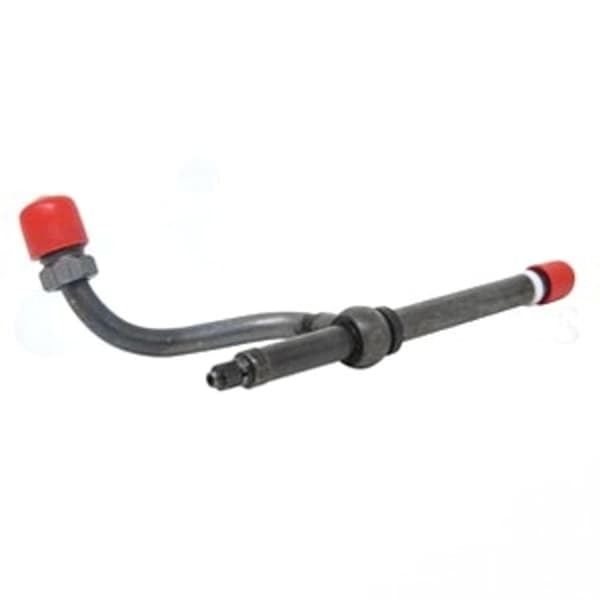
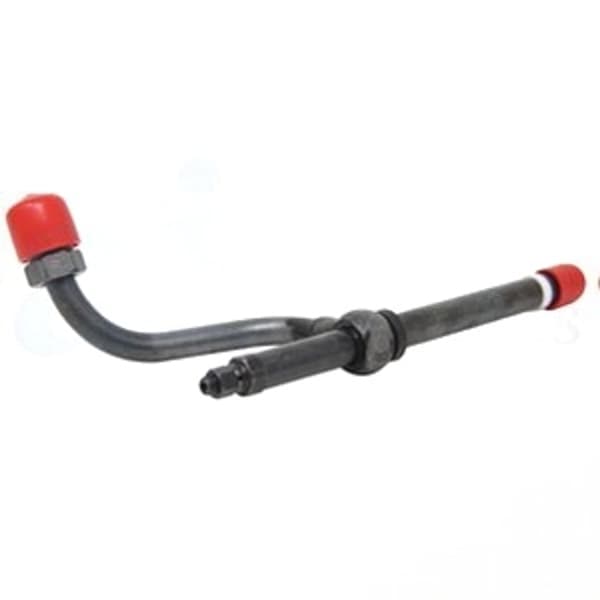
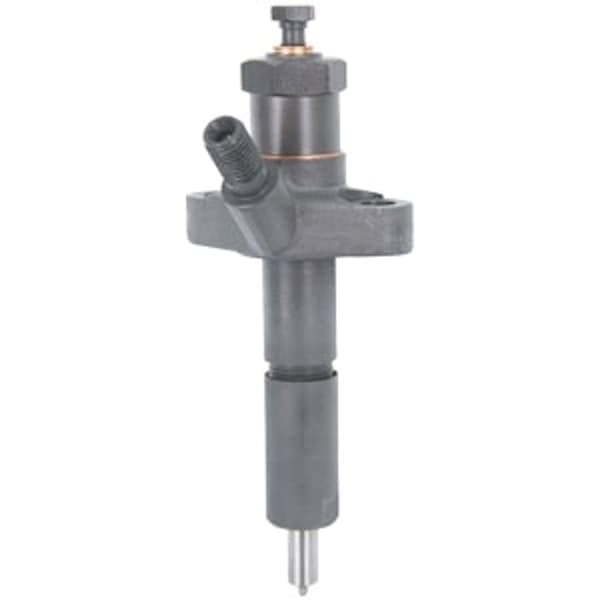
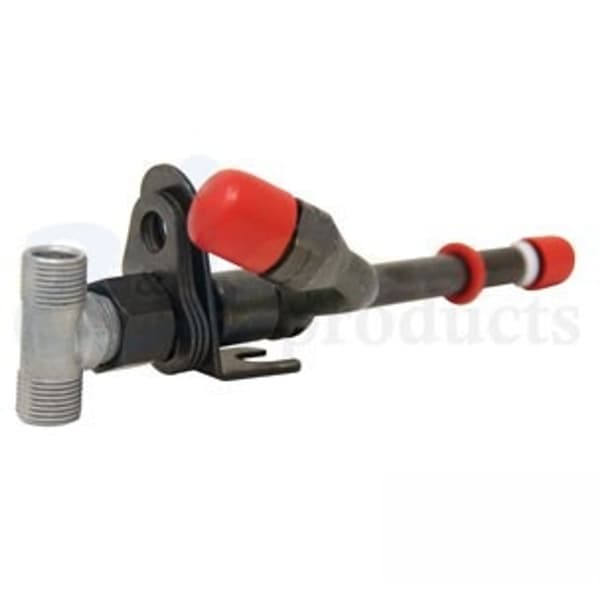
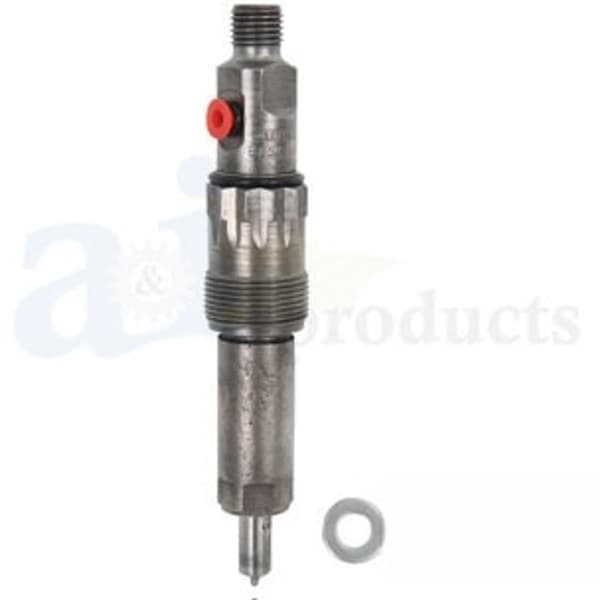
🔍 Looking for a specific part? Try our AI Part Finder — tell it your equipment and what you need, and it will find matching parts instantly.
At Madison Tractor Company, we understand the importance of reliable parts. We carry a wide range of diesel injectors for various tractor brands, including John Deere, Case IH, Ford, New Holland, Massey Ferguson, Kubota, Allis Chalmers, Deutz, International Harvester, Oliver, White, Gleaner, Vermeer, Hesston, Mahindra, and Zetor. Whether you need a single replacement injector or a complete set, we have you covered. Don't forget that proper maintenance of your tractor's tractor fuel pump is also crucial for optimal injector performance.
Common Signs of a Failing Diesel Injector
Several symptoms can indicate a problem with your tractor's diesel injectors:
- Reduced Power: A failing injector may not deliver enough fuel, leading to a noticeable decrease in engine power, especially under load.
- Poor Fuel Economy: Inefficient fuel delivery can result in increased fuel consumption.
- Excessive Smoke: Black smoke indicates incomplete combustion, often caused by over-fueling or poor atomization. Blue smoke suggests oil burning, which can sometimes be exacerbated by faulty injectors. White smoke at startup can be a sign of unburnt fuel due to a malfunctioning injector.
- Rough Idle: A misfiring cylinder due to a bad injector can cause the engine to idle roughly.
- Hard Starting: Difficult starting, especially in cold weather, can be a sign of injector issues.
- Engine Knocking or Misfiring: A damaged injector can cause uneven combustion, leading to knocking or misfiring.
Testing Your Tractor Diesel Injectors
Before replacing your injectors, it's important to test them to confirm they are indeed the problem. Here are a few methods you can use:
1. Cylinder Cut-Out Test
This test helps identify which cylinder (and therefore, which injector) is causing the problem. While the engine is running at idle, carefully loosen the fuel line connection at each injector, one at a time. Safety Warning: Diesel fuel is flammable. Exercise extreme caution when working with fuel lines. Wear safety glasses and avoid open flames. Listen for a change in engine RPM. A properly functioning cylinder will cause a noticeable drop in RPM when its fuel supply is cut off. If there's no change in RPM when you loosen a particular injector's fuel line, that injector is likely faulty.
2. Leak-Off Test
This test checks for excessive fuel leakage from the injectors. Most diesel injectors have a small leak-off line that returns excess fuel to the fuel tank. Excessive leakage can indicate a worn or damaged injector. To perform this test, attach small hoses to the leak-off ports of each injector and route them into graduated containers. Run the engine for a specific period (e.g., 5 minutes) and then measure the amount of fuel collected in each container. Significant differences in fuel volume between injectors indicate a problem with the injectors leaking the most.
3. Professional Injector Testing
For the most accurate assessment, it's best to have your injectors professionally tested by a qualified diesel mechanic. They use specialized equipment to check the injector's spray pattern, opening pressure, and leak-down rate. This testing can determine if the injector is delivering the correct amount of fuel, atomizing it properly, and sealing correctly. Many diesel shops can test and rebuild your existing injectors, which can be a cost-effective alternative to buying new ones.
Replacing Your Tractor Diesel Injectors
If testing confirms that your injectors are faulty, replacement is often the best solution. Here's a general guide to replacing diesel injectors. Always consult your tractor's service manual for specific instructions and torque specifications.
- Gather Your Tools and Parts: You'll need a socket set, wrenches, torque wrench, fuel line wrenches (flare nut wrenches), new injectors, new copper washers (sealing rings), and clean rags. Ensure you have the correct John Deere, Ford, Massey Ferguson or other brand-specific parts for your model. Verify that the replacement injectors are compatible with your tractor's fuel system.
- Safety First: Disconnect the negative battery cable to prevent electrical shorts. Allow the engine to cool completely before working on the fuel system.
- Remove the Old Injectors: Carefully disconnect the fuel lines from the injectors. Use fuel line wrenches to avoid damaging the fittings. Remove any retaining clamps or brackets. Gently twist and pull the injectors out of the cylinder head. If they are stuck, use a specialized injector removal tool.
- Clean the Injector Bores: Thoroughly clean the injector bores in the cylinder head. Remove any carbon deposits or debris. Ensure the sealing surfaces are clean and smooth.
- Install New Injectors: Install new copper washers (sealing rings) onto the new injectors. Lubricate the injector O-rings (if applicable) with clean diesel fuel. Carefully insert the new injectors into the cylinder head.
- Torque to Specification: Tighten the injectors to the torque specification listed in your tractor's service manual. Over-tightening can damage the injectors or the cylinder head. For example, certain John Deere models may require a torque of 25-30 ft-lbs.
- Reconnect Fuel Lines: Reconnect the fuel lines to the injectors. Tighten the fuel line fittings securely, but avoid over-tightening.
- Bleed the Fuel System: After replacing the injectors, you'll need to bleed the fuel system to remove any air. Consult your tractor's service manual for the proper bleeding procedure. This often involves loosening fuel line fittings at the injectors and cranking the engine until fuel flows freely.
- Start the Engine: Start the engine and check for leaks. If you find any leaks, tighten the fuel line fittings or injector hold-down bolts as needed.
Torque Specifications: Always refer to your tractor's service manual for precise torque values. Incorrect torque can lead to leaks or damage. Typical torque values for injector hold-down bolts range from 20-40 ft-lbs, but this can vary significantly depending on the tractor model and injector type.
Specific Example: For a Ford 8N tractor, while it uses a carburetor and not diesel injectors (see Ford Tractor Carburetor guide), the principles of fuel delivery are related. A clean fuel supply and proper carburetor adjustment are just as important for a gas engine. But for a Ford 3000 diesel, replacing the injectors would follow the general steps outlined above, paying close attention to the specific torque specs in the service manual.
Important Considerations
- Use the Right Parts: Always use the correct replacement injectors for your specific tractor model. Using incorrect parts can lead to poor performance or even engine damage. Madison Tractor Company can help you find the right injectors for your machine. We offer injectors for tractors from brands like Case IH, New Holland, and Massey Ferguson.
- Cleanliness is Key: Keep everything clean when working on the fuel system. Dirt and debris can damage injectors and other fuel system components.
- Fuel Quality: Use high-quality diesel fuel and replace your fuel filters regularly. Contaminated fuel is a leading cause of injector problems. You can find a wide selection of tractor filters at Madison Tractor Company.
- Seek Professional Help: If you're not comfortable working on your tractor's fuel system, it's best to seek professional help from a qualified mechanic. Improperly installed injectors can cause serious engine damage. Also, ensure other related parts like radiators and water pumps are in good working order to prevent overheating, which can indirectly affect fuel system performance.
Preventative Maintenance
Regular maintenance can help prevent injector problems and extend the life of your tractor's fuel system:
- Use a Fuel Additive: Periodically use a fuel additive specifically designed for diesel engines. These additives can help clean injectors, remove deposits, and improve fuel economy.
- Replace Fuel Filters Regularly: Replace your fuel filters at the intervals recommended in your tractor's service manual. Clean fuel is essential for injector health.
- Inspect Fuel Lines: Regularly inspect your fuel lines for cracks, leaks, or damage. Replace any damaged fuel lines immediately.
- Check for Water in Fuel: Water in fuel can cause serious damage to injectors and other fuel system components. Drain the water separator (if equipped) regularly.
Madison Tractor Company: Your Source for Tractor Parts
At Madison Tractor Company, we're committed to providing you with the highest quality tractor parts at competitive prices. We carry a wide selection of diesel injectors, fuel filters, fuel pumps, and other fuel system components for all major tractor brands. Whether you need a tractor injection pump, a new set of diesel injectors, or just a few gaskets, we have the parts you need to keep your tractor running smoothly. We also carry a wide array of other tractor parts, including hydraulic pumps, cylinders, clutch kits, and PTO parts.
Shop our extensive online catalog or contact our knowledgeable parts experts for assistance. We're here to help you find the right parts for your tractor and keep it working its best! You can also use our AI-Powered Part Finder to search for parts by your specific make and model.
Part of our comprehensive guide
Tractor Fuel System Guide: Carburetor, Injection & Fuel Pump Parts