








Tractor Fuel System Guide: Carburetor, Injection & Fuel Pump Parts
Keep your tractor running smoothly with our comprehensive guide to tractor fuel systems. Learn about carburetors, fuel pumps, and injectors, including maintenance, troubleshooting, and parts replacement. Find the parts you need at Madison Tractor!
Tractor Fuel System: A Comprehensive Guide for Peak Performance
Your tractor's fuel system is the heart of its power, responsible for delivering the lifeblood of your machine – fuel – to the engine. A properly functioning fuel system ensures optimal performance, fuel efficiency, and longevity. This comprehensive guide will walk you through the key components of a tractor fuel system, including carburetors, fuel injection systems, and fuel pumps, providing you with the knowledge to diagnose issues, perform maintenance, and choose the right replacement parts.
Recommended Parts for This Guide
7 parts we recommend — in stock, ships fast, one-click add to cart.

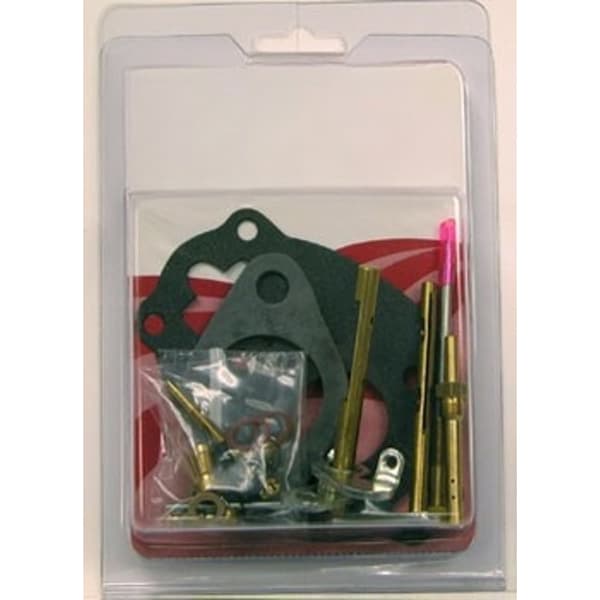
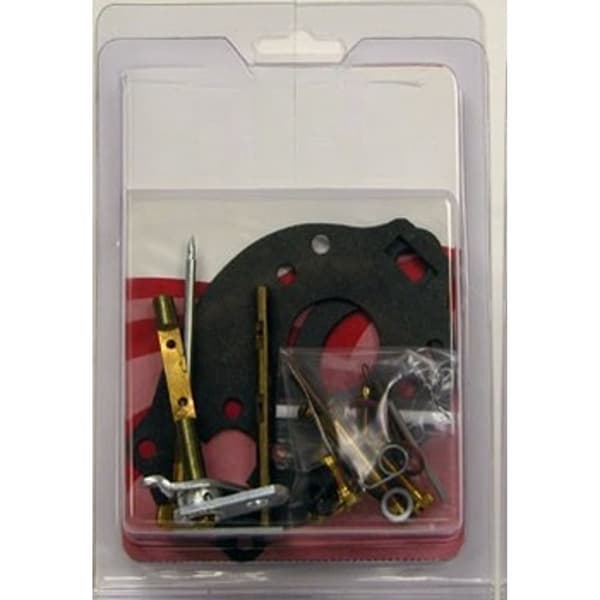
🔍 Looking for a specific part? Try our AI Part Finder — tell it your equipment and what you need, and it will find matching parts instantly.
At Madison Tractor Company, we understand the importance of reliable parts. We carry a wide selection of tractor fuel system parts for all major brands, including John Deere, Case IH, Ford, New Holland, Massey Ferguson, Kubota, Allis Chalmers, Deutz, International Harvester, Oliver, White, Gleaner, Vermeer, Hesston, Mahindra, and Zetor. We offer everything from carburetors and injectors to fuel pumps, filters, gaskets, and all the necessary hardware to keep your tractor running its best.
Understanding Tractor Fuel Systems
Tractor fuel systems can be broadly classified into two main types: carburetor-based systems and fuel injection systems. Carburetors are commonly found in older tractors, while fuel injection systems are more prevalent in modern tractors due to their increased efficiency and reduced emissions.
Carburetor Systems
A carburetor mixes air and fuel to create a combustible mixture that is then delivered to the engine's cylinders. The carburetor relies on engine vacuum to draw fuel from the fuel tank and atomize it with incoming air. Key components of a carburetor system include:
- Fuel Tank: Stores the fuel.
- Fuel Line: Carries fuel from the tank to the carburetor.
- Fuel Filter: Removes contaminants from the fuel to prevent clogging.
- fuel pump: In some cases, a fuel pump is used to assist in delivering fuel to the carburetor, especially if the fuel tank is located below the carburetor.
- Carburetor: Meters the fuel and mixes it with air.
- Intake Manifold: Distributes the air-fuel mixture to the cylinders.
Common problems with carburetor systems include:
- Clogged Jets: Dirt and debris can clog the small jets in the carburetor, leading to poor performance.
- Float Issues: A malfunctioning float can cause the carburetor to flood or starve the engine of fuel.
- Vacuum Leaks: Leaks in the intake manifold or carburetor gaskets can disrupt the air-fuel mixture.
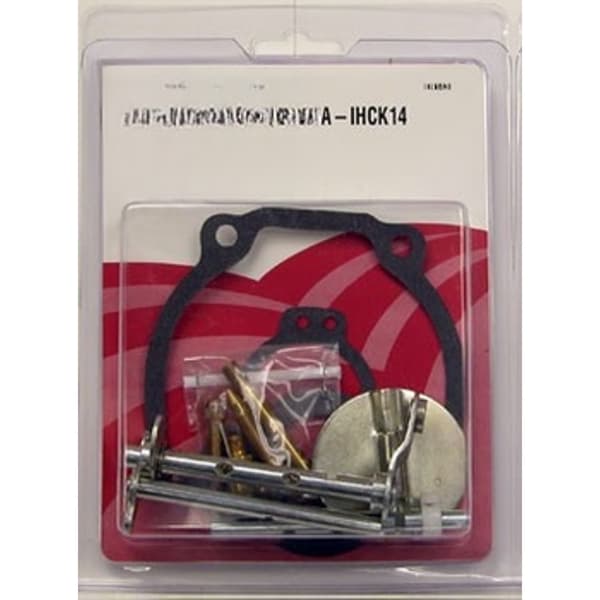
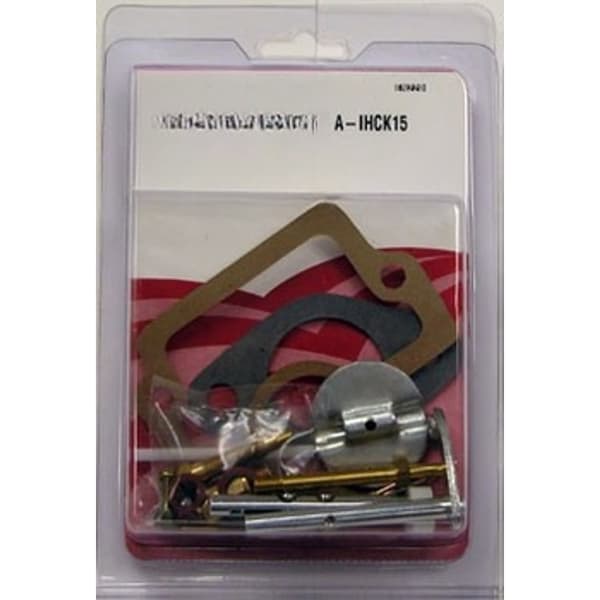
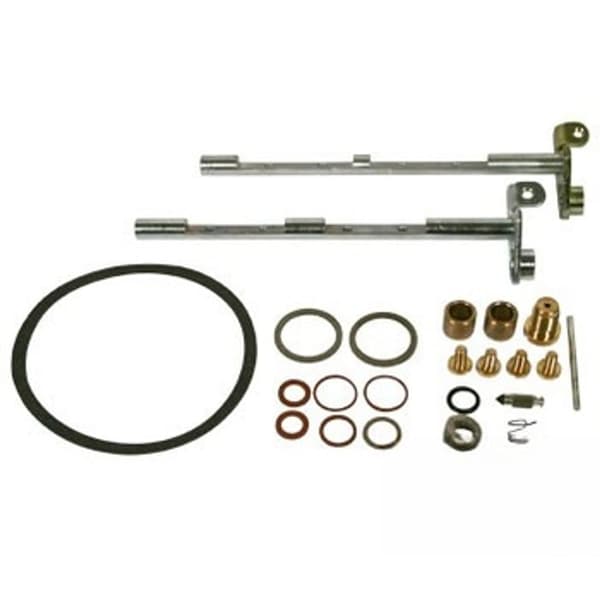
We stock a wide range of carburetor kits and parts for classic tractors. For example, if you need a new John Deere tractor carburetor, we have models available for various series, and we can help you find the correct Ford tractor carburetor for your 2N, 8N, or 9N. We also carry Massey Ferguson carburetors for TO20, TO30, 35, and 135 models and Farmall carburetors for H, M, Super A, Cub, and 300 Series tractors.
Fuel Injection Systems
Fuel injection systems offer more precise fuel metering and control compared to carburetors. They use electronic sensors and a control unit (ECU) to determine the optimal amount of fuel to inject into the engine's cylinders. There are two main types of fuel injection systems used in tractors:
- Mechanical Fuel Injection: Found on some older diesel tractors, these systems use mechanical pumps and injectors to deliver fuel.
- Electronic Fuel Injection (EFI): Modern tractors typically use EFI systems, which offer greater control and efficiency.
Key components of a fuel injection system include:
- Fuel Tank: Stores the fuel.
- Fuel Pump: Delivers fuel to the injectors under pressure.
- Fuel Filter: Removes contaminants from the fuel.
- Fuel Rail: Distributes fuel to the injectors.
- Fuel Injectors: Spray fuel into the intake manifold or directly into the cylinders.
- ECU (Electronic Control Unit): Controls the fuel injection system based on sensor inputs.
- Sensors: Provide information to the ECU, such as engine speed, load, and temperature.
Common problems with fuel injection systems include:
- Clogged Injectors: Deposits can build up in the injectors, restricting fuel flow.
- Fuel Pump Failure: The fuel pump may fail to deliver adequate fuel pressure.
- Sensor Malfunctions: Faulty sensors can provide incorrect data to the ECU.
- ECU Issues: The ECU itself may malfunction, causing various fuel injection problems.
Proper maintenance, including regular fuel filter replacements and the use of high-quality fuel, is crucial for preventing fuel injection system problems. See our guide to Tractor Diesel Injector: Nozzle Testing & Replacement for more detailed information on this critical component.
Fuel Pumps: The Heart of Fuel Delivery
The fuel pump is responsible for delivering fuel from the fuel tank to the carburetor or fuel injectors. There are two main types of fuel pumps used in tractors:
- Mechanical Fuel Pumps: These pumps are driven by the engine's camshaft and are commonly found on older tractors.
- Electric Fuel Pumps: These pumps are powered by the tractor's electrical system and are more common on modern tractors.
A failing fuel pump can cause a variety of problems, including:
- Engine Stalling: Insufficient fuel delivery can cause the engine to stall, especially under load.
- Poor Performance: A weak fuel pump can result in reduced power and fuel efficiency.
- Hard Starting: A failing fuel pump may make it difficult to start the engine.
When replacing a fuel pump, it's essential to choose a high-quality replacement that meets or exceeds the original equipment manufacturer (OEM) specifications. We offer a wide selection of fuel pumps, including John Deere fuel pumps and Ford tractor fuel pumps. Explore our Tractor Fuel Pump: Mechanical & Electric by Brand article for more in-depth information.
Safety Warning: When working on the fuel system, always disconnect the battery to prevent accidental sparks. Fuel is highly flammable, so work in a well-ventilated area and avoid open flames or sources of ignition.
Troubleshooting Tractor Fuel System Problems
Diagnosing fuel system problems can be challenging, but here are some common symptoms and potential causes:
| Symptom | Possible Causes |
|---|---|
| Engine won't start | Empty fuel tank, clogged fuel filter, faulty fuel pump, clogged carburetor jets, fuel injector issues, ignition system problems. |
| Engine stalls frequently | Clogged fuel filter, faulty fuel pump, carburetor problems, fuel injector issues, vacuum leaks. |
| Poor engine performance | Clogged fuel filter, weak fuel pump, carburetor problems, fuel injector issues, low fuel pressure. |
| Black smoke from exhaust | Rich air-fuel mixture (too much fuel), carburetor problems, fuel injector issues. |
| White or blue smoke from exhaust | Lean air-fuel mixture (not enough fuel), vacuum leaks, engine problems. |
Before replacing any parts, start with the simplest checks, such as verifying the fuel level, inspecting the fuel filter, and looking for obvious leaks. Use a fuel pressure gauge to check the fuel pump's output pressure. If you suspect carburetor problems, consider rebuilding the carburetor or replacing it with a new one. For fuel injection systems, consult a qualified mechanic or technician for proper diagnosis and repair.
Maintaining Your Tractor Fuel System
Regular maintenance is essential for keeping your tractor's fuel system in top condition. Here are some key maintenance tasks:
- Replace the Fuel Filter Regularly: A clean fuel filter prevents dirt and debris from clogging the fuel system. Replace the filter according to the manufacturer's recommendations, typically every 50 to 100 hours of operation.
- Use High-Quality Fuel: Avoid using old or contaminated fuel, as it can damage fuel system components. Use fuel with the correct octane rating for your engine. For diesel engines, use fuel with a cetane number of 40 or higher.
- Check for Leaks: Regularly inspect the fuel lines, fuel pump, carburetor, and fuel injectors for leaks. Repair any leaks promptly to prevent fuel loss and potential fire hazards.
- Clean the Fuel Tank: Over time, sediment can accumulate in the fuel tank. Periodically drain and clean the fuel tank to remove sediment and debris.
- Consider Fuel Additives: Fuel additives can help clean fuel injectors, stabilize fuel, and prevent corrosion. Use additives that are specifically designed for tractor fuel systems.
Finding the Right Tractor Fuel System Parts at Madison Tractor Company
At Madison Tractor Company, we are committed to providing you with the highest quality tractor fuel system parts at competitive prices. Whether you need a carburetor for your Ford 8N, a fuel pump for your John Deere tractor, or injectors for your Case IH combine, we have the parts you need to keep your equipment running smoothly.
We also carry a wide range of other tractor parts, including radiators, water pumps, starters, alternators, hydraulic pumps, cylinders, clutch kits, PTO parts, filters, gaskets, pistons, bearings, seals, belts, and chains.
Our knowledgeable team is here to help you find the right parts for your specific tractor model. Contact us today or browse our online catalog to find the parts you need to keep your tractor running at its best. Don't let a fuel system issue slow you down – shop Madison Tractor Company for all your tractor parts needs! You can also use our AI-Powered Part Finder to search for parts by your specific make and model.
Part of our comprehensive guide
Tractor Fuel System Guide: Carburetor, Injection & Fuel Pump Parts