








Mower Fuel Solenoid: Carburetor Shut-Off Solenoid
The mower fuel solenoid, also known as the carburetor shut-off solenoid, is a critical component in modern lawn mowers. This guide explains its function, common issues, and how to troubleshoot and replace it to keep your mower running smoothly.
Understanding the Mower Fuel Solenoid
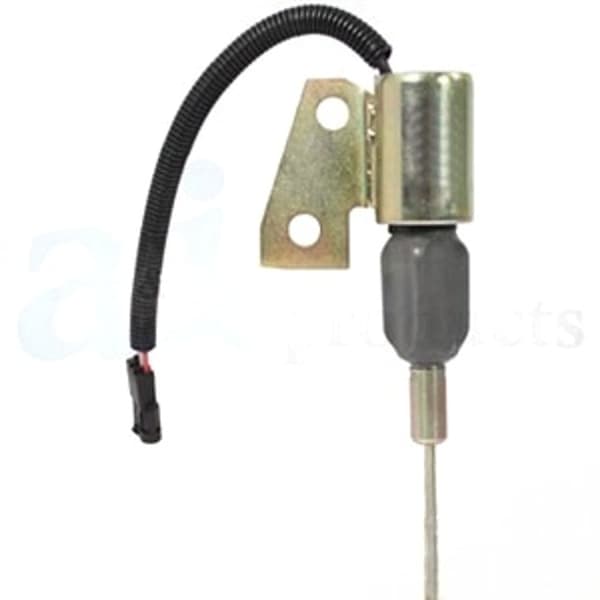
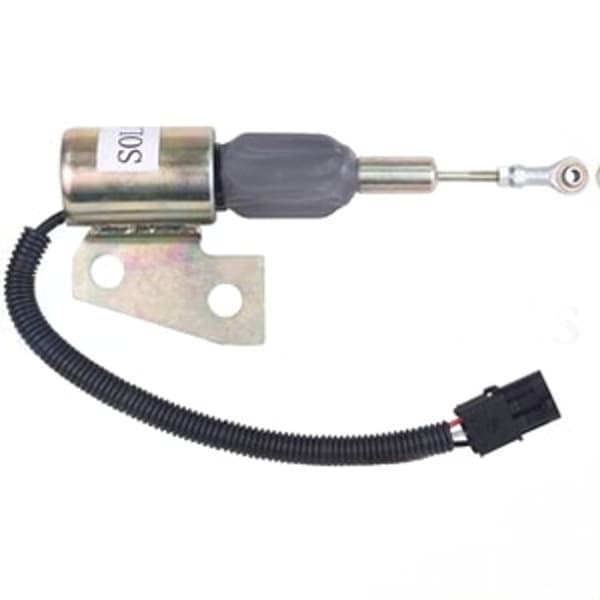
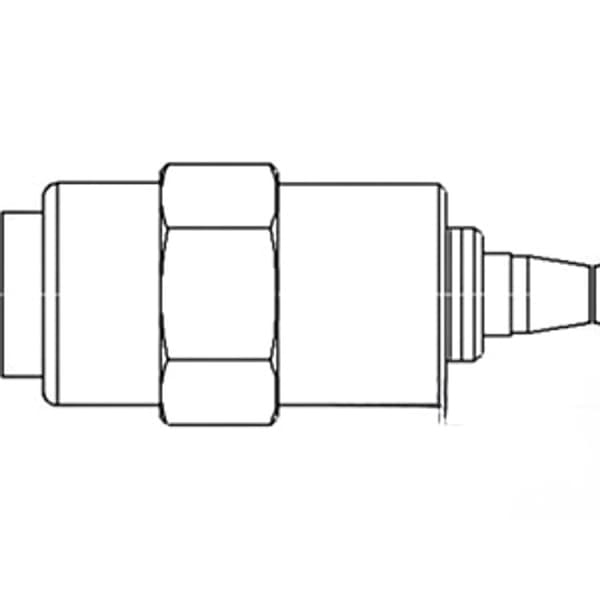
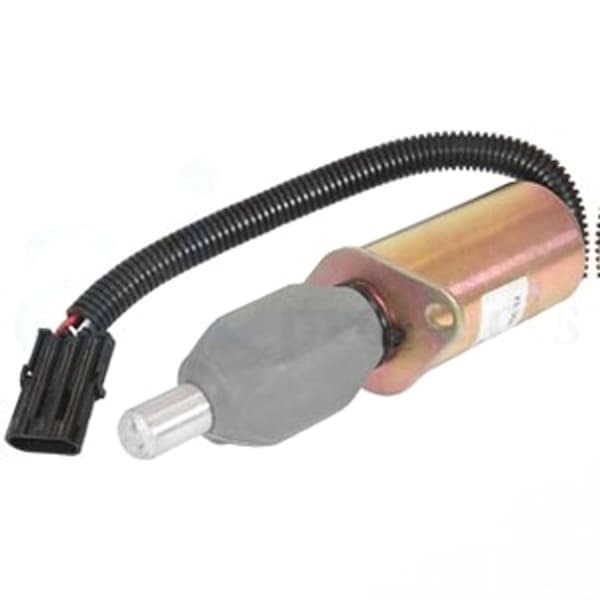
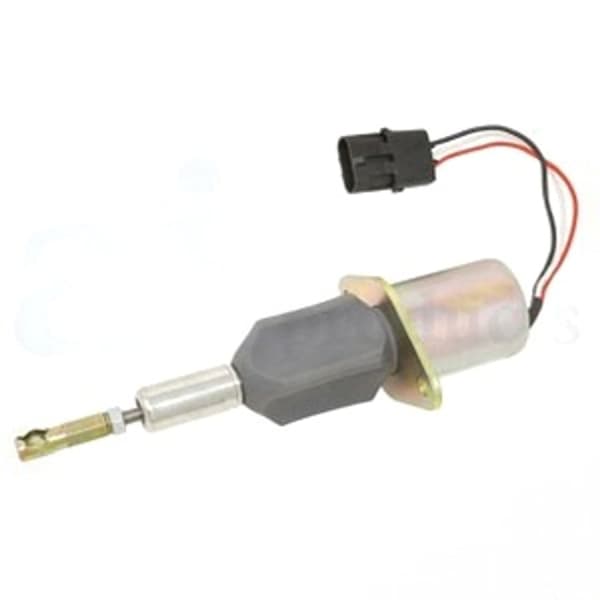
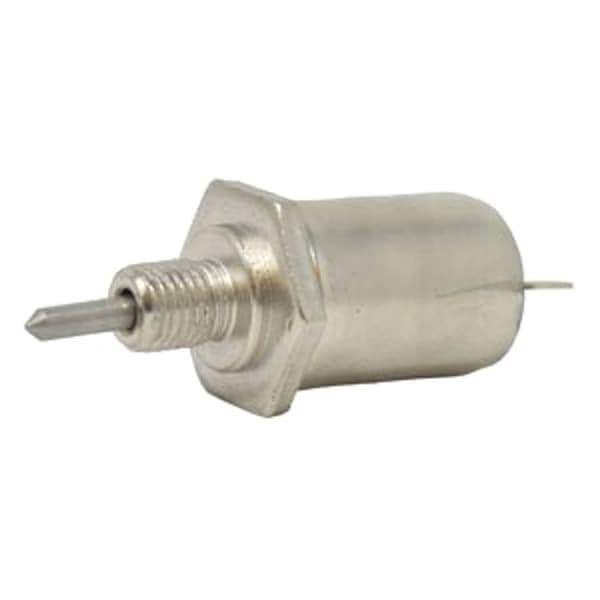
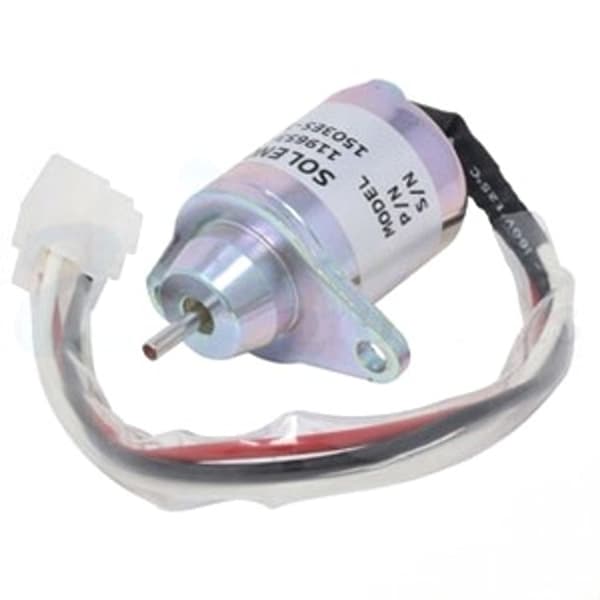
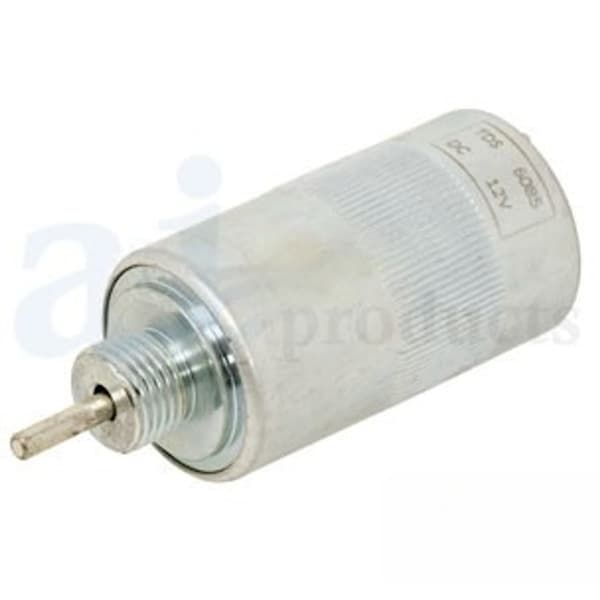
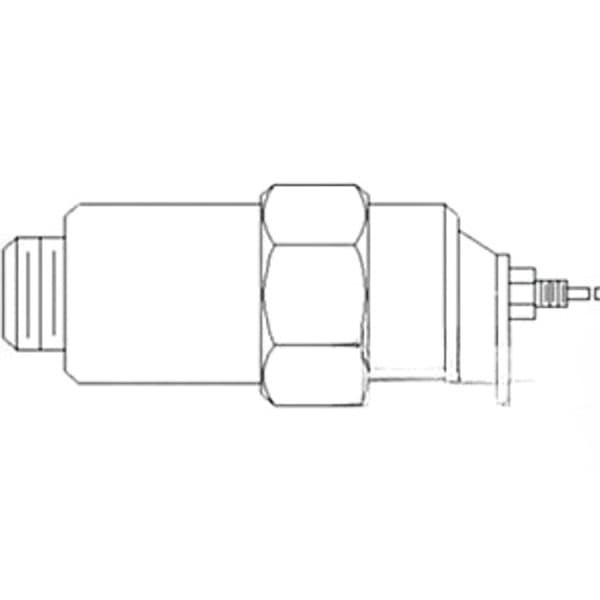
The mower fuel solenoid, often called a carburetor shut-off solenoid, is an electrically controlled valve that regulates fuel flow into your lawn mower's carburetor. It's a small but vital part of the fuel system, preventing fuel from entering the engine when the ignition is off. This prevents backfiring, keeps the engine from running on after being shut off (dieseling), and reduces the risk of fuel leaks and flooding.
Recommended Parts for This Guide
9 parts we recommend — in stock, ships fast, one-click add to cart.
🔍 Looking for a specific part? Try our AI Part Finder — tell it your equipment and what you need, and it will find matching parts instantly.
You'll typically find the fuel solenoid screwed into the bottom of the carburetor bowl. It receives power when the ignition is turned on, opening the valve and allowing fuel to flow. When the ignition is off, the solenoid de-energizes, closing the valve and stopping the fuel supply.
Many brands, including John Deere, Craftsman, Cub Cadet, Husqvarna, Toro, Ariens, Murray, Hustler, Scag, Exmark, Ferris, Snapper, Simplicity, and Dixie Chopper, use fuel solenoids in their mowers and other outdoor power equipment.
How the Fuel Solenoid Works
The fuel solenoid consists of a coil of wire wrapped around a plunger. When electricity flows through the coil, it creates a magnetic field that pulls the plunger upwards, opening the valve and allowing fuel to flow into the carburetor. When the electricity is cut off, a spring pushes the plunger back down, closing the valve and shutting off the fuel supply.
Common Problems with Fuel Solenoids
Fuel solenoids can fail for several reasons. Here are some of the most common:
- Electrical Failure: The coil inside the solenoid can burn out, preventing it from opening the fuel valve. This can be caused by voltage spikes, short circuits, or simply wear and tear.
- Contamination: Debris from the fuel tank, such as rust, sediment, or water, can clog the solenoid valve, preventing it from opening or closing properly.
- Mechanical Failure: The plunger or valve seat can become damaged or worn, causing the solenoid to leak or stick.
- Loose Connections: The electrical connection to the solenoid can become loose or corroded, preventing it from receiving power.
Symptoms of a Faulty Fuel Solenoid
A malfunctioning fuel solenoid can cause several issues with your mower's performance. Watch out for these symptoms:
- Engine Won't Start: If the solenoid isn't opening, no fuel will reach the carburetor, and the engine won't start.
- Engine Starts but Dies: The engine might start briefly but then stall because the solenoid isn't providing a continuous fuel supply.
- Engine Runs Rough: A partially blocked or intermittently functioning solenoid can cause the engine to run unevenly or misfire.
- Backfiring: If the solenoid fails to shut off completely when the engine is turned off, it can cause backfiring.
- Dieseling (Run-On): The engine continues to run for a few seconds after the ignition is turned off.
Diagnosing a Fuel Solenoid
Before replacing your fuel solenoid, it's essential to diagnose the problem correctly. Here's a step-by-step guide:
- Safety First! Disconnect the spark plug wire to prevent accidental starting.
- Visual Inspection: Check the solenoid for any visible damage, such as cracks or leaks. Also, inspect the electrical connector for corrosion or loose wires. You may need to replace the wiring harness if it is damaged.
- Check for Power: Use a multimeter to check if the solenoid is receiving power when the ignition is turned on. Set the multimeter to DC voltage and connect the probes to the solenoid's terminals. You should see a reading of around 12 volts. If there's no power, check the wiring, ignition switch, and fuses.
- Listen for the Click: With the ignition on, listen for a clicking sound from the solenoid. This indicates that the solenoid is receiving power and attempting to open. If you don't hear a click, the solenoid may be faulty.
- Manual Activation: Carefully remove the solenoid from the carburetor (ensure the fuel tank is off or fuel line is clamped shut to prevent fuel spillage). Connect the solenoid directly to a 12-volt battery. If the plunger retracts (opens), the solenoid itself is likely working, and the problem lies elsewhere in the mower's electrical system. If it doesn't retract, the solenoid is probably bad.
- Check for Blockages: Remove the solenoid and inspect it for any debris or blockages. Clean it with carburetor cleaner if necessary.
Replacing a Fuel Solenoid
Replacing a fuel solenoid is a straightforward process. Here's how to do it:
- Safety First! Disconnect the spark plug wire and fuel line. It's a good idea to use fuel line clamps to prevent fuel from spilling.
- Remove the Old Solenoid: Unscrew the old solenoid from the carburetor. Be careful not to damage the carburetor threads.
- Install the New Solenoid: Apply a small amount of thread sealant to the threads of the new solenoid. Screw the new solenoid into the carburetor, tightening it securely but not overtightening it.
- Reconnect the Electrical Connector: Reattach the electrical connector to the solenoid.
- Reconnect the Fuel Line: Reconnect the fuel line and remove the fuel line clamps.
- Test the Mower: Reconnect the spark plug wire and start the mower. Check for any fuel leaks and ensure the engine runs smoothly.
Preventative Maintenance
To prevent fuel solenoid problems, consider these maintenance tips:
- Use Fresh Fuel: Old fuel can contain contaminants that clog the solenoid.
- Use a Fuel Stabilizer: Add a fuel stabilizer to your fuel tank, especially when storing your mower for extended periods.
- Clean the Fuel Tank: Periodically clean the fuel tank to remove sediment and debris.
- Replace the Fuel Filter: A clean fuel filter will help prevent contaminants from reaching the solenoid and carburetor. Don't forget to replace your air filter, oil filter, and spark plugs as well!
Other Related Electrical Components
The fuel solenoid works in conjunction with other electrical components to keep your mower running. Be sure to check these parts if you are experiencing issues:
- Riding Mower Starter Motor: Replacement by Engine Brand
- Riding Mower Solenoid: Starter Solenoid by Brand
- Lawn Mower Ignition Coil: Briggs, Kohler & Kawasaki
- Riding Mower Ignition Switch: Key Switch by Brand
- Riding Mower Voltage Regulator: Replacement by Engine
- Riding Mower Battery: Size Chart & Group Numbers
- Lawn Mower Seat Safety Switch: Universal & Brand-Specific
- Mower Blade Engagement Switch (PTO Switch)
Shop for Mower Fuel Solenoids at Madison Tractor
Need a replacement fuel solenoid for your John Deere, Craftsman, Cub Cadet, Husqvarna, or other mower? Madison Tractor Company has a wide selection of high-quality fuel solenoids at competitive prices. We also carry a full range of other parts for your mower, including belts, blades, spindles, pulleys, filters, and more. Browse our online catalog today and get your mower running smoothly again! You can also use our AI-Powered Part Finder to search for parts by your specific make and model.
Part of our comprehensive guide
Mower Electrical Parts Guide: Starters, Solenoids, Switches & More