








Riding Mower Starter Motor: Replacement by Engine Brand
Is your riding mower struggling to start? A faulty starter motor could be the culprit. This guide helps you diagnose the problem and replace your starter, covering common engine brands and offering practical tips.
Is Your riding mower starter Giving You Trouble?
A reliable riding mower is essential for maintaining a well-groomed lawn. However, a common issue that homeowners face is a malfunctioning riding mower starter. The starter motor is responsible for cranking the engine, and when it fails, your mower won't start. This guide provides a breakdown of how to diagnose a faulty starter and how to replace it, focusing on different engine brands commonly found in mowers like John Deere, Craftsman, Cub Cadet, Husqvarna, Toro, Ariens, Murray, Hustler, Scag, Exmark, Ferris, Snapper, Simplicity, and Dixie Chopper.
Recommended Parts for This Guide
10 parts we recommend — in stock, ships fast, one-click add to cart.
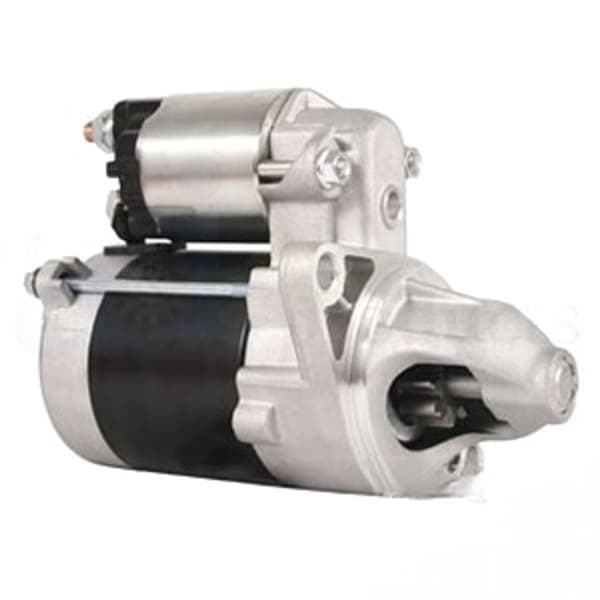
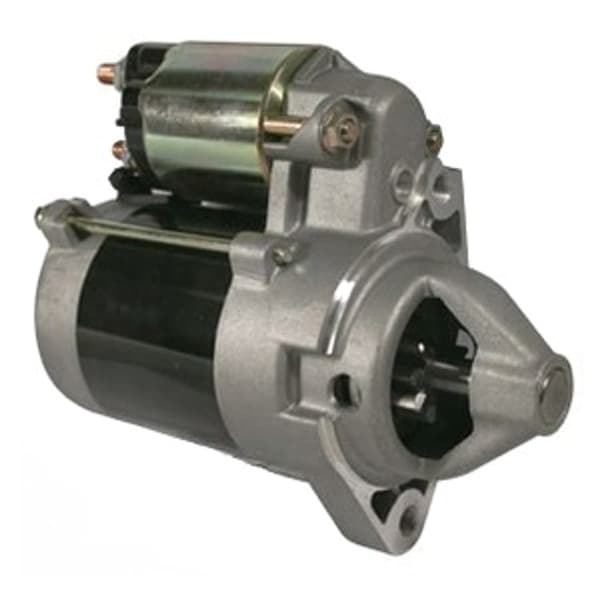
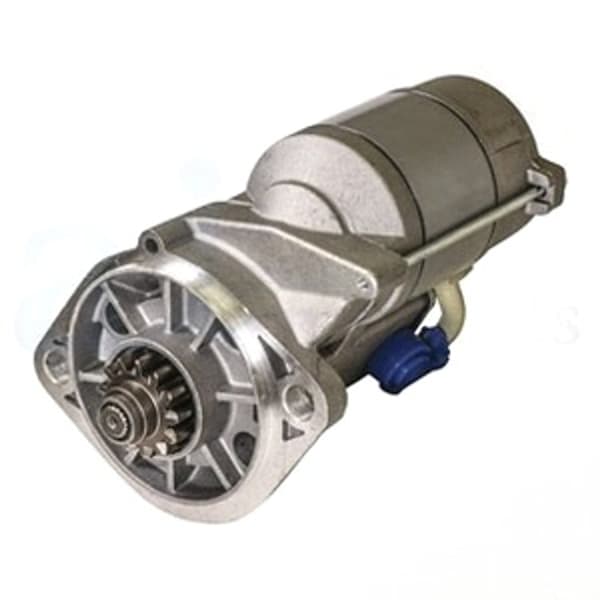
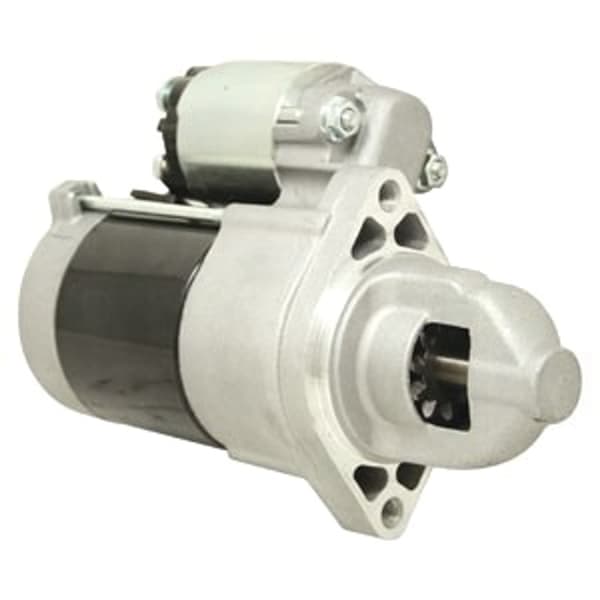
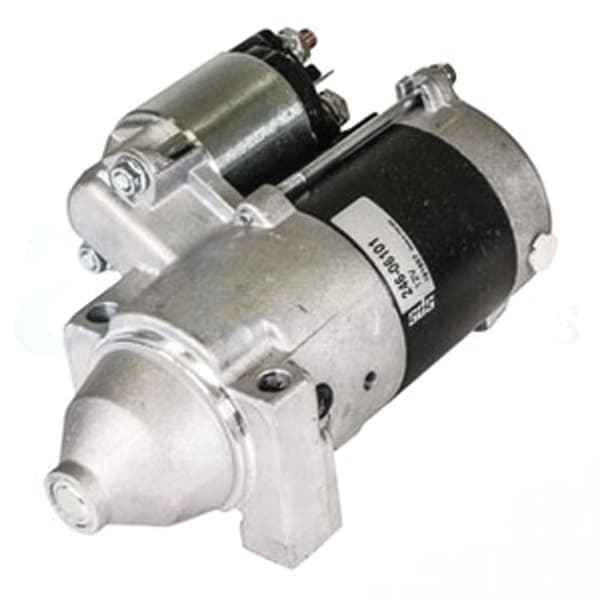
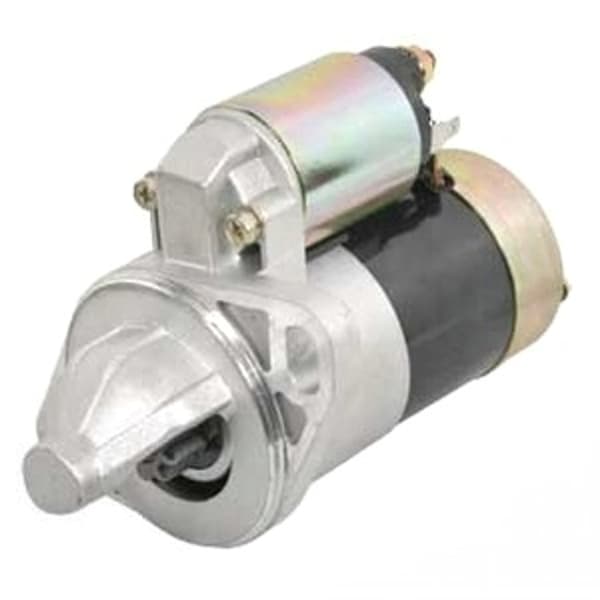
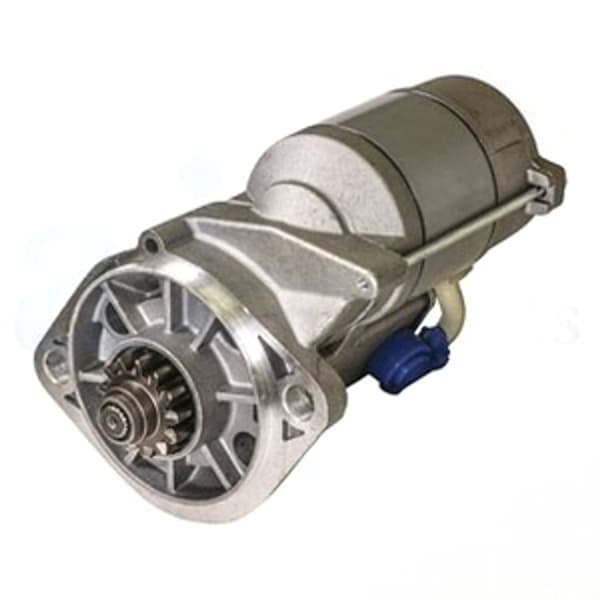
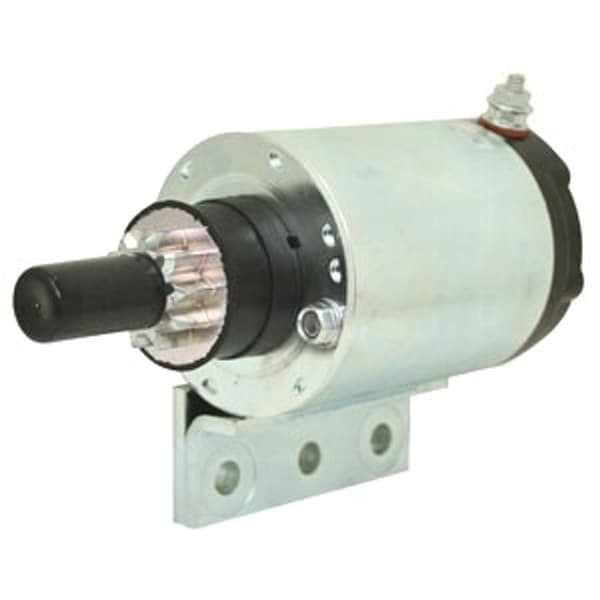
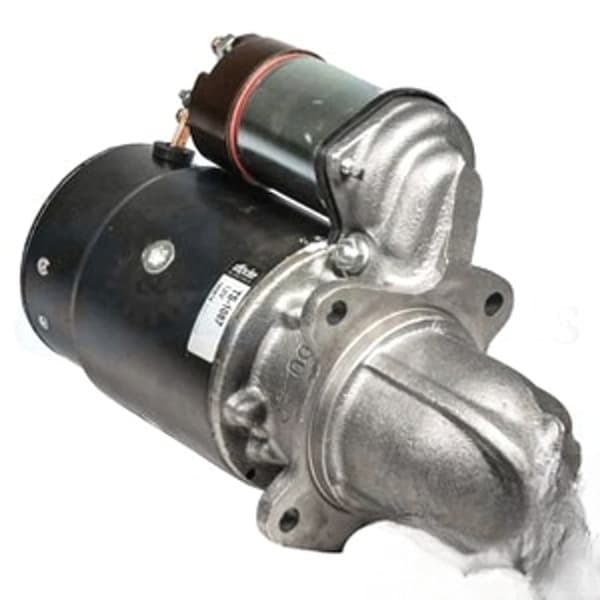
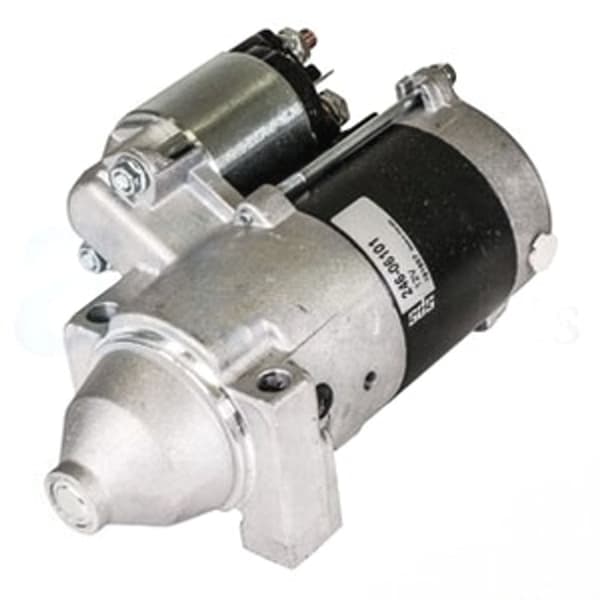
🔍 Looking for a specific part? Try our AI Part Finder — tell it your equipment and what you need, and it will find matching parts instantly.
Diagnosing a Faulty Riding Mower Starter Motor
Before replacing your riding mower starter, it’s crucial to accurately diagnose the problem. Here are some common symptoms of a failing starter motor:
- Clicking Sound: A single click or a series of clicks when you turn the key often indicates that the starter solenoid isn't properly engaging the starter motor. See our guide to riding mower solenoid issues for more help.
- No Sound at All: If you turn the key and nothing happens, it could be a dead battery, a faulty ignition switch, a broken wire, or a completely dead starter motor. Check your riding mower battery first!
- Slow or Grinding Sound: A slow or grinding sound suggests that the starter motor is struggling to turn the engine over. This could be due to worn-out starter gears or internal damage to the motor.
- Starter Spins But Doesn't Engage: If you hear the starter motor spinning but the engine doesn't crank, the starter's bendix drive might be broken or stuck.
Before assuming the starter is bad, rule out other common electrical issues. Check the riding mower ignition switch, battery connections, and the lawn mower seat safety switch. A multimeter can be helpful for testing voltage and continuity.
Safety First!
WARNING: Before working on any electrical components, disconnect the negative cable from the battery. This prevents accidental shocks and potential damage to the electrical system.
Replacing Your Riding Mower Starter Motor: A Step-by-Step Guide
Here’s a general guide to replacing a riding mower starter. Specific steps might vary depending on your mower model.
- Disconnect the Battery: As mentioned above, disconnect the negative terminal first, followed by the positive terminal.
- Locate the Starter Motor: The starter motor is typically mounted near the engine's flywheel. Refer to your mower's repair manual for the exact location.
- Disconnect Wiring: Carefully disconnect all wires connected to the starter motor. Take photos of the wiring before disconnecting them to ensure proper reassembly.
- Remove Mounting Bolts: Use a wrench or socket to remove the bolts securing the starter motor to the engine.
- Remove the Old Starter: Gently wiggle the starter motor to loosen it, then carefully remove it from the engine.
- Install the New Starter: Align the new starter motor with the mounting holes and secure it with the bolts. Tighten the bolts to the manufacturer's specified torque.
- Reconnect Wiring: Reconnect all the wires to the starter motor, ensuring they are securely attached. Use your photos as a reference.
- Reconnect the Battery: Reconnect the positive terminal first, followed by the negative terminal.
- Test the Starter: Turn the ignition key to start the engine. If the engine cranks and starts, you’ve successfully replaced the starter motor.
Riding Mower Starter Replacement by Engine Brand
While the general process is the same, there are some specific considerations for different engine brands:
Briggs & Stratton Starters
Briggs & Stratton engines are extremely common. When replacing a riding mower starter on a Briggs engine, pay close attention to the gear teeth on the starter's bendix drive. Ensure the replacement starter has the correct number of teeth to properly engage the flywheel. You can find replacement Briggs & Stratton starters here. It's also worth inspecting the lawn mower ignition coil while you're working on the engine, as a weak coil can sometimes mimic starter problems.
Kohler Starters
Kohler engines are known for their reliability, but starters can still fail. Before replacing the starter, check the riding mower voltage regulator, as a faulty regulator can damage the starter over time. Make sure to get the correct replacement Kohler starter based on your engine's model number.
Kawasaki Starters
Kawasaki engines, often found in high-end mowers, require precise starter motors. Check the voltage reaching the starter while cranking. If the voltage is low, investigate the wiring and battery before replacing the starter itself. Find genuine Kawasaki starters here.
Tecumseh Starters (Legacy)
While Tecumseh engines are no longer in production, many older mowers still use them. Finding a compatible riding mower starter might require cross-referencing part numbers. Be especially careful when disconnecting the wiring, as the insulation on older wires can be brittle. Madison Tractor may still stock some Tecumseh starters. Contact us for availability.
Other Brands
For engines from brands like Honda, Subaru, or others, always consult your mower's service manual to identify the correct replacement starter. Ensure the starter's specifications (voltage, gear teeth) match your engine's requirements. We can help you find the right starter for brands like John Deere, Craftsman, Cub Cadet, Husqvarna, Toro, Ariens, Murray, Hustler, Scag, Exmark, Ferris, Snapper, Simplicity, and Dixie Chopper, but having the engine model number is crucial for accurate part identification.
Beyond the Starter: Maintaining Your Mower
While you're working on your mower, consider other maintenance tasks. Replacing belts, blades, spindles, pulleys, filters, and spark plugs can improve your mower's performance and extend its lifespan. Don't forget to check the condition of your shear pins on snow blowers or the bearings in your mower deck. Regular maintenance can prevent future breakdowns and save you money in the long run.
Finding the Right Starter Motor
To find the correct riding mower starter for your machine, you'll need to know the engine's make, model, and specification (spec) number. This information is usually found on a sticker or plate on the engine itself. Having this information readily available will make it much easier to find the correct replacement part.
Shop Riding Mower Starter Motors at Madison Tractor Company
At Madison Tractor Company, we offer a wide selection of high-quality riding mower starter motors for various engine brands and models. Our knowledgeable team is here to help you find the right part for your machine. Browse our online catalog or contact us today for assistance. We also carry a full range of other parts, including belts, blades, spindles, pulleys, filters, and spark plugs to keep your mower running smoothly. Shop our riding mower starters today! You can also use our AI-Powered Part Finder to search for parts by your specific make and model.
Part of our comprehensive guide
Mower Electrical Parts Guide: Starters, Solenoids, Switches & More