








Mower Kill Switch: Engine Shut-Off Switch Replacement
The mower kill switch is a crucial safety component. This guide helps you diagnose a faulty kill switch, understand its function, and replace it, ensuring your lawn mower operates safely and reliably.
What is a Mower Kill Switch and Why is it Important?
The mower kill switch, also known as a safety switch or interlock switch, is a vital safety component on your lawn mower. It's designed to immediately shut off the engine if a potentially dangerous situation arises. These switches are strategically placed to detect if the operator is in the proper position (e.g., on the seat of a riding mower), if the blades are engaged safely, or if the parking brake is set correctly. A properly functioning kill switch prevents the engine from running when it shouldn't, protecting you from accidents and potential injuries.
Recommended Parts for This Guide
5 parts we recommend — in stock, ships fast, one-click add to cart.
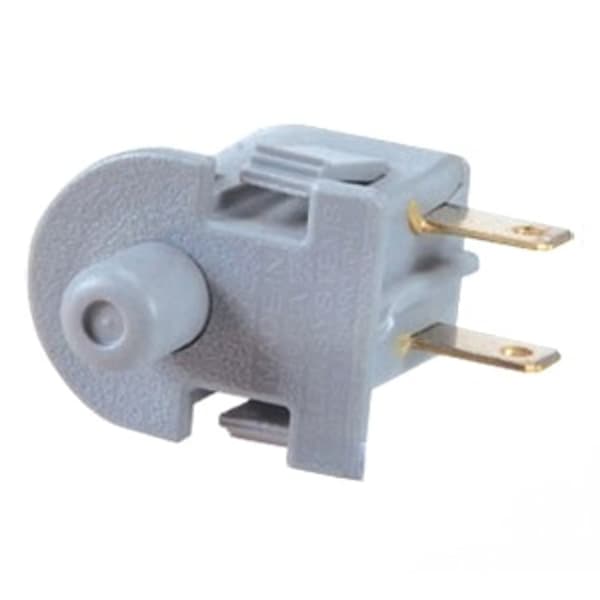
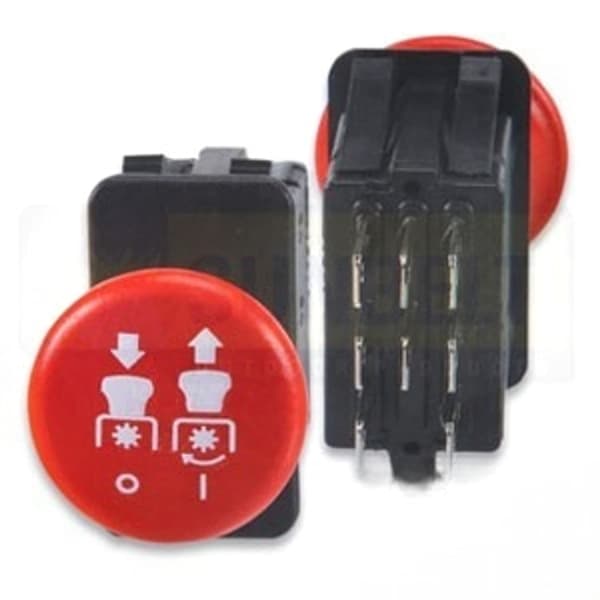
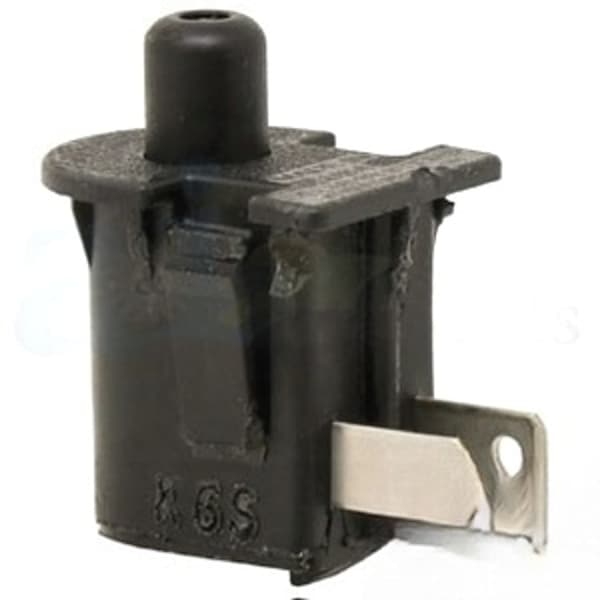
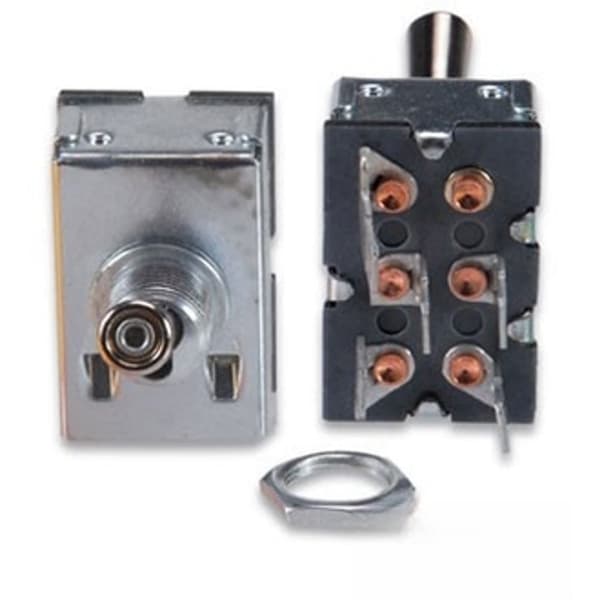
🔍 Looking for a specific part? Try our AI Part Finder — tell it your equipment and what you need, and it will find matching parts instantly.
Think of it like this: imagine falling off your John Deere riding mower while the blades are engaged. The seat safety switch, a type of mower kill switch, should detect your absence and immediately stop the engine, preventing the mower from continuing to run unmanned. Similarly, if you try to start a Craftsman mower with the blade engagement lever (PTO switch) engaged, the kill switch will prevent it from starting. You can find a variety of lawn mower seat safety switches on our website.
Common types of kill switches include:
- Seat Switch: Located in the seat, detects the presence of the operator.
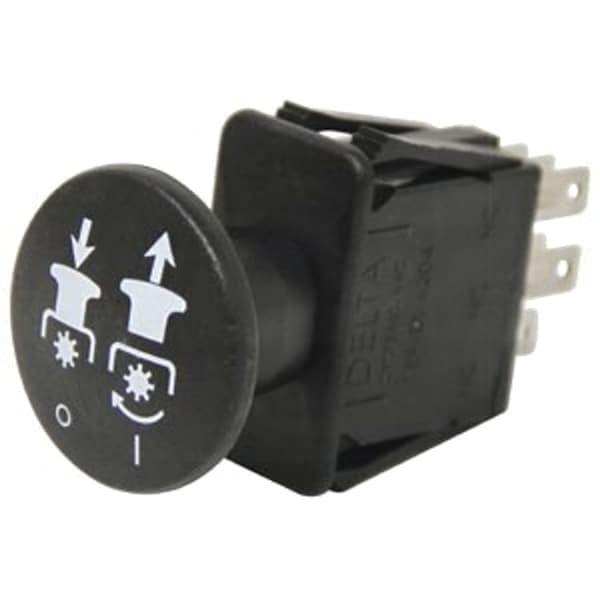
- Blade Engagement (PTO) Switch: Detects if the mower blades are engaged or disengaged. We also offer the B1SB7675 PTO Switch. You can learn more about these in our article, Mower Blade Engagement Switch (PTO Switch).
- Brake Switch: Detects if the parking brake is engaged or disengaged.
- Operator Presence Control (OPC) Switch: Found on some walk-behind mowers, this switch is usually located on the handle and must be held down to keep the engine running.
Diagnosing a Faulty Mower Kill Switch
A malfunctioning mower kill switch can manifest in several ways:
- Engine won't start: Even when all other conditions are met (full tank of gas, charged battery, etc.), the engine refuses to crank. This might also point to a failing riding mower solenoid or riding mower starter, so further diagnosis is key.
- Engine stalls intermittently: The engine starts and runs for a while, then randomly shuts off. This can be particularly frustrating and dangerous.
- Engine runs with safety mechanisms bypassed: For example, the engine runs even when you're not sitting on the seat of a riding mower, or when the PTO is engaged. This is a serious safety hazard and needs immediate attention.
Here's a step-by-step troubleshooting process:
- Visual Inspection: Check all kill switches for obvious damage, loose connections, or corrosion. Look for broken wires or cracked housings.
- Continuity Testing: Use a multimeter to test the continuity of each switch. With the switch in the correct position (e.g., seat switch depressed), the multimeter should show continuity (a closed circuit). When the switch is activated (e.g., seat switch released), it should show no continuity (an open circuit).
- Wiring Inspection: Carefully inspect the wiring harness connected to each kill switch. Look for frayed wires, loose connections, or damage from rodents. Sometimes a simple wire repair can solve the problem.
- Connector Check: Ensure the connectors are clean and properly seated. Corrosion can prevent a good connection. Use electrical contact cleaner to clean the connectors.
- Bypass Testing (Use with Extreme Caution): As a diagnostic step only, you can carefully bypass a kill switch to see if the engine starts. **Important: This should only be done for testing purposes and never as a permanent solution. Bypassing a safety switch eliminates a critical safety feature.** To bypass, disconnect the wires from the switch and connect them directly to each other. If the engine starts, the switch is likely faulty.
Safety Warning: Always disconnect the spark plug wire before working on any electrical components of your mower. This prevents accidental starting and potential injury.
Replacing the Mower Kill Switch
Once you've identified a faulty kill switch, replacing it is usually a straightforward process. Here's a general guide:
- Gather Your Tools: You'll need a socket set, screwdrivers (Phillips and flathead), wire stripper/crimper, electrical tape, and the replacement kill switch. Make sure you have the correct switch for your mower model. We carry kill switches for a wide range of brands including Husqvarna, Toro, Cub Cadet, Ariens, Murray, Hustler, Scag, Exmark, Ferris, Snapper, Simplicity, and Dixie Chopper mowers.
- Disconnect the Spark Plug Wire: This is crucial for safety.
- Locate the Faulty Switch: Follow the wires from the switch to identify its location.
- Disconnect the Wiring: Carefully disconnect the wires from the switch. Note the position of each wire, or take a picture for reference.
- Remove the Old Switch: Depending on the switch type, it may be held in place by screws, clips, or a mounting bracket. Remove the fasteners and carefully remove the old switch.
- Install the New Switch: Install the new switch in the same location and secure it with the fasteners.
- Reconnect the Wiring: Reconnect the wires to the new switch, matching the original configuration. If the connectors are corroded, consider replacing them with new ones. Crimp connectors and a crimping tool can be found at most hardware stores.
- Test the Switch: Before reassembling the mower, test the new switch with a multimeter to ensure it's functioning correctly.
- Reassemble the Mower: Reassemble any parts you removed to access the switch.
- Reconnect the Spark Plug Wire: Reconnect the spark plug wire.
- Test the Mower: Start the mower and test all safety features to ensure the kill switch is working properly.
Preventative Maintenance for Mower Kill Switches
Regular maintenance can help prevent kill switch failures:
- Cleanliness: Keep the switches and surrounding area clean and free of debris. Dirt and moisture can cause corrosion and malfunction.
- Lubrication: Apply a small amount of dielectric grease to the switch contacts to prevent corrosion and ensure a good connection.
- Wiring Inspection: Periodically inspect the wiring for damage. Repair any frayed or damaged wires immediately.
- Proper Storage: Store your mower in a dry place to prevent corrosion.
Other Electrical Components and Maintenance
Don't forget to regularly inspect and maintain other electrical components on your mower, such as the lawn mower ignition coil, the riding mower ignition switch, and the riding mower voltage regulator. Replacing your spark plugs regularly and using fresh fuel are also essential for reliable starting and running.
And while you're at it, consider the other wear items on your mower. Belts, blades, spindles, pulleys, filters, and bearings all contribute to the performance of your machine. On equipment like snow blowers, consider replacing shear pins at the start of each season.
Shop Mower Kill Switches and More at Madison Tractor
At Madison Tractor Company, we understand the importance of keeping your outdoor power equipment running smoothly and safely. We offer a wide selection of high-quality mower kill switches and other electrical components for all major brands. Our knowledgeable team is here to help you find the right parts for your mower and answer any questions you may have. Browse our extensive online catalog and experience the Madison Tractor difference today! You can also use our AI-Powered Part Finder to search for parts by your specific make and model.
Part of our comprehensive guide
Mower Electrical Parts Guide: Starters, Solenoids, Switches & More