








Briggs & Stratton Voltage Regulator: Part Numbers
The Briggs & Stratton voltage regulator is a critical component for charging your battery and ensuring proper electrical function. This guide helps you identify the correct replacement part and understand its role.
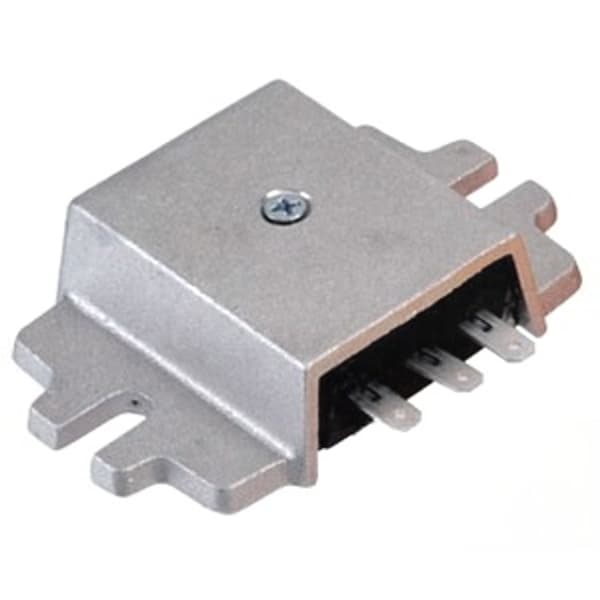
The voltage regulator on your Briggs & Stratton engine is a small but vital component. It ensures that the battery receives a steady charge, preventing overcharging and keeping your lawn mower, snow blower, or other equipment running smoothly. A faulty briggs voltage regulator can lead to a dead battery, dim headlights, or even damage to other electrical components.
Recommended Parts for This Guide
1 part we recommend — in stock, ships fast, one-click add to cart.
🔍 Looking for a specific part? Try our AI Part Finder — tell it your equipment and what you need, and it will find matching parts instantly.
Understanding the Briggs & Stratton Voltage Regulator
The primary function of a voltage regulator is to maintain a consistent voltage output from the engine's alternator or stator. This protects the battery from overcharging and provides the necessary power for other electrical systems like lights and safety switches. Without a functioning regulator, the battery could be damaged by excessive voltage, significantly shortening its lifespan. A healthy charging system is essential; you might also want to review information about your riding mower battery while you're at it.
Briggs & Stratton voltage regulators come in various configurations, primarily differing in the number of wires (terminals) and their current rating (amperage). Common configurations include 2-wire, 3-wire, and 5-wire regulators. The number of wires corresponds to the specific electrical system design of the engine.
Identifying the Correct Voltage Regulator
Finding the right replacement regulator is crucial. Here’s how to ensure you get the correct part:
1. Locate the Engine Model Number
The most accurate way to find the correct briggs voltage regulator is by using your engine's model number. This number is typically stamped on the engine itself, often on the valve cover, blower housing, or near the spark plug. The model number usually consists of a series of digits followed by a type and code number. Be sure to record all three parts of this number; it's essential for accurate parts lookup. We carry many Briggs & Stratton engines if replacement is needed.
2. Use a Parts Lookup Tool
Once you have the engine model number, use a parts lookup tool on the Madison Tractor Company website. Enter the full model number, type, and code to find a detailed parts diagram. The diagram will show the exact briggs voltage regulator used on your engine. This will help you identify the correct replacement part number. Our parts lookup tools can help you find other maintenance items as well, such as belts, blades, spindles, pulleys, filters, spark plugs and more.
3. Visual Inspection and Wiring Configuration
Compare the old voltage regulator with the new one, paying close attention to the number of wires and their arrangement. Ensure that the connector is the same. A visual match is a good indicator that you have the correct part. Check the wiring harness for any damage and consider replacing your riding mower ignition switch if needed.
4. Checking the Regulator's Amperage
The amperage rating of the voltage regulator is important. Replacing a regulator with one that has a lower amperage rating can lead to premature failure. Typically, the amperage rating is printed on the regulator itself. If you can't find it, use the engine model number to find the correct amperage for your engine.
Common Briggs & Stratton Voltage Regulator Part Numbers
While it's always best to use your engine model number for the most accurate lookup, here are some common Briggs & Stratton voltage regulator part numbers. Keep in mind that these numbers may have been superseded by newer part numbers, so always double-check with your specific engine model.
- 691188: This is a common voltage regulator used on many Briggs & Stratton engines, especially those found on lawn mowers and some smaller tractors.
- 793360: Another widely used voltage regulator, often found on engines powering riding mowers and garden tractors.
- 691185: Frequently found on various Briggs & Stratton engine models.
- 799728: A common replacement part for many different engine types.
Remember that these are just a few examples. Always verify the correct part number using your engine's model number on the Madison Tractor Company website or by consulting a Briggs & Stratton parts manual.
Testing Your Voltage Regulator
Before replacing the briggs voltage regulator, it's a good idea to test it to make sure it's actually the problem. Here's a simple test you can perform with a multimeter:
- Safety First: Disconnect the negative cable from your riding mower battery before starting any electrical work.
- Check Battery Voltage: Use a multimeter to measure the battery voltage with the engine off. It should be around 12.6 volts for a fully charged battery.
- Start the Engine: Start the engine and let it run at a moderate speed.
- Measure Voltage at Battery: With the engine running, measure the voltage at the battery terminals again. A functioning voltage regulator should show a voltage between 13.5 and 14.5 volts.
- Interpreting Results:
If the test indicates a faulty voltage regulator, replace it with a new one. A faulty voltage regulator can cause problems with your riding mower starter as well if the battery is not properly charged.
Replacing the Voltage Regulator
Replacing the briggs voltage regulator is a straightforward process. Here's a general guide:
- Disconnect the Battery: Always disconnect the negative battery cable before working on any electrical components.
- Locate the Regulator: The voltage regulator is typically mounted near the engine's flywheel or on the engine shroud.
- Disconnect the Wires: Carefully disconnect the wires from the old regulator. Take a picture or make a diagram of the wiring configuration to ensure you reconnect them correctly.
- Remove the Old Regulator: Remove the screws or bolts holding the old regulator in place.
- Install the New Regulator: Mount the new regulator in the same location.
- Reconnect the Wires: Reconnect the wires according to your diagram or photo.
- Reconnect the Battery: Reconnect the negative battery cable.
- Test the System: Start the engine and use a multimeter to verify that the charging system is working correctly (between 13.5 and 14.5 volts at the battery).
Safety Warning: Always wear safety glasses when working on your equipment. Work in a well-ventilated area, and avoid working with flammable materials nearby.
Brands We Support
Madison Tractor Company carries voltage regulators and other parts for a wide range of brands, including:
- John Deere
- Craftsman
- Cub Cadet
- Husqvarna
- Toro
- Ariens
- Murray
- Hustler
- Scag
- Exmark
- Ferris
- Snapper
- Simplicity
- Dixie Chopper
Whether you need a riding mower solenoid, a new lawn mower ignition coil, or a lawn mower seat safety switch, Madison Tractor Company is your one-stop shop!
Shop Briggs & Stratton Voltage Regulators at Madison Tractor Company
Finding the correct briggs voltage regulator doesn't have to be a hassle. With the right information and a reliable parts supplier like Madison Tractor Company, you can easily find the replacement part you need. Use our parts lookup tool with your engine's model number to find the perfect match. We offer a wide selection of Briggs & Stratton parts, fast shipping, and expert customer service. Get your equipment back up and running quickly and efficiently. Visit our Briggs & Stratton parts section today!
🔍 Can't Find Your Part?
Use our AI-Powered Part Finder to search by your equipment's make, model, and what you need. It's the fastest way to find the exact part for your machine.
Try the Part Finder →Part of our comprehensive guide
Mower Electrical Parts Guide: Starters, Solenoids, Switches & More