








Lawn Mower Ignition Coil: Briggs, Kohler & Kawasaki
A faulty lawn mower ignition coil can prevent your engine from starting. This guide covers common symptoms, testing procedures, and replacement tips for Briggs & Stratton, Kohler, and Kawasaki engines. Get your mower running again!
The ignition coil is a critical component in your lawn mower's engine, responsible for providing the high-voltage spark needed to ignite the air-fuel mixture and get things running. When it fails, you're left with a mower that won't start or runs poorly. This guide will walk you through understanding, troubleshooting, and replacing your lawn mower ignition coil. Whether you have a John Deere, Craftsman, Cub Cadet, Husqvarna, Toro, Ariens, Murray, Hustler, Scag, Exmark, Ferris, Snapper, Simplicity, or Dixie Chopper, the principles are the same.
Recommended Parts for This Guide
1 part we recommend — in stock, ships fast, one-click add to cart.
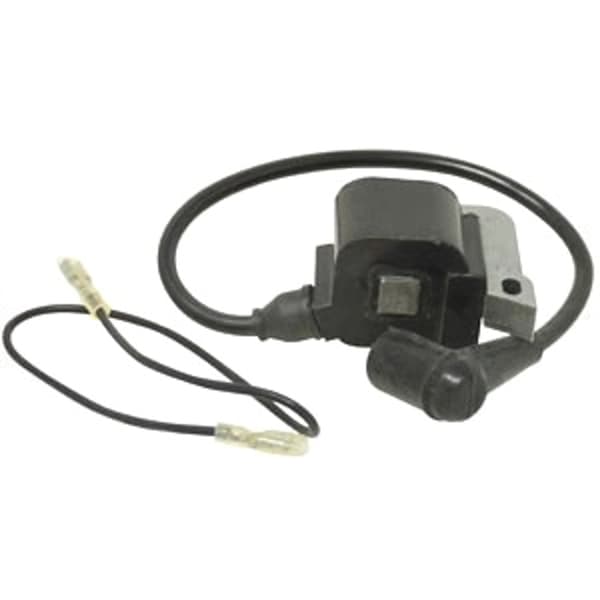
🔍 Looking for a specific part? Try our AI Part Finder — tell it your equipment and what you need, and it will find matching parts instantly.
Understanding Lawn Mower Ignition Coils
The ignition coil is essentially a transformer that takes the low voltage from the battery (or the magneto system on older mowers without batteries) and amplifies it to thousands of volts. This high voltage is then sent to the spark plug, creating the spark that ignites the fuel in the cylinder.
There are generally two types of ignition systems found on lawn mowers:
- Magneto Ignition: Found on many small engines, especially older models and walk-behind mowers. These systems use magnets on the flywheel to generate electricity as the engine turns. The magneto coil then transforms this electricity into the high voltage needed for ignition. No battery is needed.
- Battery Ignition: Common on riding mowers and some newer walk-behind models. These systems rely on the battery to provide the initial power. The coil still performs the function of increasing voltage.
Regardless of the type, all coils perform the same essential function. A faulty coil means no spark, and no spark means a dead engine. Like spark plugs, spark plugs should be checked regularly.
Common Symptoms of a Failing Lawn Mower Ignition Coil
Recognizing the symptoms of a failing ignition coil can save you time and money in the long run. Here's what to look for:
- No Start: This is the most common symptom. The engine simply won't start, even if the starter motor is turning the engine over.
- Intermittent Starting: The engine might start sometimes, but not others. This can be due to a coil that is failing intermittently as it heats up or vibrates.
- Rough Running: The engine may start, but it runs rough, sputters, or lacks power. This can be caused by a weak spark or inconsistent ignition.
- Backfiring: A failing coil can cause misfires, which can lead to backfiring.
- Engine Stalling: The engine might start and run for a while, but then stall unexpectedly.
Testing Your Lawn Mower Ignition Coil
Before replacing the ignition coil, it's essential to confirm that it's actually the problem. Here's how to test it:
- Visual Inspection: Look for any visible signs of damage to the coil, such as cracks, melted plastic, or corrosion. Also, check the wiring and connections for any loose or damaged wires.
- Spark Test: This is the most common way to check for spark.
- Remove the spark plug from the engine.
- Reattach the spark plug wire to the spark plug.
- Ground the spark plug against the engine block (make sure the metal part of the spark plug is touching the metal of the engine).
- Crank the engine (either by pulling the starter cord or turning the key).
- Look for a strong, blue spark at the spark plug gap. A weak, yellow spark, or no spark at all, indicates a problem.
- Air Gap Test: The air gap is the distance between the coil and the flywheel. It must be set correctly for the coil to function properly. Refer to your engine's service manual for the correct air gap specification. Typically, this is around 0.010" to 0.015". Use a business card or a feeler gauge to set the air gap.
- Multimeter Test: Using a multimeter, you can check the primary and secondary resistance of the coil. Consult your engine's service manual for the correct resistance values. An out-of-spec reading indicates a faulty coil.
Safety Warning: When performing a spark test, be careful to avoid getting shocked. Use insulated pliers to hold the spark plug and avoid touching the metal parts while the engine is cranking.
Replacing Your Lawn Mower Ignition Coil
If your testing confirms that the ignition coil is faulty, here's how to replace it:
- Disconnect the Spark Plug Wire: Remove the spark plug wire from the spark plug.
- Remove the Engine Cover: You'll need to remove the engine cover to access the ignition coil.
- Disconnect the Wiring: Disconnect any wires connected to the ignition coil. Make a note of how they are connected so you can reconnect them correctly later.
- Remove the Old Coil: Remove the bolts or screws that hold the ignition coil in place and remove the old coil.
- Install the New Coil: Install the new ignition coil in the same location as the old one. Tighten the bolts or screws securely.
- Set the Air Gap: This is crucial for proper coil function. Use a feeler gauge or a business card to set the air gap between the coil and the flywheel. Refer to your engine's service manual for the correct specification.
- Reconnect the Wiring: Reconnect the wires to the ignition coil, making sure they are connected correctly.
- Reinstall the Engine Cover: Reinstall the engine cover.
- Reconnect the Spark Plug Wire: Reconnect the spark plug wire to the spark plug.
- Test the Engine: Start the engine and make sure it runs smoothly.
Important: Always consult your engine's service manual for specific instructions and torque specifications. Different engines may have slightly different procedures.
Ignition Coil Brands and Models
Madison Tractor Company carries a wide variety of ignition coils for different engine brands, including:
- Briggs & Stratton: One of the most common engine brands on lawn mowers. We stock replacement coils for various Briggs & Stratton engines found on Craftsman, Murray, and other brands.
- Kohler: Another popular engine brand known for its reliability. We carry Kohler ignition coils for John Deere, Cub Cadet, and other mowers.
- Kawasaki: Often found on high-end mowers like Hustler, Scag, and Exmark. We offer replacement Kawasaki ignition coils to keep your commercial mower running smoothly.
When selecting a new lawn mower ignition coil, make sure to choose the correct part number for your specific engine model. You can usually find the engine model number on a sticker or plate on the engine. Use our website's parts lookup tool to find the correct coil for your mower. It is equally important to maintain all components related to the engine such as belts, blades, spindles, pulleys, and filters.
Don't Forget the Other Electrical Components!
While replacing your ignition coil, it's a good idea to inspect other electrical components as well. A weak starter motor, a faulty starter solenoid, or a worn-out ignition switch can also cause starting problems. Check your voltage regulator to ensure proper charging of your battery. Also, inspect the seat safety switch, PTO switch, and key switch for proper operation. Remember that all of these parts work together to keep your machine up and running smoothly.
Shop Lawn Mower Parts at Madison Tractor
Madison Tractor Company is your one-stop shop for all your lawn mower parts needs. We offer a wide selection of high-quality ignition coils, spark plugs, and other electrical components for all major brands, including John Deere, Craftsman, Cub Cadet, Husqvarna, Toro, Ariens, Murray, Hustler, Scag, Exmark, Ferris, Snapper, Simplicity, and Dixie Chopper. Plus, we carry essential maintenance parts such as blades, belts, filters, and bearings. Shop with us today and get your mower running like new again! You can also use our AI-Powered Part Finder to search for parts by your specific make and model.
Part of our comprehensive guide
Mower Electrical Parts Guide: Starters, Solenoids, Switches & More