








Riding Mower Voltage Regulator: Replacement by Engine
A faulty voltage regulator can leave you stranded with a dead battery. This guide helps you diagnose the problem and find the right replacement riding mower voltage regulator for your engine, ensuring your mower stays charged and ready to go.
A healthy charging system is critical for your riding mower. The voltage regulator plays a vital role, ensuring your battery receives the correct voltage from the engine's alternator. When it fails, you might experience a dead battery, dim lights, or even damage to other electrical components. This guide will help you understand the riding mower voltage regulator, diagnose potential issues, and find the correct replacement based on your engine type.
Recommended Parts for This Guide
9 parts we recommend — in stock, ships fast, one-click add to cart.
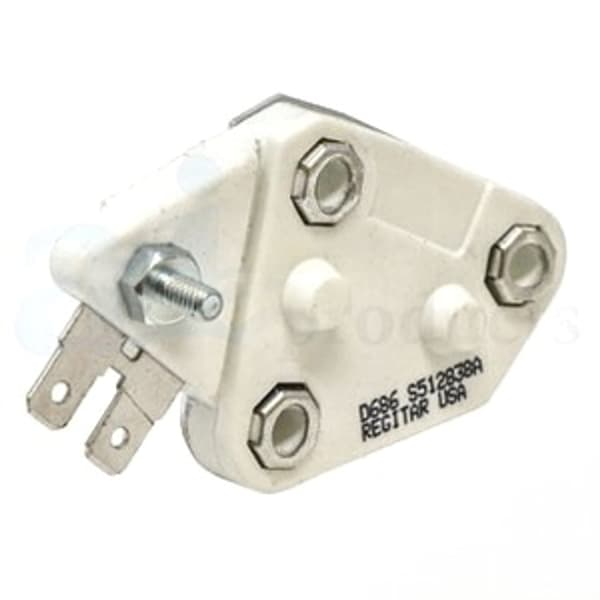
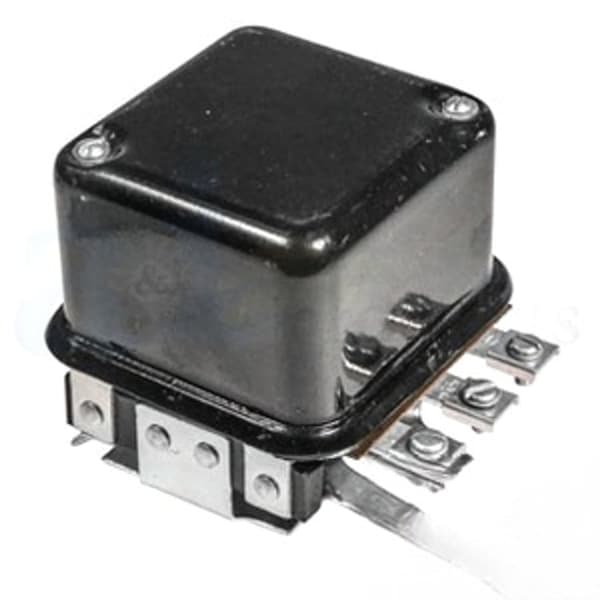
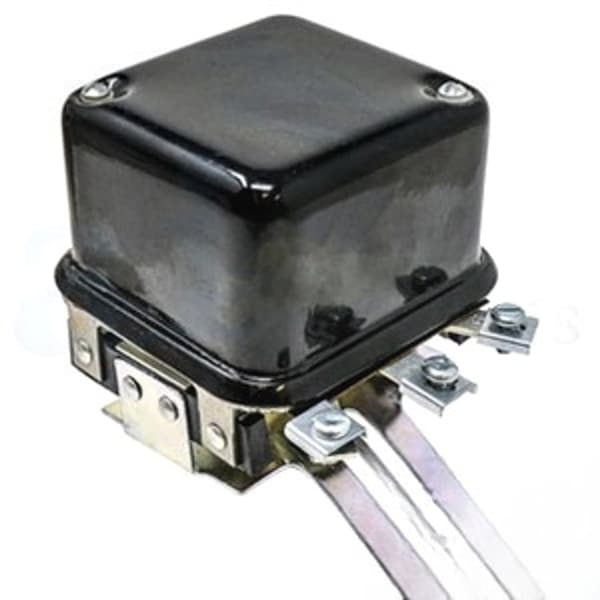
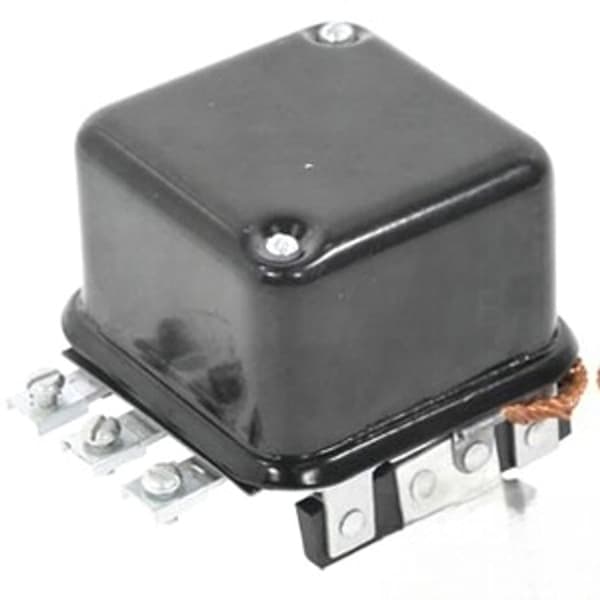
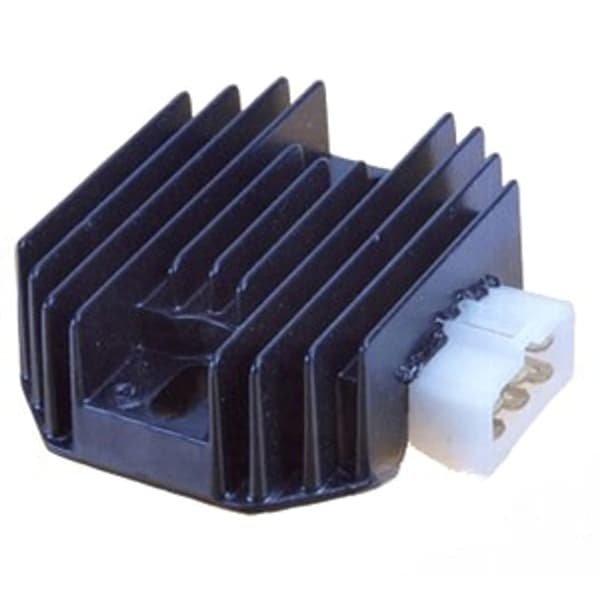
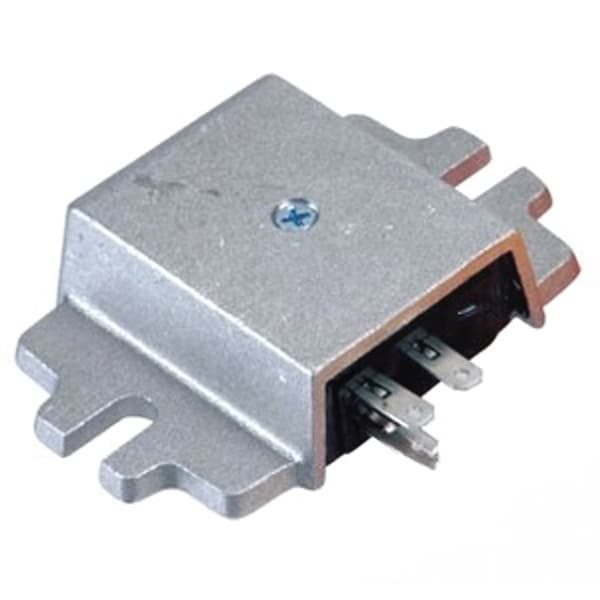
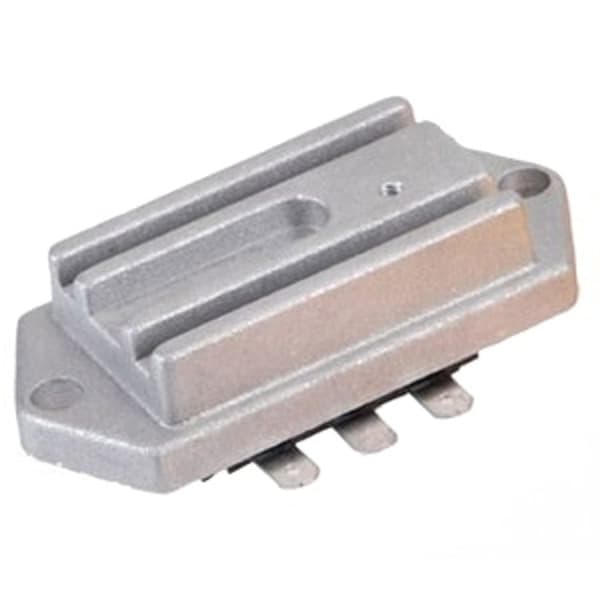
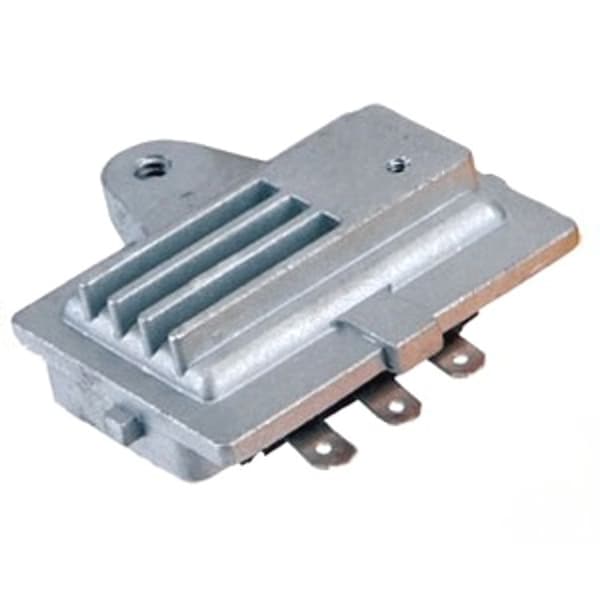
🔍 Looking for a specific part? Try our AI Part Finder — tell it your equipment and what you need, and it will find matching parts instantly.
Understanding the Riding Mower Voltage Regulator
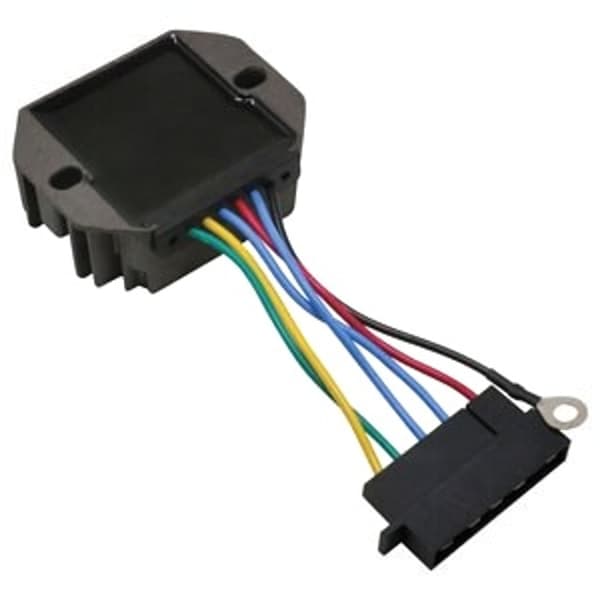
The voltage regulator’s primary function is to maintain a stable voltage output, typically around 13.5-14.5 volts DC, to charge the battery while the engine is running. It prevents overcharging, which can damage the battery, and ensures a consistent power supply for other electrical components like lights and electric clutches (PTOs).
How it Works: The voltage regulator receives AC voltage from the stator (part of the alternator) located under the flywheel. It then converts this AC voltage to DC voltage and regulates it before sending it to the battery.
Common Symptoms of a Failing Voltage Regulator:
- Dead Battery: The most common symptom. If the regulator isn't charging the battery, it will eventually drain.
- Overcharged Battery: Less common, but can happen if the regulator fails to limit voltage. Battery may be hot, bulging, or leaking acid.
- Dim Headlights: Insufficient voltage can cause headlights to appear dim.
- Engine Stalling: Intermittent electrical problems can cause the engine to stall.
- Burning Smell: A shorted voltage regulator can overheat and emit a burning smell.
Safety First: Before working on any electrical components, disconnect the negative terminal of your battery. This prevents accidental shorts and potential injuries.
Diagnosing a Faulty Voltage Regulator
Before replacing the voltage regulator, confirm it's actually the problem. Here’s a basic troubleshooting process:
- Check the Battery: Ensure the battery is in good condition and fully charged. A bad battery can mimic voltage regulator problems. See our guide on Riding Mower Battery: Size Chart & Group Numbers.
- Inspect Wiring and Connections: Look for corroded, loose, or damaged wires and connectors leading to the voltage regulator. Clean or repair as needed.
- Voltage Test: With the engine running at moderate speed, use a multimeter to measure the voltage at the battery terminals. You should see a reading between 13.5 and 14.5 volts DC. If the voltage is significantly lower or higher, the voltage regulator is likely faulty.
- Stator Output Test: (More advanced). Disconnect the voltage regulator from the stator wires. Use a multimeter to measure the AC voltage output of the stator while the engine is running. Consult your engine's service manual for the correct voltage range. No output or very low output indicates a problem with the stator itself, not the voltage regulator.
Replacing the Riding Mower Voltage Regulator by Engine
The replacement process is generally similar across different engine brands, but there might be slight variations. Always consult your engine's service manual for specific instructions.
General Steps for Voltage Regulator Replacement:
- Disconnect the Battery: Remove the negative terminal first, followed by the positive.
- Locate the Voltage Regulator: The voltage regulator is typically mounted near the engine, often on the blower housing or a nearby bracket.
- Disconnect the Wiring: Carefully disconnect the wires from the old voltage regulator. Take note of the wire connections or take a picture for reference during installation.
- Remove the Old Regulator: Remove the screws or bolts securing the old voltage regulator.
- Install the New Regulator: Mount the new voltage regulator in the same location as the old one.
- Reconnect the Wiring: Connect the wires to the new voltage regulator, ensuring correct connections based on your notes or picture.
- Reconnect the Battery: Reconnect the positive terminal first, followed by the negative.
- Test the System: Start the engine and use a multimeter to verify the charging voltage at the battery terminals (13.5-14.5 volts DC).
Engine-Specific Considerations:
Briggs & Stratton:
Briggs & Stratton voltage regulators are commonly found on the blower housing. Many newer models use a 3-wire regulator, while older models might use a 2-wire regulator. Ensure you select the correct type for your engine. Madison Tractor carries a wide selection of Briggs & Stratton riding mower parts, including voltage regulators, spark plugs, filters, and more.
Kohler:
Kohler voltage regulators are often located on the engine shroud or nearby frame. Kohler engines often utilize different regulator designs depending on the engine series (Courage, Command, etc.). Pay close attention to the engine model number when selecting a replacement. Remember to also check your lawn mower ignition coil if you're experiencing starting issues. Find Kohler parts here.
Kawasaki:
Kawasaki voltage regulators are commonly mounted on the engine's cooling shroud. Kawasaki engines are known for their robust electrical systems, but the voltage regulator can still fail over time. Again, proper diagnosis is key. You can find Kawasaki parts at Madison Tractor.
Honda:
Honda voltage regulators are typically located near the engine flywheel. Ensure you select the correct regulator based on your Honda engine model. Don't forget to check your riding mower starter if it's not engaging properly. Honda parts are available here.
Important Note: Always refer to your engine's service manual for specific wiring diagrams and torque specifications. Incorrect wiring can damage the voltage regulator or other electrical components.
Brand-Specific Mower Considerations
While the engine is the primary factor in selecting a voltage regulator, the mower brand can influence the specific mounting and wiring configurations. Here's a brief overview for common mower brands:
- John Deere: John Deere mowers often use specific voltage regulators that are integrated with the wiring harness. Ensure you select a John Deere-compatible regulator for your model. You may also need to check your riding mower ignition switch when troubleshooting electrical problems.
- Craftsman: Craftsman mowers often use Briggs & Stratton, Kohler, or Kawasaki engines. Identify the engine model number to select the correct voltage regulator.
- Cub Cadet: Similar to Craftsman, Cub Cadet mowers utilize various engine brands. Check the engine model number.
- Husqvarna: Husqvarna mowers often use Briggs & Stratton, Kohler, or Kawasaki engines.
- Toro: Toro mowers commonly use Briggs & Stratton or Kohler engines.
- Ariens: Ariens mowers may use Briggs & Stratton, Kohler, or Kawasaki engines.
- Murray: Murray mowers typically use Briggs & Stratton engines.
- Hustler, Scag, Exmark, Ferris, Snapper, Simplicity, Dixie Chopper: These brands often use Kawasaki, Kohler, or Briggs & Stratton engines. The key is to identify the engine brand and model to find the correct voltage regulator. Don't forget to inspect your mower PTO switch while you're working on the electrical system.
Regardless of the brand, always verify compatibility using your mower's model number and engine specifications.
Preventing Voltage Regulator Failure
While voltage regulators are prone to failure over time, you can extend their lifespan with proper maintenance:
- Keep the Engine Clean: A clean engine runs cooler, reducing stress on the voltage regulator.
- Maintain Proper Battery Voltage: A weak battery can overwork the charging system, leading to voltage regulator failure.
- Check Wiring Regularly: Inspect wiring for corrosion, looseness, or damage.
- Avoid Overloading the Electrical System: Avoid adding excessive electrical accessories that can strain the charging system.
Other Important Parts to Check
While you're working on the electrical system, consider checking these related parts:
- Lawn Mower Ignition Coil
- Riding Mower Starter Motor
- Riding Mower Solenoid
- Lawn Mower Seat Safety Switch
- Mower Key Switch
And don't forget to keep an eye on the wear and tear of other essential parts like belts, blades, spindles, pulleys, filters, and shear pins to keep your mower running smoothly.
Shop Riding Mower Voltage Regulators at Madison Tractor
Madison Tractor Company offers a wide selection of high-quality riding mower voltage regulators for various engine brands, including Briggs & Stratton, Kohler, Kawasaki, and Honda. We also stock a comprehensive range of other electrical & ignition parts, engine components, and mower accessories. With our extensive inventory and expert support, you can find the right parts to keep your riding mower running reliably for years to come. Browse our catalog today and get your mower back in top shape! You can also use our AI-Powered Part Finder to search for parts by your specific make and model.
Part of our comprehensive guide
Mower Electrical Parts Guide: Starters, Solenoids, Switches & More