








Lawn Mower Battery Types: Group U1 Size Guide
Understanding lawn mower battery group U1 is crucial for keeping your machine running smoothly. This guide covers everything from dimensions and voltage to choosing the right replacement for your John Deere, Craftsman, or Cub Cadet.
A reliable battery is the heart of any modern lawn mower. It provides the necessary power to start the engine, engage the blades, and run essential electrical components. Among the various battery sizes available, the Group U1 lawn mower battery is one of the most common. This guide will delve into the specifications, uses, and selection of Group U1 batteries to help you make informed decisions and keep your lawn mower running smoothly.
Recommended Parts for This Guide
7 parts we recommend — in stock, ships fast, one-click add to cart.
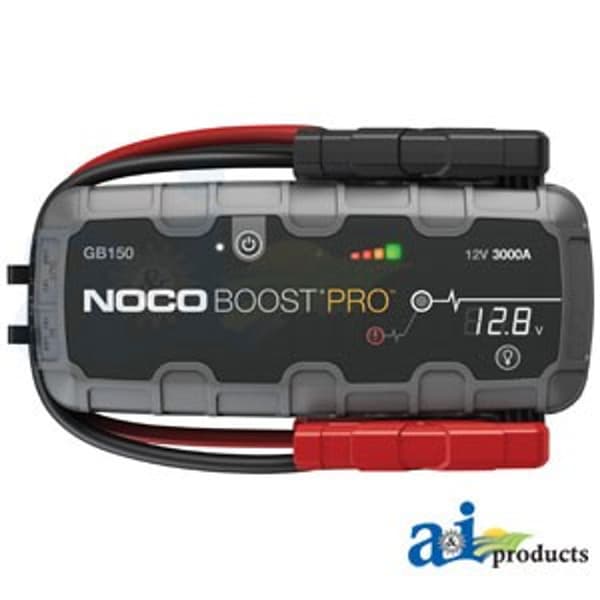
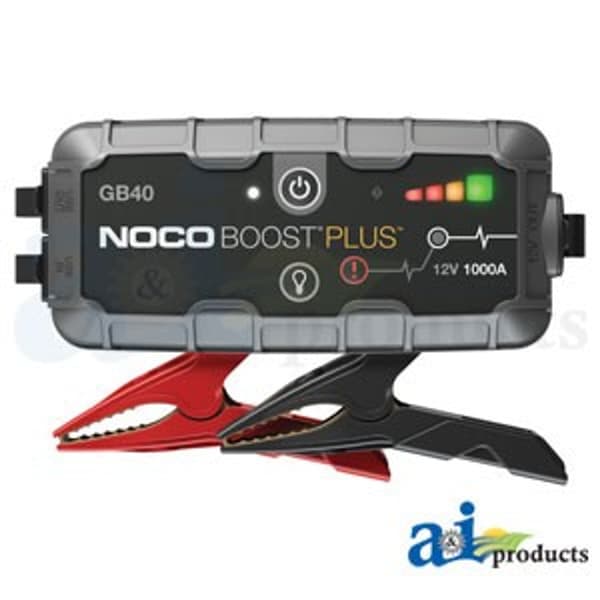
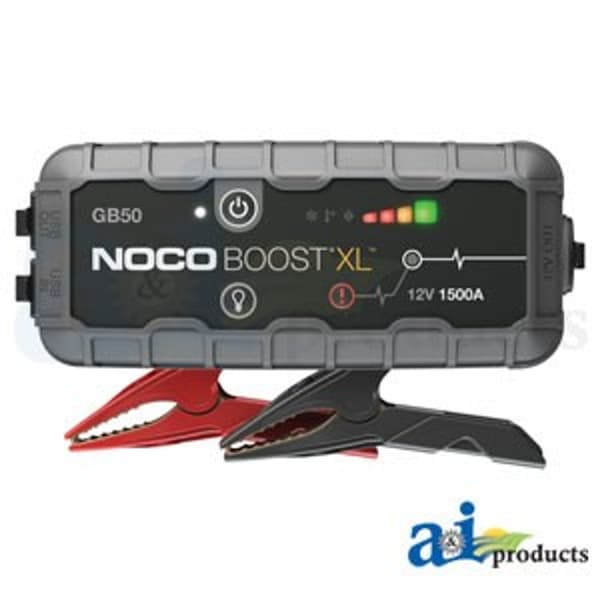
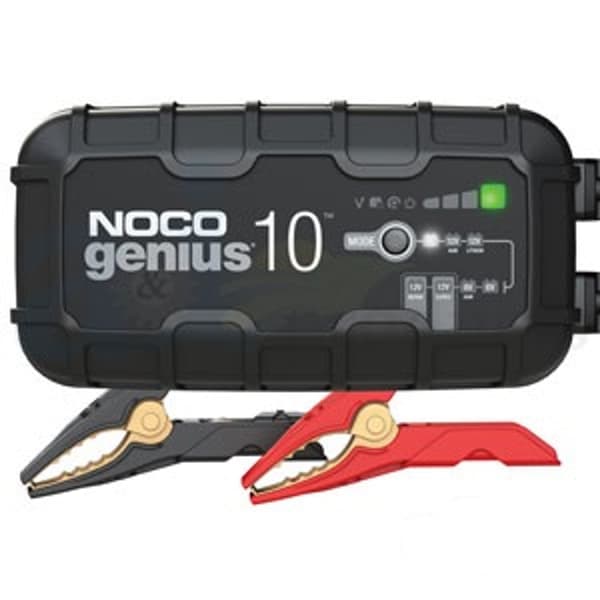
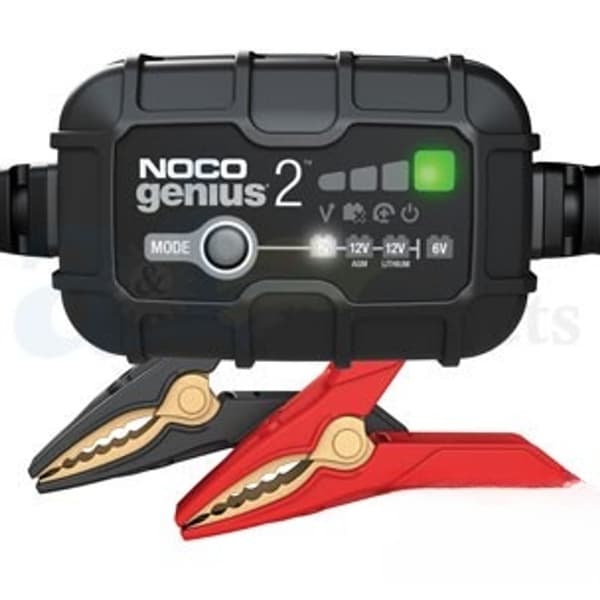
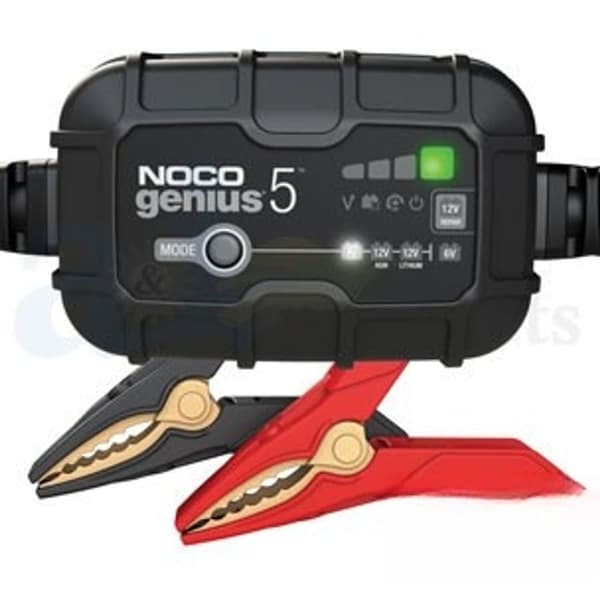
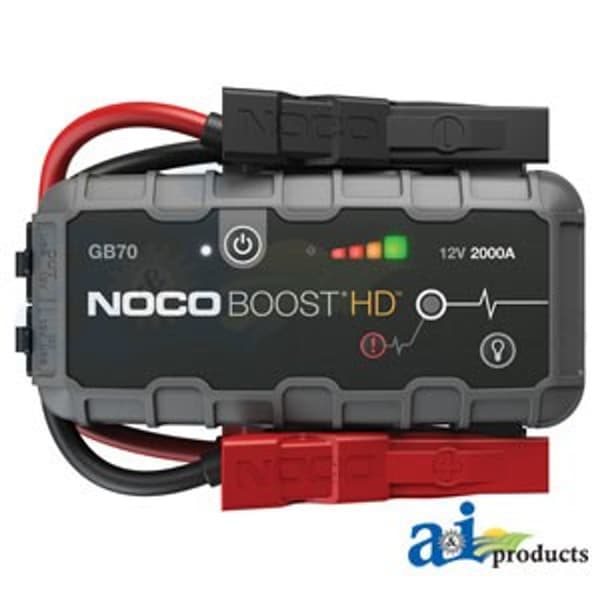
🔍 Looking for a specific part? Try our AI Part Finder — tell it your equipment and what you need, and it will find matching parts instantly.
What is a Lawn Mower Battery Group U1?
The Battery Council International (BCI) assigns group numbers to batteries based on their physical dimensions and terminal placement. A Group U1 battery is a specific size and configuration commonly used in lawn and garden equipment, including riding mowers, zero-turn mowers, and garden tractors. The "U1" designation refers to its standardized physical size and terminal layout, ensuring interchangeability across different brands and manufacturers.
Group U1 Battery Specifications
Understanding the specifications of a Group U1 battery is crucial for selecting the right replacement. Key specifications include:
- Dimensions: Typically, a Group U1 battery measures around 8.25 inches (210 mm) in length, 5.13 inches (130 mm) in width, and 7.25 inches (184 mm) in height. These dimensions may vary slightly between manufacturers, but they generally adhere to the BCI standard.
- Voltage: Almost universally, Group U1 batteries are 12-volt batteries. This is the standard voltage required for most lawn mower electrical systems.
- Cold Cranking Amps (CCA): CCA indicates the battery's ability to start an engine in cold temperatures. A higher CCA rating is generally better, especially in colder climates. Look for a CCA rating appropriate for your mower's engine size and starting requirements. Typically, Group U1 batteries range from 230-340 CCA.
- Amp Hour (Ah): Ah represents the battery's capacity to deliver a sustained current over time. A higher Ah rating means the battery can power electrical components for a longer duration before needing a recharge. Common Ah ratings for Group U1 batteries range from 28-35 Ah.
- Terminal Type: Group U1 batteries typically have top-mounted terminals. These terminals are usually stud-type, requiring nuts and bolts for connection. Make sure the terminals on the replacement battery match your mower's wiring harness.
Compatibility and Fitment
The Group U1 battery is a widely used standard, making it compatible with numerous lawn mower brands and models. However, it's always essential to verify compatibility before purchasing a replacement. Here's how:
- Check Your Owner's Manual: Your lawn mower's owner's manual should specify the recommended battery group size. Look for "Group U1" or similar designation.
- Match Existing Battery: If you're replacing an existing battery, check the group number printed on the battery label. This ensures you're selecting the correct size.
- Use Our Parts Finder: At Madison Tractor Company, we offer a convenient parts finder tool on our website. Simply enter your mower's make and model to find compatible parts, including batteries. John Deere, Craftsman, Cub Cadet, Husqvarna, Toro, Ariens, Murray, Hustler, Scag, Exmark, Ferris, Snapper, Simplicity and Dixie Chopper are just some of the brands we support.
- Measure the Battery Tray: Measure the dimensions of your mower's battery tray to ensure the Group U1 battery fits properly. While the dimensions are standardized, slight variations in tray size can occur.
Selecting the Right Group U1 Battery
Choosing the right Group U1 battery involves considering several factors:
- CCA Rating: As mentioned earlier, CCA is crucial for starting performance. Choose a battery with a CCA rating that meets or exceeds your mower's requirements. In colder climates, a higher CCA rating is always a good idea.
- Ah Rating: The Ah rating determines how long the battery can power electrical components. If you frequently use accessories like lights or electric PTO clutches, a higher Ah rating is recommended.
- Battery Type: Group U1 batteries are available in various types, including flooded lead-acid, AGM (Absorbent Glass Mat), and gel cell. AGM batteries are generally more durable and offer better performance than flooded lead-acid batteries, while gel cell batteries are even more resistant to vibration and shock.
- Brand Reputation: Opt for reputable battery brands known for quality and reliability. At Madison Tractor Company, we carry batteries from trusted manufacturers, ensuring you get a long-lasting and dependable product.
- Warranty: A good warranty provides peace of mind and protects you against premature battery failure. Check the warranty terms before making a purchase.
Installation and Maintenance
Proper installation and maintenance are essential for maximizing the lifespan of your Group U1 battery.
- Safety First: Disconnect the spark plug wire before working on the electrical system to prevent accidental starting. Wear safety glasses and gloves to protect yourself from battery acid.
- Disconnect the Old Battery: Disconnect the negative (-) terminal first, followed by the positive (+) terminal. Clean any corrosion from the terminals and battery cable ends using a wire brush and baking soda solution.
- Install the New Battery: Place the new battery in the battery tray and secure it with the hold-down clamp. Connect the positive (+) terminal first, followed by the negative (-) terminal. Ensure the battery cable connections are tight and secure.
- Regular Charging: If you don't use your lawn mower frequently, use a battery charger or maintainer to keep the battery fully charged. This prevents sulfation, a leading cause of battery failure.
- Proper Storage: During the off-season, remove the battery from the mower and store it in a cool, dry place. Charge it periodically to prevent it from discharging completely.
Remember to check the riding mower voltage regulator to ensure it is charging the battery correctly. A faulty regulator can lead to overcharging or undercharging, both of which can damage the battery.
Troubleshooting Common Issues
Here are some common issues you might encounter with a Group U1 lawn mower battery and how to troubleshoot them:
- Battery Won't Hold a Charge: This could be due to sulfation, a faulty charging system, or a dead cell in the battery. Try charging the battery with a battery charger. If it still won't hold a charge, it likely needs replacement. Check the charging system, including the voltage regulator and stator, to ensure they are functioning correctly.
- Slow Cranking: Slow cranking can indicate a weak battery, corroded terminals, or a faulty riding mower starter. Clean the terminals and check the battery voltage with a multimeter. If the voltage is low (below 12 volts), charge the battery or replace it if necessary. If the battery is good, investigate the starter motor and solenoid.
- Clicking Sound When Starting: A clicking sound usually indicates a weak battery or a faulty riding mower solenoid. Check the battery voltage and connections. If the battery is good, test the solenoid.
- Engine Won't Start: If the engine won't start, check the battery voltage, fuel level, spark plug, and other ignition components. A faulty lawn mower ignition coil or riding mower ignition switch can also prevent the engine from starting. Also, ensure the lawn mower seat safety switch and mower PTO switch are functioning properly. If your battery is completely drained, a portable jump starter can provide the boost needed to get your mower running.
Beyond electrical issues, other maintenance is key to a healthy lawn mower. Consider replacing belts, blades, spindles, pulleys, filters, spark plugs, bearings, and shear pins as part of a seasonal maintenance routine.
Conclusion
Understanding the specifications and compatibility of Group U1 lawn mower batteries is crucial for ensuring your lawn mower starts reliably and operates efficiently. By following the guidelines in this article, you can select the right battery, install it correctly, and maintain it properly to prolong its lifespan. Remember to consult your owner's manual and use our parts finder tool to ensure compatibility with your specific lawn mower model.
Ready to find the perfect Group U1 battery for your lawn mower? Shop our extensive selection of lawn mower batteries at Madison Tractor Company and keep your machine running smoothly all season long! We also carry a wide range of other parts like lawn mower blades, lawn mower belts, and lawn mower spark plugs. Browse our online catalog or contact our knowledgeable customer support team for assistance. You can also use our AI-Powered Part Finder to search for parts by your specific make and model.
Part of our comprehensive guide
Mower Electrical Parts Guide: Starters, Solenoids, Switches & More