








Riding Mower Solenoid: Starter Solenoid by Brand
A faulty riding mower solenoid can leave you stranded. This guide helps you understand how solenoids work, diagnose issues, and find the right replacement for your John Deere, Cub Cadet, or other popular brand.
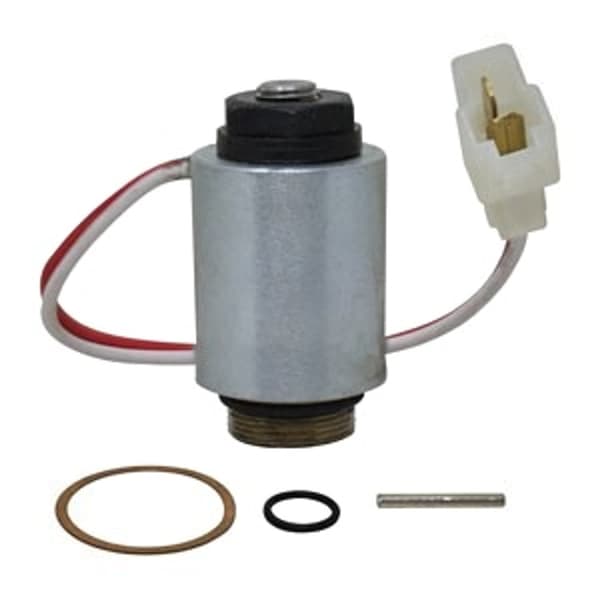
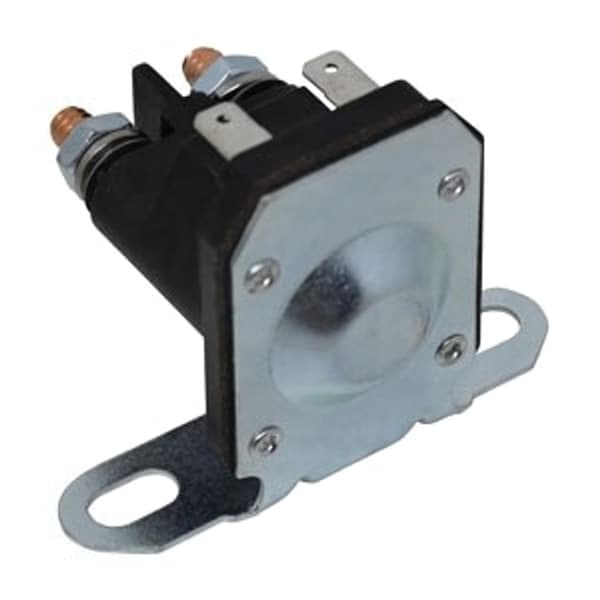
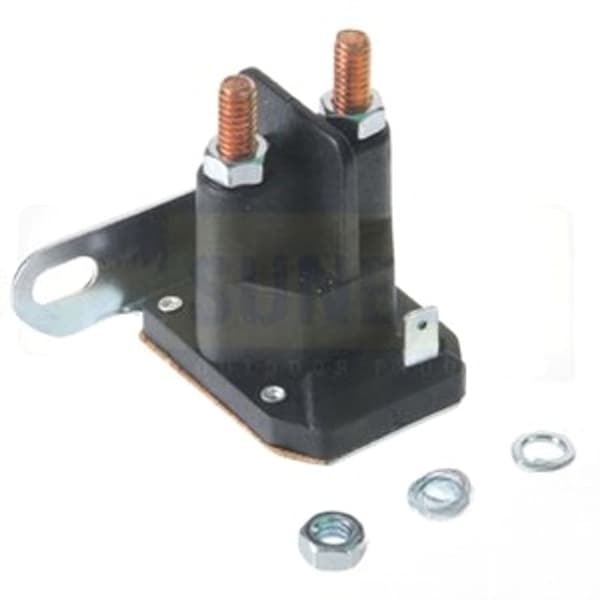
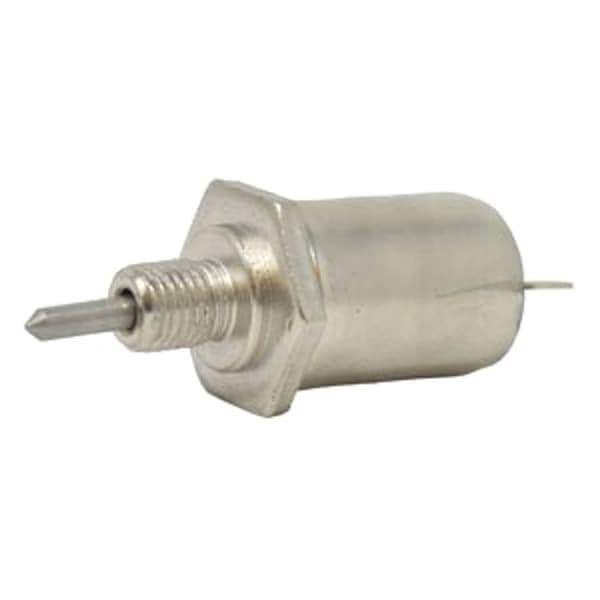
The riding mower solenoid is a small but critical component in your mower's starting system. It acts like a heavy-duty switch, using a small electrical signal from the ignition switch to engage the starter motor and crank the engine. When your mower won't start, especially with a clicking sound, a failing solenoid is a prime suspect.
Recommended Parts for This Guide
9 parts we recommend — in stock, ships fast, one-click add to cart.
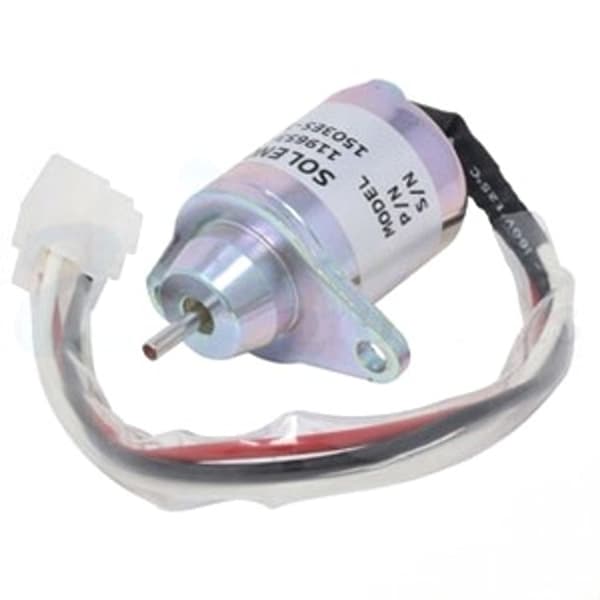
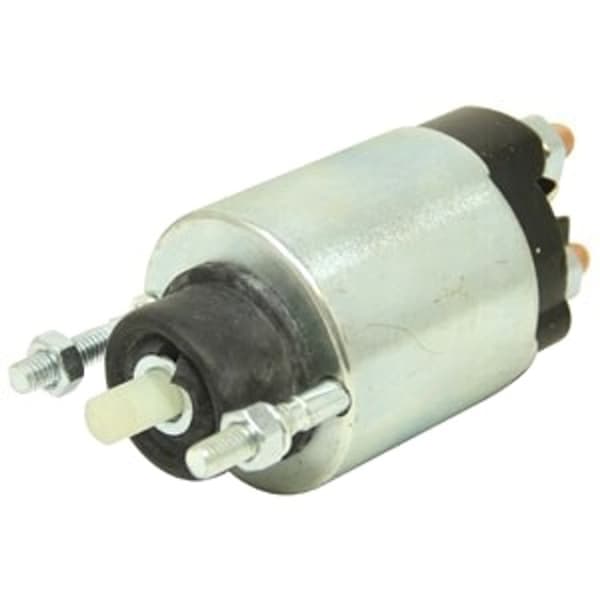
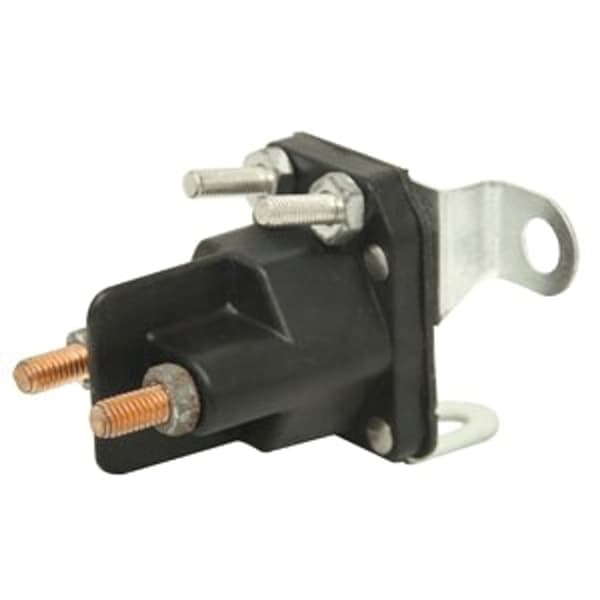
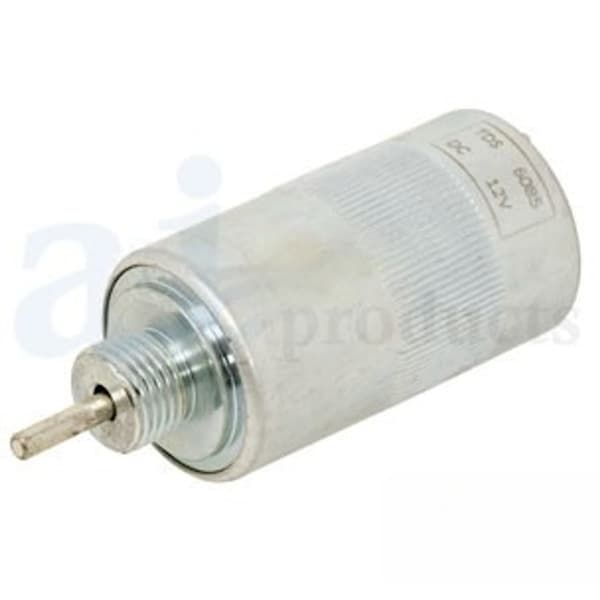
🔍 Looking for a specific part? Try our AI Part Finder — tell it your equipment and what you need, and it will find matching parts instantly.
What is a Riding Mower Solenoid?
Think of the solenoid as a gatekeeper. It receives a small electrical signal (usually 12V) from your riding mower ignition switch when you turn the key. This signal activates an internal electromagnet, which pulls a metal contact plate, bridging the connection between the battery cable and the starter motor cable. This allows a large current to flow to the riding mower starter motor, causing it to spin and crank the engine.
Essentially, the solenoid prevents the full battery current from running through the ignition switch, protecting it from damage. Without it, starting your mower would be much more difficult and potentially dangerous.
Common Symptoms of a Failing Solenoid
- Clicking Sound: This is the most common symptom. When you turn the key, you hear a clicking sound from the solenoid, but the starter motor doesn't engage. This usually indicates the solenoid is receiving power but failing to make a solid connection.
- No Sound at All: Sometimes, a completely dead solenoid won't make any sound. This could be due to a broken internal coil or a complete failure of the electrical components. Before suspecting the solenoid, check your riding mower battery voltage and connections. A low battery can prevent the solenoid from engaging.
- Slow Cranking: A partially failing solenoid might allow some current to pass, resulting in a slow or weak cranking sound from the starter motor. This could also indicate a weak battery or poor connections.
- Engine Starts Intermittently: Sometimes the solenoid works, sometimes it doesn't. This intermittent behavior is a sign of a failing component.
Diagnosing a Riding Mower Solenoid
Before replacing the solenoid, it's crucial to rule out other potential issues. Here's a basic troubleshooting process:
- Check the Battery: Ensure the battery is fully charged and the terminals are clean and tight. A weak battery is a common cause of starting problems.
- Inspect the Connections: Check the wires connected to the solenoid for corrosion or loose connections. Clean and tighten any suspect connections. A poor ground connection can also cause problems.
- Test the Solenoid with a Multimeter:
- Set your multimeter to DC voltage mode (20V range).
- Connect the black lead to a good ground on the mower frame.
- Turn the ignition key to the start position.
- Check for 12V at the small terminal on the solenoid that receives power from the ignition switch. If you don't have voltage here, the problem might be with the ignition switch or wiring.
- Check for 12V at the large terminal on the solenoid that connects to the starter motor. If you have 12V at the small terminal but *not* at the large terminal when the key is in the start position, the solenoid is likely faulty.
- Bypass the Solenoid (Use Caution!): This is a quick test to confirm the solenoid is the problem. Use a screwdriver to carefully bridge the two large terminals on the solenoid. Warning: This will bypass the solenoid's safety features, so make sure the mower is in neutral or park, the parking brake is engaged, and no one is near the blades. If the engine cranks when you bypass the solenoid, the solenoid is definitely faulty.
Replacing a Riding Mower Solenoid
Replacing a riding mower solenoid is a relatively simple task. Here's a general guide:
- Disconnect the Battery: Always disconnect the negative battery cable before working on any electrical components. This prevents accidental shorts and potential damage.
- Identify the Solenoid: The solenoid is usually located near the battery or starter motor. It's a small cylindrical or rectangular component with several terminals.
- Remove the Wires: Carefully disconnect the wires from the solenoid. Note the location of each wire before removing it, as incorrect wiring can damage the starter motor or other components. It's a good idea to take a picture before disconnecting the wires.
- Remove the Old Solenoid: The solenoid is usually held in place by screws or bolts. Remove the fasteners and detach the old solenoid.
- Install the New Solenoid: Mount the new solenoid in the same location as the old one.
- Connect the Wires: Reconnect the wires to the new solenoid, ensuring they are in the correct locations. Double-check your wiring against your notes or photo.
- Reconnect the Battery: Reconnect the negative battery cable.
- Test the Mower: Turn the key to the start position and see if the engine cranks. If it does, you've successfully replaced the solenoid.
Riding Mower Solenoid by Brand
While most riding mower solenoids function similarly, specific models and part numbers vary depending on the brand and model of your mower. Here are some common brands and considerations:
John Deere
John Deere mowers often use specific solenoids that are designed for their electrical systems. Finding the correct replacement John Deere solenoid is crucial for proper operation. Use your mower's model and serial number to find the correct part. Don't forget to check your blades and belts while you're doing maintenance!
Craftsman
Craftsman mowers, often manufactured by other companies like MTD or Husqvarna, can use a variety of solenoids. Identifying the correct replacement part requires knowing the mower's model number, which can usually be found under the seat or on the frame. Be sure to check filters for good measure.
Cub Cadet
Cub Cadet solenoids are generally robust, but they can still fail over time. Use your mower's model number to find the correct replacement. Remember to check your spark plugs.
Husqvarna
Husqvarna mowers often use solenoids that are also found on other brands. However, it's essential to verify the part number to ensure compatibility. Like Craftsman, these may require mower model number look-up. Check your spindles too!
Toro
Toro mowers often have unique solenoid designs. Ensure you find the correct replacement part using your mower's model and serial number.
Other Brands
The principles remain the same for other brands like Ariens, Murray, Hustler, Scag, Exmark, Ferris, Snapper, Simplicity, and Dixie Chopper. Always use your mower's model number to find the correct replacement solenoid. Common maintenance items such as pulleys, bearings, and shear pins should be inspected as well.
For more information on electrical and ignition components, see related articles on lawn mower ignition coils, riding mower ignition switches, riding mower voltage regulators, lawn mower seat safety switches and mower PTO switches.
Safety Precautions
- Disconnect the battery: Always disconnect the negative battery cable before working on any electrical components.
- Work in a well-ventilated area: When working with batteries, there is a risk of hydrogen gas buildup, so ensure adequate ventilation.
- Wear safety glasses: Protect your eyes from debris or sparks.
- Consult your mower's service manual: Refer to your mower's service manual for specific instructions and safety information.
By following these steps, you can diagnose and replace your riding mower solenoid, getting your mower back up and running smoothly.
Shop Riding Mower Solenoids at Madison Tractor Co.!
At Madison Tractor Co., we offer a wide selection of high-quality riding mower solenoids from top brands. Find the perfect replacement part for your John Deere, Cub Cadet, Husqvarna, or other mower today! Our expert staff is ready to help you find the parts you need to keep your lawn equipment in top condition. We have thousands of parts in stock and ready to ship, so you can get back to mowing quickly. You can also use our AI-Powered Part Finder to search for parts by your specific make and model.
Part of our comprehensive guide
Mower Electrical Parts Guide: Starters, Solenoids, Switches & More