








Combine Rasp Bar Replacement: Cylinder & Rotor Bars
Worn or damaged rasp bars can significantly reduce your combine's threshing efficiency. This guide provides a comprehensive overview of rasp bar replacement, covering everything from identification and removal to installation and maintenance, ensuring optimal harvesting performance.
Introduction to combine rasp bars
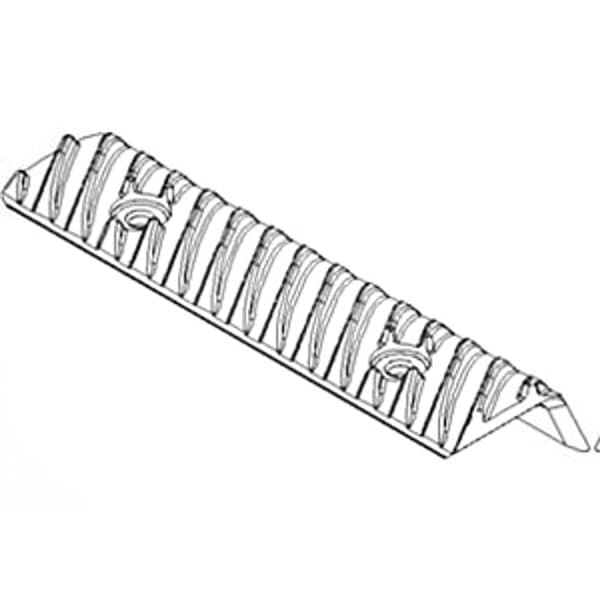
Combine rasp bars, also known as threshing bars or rub bars, are crucial components in the threshing process within a combine harvester. Located on the cylinder or rotor, these bars are responsible for separating the grain from the head. Over time, rasp bars wear down due to constant abrasion from crop material and impacts from foreign objects. Replacing worn rasp bars is essential for maintaining optimal threshing efficiency and minimizing grain loss. Madison Tractor offers a wide selection of combine rasp bars for all major brands, including John Deere, Case IH, New Holland, Gleaner, Massey Ferguson more. We stock bars for cylinder combines and rotor combines our team can assist you in finding the correct combine rasp bar for your specific machine.
Recommended Parts for This Guide
7 parts we recommend — in stock, ships fast, one-click add to cart.
🔍 Looking for a specific part? Try our AI Part Finder — tell it your equipment and what you need, and it will find matching parts instantly.
Identifying Worn or Damaged Rasp Bars
Regular inspection of your combine's rasp bars is crucial for identifying wear or damage. Here's what to look for
- Rounded or Flattened Edges The sharp edges of the rasp bars are essential for effective threshing. If these edges are rounded or flattened, the bars are no longer efficiently separating the grain.
- Cracks or Breaks Inspect the rasp bars for any cracks or breaks. Damaged bars can lead to uneven threshing and potential damage to other combine components.
- Missing Sections In some cases, sections of the rasp bars may be completely missing. This is a clear indication that replacement is necessary.
- Uneven Wear Uneven wear across the rasp bars can indicate issues with cylinder/rotor balance or crop feeding.
Grain loss over the back of the combine and increased material other than grain (MOG) in the grain tank can also be symptoms of worn rasp bars. Addressing issues early can prevent further damage. We also carry a full line of combine concaves. Consider replacing combine concaves at the same time to optimize machine performance.
Safety Precautions
Before beginning any maintenance or repair work on your combine, it is essential to follow these safety precautions
- Disconnect the Battery Disconnect the battery's negative terminal to prevent accidental starting.
- Engage the Parking Brake Ensure the parking brake is engaged to prevent the combine from moving.
- Lower the Header Lower the header to the ground or secure it with appropriate stands.
- Use Proper Lifting Equipment If lifting heavy components, use appropriate lifting equipment, such as a hoist or jack ensure it is rated for the weight of the component.
- Wear Safety Glasses and Gloves Protect your eyes and hands from debris and sharp edges.
- Consult the Operator's Manual Refer to your combine's operator's manual for specific safety instructions and procedures.
WARNING Never work on the combine while the engine is running or the machine is in operation.
Rasp Bar Removal: Step-by-Step Guide
The removal process varies slightly depending on the combine model and whether you have a cylinder or rotor machine. This general guide applies to most combines, but always consult your operator's manual for specific instructions.
- Access the Cylinder or Rotor Open the access panels to expose the cylinder or rotor and the rasp bars. You may need to remove some shields or covers.
- Loosen the Fasteners Rasp bars are typically secured with bolts or nuts. Use the appropriate wrench or socket to loosen these fasteners. It is often helpful to use penetrating oil to loosen rusted fasteners.
- Remove the Fasteners Once the fasteners are loose, remove them completely. Keep track of the fasteners and any associated washers or shims.
- Remove the Rasp Bar Carefully remove the worn rasp bar from the cylinder or rotor. Be aware that some bars may be heavy and require assistance to remove safely.
- Clean the Mounting Surface Thoroughly clean the mounting surface on the cylinder or rotor. Remove any rust, debris, or old gasket material. A wire brush or scraper can be helpful for this.
Note Some older combines, like certain Allis Chalmers or International Harvester models, may have rasp bars that are secured with rivets. In these cases, you'll need to drill out the rivets before removing the bars. Make sure to use the appropriate drill bit size.
Rasp Bar Installation: Step-by-Step Guide
Installing new rasp bars is the reverse of the removal process. Follow these steps for a successful installation
- Position the New Rasp Bar Place the new rasp bar onto the mounting surface, ensuring it is properly aligned.
- Install the Fasteners Install the fasteners (bolts or nuts) along with any associated washers or shims.
- Tighten the Fasteners Tighten the fasteners to the manufacturer's specified torque. Refer to your operator's manual for the correct torque specifications. Uneven tightening can lead to premature wear or damage.
- Repeat for Remaining Bars Repeat the process for all remaining rasp bars.
- Inspect and Test After installing all the rasp bars, inspect the installation to ensure everything is secure and properly aligned. Manually rotate the cylinder or rotor to check for any interference.
Torque Specifications Torque specifications vary depending on the combine model and the size of the fasteners. As a general guideline, for 1/2" bolts, torque to approximately 75-85 ft-lbs. Always consult your operator's manual for specific torque values.
If you are replacing rasp bars on a John Deere Combine, be sure to use the correct rasp bar for your specific model (e.g., S-Series, 9000 Series). Similarly, if you have a Case IH Combine (Axial-Flow), ensure you are using rasp bars designed for Axial-Flow rotors. The same applies to New Holland Combines (CR, CX, TR Series), Gleaner Combines (R, N, S Series)Massey Ferguson Combines (700 & 8500 Series).
Choosing the Right Rasp Bars
Selecting the correct rasp bars is critical for optimal performance. Consider these factors
- Combine Model and Year Ensure the rasp bars are compatible with your specific combine model and year.
- Crop Type Different crops may require different rasp bar designs. For example, corn requires more aggressive bars than soybeans.
- Material Rasp bars are typically made from hardened steel. Choose high-quality bars for maximum durability and longevity.
- OEM vs. Aftermarket While OEM (Original Equipment Manufacturer) parts are generally more expensive, they are often manufactured to higher standards. Aftermarket parts can be a cost-effective alternative, but be sure to choose reputable brands. Madison Tractor offers both OEM and high-quality aftermarket options.
Maintenance Tips for Rasp Bars
Proper maintenance can extend the life of your combine's rasp bars
- Regular Inspection Inspect the rasp bars regularly for wear, damage, or loose fasteners.
- Proper Cleaning Keep the cylinder or rotor area clean to prevent buildup of debris that can accelerate wear.
- Avoid Foreign Objects Take precautions to prevent foreign objects, such as rocks or metal, from entering the combine. This can cause significant damage to the rasp bars and other components.
- Adjust Combine Settings Properly adjust the combine settings, such as cylinder/rotor speed and concave clearance, to minimize wear on the rasp bars.
In addition to rasp bars, remember to maintain other critical combine components. Replace worn combine belts (drive, feeder, separator) when necessary ensure your engine is running smoothly with regular filter changes and inspections of radiators and water pumps. Keep an eye on your starter and alternator check your hydraulic pumps and cylinders for leaks.
Conclusion
Replacing combine rasp bars is a crucial maintenance task that can significantly improve your combine's threshing efficiency and reduce grain loss. By following the steps outlined in this guide and performing regular inspections, you can ensure your combine is operating at its best. Always prioritize safety and consult your operator's manual for specific instructions. Madison Tractor is your trusted partner for all your combine parts needs, offering a wide selection of high-quality rasp bars for all major brands, including John Deere, Case IH, New Holland more. We also stock a variety of other parts, like fuel pumps, filters, gasketsbearings and seals.
Shop with confidence at Madison Tractor and keep your harvesting operation running smoothly!
🔍 Can't Find Your Part?
Use our AI-Powered Part Finder to search by your equipment's make, model, and what you need. It's the fastest way to find the exact part for your machine.
Try the Part Finder →Part of our comprehensive guide
Combine Harvester Parts Guide: Pre-Season Checklist & Replacement Parts