



Massey Ferguson NO-2 Combine Parts
No.2 parts and accessories
The Massey Ferguson No.2 combine harvester was a popular machine known for its reliability and ease of operation. Introduced in the mid-20th century, it was primarily designed for smaller farms and custom harvesting operations. It featured a conventional separator system and was available with various header widths to suit different crop types. The No.2 helped farmers efficiently harvest wheat, soybeans, and other small grains.
The Massey Ferguson No.2 combine was a workhorse on many farms during its production run. It was built with simplicity in mind, offering reliable performance without the complexity of later models. While exact engine specifications can vary based on the year of manufacture and region, it typically featured a gasoline or diesel engine in the 30-50 horsepower range. The threshing system was a conventional cylinder and concave design, providing effective grain separation. The grain tank capacity was around 50-75 bushels, and the unloading auger offered a decent unloading rate for its time. Header widths typically ranged from 8 to 12 feet. Chopper and spreader options were not commonly available on this model, focusing instead on a basic, dependable design. The cab was generally open or offered a simple canopy for weather protection. The MF No.2 excelled in harvesting small grains like wheat, oats, and barley, as well as soybeans and other row crops when properly adjusted.
Specifications
| Engine | Gasoline/Diesel 30-50 HP |
|---|---|
| Separator Type | Conventional - Cylinder and concave |
| Grain Tank | 50-75 bushels |
| Unloading Rate | Varies based on model |
| Header Widths | 8-12 ft |
| Fuel Capacity | Varies based on model |
| Weight | Varies based on model |
| Years Produced | Mid 20th Century |
Maintenance Tips
- Concave Adjustment: Regularly check and adjust the concave clearance to ensure optimal threshing and minimize grain damage.
- Belt and Chain Tension: Inspect and maintain proper tension on all belts and chains to prevent slippage and ensure efficient power transmission.
- Sieve and Chaffer Cleaning: Clean sieves and chaffers regularly to remove debris and maintain optimal airflow for clean grain separation.
- Bearing Greasing: Grease all bearings according to the manufacturer's recommendations to prevent premature wear and ensure smooth operation.
History & Background
The Massey Ferguson No.2 combine was introduced as an affordable and reliable harvesting solution for smaller farms. While it didn't undergo major redesigns during its production, it remained a popular choice due to its simplicity and ease of maintenance. It represents a significant era in combine harvester history, showcasing the transition to mechanized harvesting on a wider scale.
Frequently Asked Questions
What engine is in the Massey Ferguson No.2?
The Massey Ferguson No.2 typically used a gasoline or diesel engine in the 30-50 horsepower range, depending on the year and specific configuration.
What is the grain tank capacity on a No.2?
The grain tank capacity is generally between 50 and 75 bushels, making it suitable for smaller fields and custom harvesting operations.
What type of separator does the No.2 have?
The Massey Ferguson No.2 utilizes a conventional cylinder and concave separator system. This system effectively threshes grain from the crop material through the rotation of the cylinder and the interaction with the concave.
What are common parts needed for the No.2?
Common wear parts for the Massey Ferguson No.2 include concaves, rasp bars, belts, chains, bearings, auger fingers, and sickle sections. Regular replacement of these parts ensures optimal performance and minimizes downtime.
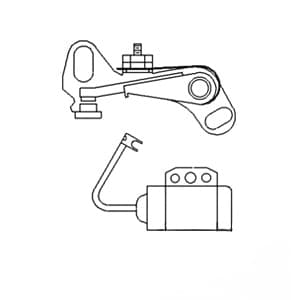
839016M1 - Tune Up Kit
SKU: 839016M1
22 in stock
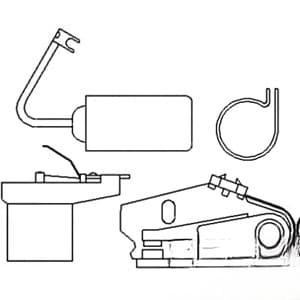
21A16R - Tune Up Kit
SKU: 21A16R
140 in stock
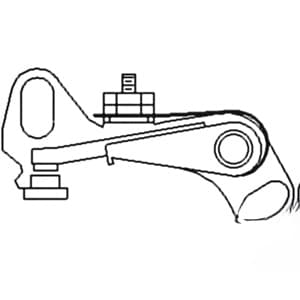
1508810M1 - Point Set
SKU: 1508810M1
6 in stock
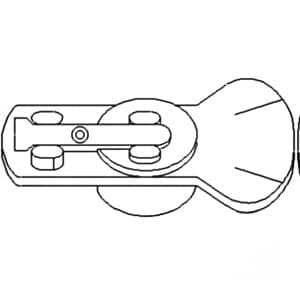
1500293M1 - Rotor
SKU: 1500293M1
58 in stock
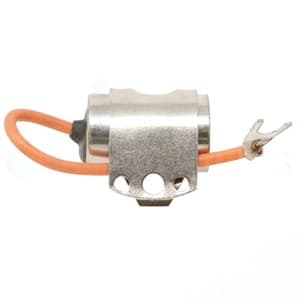
1034377M1 - Condenser
SKU: 1034377M1
82 in stock
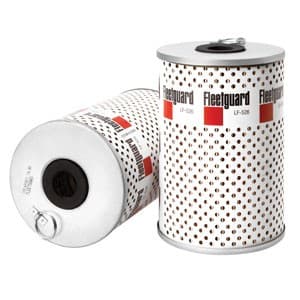
LF526J - Cartridge (QTY 1) Lube Filter
SKU: LF526J
Out of stock
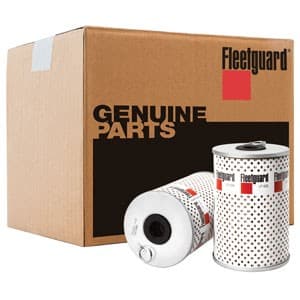
LF526 - Cartridge (QTY 12) Lube Filter
SKU: LF526
4 in stock