


Massey Ferguson 500 Combine Parts
500 parts and accessories
The Massey Ferguson 500 combine, produced from the late 1970s through the 1980s, offered farmers a reliable and efficient harvesting solution. Typically equipped with engines in the 100-150 HP range and available with header widths spanning from 13 to 20 feet, the 500 utilized a conventional separator system. Its robust design and ease of maintenance made it a popular choice for small to medium-sized farms.
The Massey Ferguson 500 combine was a mainstay in fields across North America and beyond. Production spanned from the late 1970s until the mid-1980s. Engine options commonly included a Perkins diesel engine, typically ranging from 100 to 150 horsepower, with displacements around 354 cubic inches (5.8L). The 500 featured a conventional threshing system, utilizing a cylinder and concave for grain separation. Grain tank capacity was generally around 150-200 bushels, with unloading auger speeds averaging 30-40 bushels per minute. Available header widths varied from 13 feet up to 20 feet, catering to different field sizes and crop conditions. Options included straw choppers and spreaders for residue management. The cab offered basic operator comfort and controls for efficient harvesting, with later models incorporating improved visibility. The Massey Ferguson 500 excelled at harvesting a variety of crops, including wheat, soybeans, and corn, proving to be a versatile and dependable machine.
Specifications
| Engine | Perkins 354 Diesel |
|---|---|
| Separator Type | Conventional - Cylinder and Concave |
| Grain Tank | 150-200 bushels |
| Unloading Rate | 30-40 bu/min |
| Header Widths | 13-20 ft |
| Fuel Capacity | Unknown Gallons |
| Weight | Unknown Lbs |
| Years Produced | Late 1970s - Mid 1980s |
Maintenance Tips
- Regularly check and adjust concave clearance to ensure optimal threshing performance and minimize grain loss.
- Inspect and maintain proper tension on all belts and chains, replacing worn components promptly to prevent breakdowns during harvest.
- Thoroughly clean sieves and chaffers to maintain airflow and prevent plugging, ensuring clean grain samples.
- Grease all bearings and lubrication points according to the manufacturer's recommendations to reduce wear and extend component life.
- Before each harvest season, perform a comprehensive inspection of the combine, addressing any potential issues before they become major problems in the field.
History & Background
The Massey Ferguson 500 combine was introduced in the late 1970s as a successor to earlier Massey Ferguson combine models. While specific major redesigns were limited, incremental improvements were made throughout its production run. The 500 played a significant role in providing affordable and reliable harvesting technology to a wide range of farmers.
Frequently Asked Questions
What engine is in the Massey Ferguson 500?
The Massey Ferguson 500 typically uses a Perkins 354 cubic inch diesel engine, producing between 100 and 150 horsepower.
What is the grain tank capacity on a 500?
The grain tank capacity on a Massey Ferguson 500 combine is generally between 150 and 200 bushels, with an unloading rate of around 30-40 bushels per minute.
What type of separator does the 500 have?
The Massey Ferguson 500 features a conventional threshing system using a cylinder and concave for grain separation.
What are common parts needed for the 500?
Common wear parts for the Massey Ferguson 500 include concaves, rasp bars, belts, chains, bearings, auger fingers, and sickle sections for the header.
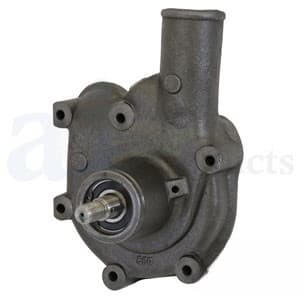
3641861M91 - Water Pump
SKU: 3641861M91
12 in stock
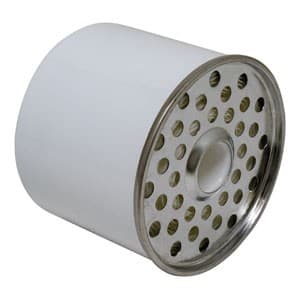
W159044AS - FUEL FILTER
SKU: W159044AS
1441 in stock
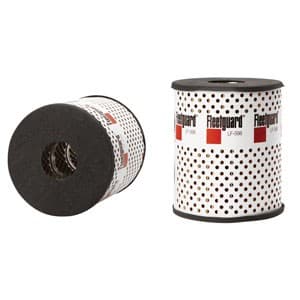
LF598J - Cartridge (QTY 1) Lube Filter
SKU: LF598J
Out of stock
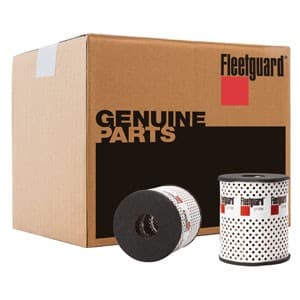
LF598 - Cartridge (QTY 12) Lube Filter
SKU: LF598
3 in stock
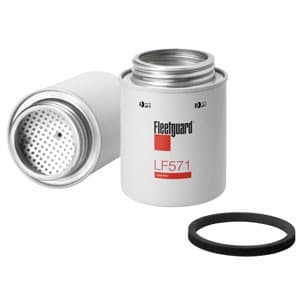
LF571J - Cartridge (QTY 1) Lube Filter
SKU: LF571J
Out of stock
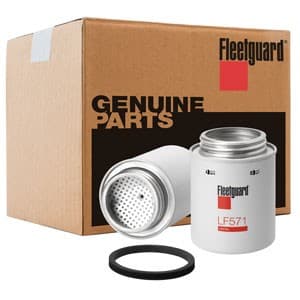
LF571 - Cartridge (QTY 12) Lube Filter
SKU: LF571
14 in stock
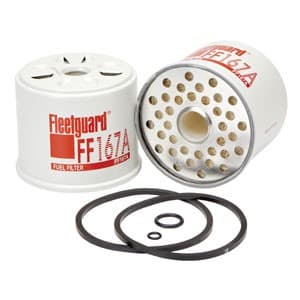
FF167AJ - Cartridge (QTY 1) Fuel Filter
SKU: FF167AJ
Out of stock
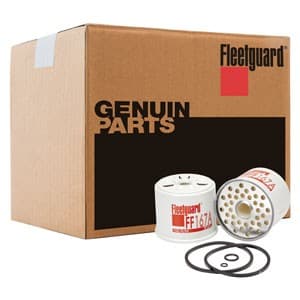
FF167A - Cartridge (QTY 12) Fuel Filter
SKU: FF167A
7 in stock
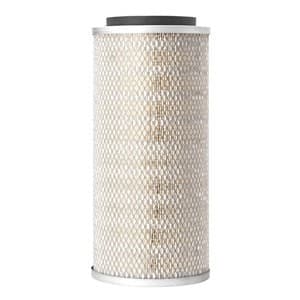
AF4058 - Primary (QTY 1) Air Filter
SKU: AF4058
2 in stock
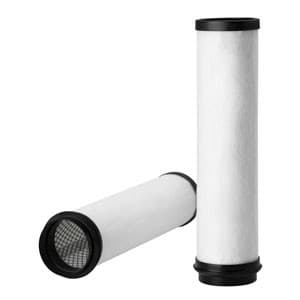
AF1842 - Secondary (QTY 1) Air Filter
SKU: AF1842
Out of stock
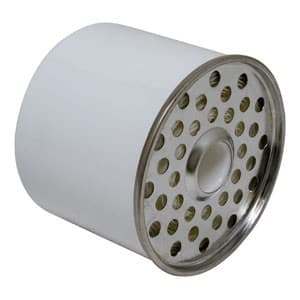
836218M91 - Fuel Filter
SKU: 836218M91
1411 in stock
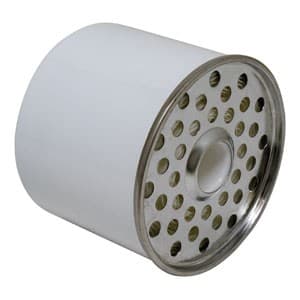
70251397 - Diesel Fuel Filter
SKU: 70251397
1411 in stock
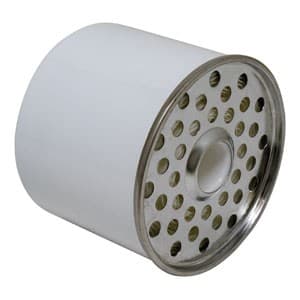
33166 - FUEL FILTER
SKU: 33166
1411 in stock
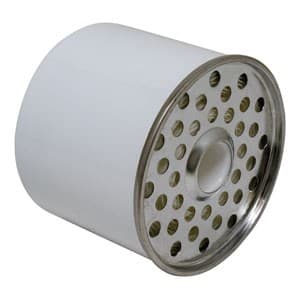
207100980 - Fuel Filter
SKU: 207100980
1411 in stock
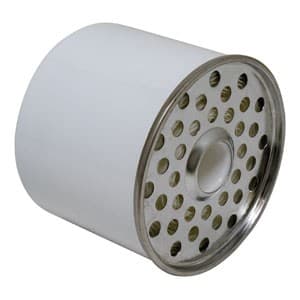
20315106 - Fuel Filter
SKU: 20315106
1411 in stock
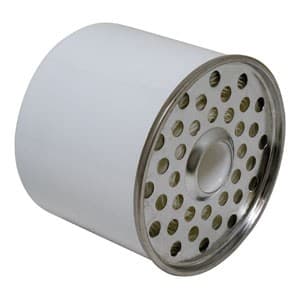
1049939M91 - Fuel Filter
SKU: 1049939M91
1411 in stock
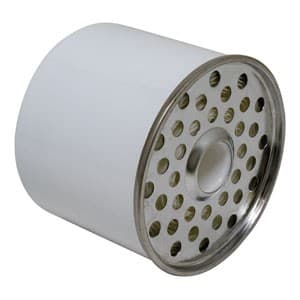
1049939M1 - Diesel Fuel Filter
SKU: 1049939M1
1411 in stock
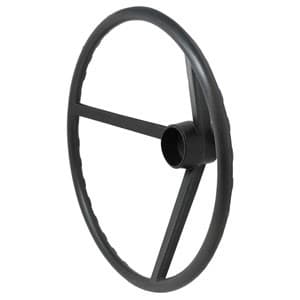
1671945M1 - Steering Wheel
SKU: 1671945M1
91 in stock