



Massey Ferguson 24 Combine Parts
24 parts and accessories
The Massey Ferguson 24 combine, a reliable workhorse in the field, was primarily manufactured during the late 1970s and early 1980s. Powered by a robust diesel engine in the 100-120 HP range, it offered header widths up to 20 feet. Known for its conventional threshing system and simplicity of operation, the MF 24 was a popular choice for farmers seeking a dependable and affordable combine for grain harvesting.
The Massey Ferguson 24 combine was introduced to meet the demands of smaller to medium-sized farms. Production spanned the late 1970s and early 1980s. Typically, it featured a Perkins or similar diesel engine, producing around 105-115 horsepower with a displacement around 354 cubic inches. The MF 24 utilized a conventional threshing system, employing a cylinder and concave arrangement for grain separation. The grain tank capacity was approximately 120-150 bushels, with an unloading auger capable of speeds around 40-50 bushels per minute. Header widths ranged from 13 to 20 feet, offering flexibility for different field sizes. Options for straw choppers or spreaders were available to manage crop residue. The cab provided basic operator comfort, including essential controls and visibility. The MF 24 proved effective in harvesting a variety of crops, including wheat, soybeans, and corn, excelling particularly in cleaner separation with relatively lower grain loss compared to other combines of its time, especially in ideal harvesting conditions.
Specifications
| Engine | Perkins 354 Diesel 105-115 HP Diesel |
|---|---|
| Separator Type | Conventional - 48-inch Cylinder |
| Grain Tank | 130 bushels |
| Unloading Rate | 45 bu/min |
| Header Widths | 13-20 ft |
| Fuel Capacity | 45 gallons |
| Weight | 11,500 lbs |
| Years Produced | 1976-1985 (approximate) |
Maintenance Tips
- Concave Adjustment: Regularly inspect and adjust the concave clearance to optimize threshing performance and minimize grain damage. Consult the operator's manual for proper settings based on the crop being harvested.
- Belt and Chain Tension: Check belt and chain tension frequently, especially during the initial hours of operation or after replacing belts/chains. Loose belts or chains can lead to slippage, reduced efficiency, and premature wear.
- Sieve and Chaffer Cleaning: Regularly clean the sieves and chaffer to prevent buildup of crop residue, which can impede airflow and reduce cleaning efficiency, leading to increased grain loss.
- Bearing Greasing: Follow the recommended greasing schedule for all bearings, using a high-quality grease to ensure proper lubrication and prevent premature bearing failure. Pay special attention to bearings in high-stress areas like the header and threshing unit.
History & Background
The Massey Ferguson 24 was introduced in the mid-to-late 1970s as a mid-range combine, designed to bridge the gap between smaller and larger models. It did not undergo major redesigns during its production run, maintaining its core functionality. It played a significant role in providing affordable and reliable harvesting solutions for many farmers during that period.
Frequently Asked Questions
What engine is in the Massey Ferguson 24?
The Massey Ferguson 24 typically used a Perkins 354 diesel engine, producing between 105-115 horsepower, with a displacement of 354 cubic inches.
What is the grain tank capacity on a 24?
The grain tank capacity on a Massey Ferguson 24 is approximately 130 bushels, with an unloading rate of around 45 bushels per minute.
What type of separator does the 24 have?
The Massey Ferguson 24 uses a conventional threshing system with a 48-inch wide cylinder and concave setup for grain separation.
What are common parts needed for the 24?
Common wear parts for the Massey Ferguson 24 include concaves, rasp bars, belts, chains, bearings, auger fingers, and sickle sections.
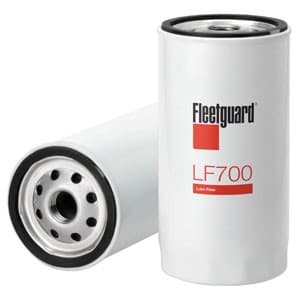
LF700J - Spin-On (QTY 1) Lube Filter
SKU: LF700J
Out of stock
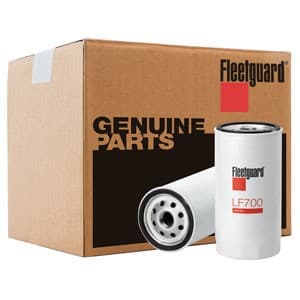
LF700 - Spin-On (QTY 12) Lube Filter
SKU: LF700
8 in stock
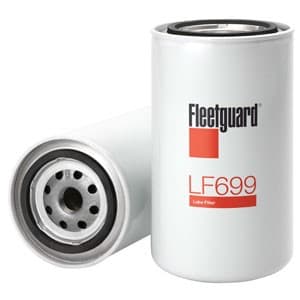
LF699J - Full-Flow Spin-On (QTY 1) Lube Filter
SKU: LF699J
Out of stock
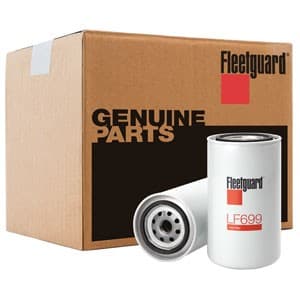
LF699 - Full-Flow Spin-On (QTY 12) Lube Filter
SKU: LF699
59 in stock
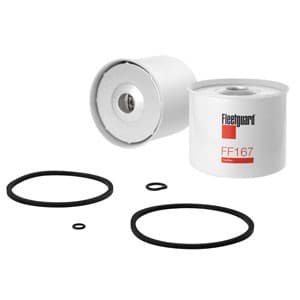
FF167J - Fuel (QTY 1) Filter
SKU: FF167J
Out of stock
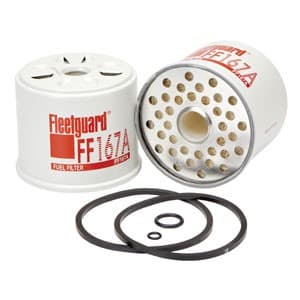
FF167AJ - Cartridge (QTY 1) Fuel Filter
SKU: FF167AJ
Out of stock
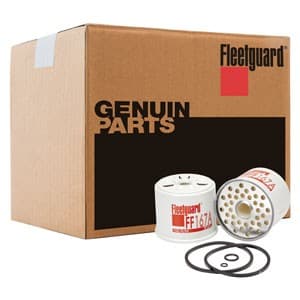
FF167A - Cartridge (QTY 12) Fuel Filter
SKU: FF167A
7 in stock
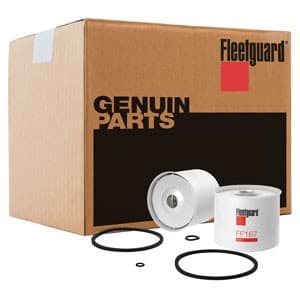
FF167 - Cartridge (QTY 12) Fuel Filter
SKU: FF167
Out of stock
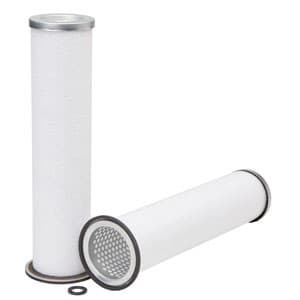
AF4103 - Secondary (QTY 1) Air Filter
SKU: AF4103
55 in stock
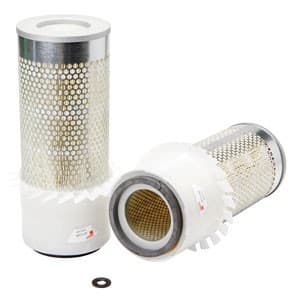
AF1733K - Primary (QTY 1) Air Filter
SKU: AF1733K
6 in stock