



Massey Ferguson 25 Combine Parts
25 parts and accessories
The Massey Ferguson 25 combine, produced from the late 1960s through the 1970s, was a popular choice for farmers looking for a reliable and efficient grain harvesting solution. Typically powered by a diesel engine in the 100-130 HP range, and with header widths ranging from 13 to 20 feet, the MF 25's conventional separator system provided a robust and straightforward method for threshing a variety of crops, making it a trusted machine for many operations.
The Massey Ferguson 25 combine was introduced in the late 1960s as a successor to earlier MF combine models, offering increased capacity and improved performance. Production continued into the 1970s, with minor updates throughout its run. The MF 25 was typically powered by a Perkins diesel engine, ranging in power from approximately 100 to 130 HP, with a displacement of around 354 cubic inches. It utilized a conventional threshing system, featuring a cylinder typically around 42 inches wide with rasp bars, and a concave separating the grain from the chaff. The grain tank capacity was around 100-120 bushels, and the unloading auger could unload at a rate of approximately 25-35 bushels per minute. Available header widths ranged from 13 to 20 feet, allowing for efficient harvesting in varying field conditions. Chopper and spreader options were available to manage crop residue. Cab features were generally basic, offering protection from the elements. The MF 25 excelled at harvesting wheat, soybeans, and corn, thanks to its robust threshing system and adaptable header options.
Specifications
| Engine | Perkins 354 100-130 HP Diesel |
|---|---|
| Separator Type | Conventional - 42 inch cylinder width |
| Grain Tank | 100-120 bushels |
| Unloading Rate | 25-35 bu/min |
| Header Widths | 13-20 ft |
| Fuel Capacity | Unknown gallons |
| Weight | Unknown lbs |
| Years Produced | Late 1960s - 1970s |
Maintenance Tips
- Regularly inspect and adjust concave clearance to optimize threshing performance and minimize grain loss.
- Check belt and chain tension to ensure proper operation and prevent slippage or breakage.
- Clean sieves and chaffers frequently to maintain airflow and prevent grain contamination.
- Grease bearings according to the manufacturer's recommendations to ensure smooth operation and extend component life.
- Before each harvest season, inspect all moving parts and replace any worn or damaged components to prevent breakdowns during critical harvesting periods.
History & Background
The Massey Ferguson 25 was introduced as an upgrade to previous MF combines, offering improved harvesting capabilities for the time. While not featuring major redesigns during its production run, it represented a significant step forward in terms of capacity and reliability for Massey Ferguson's combine lineup. It contributed to the company's reputation as a manufacturer of dependable agricultural equipment.
Frequently Asked Questions
What engine is in the Massey Ferguson 25?
The Massey Ferguson 25 typically used a Perkins 354 diesel engine, producing between 100 and 130 horsepower with a 354 cubic inch displacement.
What is the grain tank capacity on a 25?
The grain tank capacity of the Massey Ferguson 25 combine is around 100 to 120 bushels, with an unloading rate of approximately 25 to 35 bushels per minute.
What type of separator does the 25 have?
The Massey Ferguson 25 utilizes a conventional threshing system with a 42-inch wide cylinder and rasp bars to separate the grain from the crop material.
What are common parts needed for the 25?
Common wear parts for the Massey Ferguson 25 include concaves, rasp bars, belts, chains, bearings, auger fingers, and sickle sections.
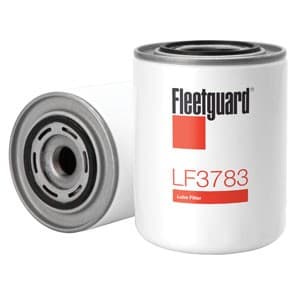
LF3783J - Spin-On (QTY 1) Lube Filter
SKU: LF3783J
Out of stock
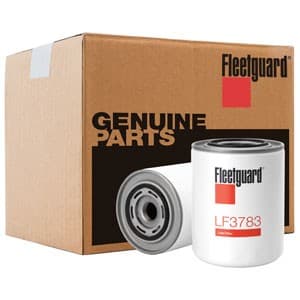
LF3783 - Spin-On (QTY 12) Lube Filter
SKU: LF3783
13 in stock

HF6177J - Spin-On (QTY 1) Hydraulic Filter
SKU: HF6177J
Out of stock
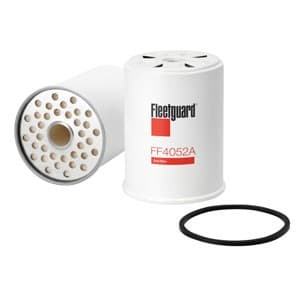
FF4052AJ - Fuel (QTY 1) Filter
SKU: FF4052AJ
Out of stock
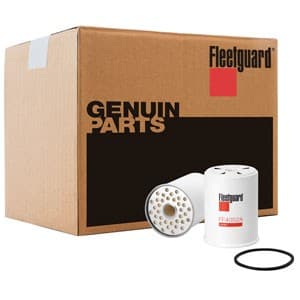
FF4052A - Fuel (QTY 12) Filter
SKU: FF4052A
4 in stock