



Massey Ferguson 38 Combine Parts
38 parts and accessories
The Massey Ferguson 38 combine, a workhorse on farms from the late 1970s through the early 1980s, delivered dependable performance. This combine, typically powered by a diesel engine in the 135-150 HP range, offered header widths up to 20 feet. Its conventional separator system and reputation for reliability made it a popular choice for farmers harvesting wheat, soybeans, and corn during its production run.
The Massey Ferguson 38 combine was a staple in many fields during its production run, primarily spanning the late 1970s and early 1980s. Powering this combine was often a Perkins 6.247 diesel engine, delivering approximately 135-150 horsepower with a displacement around 378 cubic inches. It utilized a conventional threshing system featuring a cylinder with rasp bars and a concave for efficient grain separation. The grain tank capacity held around 145 bushels, and its unloading auger could discharge grain at a rate of approximately 40 bushels per minute. Available header widths typically ranged from 13 to 20 feet, accommodating various field sizes and crop types. Chopper and spreader options were available for residue management. While cab features were relatively basic compared to modern combines, they offered protection from the elements. The MF 38 was well-suited for harvesting crops such as wheat, soybeans, and corn, showcasing its versatility across different grain types.
Specifications
| Engine | Perkins 6.247 135-150 HP 378 cu in Diesel |
|---|---|
| Separator Type | Conventional - Cylinder with Rasp Bars and Concave |
| Grain Tank | 145 bushels |
| Unloading Rate | 40 bu/min |
| Header Widths | 13-20 ft |
| Fuel Capacity | 60 gallons |
| Weight | Approx. 14,000 lbs |
| Years Produced | Late 1970s - Early 1980s |
Maintenance Tips
- Concave Adjustment: Regularly check and adjust the concave clearance to optimize threshing performance and minimize grain damage, especially when switching between different crops.
- Belt and Chain Tension: Inspect all belts and chains for proper tension and wear. Loose belts or chains can lead to slippage and reduced efficiency, while overly tight ones can cause premature failure.
- Sieve and Chaffer Cleaning: Clean the sieves and chaffer screens frequently to prevent blockages and ensure efficient grain cleaning. Debris buildup can significantly reduce harvesting capacity.
- Bearing Greasing: Regularly grease all bearings according to the manufacturer's recommendations to prevent friction and wear, extending their lifespan and ensuring smooth operation.
History & Background
The Massey Ferguson 38 combine was introduced as a mid-sized combine designed for versatility and reliability. While there were no major redesigns during its production run, it remained a popular option for farmers seeking a dependable combine at a reasonable price point. It helped solidify Massey Ferguson's reputation for durable and effective harvesting equipment.
Frequently Asked Questions
What engine is in the Massey Ferguson 38?
The Massey Ferguson 38 typically features a Perkins 6.247 diesel engine, producing between 135 and 150 horsepower with a displacement of 378 cubic inches.
What is the grain tank capacity on a 38?
The Massey Ferguson 38 combine has a grain tank capacity of approximately 145 bushels and an unloading rate of around 40 bushels per minute.
What type of separator does the 38 have?
The Massey Ferguson 38 utilizes a conventional threshing system with a cylinder and concave. Grain is separated by rasp bars on the rotating cylinder passing closely over the concave, allowing grain to fall through.
What are common parts needed for the 38?
Common wear parts for the Massey Ferguson 38 include concaves, rasp bars, belts, chains, bearings, auger fingers, and sickle sections. Regular replacement of these parts helps maintain optimal performance.
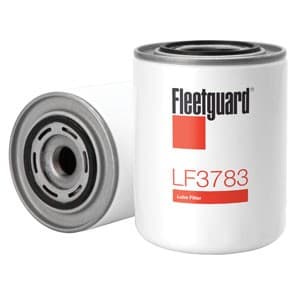
LF3783J - Spin-On (QTY 1) Lube Filter
SKU: LF3783J
Out of stock
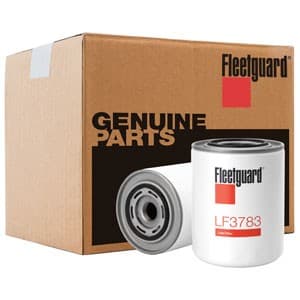
LF3783 - Spin-On (QTY 12) Lube Filter
SKU: LF3783
13 in stock
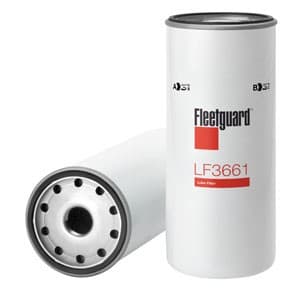
LF3661J - Spin-On (QTY 1) Lube Filter
SKU: LF3661J
Out of stock

LF3349J - Full-Flow Spin-On (QTY 1) Lube Filter
SKU: LF3349J
Out of stock

LF3349 - Full-Flow Spin-On (QTY 12) Lube Filter
SKU: LF3349
12 in stock
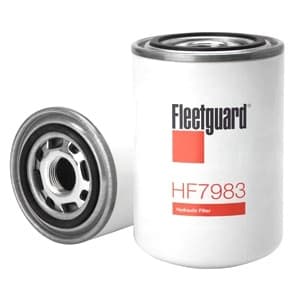
HF7983J - Spin-On (QTY 1) Hydraulic Filter
SKU: HF7983J
Out of stock
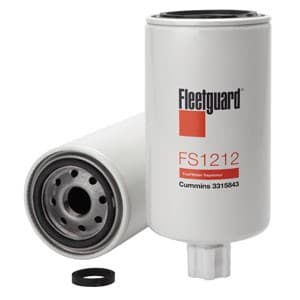
FS1212J - Spin-On (QTY 1) Fuel/Water Separator
SKU: FS1212J
Out of stock
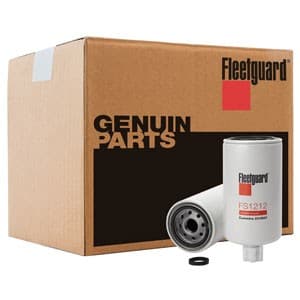
FS1212 - Spin-On (QTY 12) Fuel/Water Separator
SKU: FS1212
53 in stock
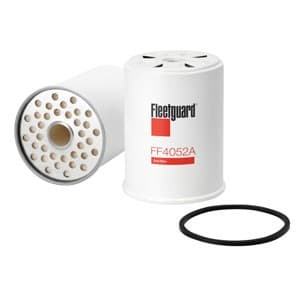
FF4052AJ - Fuel (QTY 1) Filter
SKU: FF4052AJ
Out of stock
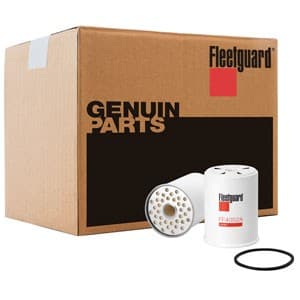
FF4052A - Fuel (QTY 12) Filter
SKU: FF4052A
4 in stock
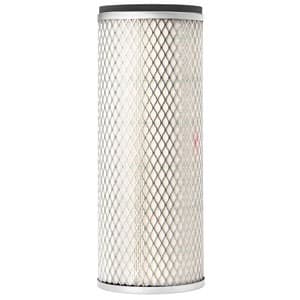
AF4761M - Secondary (QTY 1) Air Filter
SKU: AF4761M
3 in stock