








Riding Mower Rear Wheel: Rim & Tire Assembly
A riding mower's rear wheels are crucial for traction and stability. This guide covers everything you need to know about tires, rims, assemblies, and how to keep them in top condition, from replacement to maintenance.
Your riding mower's rear wheels are more than just circles that make it go. They're a critical part of the transmission and drive system, providing the necessary traction for efficient cutting and maneuverability. Whether you're tackling a flat tire, considering an upgrade, or simply performing routine maintenance, understanding the components and their function is key. This guide will walk you through everything you need to know about riding mower rear wheels, from tire types to rim selection and maintenance tips.
Recommended Parts for This Guide
4 parts we recommend — in stock, ships fast, one-click add to cart.
🔍 Looking for a specific part? Try our AI Part Finder — tell it your equipment and what you need, and it will find matching parts instantly.
Anatomy of a riding mower rear wheel assembly
Let's break down the components that make up a riding mower rear wheel assembly:
- Tire: The rubber component that makes contact with the ground, providing traction and cushioning. Tire pressure plays a vital role in performance.
- Rim (or Wheel): The metal structure that supports the tire and connects it to the axle.
- Valve Stem: Allows you to inflate or deflate the tire. We offer various QuikStem Tire Valve Stems for different stem hole sizes.
- Wheel Bearings: Located within the wheel hub (or sometimes integrated into the lawn tractor wheel bearings) they allow the wheel to rotate smoothly on the axle.
Types of Riding Mower Rear Tires
Choosing the right tire type can significantly impact your mower's performance. Here are some common options:
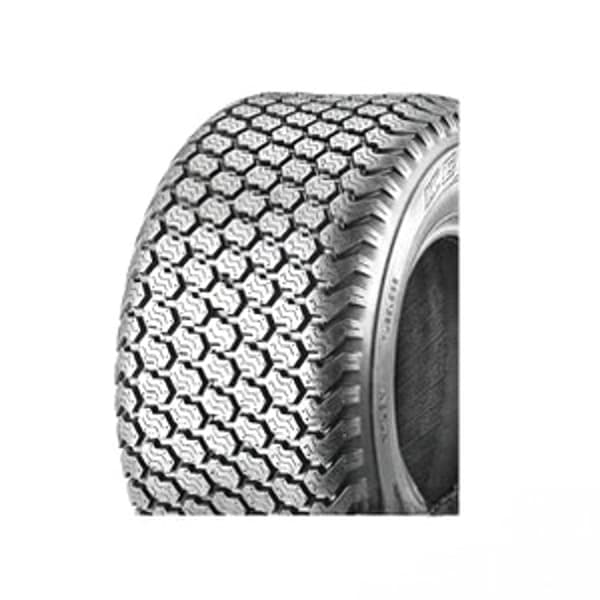
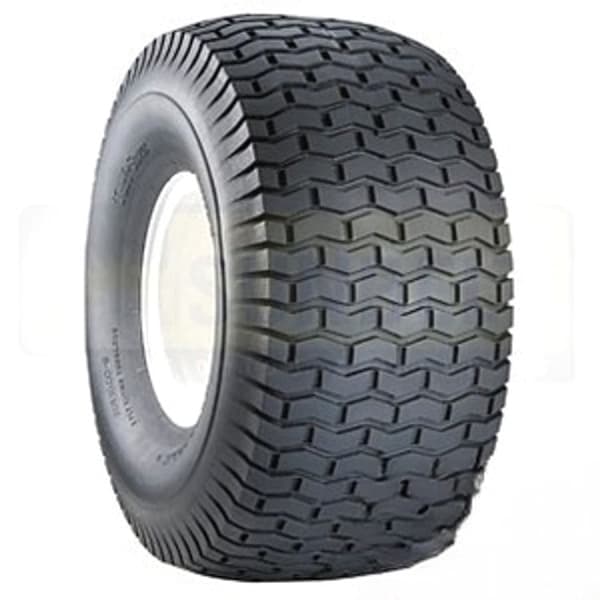
- Turf Tires: These are the most common type, designed to provide good traction without damaging your lawn. They feature a shallow tread pattern with rounded shoulders. Examples include the Hi-Run SuTong 4 Ply Turf Tire and the Carlisle Turf Saver 2 Ply Tire.
- Lug Tires: Offer aggressive traction, ideal for hilly terrain or wet conditions. They have a deeper tread pattern but can potentially tear up your lawn if used on delicate grass.
- Ribbed Tires: Primarily used on the front wheels for steering, but can be found on the rear of some older models.
- Multi-Trac Tires: A hybrid option offering a balance between turf-friendliness and traction.
When selecting a tire, pay attention to the size markings on the sidewall. These markings indicate the tire's width, height, and rim diameter (e.g., 20x8-8). Make sure any replacement tires match the original size specified for your mower.
Understanding Rim materials and Sizes
Riding mower rims are typically made from steel or occasionally aluminum. Steel rims are more durable and cost-effective, while aluminum rims are lighter and resist corrosion better. Rim size is crucial for proper tire fitment. The diameter and width of the rim must match the tire's specifications. Common rim sizes include 8-inch, 10-inch, and 12-inch. When replacing a rim, always check your mower's manual or the original rim for the correct size.
Maintaining Proper Tire Pressure
Proper tire pressure is crucial for optimal performance, even wear, and safety. Overinflated tires can lead to a harsh ride, reduced traction, and potential tire damage. Underinflated tires can cause excessive wear, poor fuel economy, and make the mower harder to steer. Consult your owner's manual or the tire sidewall for the recommended tire pressure (usually measured in PSI - Pounds per Square Inch). A simple tire pressure gauge can help you maintain the correct pressure. Check the pressure regularly, especially before each mowing session.
Replacing a Riding Mower Rear Wheel Assembly
Replacing a riding mower rear wheel assembly is a straightforward process. Here's a step-by-step guide:
- Safety First: Disconnect the spark plug wire to prevent accidental starting. Engage the parking brake.
- Raise the Mower: Use a jack to lift the mower and support it with jack stands. Ensure the mower is stable and secure before proceeding.
- Remove the Wheel: Remove the wheel hub or axle cover, cotter pin, or retaining clip securing the wheel to the axle.
- Slide Off the Old Wheel: Carefully slide the old wheel assembly off the axle. You might need to use a penetrating lubricant if it's stuck.
- Install the New Wheel: Slide the new wheel assembly onto the axle. Ensure it's properly seated.
- Secure the Wheel: Reinstall the retaining clip, cotter pin, or hub cover to secure the wheel.
- Lower the Mower: Carefully lower the mower and remove the jack stands.
- Reconnect the Spark Plug: Reconnect the spark plug wire.
- Test the Mower: Start the mower and test the new wheel assembly.
Safety Warning: Always use jack stands when working under a riding mower. Never rely solely on a jack to support the mower's weight.
Routine Maintenance for Longevity
Regular maintenance can extend the life of your riding mower rear wheels. Here are some essential tasks:
- Inspect Tires Regularly: Check for signs of wear, damage, or punctures.
- Maintain Proper Tire Pressure: As discussed earlier, this is crucial for performance and tire life.
- Lubricate Wheel Bearings: Periodically grease the wheel bearings to ensure smooth rotation. If your mower has sealed bearings, this may not be necessary.
- Clean the Wheels: Remove debris, dirt, and grass clippings from the wheels and rims.
- Check for Loose Hardware: Ensure all nuts and bolts are tightened to the correct torque specifications.
- Inspect the Axle Seal: If you notice oil leaking from the rear axle, the riding mower rear axle seal may need replacing.
Brand Compatibility: John Deere, Cub Cadet, Craftsman, and More
Madison Tractor Company carries a wide selection of riding mower rear wheels and related parts compatible with various brands, including John Deere, Craftsman, Cub Cadet, Husqvarna, Toro, Ariens, Murray, Hustler, Scag, Exmark, Ferris, Snapper, Simplicity, and Dixie Chopper. When selecting a replacement wheel, be sure to choose one specifically designed for your mower's make and model.
Note: Part availability can vary. It's best to search by your model number to find compatible parts.
Other Transmission & Drive System Components
Don't neglect the other vital components of your mower's drive system! Maintaining the riding mower drive belt, ensuring proper hydrostatic transmission fluid levels (if applicable), and keeping the lawn tractor transaxle in good working order are essential for smooth operation. Also remember to keep up with regular maintenance on other parts like belts, blades, spindles, pulleys, filters, spark plugs, bearings and shear pins.
Shop Riding Mower Rear Wheel Assemblies at Madison Tractor Company
At Madison Tractor Company, we're committed to providing high-quality riding mower parts at competitive prices. Whether you need a complete rear wheel assembly, a new tire, or replacement bearings, we have you covered. Browse our extensive selection of riding mower tires and other related parts today and keep your mower running smoothly for years to come!
🔍 Can't Find Your Part?
Use our AI-Powered Part Finder to search by your equipment's make, model, and what you need. It's the fastest way to find the exact part for your machine.
Try the Part Finder →Part of our comprehensive guide
Mower Transmission Parts Guide: Transaxle, Drive Belt & Bearings