








Ford 2000 Tractor Carburetor: Holley & Marvel Schebler
This guide provides a comprehensive overview of the Ford 2000 tractor carburetor, covering both Holley and Marvel Schebler models. Learn about common issues, maintenance tips, and identification to keep your tractor running smoothly. Find parts at Madison Tractor!
The Ford 2000 tractor, a popular model from the 1960s, relies on a carburetor to deliver the correct air-fuel mixture to the engine. Two main carburetor brands were commonly used: Holley and Marvel Schebler. Understanding the differences between these, how they function, and how to maintain them is crucial for keeping your Ford 2000 running reliably. This guide from Madison Tractor Company will walk you through everything you need to know.
Recommended Parts for This Guide
9 parts we recommend — in stock, ships fast, one-click add to cart.
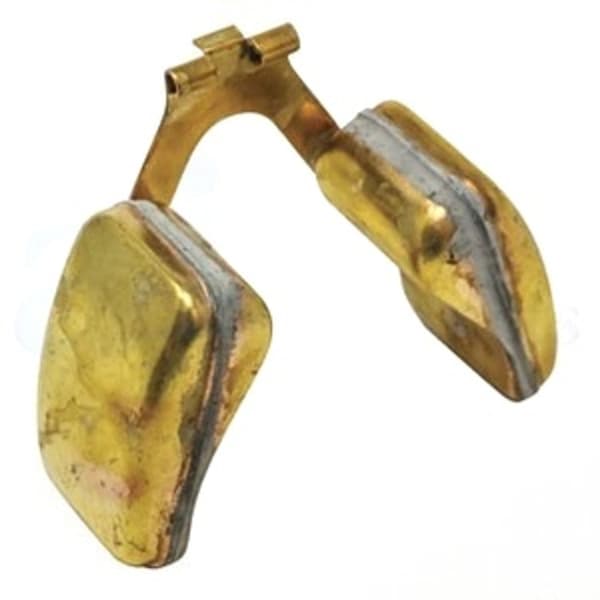
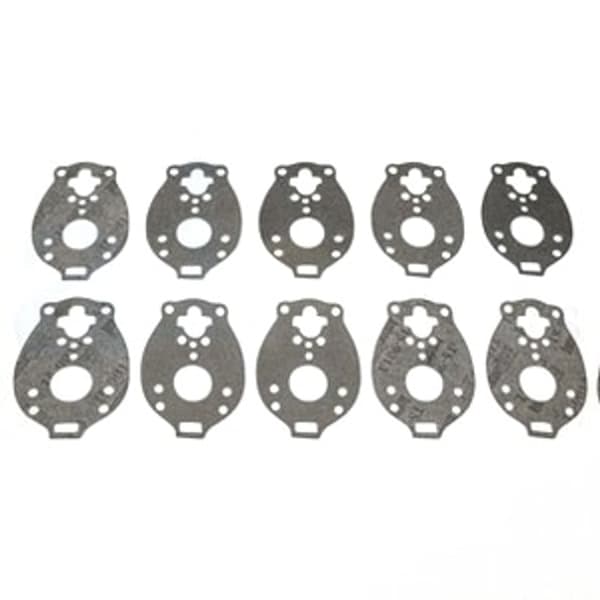
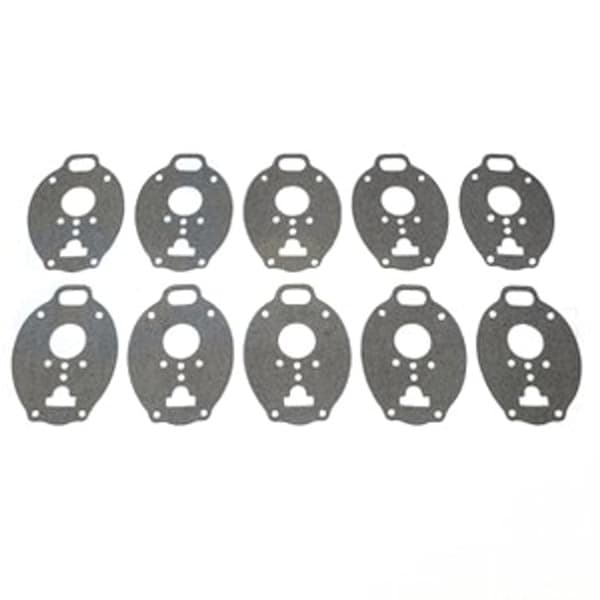
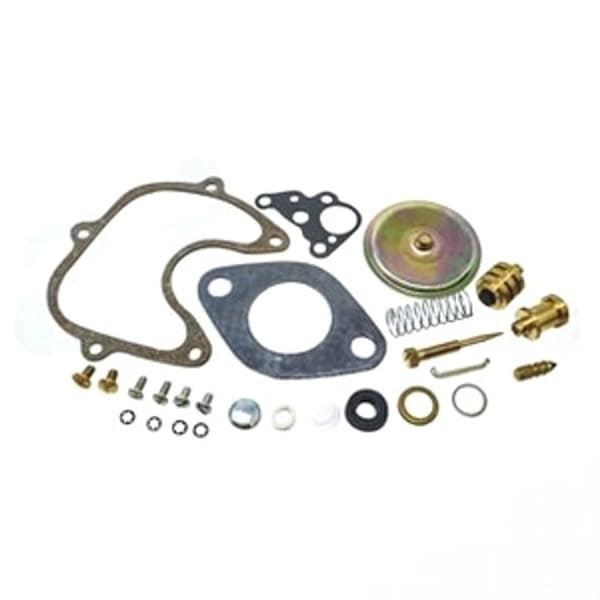
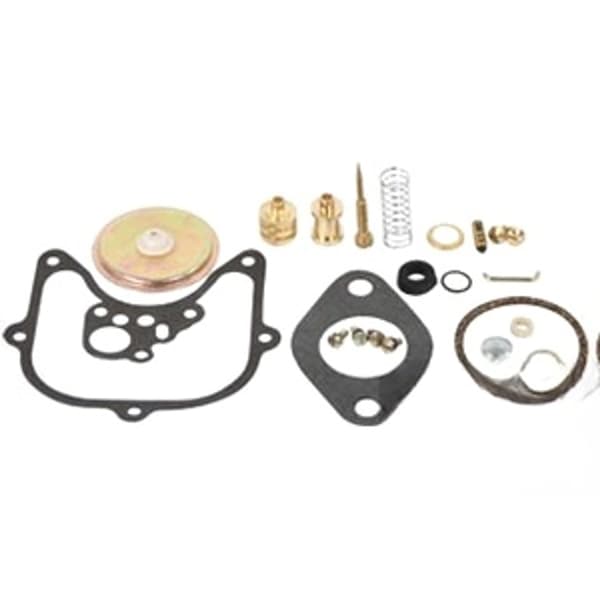
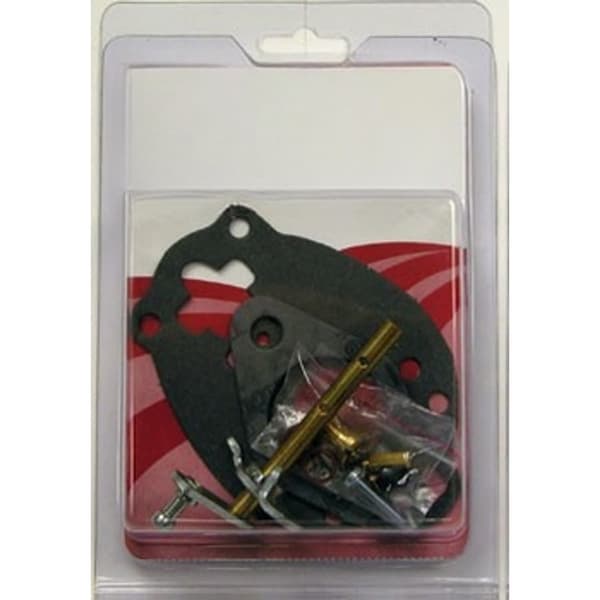
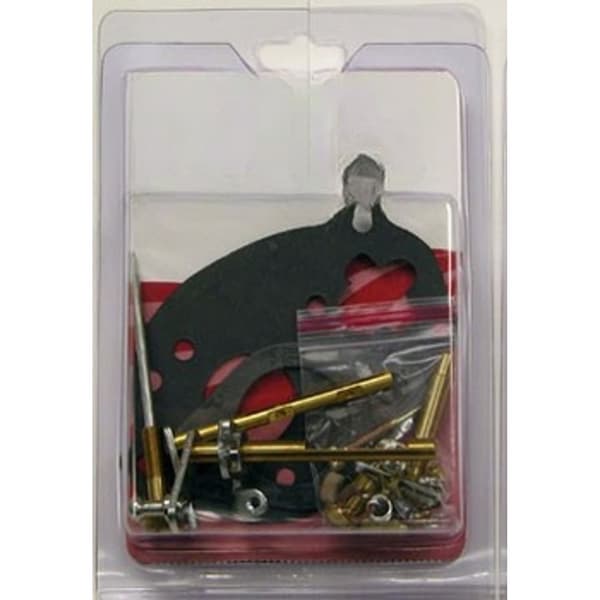
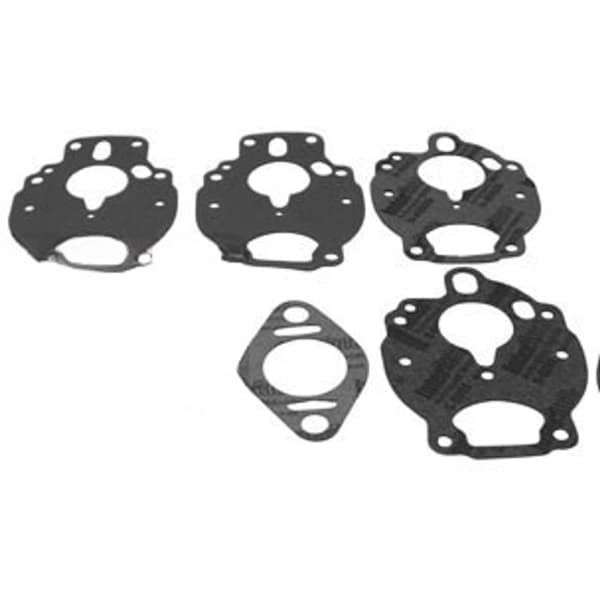
🔍 Looking for a specific part? Try our AI Part Finder — tell it your equipment and what you need, and it will find matching parts instantly.
Identifying Your Ford 2000 Carburetor
The first step is identifying which carburetor is installed on your Ford 2000. Both Holley and Marvel Schebler carburetors were used, and they have distinct visual differences.
Holley Carburetor
- Float Bowl: Typically has a rectangular float bowl attached to the side of the carburetor body.
- Fuel Inlet: The fuel inlet fitting is usually located on the float bowl.
- Model Number: Search available parts
Marvel Schebler Carburetor
- Float Bowl: Features an integrated float bowl, often cast as part of the main carburetor body.
- Fuel Inlet: The fuel inlet is often on the top of the carburetor.
- Model Number: Look for a model number stamped on the carburetor body. A common Marvel Schebler number would be TSX-605.
Once you've identified the manufacturer, note the model number. This number is critical when ordering replacement parts or a rebuild kit. Madison Tractor Company carries a wide selection of carburetor parts and rebuild kits for Holley and Marvel Schebler carburetors used on Ford tractors, including the 2000 series. We also carry carburetors for John Deere, Case IH, New Holland, Massey Ferguson, Kubota, Allis Chalmers, Deutz, International Harvester, Oliver, White, Gleaner, Vermeer, Hesston, Mahindra, and Zetor tractors.
Common Ford 2000 Carburetor Problems
Several issues can plague the Ford 2000 carburetor. Recognizing these problems early can save you time and money on repairs.
- Hard Starting: Difficulty starting, especially when cold, can indicate a lean fuel mixture. This can be caused by a clogged idle circuit or a malfunctioning choke.
- Rough Idling: An uneven or unstable idle often points to a vacuum leak or a dirty carburetor.
- Hesitation: If the engine hesitates or stumbling when accelerating, the accelerator pump circuit may be faulty.
- Flooding: Fuel leaking from the carburetor indicates a stuck float or a leaky needle valve.
- Black Smoke: Excessive black smoke from the exhaust signifies a rich fuel mixture, which can be caused by a stuck choke or a misadjusted carburetor.
- Fuel Leaks: Fuel leaks are a fire hazard and should be addressed immediately. They can stem from deteriorated gaskets or loose fittings.
Regularly checking your tractor fuel system components, including the tractor fuel pump, is essential for optimal performance. Don't forget to inspect fuel lines for cracks or leaks.
Troubleshooting Your Ford 2000 Carburetor
Before disassembling your carburetor, try these troubleshooting steps:
- Check the Fuel Supply: Ensure the fuel tank has sufficient fuel and the fuel shut-off valve is open. Also inspect the Ford Tractor Fuel Pump for proper operation. A faulty fuel pump can starve the carburetor of fuel.
- Inspect the Fuel Filter: A clogged fuel filter can restrict fuel flow to the carburetor. Replace the fuel filter if necessary.
- Check for Vacuum Leaks: Use carburetor cleaner or propane to check for vacuum leaks around the carburetor base, intake manifold, and vacuum lines. Spray small amounts of cleaner around the suspected leak areas. If the engine speed increases, you've found a leak.
- Adjust the Idle Mixture: With the engine warmed up, adjust the idle mixture screw for the smoothest idle. Refer to your tractor's service manual for the recommended procedure.
- Check the Choke: Ensure the choke plate opens and closes freely. A stuck choke can cause hard starting or a rich fuel mixture.
Cleaning and Rebuilding the Carburetor
If troubleshooting doesn't solve the problem, cleaning or rebuilding the carburetor may be necessary. Here's a general overview of the process:
- Safety First: Disconnect the battery and work in a well-ventilated area. Gasoline is flammable!
- Remove the Carburetor: Carefully disconnect the fuel lines, linkage, and any vacuum lines attached to the carburetor.
- Disassemble the Carburetor: Follow the instructions in your service manual or the rebuild kit. Take pictures as you disassemble the carburetor to help with reassembly.
- Clean the Components: Use carburetor cleaner to thoroughly clean all parts. Pay special attention to jets and passages. Use compressed air to blow out any remaining debris. Do NOT use wire to clean jets, as this can damage them.
- Inspect the Parts: Check the float (or smaller bowl float) for leaks, the needle valve for wear, and the gaskets for damage. Replace any worn or damaged parts.
- Reassemble the Carburetor: Follow the instructions in the rebuild kit or your service manual to reassemble the carburetor. Use new gaskets (or a 10-pack of gaskets) and seals.
- Install the Carburetor: Reconnect the fuel lines, linkage, and vacuum lines.
- Adjust the Carburetor: Adjust the idle mixture and idle speed according to your tractor's service manual.
Torque Specifications: When reinstalling the carburetor, refer to your Ford 2000 service manual for proper torque specifications for the mounting bolts. Overtightening can damage the carburetor or intake manifold.
Safety Warning: Always disconnect the battery before working on the fuel system. Work in a well-ventilated area and avoid open flames or sparks. Gasoline is highly flammable and can cause serious injury or death.
Preventative Maintenance for Your Ford 2000 Carburetor
Regular maintenance can help prevent carburetor problems and extend the life of your Ford 2000 tractor.
- Use Fresh Fuel: Avoid using old or stale fuel, as it can gum up the carburetor.
- Add Fuel Stabilizer: If you're storing your tractor for an extended period, add fuel stabilizer to the fuel tank to prevent fuel degradation.
- Regularly Inspect Fuel Lines: Check fuel lines for cracks and leaks. Replace them as needed.
- Replace the Fuel Filter: Replace the fuel filter at least once a year, or more often if you're operating in dusty conditions.
- Consider a Fuel Additive: Some fuel additives can help clean the carburetor and improve engine performance.
Other Important Fuel System Components
While the carburetor is a critical component, other parts of the fuel system also impact performance. These include:
- tractor fuel tank: Check for rust or leaks.
- Tractor Fuel Lines: Replace cracked or brittle lines.
- Tractor Fuel Pump: Ensure it provides adequate fuel pressure.
- Tractor Diesel Injectors (Diesel Models Only): Keep injectors clean and properly functioning.
- Air Filter: A clean air filter is essential for proper air-fuel mixture.
Madison Tractor Company carries a wide range of parts for Ford tractors and other brands like John Deere tractor carburetors, Massey Ferguson Carburetors, and Farmall Carburetors. We also stock other components, such as radiators, water pumps, starters, alternators, hydraulic pumps, cylinders, clutch kits, PTO parts, filters, gaskets, pistons, bearings, seals, and belts.
Shop Ford 2000 Carburetor Parts at Madison Tractor
Keeping your Ford 2000 tractor running smoothly requires quality parts and reliable information. Madison Tractor Company is your trusted source for Ford tractor parts, including carburetors, rebuild kits, and other fuel system components. We also carry parts for other major brands like John Deere, Case IH, New Holland, and Massey Ferguson. Shop our extensive online catalog or contact our knowledgeable staff for assistance. We're here to help you keep your tractor in top condition!
🔍 Can't Find Your Part?
Use our AI-Powered Part Finder to search by your equipment's make, model, and what you need. It's the fastest way to find the exact part for your machine.
Try the Part Finder →Part of our comprehensive guide
Tractor Fuel System Guide: Carburetor, Injection & Fuel Pump Parts