








Ford 600 & 800 Tractor Carburetor: TSX Rebuild Kit
Is your Ford 600 or 800 series tractor running rough? A carburetor rebuild might be the answer. This guide covers diagnosing carburetor problems and rebuilding your TSX carburetor for peak performance.
The Ford 600 and 800 series tractors, popular workhorses from the mid-1950s, rely on a carburetor to mix fuel and air for combustion. Over time, the carburetor can become clogged, worn, or otherwise compromised, leading to poor engine performance. A common carburetor found on these models is the Marvel Schebler TSX series. Fortunately, rebuilding your Ford 600 carburetor with a TSX rebuild kit is a straightforward process that can restore your tractor's power and efficiency. Madison Tractor carries rebuild kits for these and many other tractors from brands like John Deere, Massey Ferguson, and Farmall.
Recommended Parts for This Guide
8 parts we recommend — in stock, ships fast, one-click add to cart.
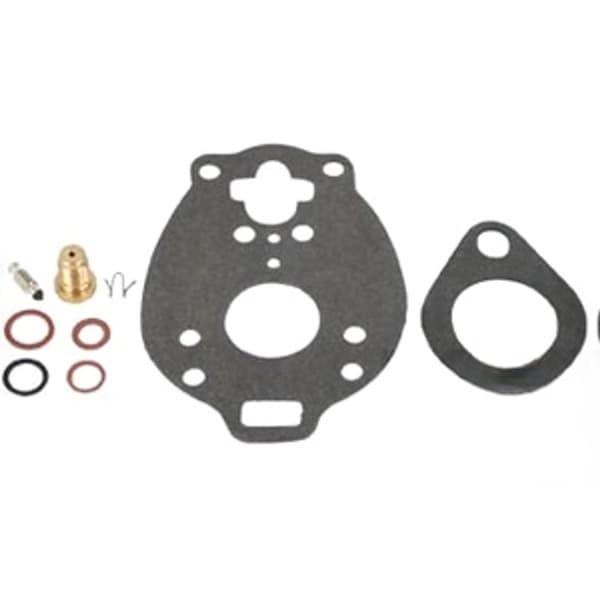
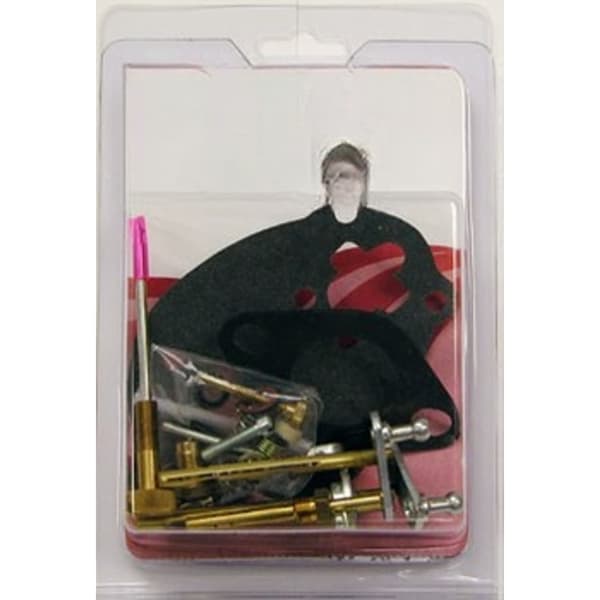
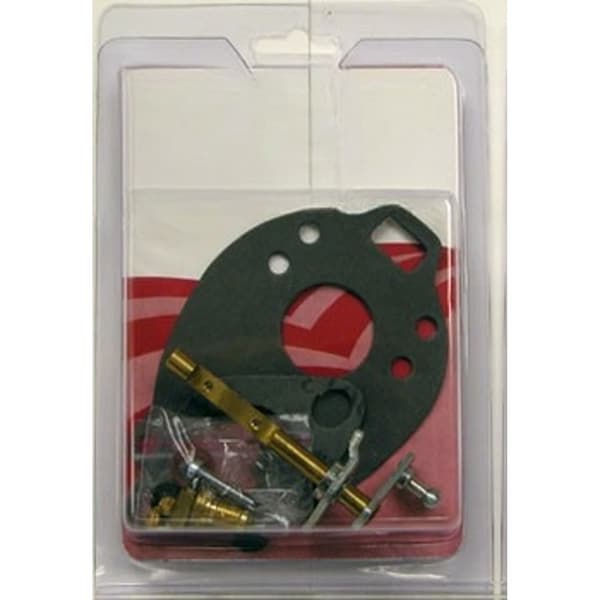
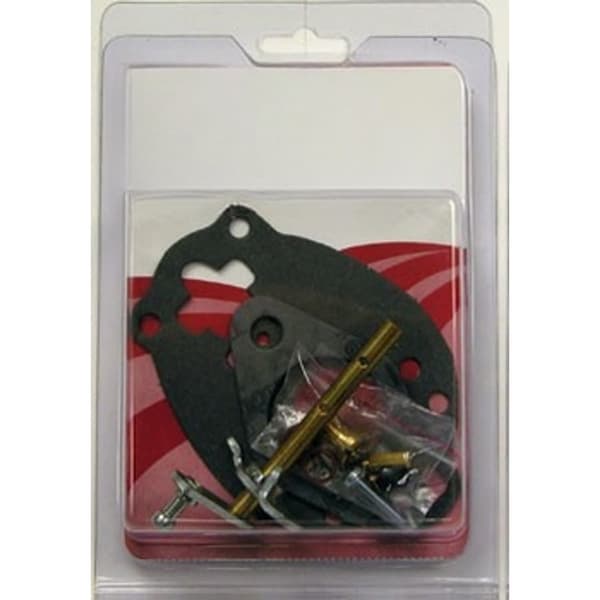
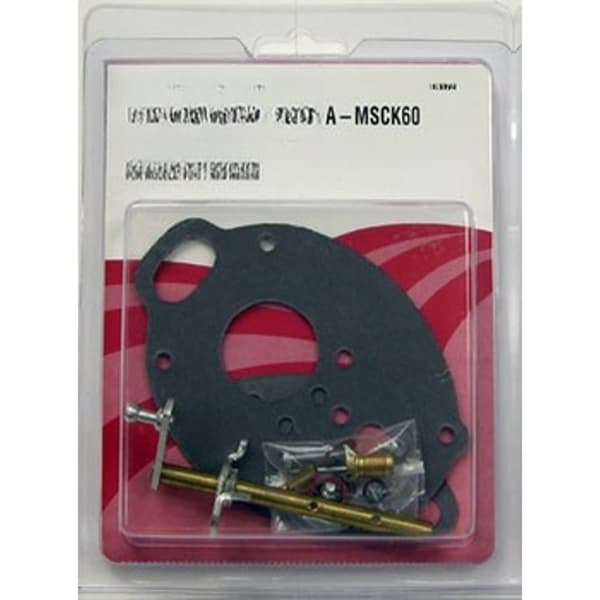
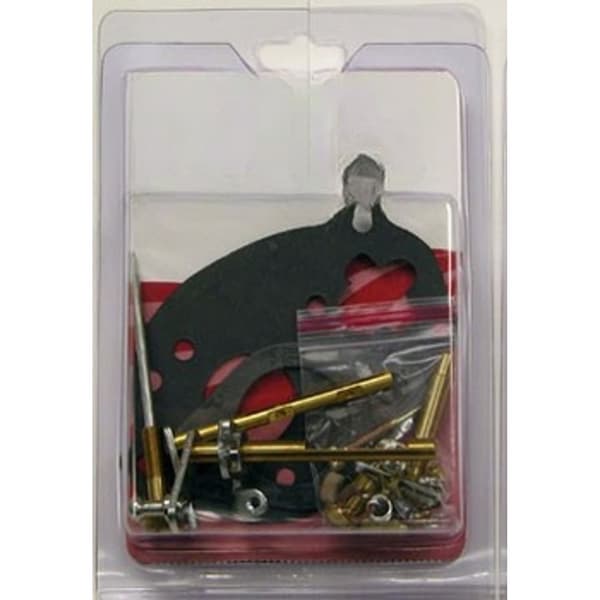
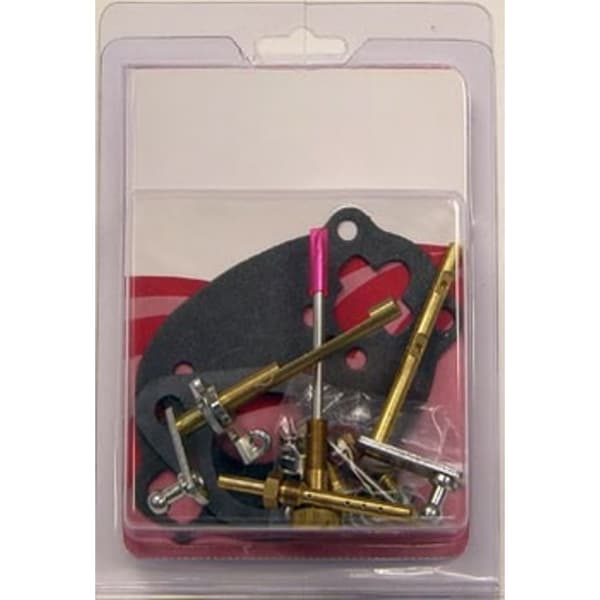
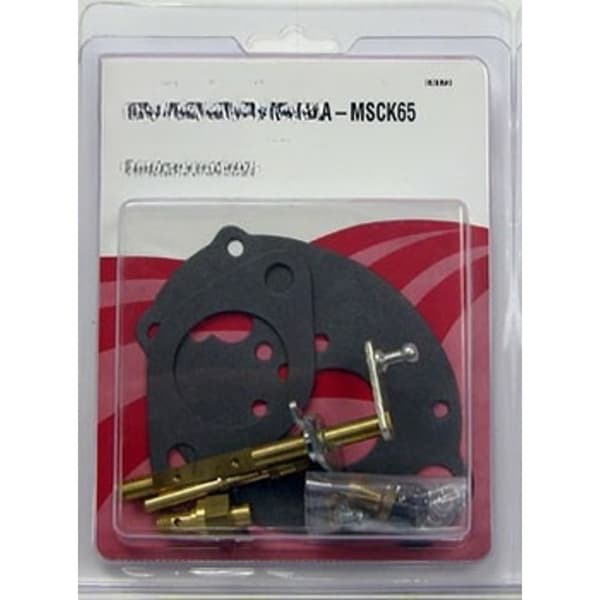
🔍 Looking for a specific part? Try our AI Part Finder — tell it your equipment and what you need, and it will find matching parts instantly.
Diagnosing Ford 600 & 800 Carburetor Problems
Before diving into a rebuild, it's crucial to confirm that the carburetor is indeed the source of your tractor's troubles. Common symptoms of a faulty carburetor include:
- Rough idling
- Difficulty starting
- Black smoke from the exhaust (indicating a rich mixture)
- Lack of power, especially under load
- Engine stalling
- Poor fuel economy
However, these symptoms can also stem from other issues, such as a faulty tractor fuel pump, a clogged fuel filter, or ignition problems. A process of elimination is often necessary.
Here's a simple diagnostic checklist:
- Check the fuel supply: Ensure the fuel tank has sufficient fuel and that the fuel shut-off valve is open. Examine the fuel line for kinks or blockages. Consider replacing the tractor fuel filter.
- Inspect the spark plugs: Remove the spark plugs and check their condition. Fouled or oily plugs can indicate carburetor problems or other engine issues.
- Verify ignition timing: Incorrect ignition timing can mimic carburetor problems. Consult your tractor's service manual for the correct timing specifications.
- Perform a compression test: Low compression can cause similar symptoms to a carburetor issue.
If you've ruled out other potential causes, it's time to focus on the carburetor. A visual inspection can reveal obvious problems, such as fuel leaks, cracked castings, or loose linkages. If the carburetor is coated in grime, cleaning it may temporarily improve performance, but a rebuild is often necessary for a lasting solution.
Tools and Materials Needed
To successfully rebuild your Ford 600 or 800 carburetor, you'll need the following tools and materials:
- TSX carburetor rebuild kit (Specific to your carburetor model – verify the numbers on the carb body)
- Carburetor cleaner solvent
- Small screwdrivers (both flathead and Phillips)
- Wrenches (typically SAE sizes)
- Pliers
- Soft-jawed vise (optional, but helpful)
- Clean rags or paper towels
- Compressed air
- Gasket scraper
- Wire brush
- Camera or smartphone (to document disassembly)
Safety First! Always wear safety glasses and gloves when working with carburetor cleaner and other chemicals. Work in a well-ventilated area to avoid inhaling fumes. Disconnect the battery to prevent accidental sparking.
Carburetor Disassembly
Important: Before you begin, take pictures of the carburetor from multiple angles. This will be invaluable during reassembly.
- Remove the carburetor: Disconnect the fuel line, throttle linkage, and choke linkage from the carburetor. Carefully remove the carburetor from the intake manifold.
- Clean the exterior: Use carburetor cleaner and a wire brush to remove dirt and grime from the outside of the carburetor. This will make it easier to handle and prevent contaminants from entering the internal components during disassembly.
- Disassemble the carburetor: Follow the instructions included in your TSX rebuild kit. Generally, this involves removing the float bowl, float, needle valve, main jet, idle jet, and other small parts. Keep track of the order in which you remove the parts, and place them in a tray or container to avoid losing them.
- Soak and clean the parts: Submerge all metal parts (except for rubber or plastic components) in carburetor cleaner solvent. Let them soak for at least 30 minutes to loosen deposits. Use a small brush to scrub away any remaining grime. Rinse the parts thoroughly with clean water and dry them with compressed air.
- Inspect the components: Carefully examine each part for wear, damage, or corrosion. Pay close attention to the needle valve, float, jets, and gaskets. Replace any parts that are worn or damaged. A basic rebuild kit (such as MSCK47, MSCK54, or 17C661) or a complete kit should include most of these parts.
Tip: If you encounter any stuck screws or jets, apply penetrating oil and let it soak for a while before attempting to remove them. Avoid using excessive force, as this can damage the carburetor body.
Carburetor Reassembly
Refer to your rebuild kit's instructions and the photos you took during disassembly. Here's a general guide:
- Install new gaskets and seals: Replace all gaskets and seals with the new ones from the rebuild kit. Ensure that the gaskets are properly aligned before tightening any screws.
- Install the jets: Install the main jet and idle jet, tightening them securely but not overtightening.
- Install the needle valve and float: Install the needle valve and float, ensuring that the float moves freely. Adjust the float level according to the specifications in your tractor's service manual or the rebuild kit instructions. This is critical for proper fuel delivery.
- Install the float bowl: Attach the float bowl to the carburetor body, using a new gasket. Tighten the screws securely.
- Reinstall linkages: Reconnect the throttle linkage and choke linkage to the carburetor.
Float Level Adjustment: The float level is critical for proper carburetor operation. Too high, and the engine will run rich; too low, and it will run lean. The correct float level specification will be in your tractor's service manual. A common range is between 1/4" and 3/8" from the carburetor body, but always verify.
Carburetor Installation and Adjustment
- Install the carburetor: Mount the rebuilt carburetor back onto the intake manifold, using a new gasket. Tighten the mounting bolts to the specified torque (typically around 15-20 ft-lbs).
- Reconnect linkages and fuel line: Reconnect the throttle linkage, choke linkage, and fuel line to the carburetor.
- Start the engine: Start the engine and let it warm up to operating temperature.
- Adjust the idle mixture: Adjust the idle mixture screw to achieve a smooth idle. Turn the screw in until the engine starts to stumble, then turn it out until the engine runs smoothly. Fine-tune the adjustment for the highest vacuum reading (if you have a vacuum gauge).
- Adjust the idle speed: Adjust the idle speed screw to achieve the correct idle speed (typically around 500-600 RPM). Refer to your tractor's service manual for the specific idle speed setting.
Troubleshooting: If the engine still runs rough after the rebuild, recheck all of your connections and adjustments. A vacuum leak can also cause poor performance. Spray carburetor cleaner around the base of the carburetor and intake manifold while the engine is running. If the engine speed changes, you have a vacuum leak.
Preventative Maintenance
To keep your Ford 600 or 800 tractor running smoothly, consider these preventative maintenance steps:
- Use fresh, clean fuel.
- Add a fuel stabilizer to the fuel when storing the tractor for extended periods.
- Replace the fuel filter regularly.
- Inspect the carburetor periodically for leaks or damage.
Madison Tractor carries a wide variety of parts for your Ford tractor, including radiators, water pumps, starters, alternators, hydraulic pumps, cylinders, clutch kits, PTO parts, fuel pumps, carburetors, injectors, filters, gaskets, pistons, bearings, and seals. We also carry parts for other major brands, including John Deere, Case IH, New Holland, Massey Ferguson, Kubota, Allis Chalmers, Deutz, International Harvester, Oliver, White, Gleaner, Vermeer, Hesston, Mahindra, and Zetor. Don't forget to check out our other helpful articles such as Ford Tractor Carburetor: 2N, 8N, 9N, 600 & 800 Series and John Deere Tractor Carburetor: OEM Part Numbers & Rebuild Kits for more information.
Rebuilding your Ford 600 or 800 series carburetor is a rewarding project that can save you money and keep your tractor running strong for years to come. By following these steps and using the right parts, you can restore your tractor's performance and get back to work.
Note: This guide provides general information and may not apply to all Ford 600 and 800 series tractor models. Always consult your tractor's service manual for specific instructions and specifications.
Ready to get started? Shop our selection of Ford tractor parts today! at Madison Tractor.
🔍 Can't Find Your Part?
Use our AI-Powered Part Finder to search by your equipment's make, model, and what you need. It's the fastest way to find the exact part for your machine.
Try the Part Finder →Part of our comprehensive guide
Tractor Fuel System Guide: Carburetor, Injection & Fuel Pump Parts