








John Deere Tractor Fuel Pump: Gas & Diesel Models
This guide covers John Deere tractor fuel pumps, including mechanical and electric types for both gasoline and diesel engines. Learn about common problems, troubleshooting tips, and how to find the right replacement at Madison Tractor.
Maintaining a properly functioning fuel system is critical to the reliable operation of your John Deere tractor. A key component of this system is the fuel pump, responsible for delivering fuel from the tank to the engine. This guide will cover the different types of John Deere fuel pumps, common issues, troubleshooting tips how to find the right replacement for your machine.
Recommended Parts for This Guide
9 parts we recommend — in stock, ships fast, one-click add to cart.
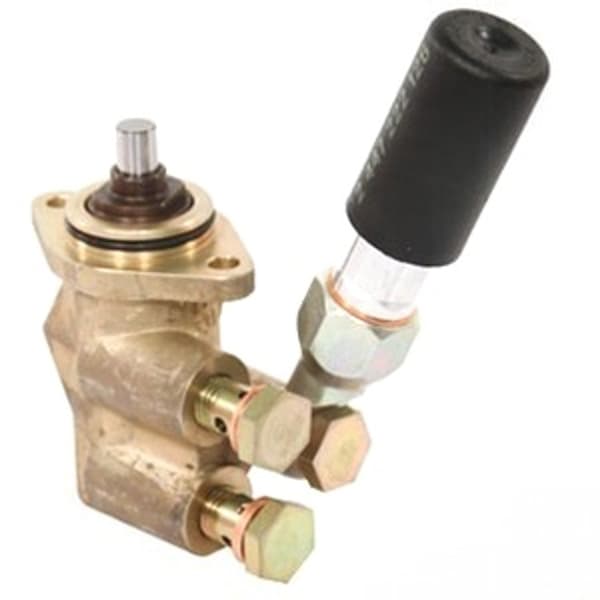
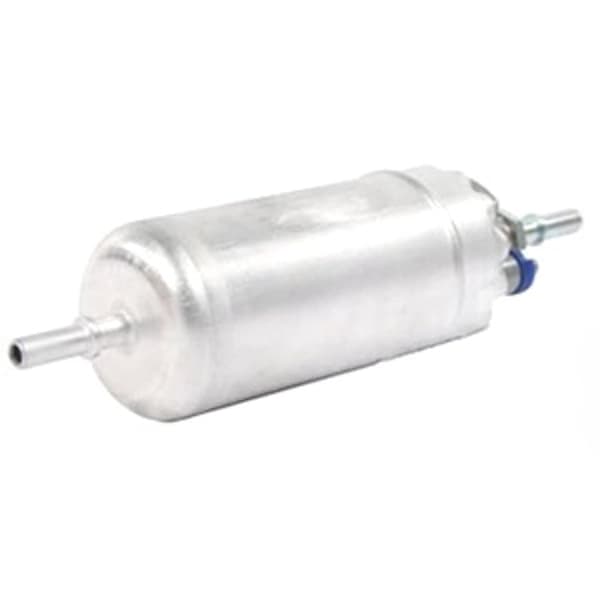
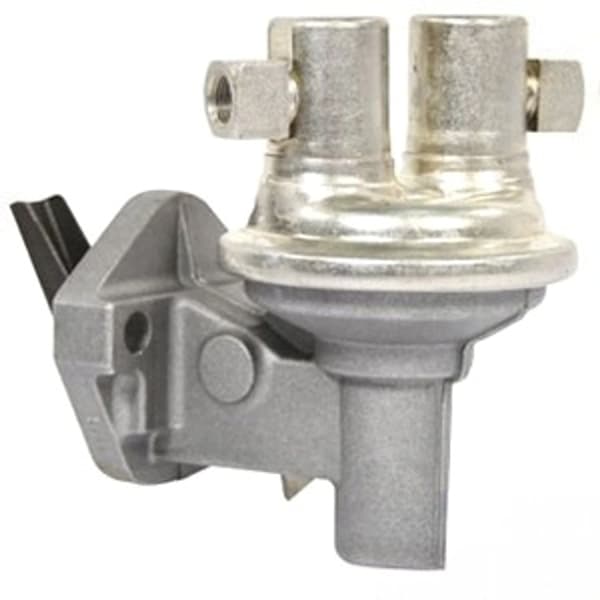
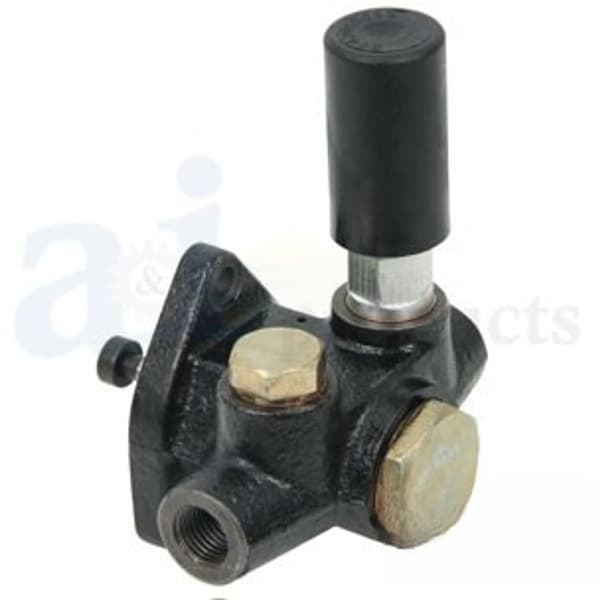
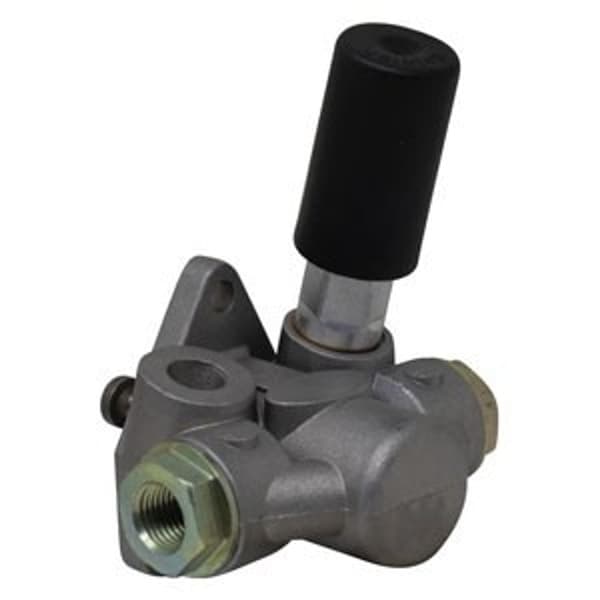
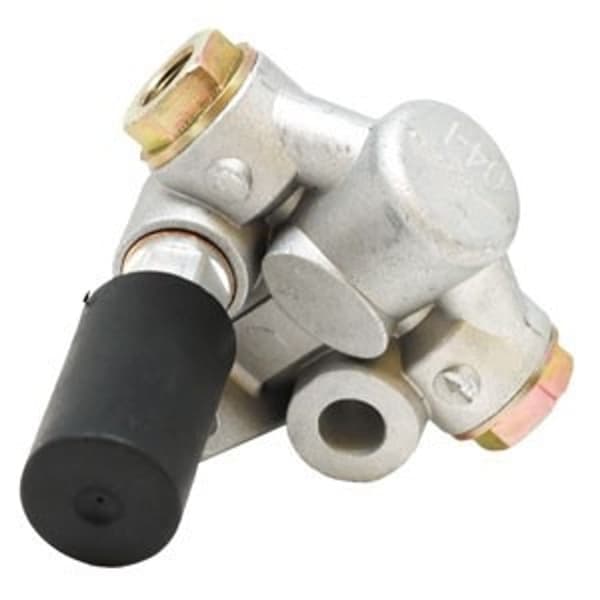
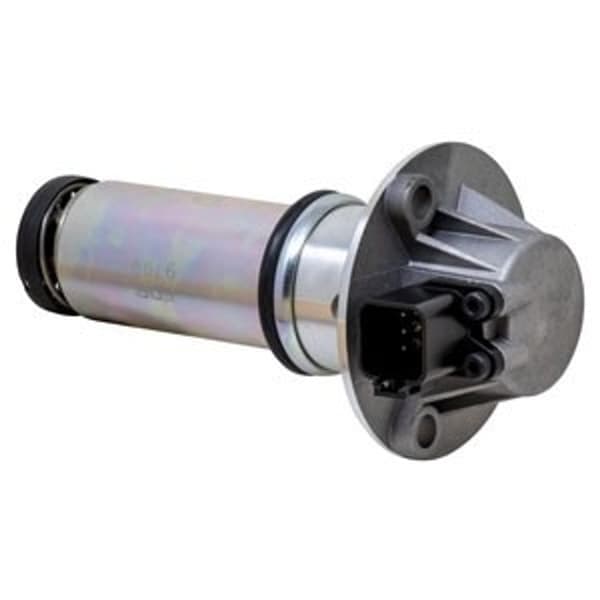
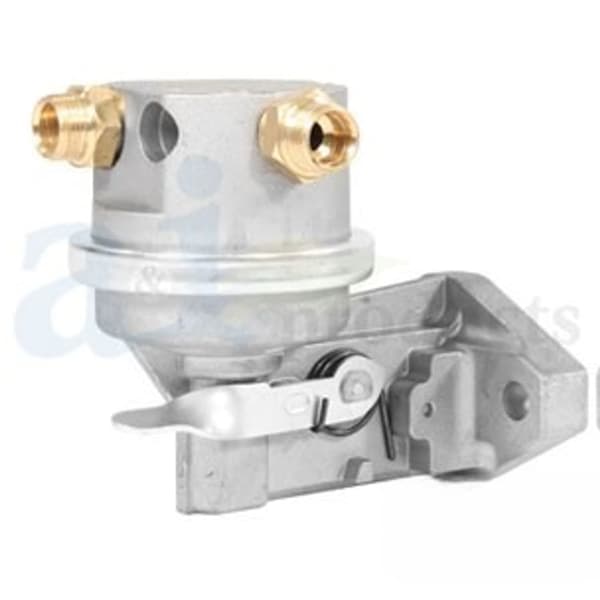
🔍 Looking for a specific part? Try our AI Part Finder — tell it your equipment and what you need, and it will find matching parts instantly.
Types of John Deere Fuel Pumps
John Deere tractors utilize two primary types of fuel pumps: mechanical and electric. The type used depends on the engine (gasoline or diesel) and the specific model of the tractor.
Mechanical Fuel Pumps
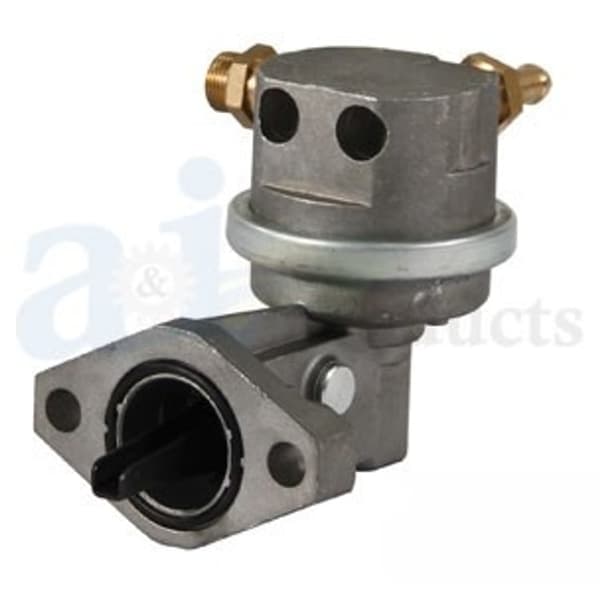
Mechanical fuel pumps are typically found on older gasoline-powered John Deere tractors. These pumps are driven by the engine's camshaft, using a lever arm and diaphragm to create suction and deliver fuel. Some common models that use mechanical fuel pumps
- John Deere A, B, G, D Series
- John Deere 40, 50, 60, 70 Series
- John Deere 1010, 2010 Series
Mechanical pumps are generally reliable but can fail due to diaphragm wear, valve issues, or linkage problems. When replacing a mechanical pump, ensure the new pump matches the original specifications, including the inlet and outlet fittings and lever arm length.
Electric Fuel Pumps
Electric fuel pumps are commonly used on newer gasoline and diesel John Deere tractors. These pumps are electrically powered and provide a more consistent fuel flow. Electric pumps can be located inside the fuel tank (submersible) or outside the tank, inline with the fuel line. Common models using electric fuel pumps include many of the
- John Deere 30 Series tractors
- John Deere 40 Series tractors
- John Deere 50 Series tractors
- John Deere Compact Utility Tractors (e.g., 1025R, 2032R)
Electric pumps are often more susceptible to electrical issues, such as wiring problems, relay failures, or pump motor burnout. Ensure the electrical system is in good condition before replacing an electric fuel pump. Check the tractor fuel pump article for troubleshooting electrical components.
Gasoline vs. Diesel Fuel Pumps
It's crucial to distinguish between gasoline and diesel fuel pumps. Gasoline fuel pumps are designed to handle the lower viscosity and pressure requirements of gasoline. Diesel fuel pumps, on the other hand, must be able to handle the higher viscosity and pressure needed for diesel injection systems. Never use a gasoline fuel pump in a diesel system, or vice versa, as this can lead to serious engine damage.
For gasoline engines, the fuel pump delivers fuel to the carburetor. Many older John Deere tractors, like the Model B, used carburetors therefore, mechanical fuel pumps were standard. For more on carburetors, review the linked article. In diesel engines, the fuel pump supplies fuel to the injection pump, which then delivers fuel to the diesel injectors. The injection pump regulates the timing and amount of fuel delivered for optimal combustion.
Common John Deere Fuel Pump Problems
Several issues can cause a John Deere fuel pump to fail. Here are some common problems
- Pump Failure Mechanical wear, diaphragm rupture (mechanical pumps), or motor burnout (electric pumps) can lead to pump failure.
- Clogged Fuel Filter A clogged fuel filter restricts fuel flow to the pump, causing it to work harder and potentially fail prematurely. Regularly replacing your fuel filter is essential.
- Air Leaks Air leaks in the fuel lines or connections can cause the pump to lose prime and prevent fuel delivery.
- Electrical Issues Wiring problems, faulty relays, or blown fuses can prevent an electric fuel pump from operating.
- Contaminated Fuel Water or debris in the fuel tank can damage the pump and other fuel system components.
- Vapor Lock In hot weather, gasoline can vaporize in the fuel lines, creating vapor bubbles that block fuel flow. This is more common in older systems.
Troubleshooting a John Deere Fuel Pump
Before replacing a fuel pump, it's essential to troubleshoot the system to identify the root cause of the problem. Here are some steps you can take
- Check the Fuel Level Sounds obvious, but ensure there's fuel in the tank.
- Inspect the Fuel Filter Replace the fuel filter if it's dirty or clogged. Madison Tractor offers a wide selection of fuel filters for John Deere tractors, as well as filters for brands like Case IH, Ford, New Holland, Massey Ferguson Kubota.
- Check for Air Leaks Inspect fuel lines and connections for cracks or leaks. Tighten or replace any damaged components.
- Test the Fuel Pump
- Mechanical Pump Disconnect the fuel line at the carburetor and crank the engine. Fuel should pulse from the pump. If not, the pump may be faulty.
- Electric Pump Check for voltage at the pump connector with a multimeter while the ignition is on. If there's no voltage, check the wiring, relay fuse. If there is voltage but the pump isn't running, the pump is likely faulty. You can also try listening for the pump to prime when the ignition is turned on.
- Check the Fuel Lines Ensure the fuel lines are not kinked or blocked.
Safety Warning When working with fuel systems, always disconnect the battery to prevent sparks. Work in a well-ventilated area and avoid open flames.
Replacing a John Deere Fuel Pump
If troubleshooting indicates a faulty fuel pump, replacement is necessary. Here's a general overview of the replacement process
- Disconnect the Battery As mentioned, safety first!
- Drain the Fuel Tank (if necessary) If the fuel pump is located inside the fuel tank, drain the tank before removing the pump.
- Disconnect Fuel Lines Carefully disconnect the fuel lines from the pump, noting their positions. Have a container ready to catch any spilled fuel.
- Disconnect Electrical Connectors (electric pumps) Unplug the electrical connector from the pump.
- Remove the Old Pump Unbolt the pump from the engine or fuel tank.
- Install the New Pump Install the new pump in the reverse order, ensuring all connections are secure. Use new gaskets or seals where applicable.
- Reconnect Fuel Lines and Electrical Connectors Double-check the fuel line routing and electrical connections.
- Prime the Fuel System
- Mechanical Pump Crank the engine until fuel reaches the carburetor.
- Electric Pump Turn the ignition on and off several times to allow the pump to prime the system.
- Check for Leaks Start the engine and check for fuel leaks.
Consult your John Deere tractor's service manual for specific instructions and torque specifications. For example, on some John Deere models, the fuel pump mounting bolts should be torqued to between 15-20 ft-lbs. Using the correct torque helps prevent leaks and ensures proper pump operation.
OEM Part Numbers While OEM part numbers vary widely based on the specific tractor model, examples for reference include (electric fuel pump) for some 6000 series tractors and (mechanical fuel pump) for select lawn and garden tractors. Always verify the correct part number for your specific model.
Other Fuel System Parts
While replacing your John Deere fuel pump, consider inspecting other fuel system components, such as the fuel tank, fuel lines fuel injectors (diesel engines). Replacing worn or damaged parts can prevent future problems. Madison Tractor offers a comprehensive selection of tractor parts, including radiators, water pumps, carburetors, fuel pumps, fuel filters for John Deere and other brands like Allis Chalmers, Deutz, International Harvester, Oliver White.
Shop John Deere Parts at Madison Tractor
At Madison Tractor, we understand the importance of keeping your John Deere equipment running smoothly. We offer a wide selection of high-quality replacement parts, including fuel pumps, carburetors, injectors, filters more. Whether you need parts for a vintage John Deere Model A or a modern compact utility tractor, we have you covered. We also stock parts for other major brands such as Case IH, Ford, New Holland, Massey Ferguson Kubota. Browse our online catalog or contact our knowledgeable team for assistance in finding the right parts for your needs. Keep your tractor running its best with Madison Tractor!
🔍 Can't Find Your Part?
Use our AI-Powered Part Finder to search by your equipment's make, model, and what you need. It's the fastest way to find the exact part for your machine.
Try the Part Finder →Part of our comprehensive guide
Tractor Fuel System Guide: Carburetor, Injection & Fuel Pump Parts