








Riding Mower Relay: Starter & Accessory Relays
Riding mower relays are vital components in your machine's electrical system. Learn to diagnose and replace faulty relays for a smooth start and proper operation of your mower's accessories.
Introduction to Riding Mower Relays
A riding mower relay is an electrically operated switch that controls a larger circuit. Think of it as a gatekeeper: it uses a small electrical signal to open or close a circuit that powers a more demanding component, like the starter motor or electric PTO. Relays are crucial for protecting delicate switches from high amperage loads and simplifying the wiring in your mower. When your riding mower is acting up, such as failing to start or having intermittent accessory issues, a faulty relay could be the culprit. Madison Tractor Company carries a wide selection of relays for many brands including John Deere, Craftsman, Cub Cadet, Husqvarna, Toro, Ariens, Murray, Hustler, Scag, Exmark, Ferris, Snapper, Simplicity, and Dixie Chopper.
Recommended Parts for This Guide
8 parts we recommend — in stock, ships fast, one-click add to cart.
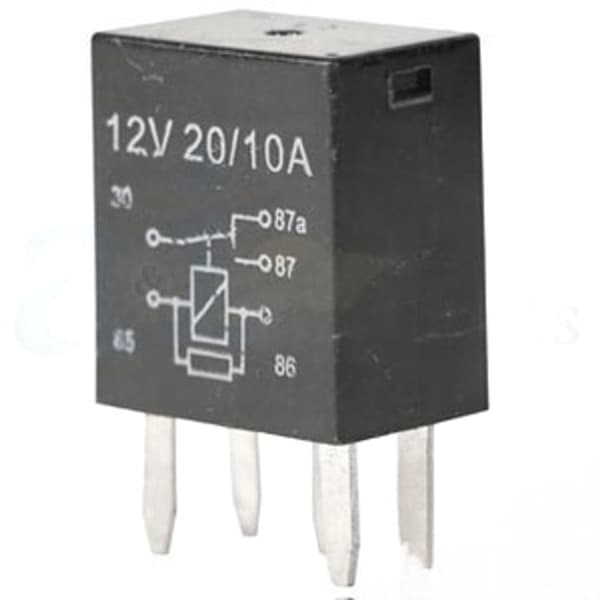
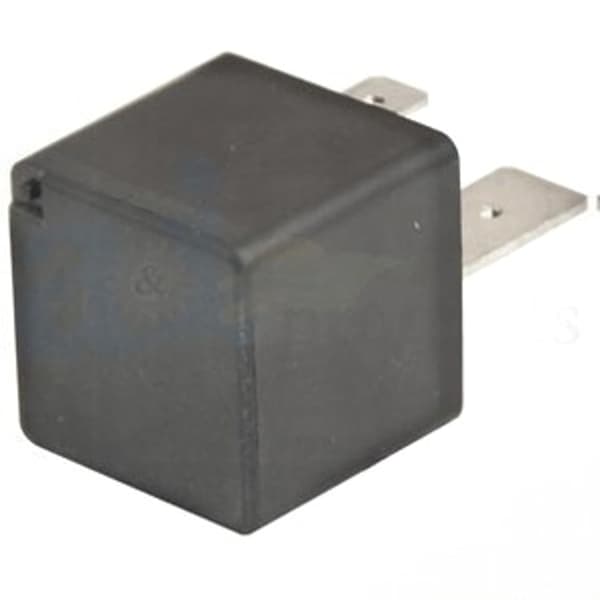
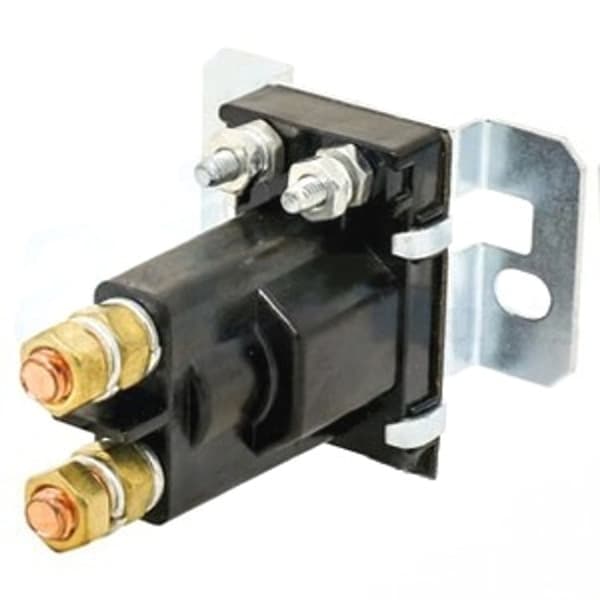
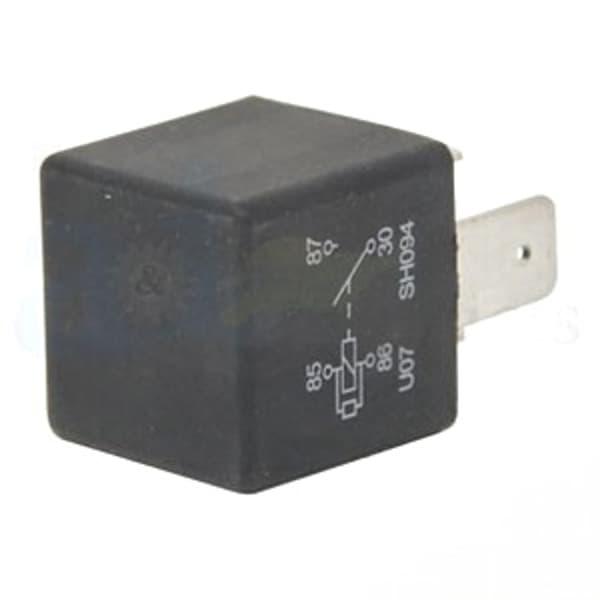
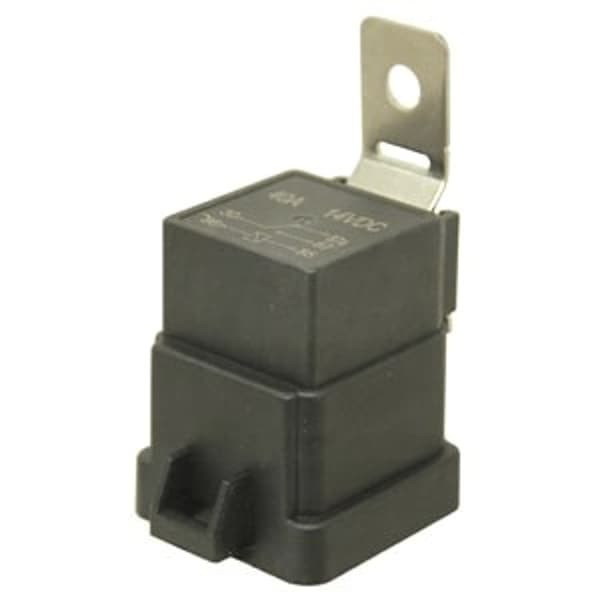
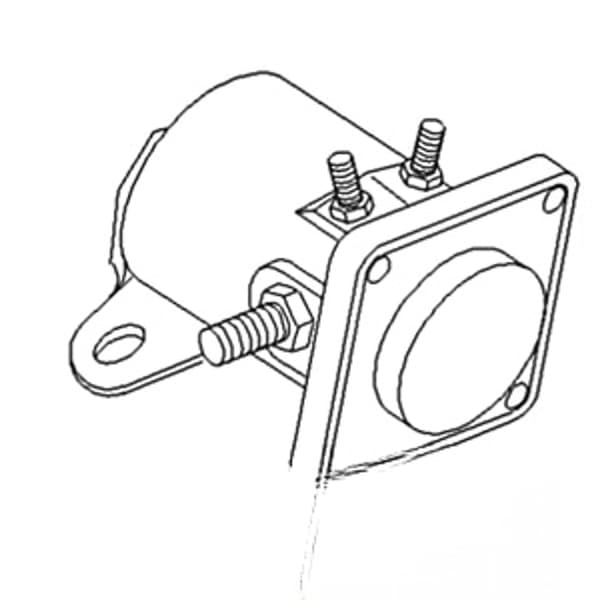
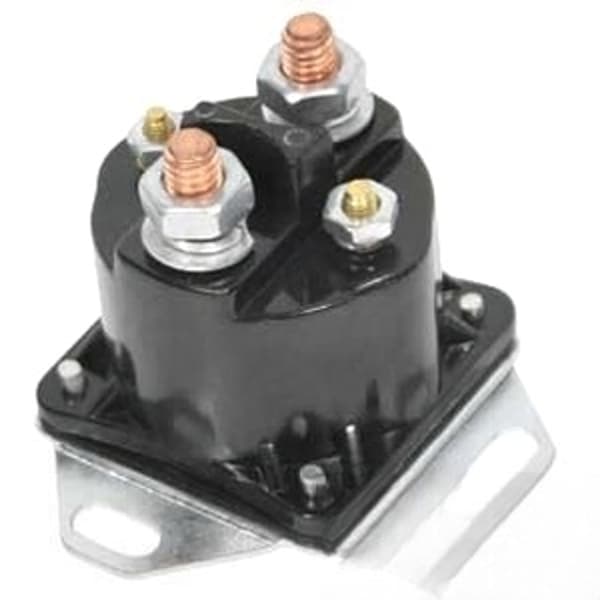
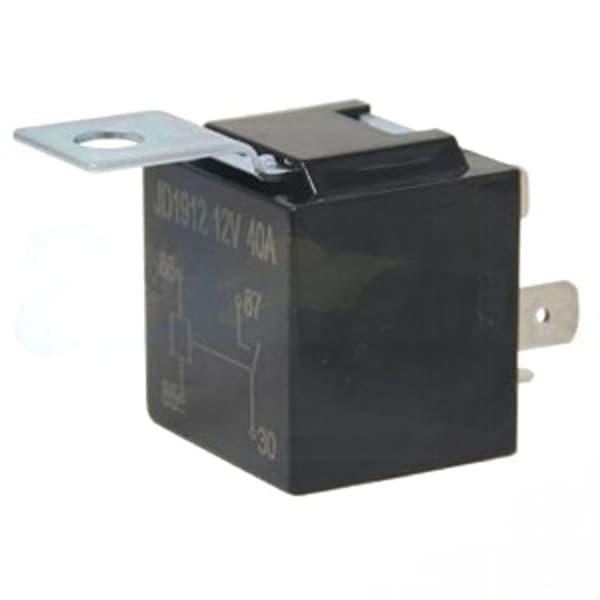
🔍 Looking for a specific part? Try our AI Part Finder — tell it your equipment and what you need, and it will find matching parts instantly.
Types of Relays in Riding Mowers
While various types of relays exist, the two most common in riding mowers are:
- Starter Relay: This relay, sometimes called a starter solenoid (see our article on Riding Mower Solenoid: Starter Solenoid by Brand), is responsible for sending high amperage from the riding mower battery to the riding mower starter motor. When you turn the key, a small current activates the relay, which then allows the full battery power to crank the engine.
- Accessory Relay: These relays control lower-amperage circuits such as the electric PTO clutch (for blade engagement, see our article on Mower Blade Engagement Switch (PTO Switch)), headlights, or other electrical accessories. They protect the riding mower ignition switch and wiring from overload.
Identifying a Faulty Riding Mower Relay
Diagnosing a bad relay can save you time and money compared to replacing other components unnecessarily. Here are common symptoms of a failing riding mower relay:
- Clicking Sound: When you turn the key, you might hear a clicking sound from the relay, but the starter motor doesn't engage. This indicates the relay is receiving power but failing to complete the circuit.
- No Starter Engagement: The most obvious sign is that the starter motor does not turn at all when you turn the key. This could also be a sign of a bad starter motor, solenoid, ignition switch, or a dead battery.
- Intermittent Starting: The mower starts sometimes but not others. This could be due to a worn relay that is making inconsistent contact.
- Accessory Malfunctions: If accessories like the PTO clutch or headlights work intermittently or not at all, the accessory relay could be failing.
- Burnt Smell: A burning smell near the relay indicates that it is overheating and likely damaged.
Testing a Riding Mower Relay
Before replacing a relay, it's crucial to test it to confirm it's the source of the problem. You'll need a multimeter for this. Always disconnect the negative battery cable before working on electrical components.
Testing the Starter Relay
- Visual Inspection: Look for any signs of damage, such as cracks, corrosion, or burnt terminals.
- Continuity Test:
- Disconnect the wires from the relay terminals.
- Set your multimeter to the continuity setting (it usually has a sound or symbol indicating continuity).
- Touch the multimeter probes to the two small terminals of the relay (the control circuit).
- You should see an open circuit (no continuity). Now apply 12V DC power to these terminals (observe polarity!) from the battery. You should now hear the relay click and the multimeter should show continuity between the two large terminals (the power circuit). If it doesn't, the relay is bad.
- Voltage Test:
- Reconnect the wires to the relay.
- Turn the ignition key to the start position.
- Use the multimeter to check for 12V DC at the small terminal that activates the relay. If there's no voltage, the problem lies upstream, possibly with the lawn mower seat safety switch, ignition switch, or wiring.
- If you have voltage at the small terminal but the starter doesn't engage, and you've confirmed a good battery, the relay is likely faulty.
Testing the Accessory Relay
The process is similar to testing the starter relay, but you'll be checking the relay that controls the specific accessory you're having trouble with.
- Locate the accessory relay (refer to your mower's wiring diagram).
- Perform a visual inspection for damage.
- Continuity Test: As with the starter relay test, perform a continuity test across the control terminals without power applied, and then with 12V DC applied. Confirm that the relay switches on and off.
- Voltage Test: Check for voltage at the control terminal when the accessory is supposed to be active (e.g., when the PTO switch is engaged).
Replacing a Riding Mower Relay
Once you've confirmed the relay is faulty, replacement is usually straightforward.
- Disconnect the Battery: Always disconnect the negative battery cable before working on any electrical components.
- Locate the Relay: Refer to your mower's service manual or wiring diagram to find the relay's location. Relays are often found in a fuse box or mounted near the battery or engine.
- Remove the Old Relay: Disconnect the wires from the old relay. Note their positions or take a picture before removing them to ensure proper reconnection. The relay may be held in place by clips or screws.
- Install the New Relay: Connect the wires to the new relay in the same positions as the old one. Ensure the connections are secure.
- Test the System: Reconnect the battery and test the system. For a starter relay, try starting the mower. For an accessory relay, test the affected accessory (e.g., engage the PTO clutch).
Safety Note: When working with electrical components, always exercise caution. Wear safety glasses and avoid working in wet conditions.
Choosing the Right Replacement Relay
Using the correct replacement relay is crucial for safety and performance. Here's what to consider:
- Voltage and Amperage Rating: The relay's voltage and amperage rating must match or exceed the original relay's specifications. Using a relay with a lower rating can lead to failure or even a fire.
- Terminal Configuration: Ensure the replacement relay has the same terminal configuration (number and arrangement of terminals) as the original.
- Relay Type: Starter relays are heavy-duty and handle high amperage. Do not substitute them with accessory relays.
- Brand Compatibility: While many relays are universal, some mowers may require specific relays. Check your mower's parts list or consult with a parts specialist to ensure compatibility.
Preventing Relay Failure
Here are some tips to help prevent relay failure:
- Keep Electrical Connections Clean: Corrosion and loose connections can cause relays to overheat and fail. Regularly clean and tighten electrical connections.
- Protect Relays from Moisture: Moisture can damage relays. Use dielectric grease on connections to prevent corrosion and water intrusion.
- Avoid Overloading Circuits: Adding too many accessories to a circuit can overload the relay. Follow the manufacturer's recommendations for accessory installation.
- Regular Maintenance: Perform regular maintenance on your mower's electrical system, including checking the battery voltage, wiring, and connections.
Beyond Relays: Other Important Electrical Components
While relays are important, don't overlook other critical electrical components. Maintaining your lawn mower ignition coil, riding mower voltage regulator, and ensuring proper grounding can prevent electrical problems and extend the life of your mower. Don't forget to check parts like belts, blades, spindles, and filters during routine maintenance as well!
Shop Riding Mower Parts at Madison Tractor
Madison Tractor Company is your one-stop shop for all your riding mower parts needs. We carry a wide selection of relays, starter relays, starter motors, batteries, and other electrical components for all major brands, including John Deere, Craftsman, Cub Cadet, Husqvarna, Toro, and more. Our knowledgeable staff is here to help you find the right parts and get your mower running smoothly again. Shop our extensive online catalog today and get back to enjoying your lawn! You can also use our AI-Powered Part Finder to search for parts by your specific make and model.
Part of our comprehensive guide
Mower Electrical Parts Guide: Starters, Solenoids, Switches & More