








Riding Mower Alternator / Stator: Charging System
Is your riding mower battery not charging? This guide explains the function of the alternator/stator in your mower's charging system, common problems, and troubleshooting tips. Learn how to keep your lawn mower running smoothly!
Introduction to Riding Mower Charging Systems
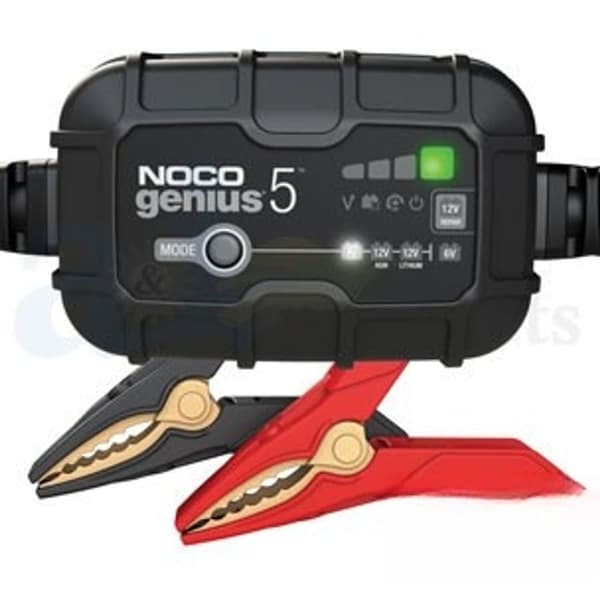
A healthy charging system is crucial for keeping your riding mower running reliably. Just like a car, your mower needs a way to replenish the battery after starting. This is where a reliable battery charger or jump starter can come in handy. The heart of this system is the charging device, usually an alternator or stator. While the terms are sometimes used interchangeably for riding mowers, stators are the more common type found in small engines like those in John Deere, Craftsman, Cub Cadet, Husqvarna, and Toro mowers. Think of the stator as the engine's generator; it creates the electricity needed to charge the battery and power electrical components. This electricity is then regulated by the voltage regulator before being sent to the battery.
Recommended Parts for This Guide
5 parts we recommend — in stock, ships fast, one-click add to cart.
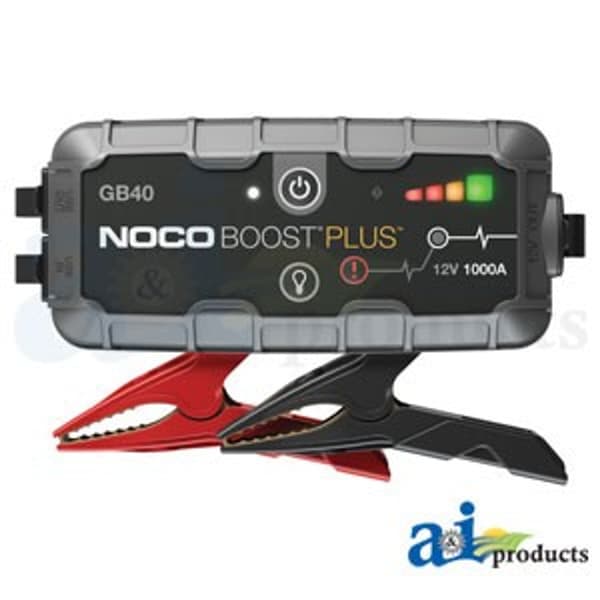
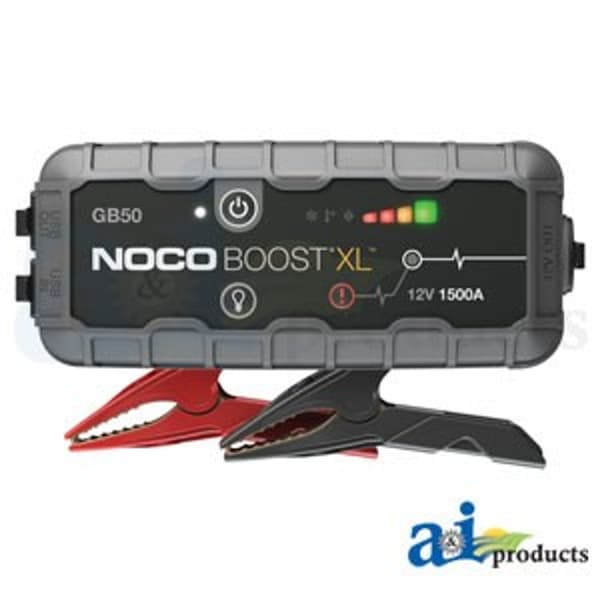
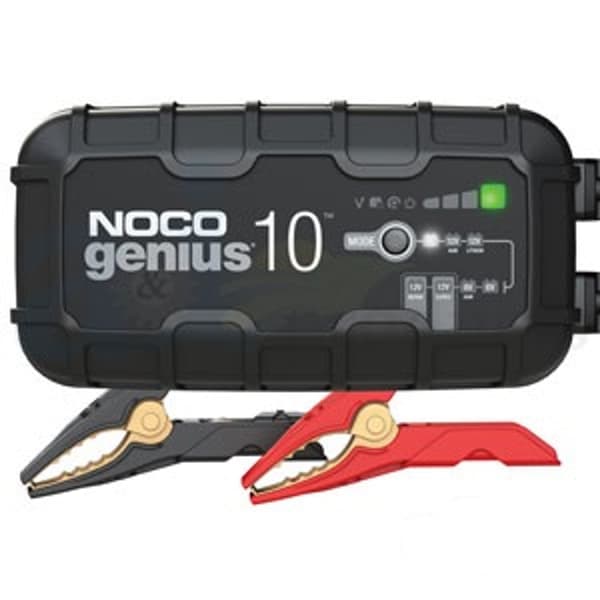
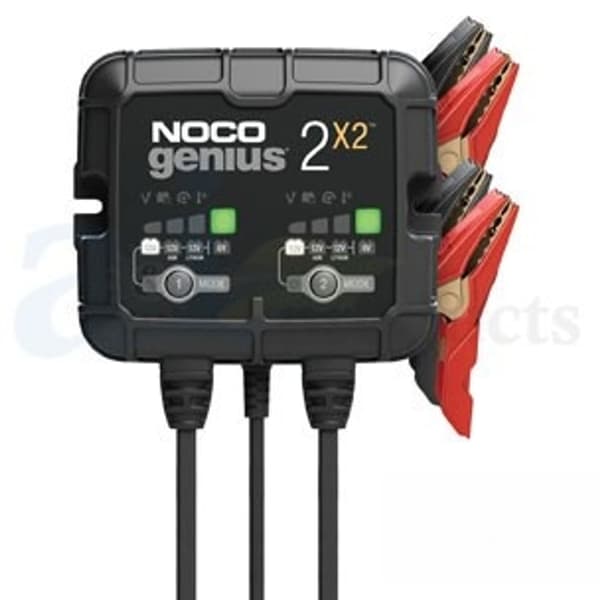
🔍 Looking for a specific part? Try our AI Part Finder — tell it your equipment and what you need, and it will find matching parts instantly.
Understanding the Stator (Alternator)
The stator is typically located under the flywheel of the engine. It's a stationary component containing coils of wire. As the engine runs, magnets embedded in the flywheel spin around the stator, creating an alternating current (AC) electricity. This AC electricity then needs to be converted to direct current (DC) by the voltage regulator to properly charge your riding mower battery.
How it Works:
- Engine Start: The riding mower starter draws power from the battery to crank the engine.
- Stator Activation: Once the engine is running, the flywheel spins, activating the stator.
- AC Power Generation: The stator generates AC voltage.
- Voltage Regulation & Conversion: The voltage regulator converts the AC voltage to DC voltage and regulates it to the appropriate level (typically around 13.5-14.5 volts) to charge the battery without overcharging it.
- Battery Charging: The regulated DC voltage is sent to the battery, replenishing the energy used during starting and providing power to accessories like lights.
Common Symptoms of a Failing Stator
A failing stator can lead to several issues. Here are some common symptoms to watch out for:
- Dead or Weak Battery: This is the most obvious symptom. If your battery is consistently dead or weak, even after charging, the stator might not be charging it properly. For a quick boost or consistent charging, consider a powerful jump starter or a smart battery charger.
- Mower Dies While Running: If the stator isn't producing enough power, the engine might die after running for a short period, especially if you're using headlights or other electrical accessories.
- Dim Headlights: If your mower has headlights, they might appear dim or flicker if the stator is failing to provide sufficient power.
- Slow Cranking: A weak stator can also indirectly cause slow cranking because the battery isn't being fully charged.
Troubleshooting Your Riding Mower's Charging System
Before replacing the stator, it's essential to troubleshoot the entire charging system. Here's a step-by-step approach:
- Check the Battery: Ensure the battery is in good condition. A battery with a dead cell won't hold a charge, regardless of the stator's performance. A load test can help determine battery health. If your battery struggles, a battery charger can help maintain its health, or a jump starter can provide immediate power.
- Inspect the Battery Cables and Connections: Clean any corrosion from the battery terminals and check the cables for damage. Loose or corroded connections can prevent proper charging.
- Test the Voltage Regulator: A faulty voltage regulator can prevent the battery from charging even with a good stator. Use a multimeter to test the voltage regulator's input and output. Refer to your mower's service manual for specific testing procedures. If the voltage regulator is the culprit, Madison Tractor Company carries voltage regulators for brands like Ariens, Murray, Hustler, Scag, Exmark, Ferris, Snapper, Simplicity, and Dixie Chopper.
- Inspect the Stator Wires: Check the wires leading to and from the stator for any signs of damage, such as cuts, frays, or melted insulation. Repair or replace any damaged wires.
- Test the Stator Output: Use a multimeter to test the stator's AC output voltage while the engine is running. Refer to your mower's service manual for the correct voltage specifications. A significantly low voltage indicates a faulty stator.
Safety Warning: Always disconnect the battery before working on any electrical components.
Replacing the Stator
If the stator is determined to be the problem, replacement is usually necessary. Here's a general overview of the process:
- Disconnect the Battery: As always, disconnect the battery before starting any repair work.
- Remove the Flywheel: This is the most challenging part of the process. You'll typically need a flywheel puller to safely remove the flywheel without damaging it.
- Remove the Old Stator: Once the flywheel is off, you can access the stator. Disconnect the wires and remove the stator from the engine.
- Install the New Stator: Install the new stator, ensuring the wires are connected correctly.
- Reinstall the Flywheel: Carefully reinstall the flywheel, making sure it's properly aligned. Torque the flywheel nut to the manufacturer's specifications.
- Reconnect the Battery: Reconnect the battery and test the charging system to ensure the new stator is working correctly.
Note: Always refer to your mower's service manual for specific instructions and torque specifications.
Preventative Maintenance
While stators can fail, proper maintenance can help extend their lifespan:
- Keep the Engine Clean: A clean engine runs cooler, which can help prevent overheating and premature stator failure.
- Maintain Proper Airflow: Ensure the engine's cooling fins are clean and free of debris to allow for proper airflow.
- Regularly Check the Battery: A healthy battery puts less strain on the charging system. Using a reliable battery charger for periodic maintenance can significantly extend battery life.
Other Important Electrical Components
While focusing on the riding mower alternator (stator), remember other electrical parts play vital roles. Don't overlook the riding mower ignition switch, which is essential for starting and stopping the engine. Also, the lawn mower seat safety switch and the mower PTO switch are safety devices that can prevent starting or shut down the engine if not functioning correctly. If you're working on the ignition system, consider the lawn mower ignition coil, responsible for creating the spark needed for combustion.
Don't Forget Regular Maintenance Items
While addressing electrical issues, remember the importance of regular maintenance items like belts, blades, spindles, pulleys, filters, spark plugs, bearings, and shear pins. Keeping up with these maintenance tasks will ensure your mower or snow blower operates efficiently and reliably.
Shop Riding Mower Parts at Madison Tractor Company
At Madison Tractor Company, we understand the importance of keeping your outdoor power equipment running smoothly. We offer a wide selection of high-quality replacement parts, including stators, voltage regulators, batteries, and more, for various brands, including John Deere, Craftsman, Cub Cadet, Husqvarna, Toro, Ariens, Murray, Hustler, Scag, Exmark, Ferris, Snapper, Simplicity, and Dixie Chopper. Browse our online catalog today and find the parts you need to get your mower back in top shape! Our knowledgeable staff is always ready to assist you in finding the correct parts and answering your technical questions. You can also use our AI-Powered Part Finder to search for parts by your specific make and model.
Part of our comprehensive guide
Mower Electrical Parts Guide: Starters, Solenoids, Switches & More