








Mower Spark Plug Wire: Ignition Wire Replacement
A faulty spark plug wire can cause your lawn mower to run poorly or not start at all. This guide provides step-by-step instructions for diagnosing and replacing your lawn mower spark plug wire, ensuring optimal performance and a smooth start every time.
Introduction to Lawn Mower Spark Plug Wires
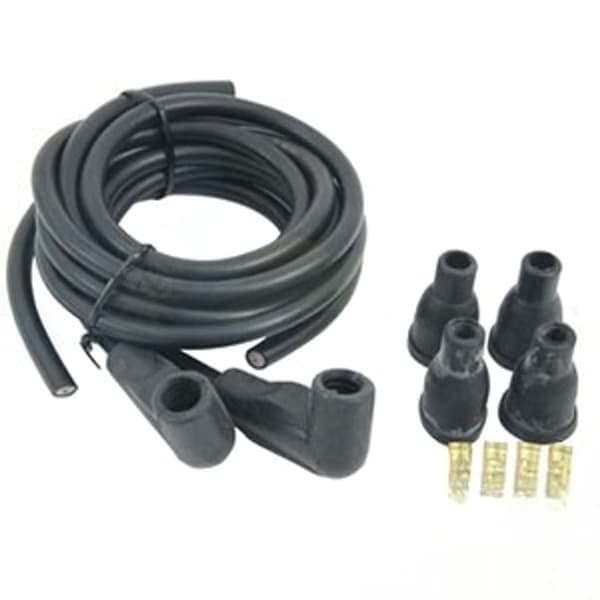
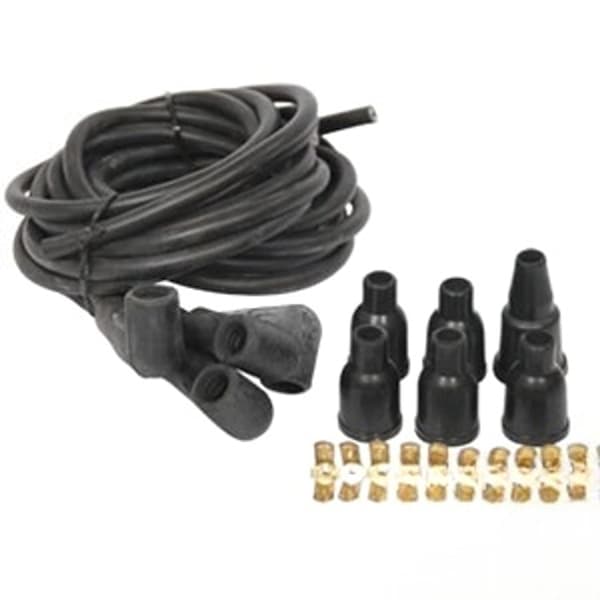
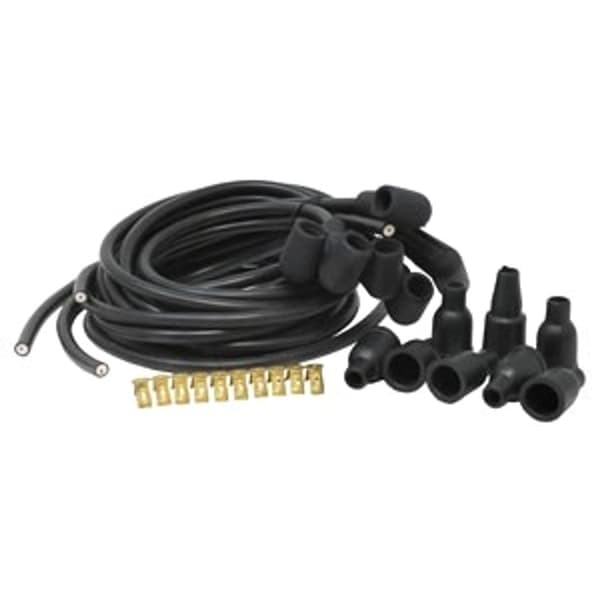
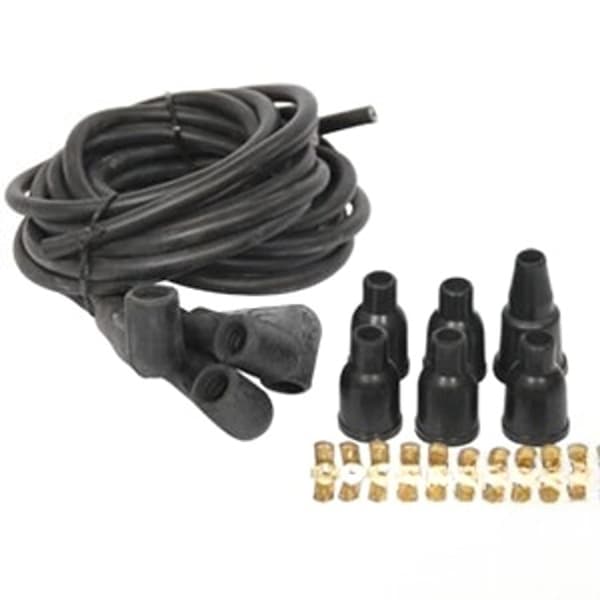
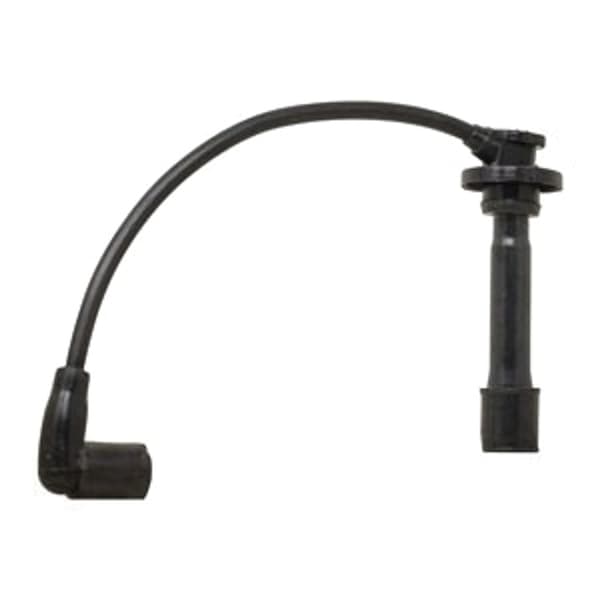
The lawn mower spark plug wire, also known as an ignition wire, is a critical component of your lawn mower's ignition system. It delivers the high-voltage electrical pulse from the ignition coil to the spark plug, igniting the air-fuel mixture in the cylinder and starting the engine. Over time, these wires can degrade due to heat, vibration, and exposure to the elements. A damaged or faulty spark plug wire can lead to a weak spark, misfires, rough running, or even a complete inability to start the engine. Regularly checking and replacing your spark plug wire is essential for maintaining peak performance.
Recommended Parts for This Guide
9 parts we recommend — in stock, ships fast, one-click add to cart.
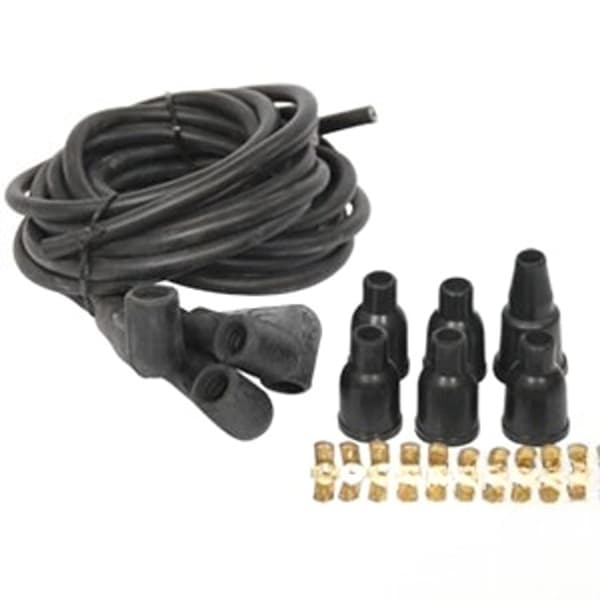
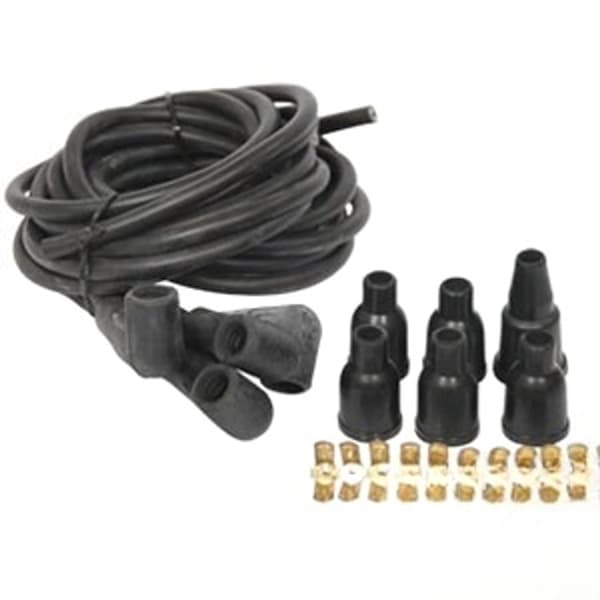
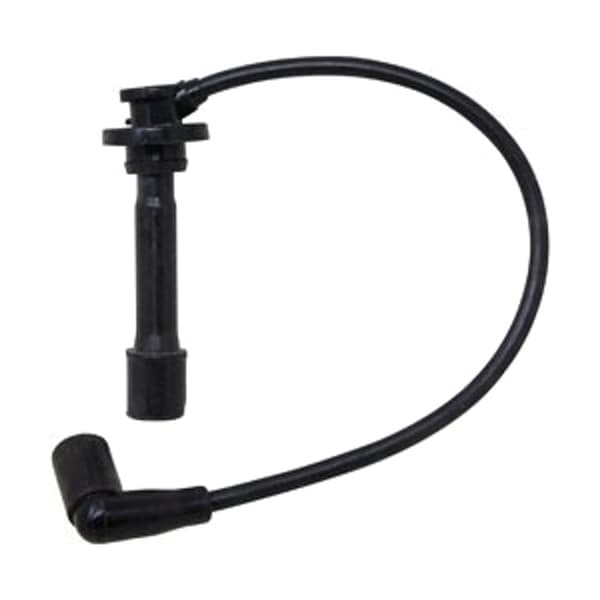
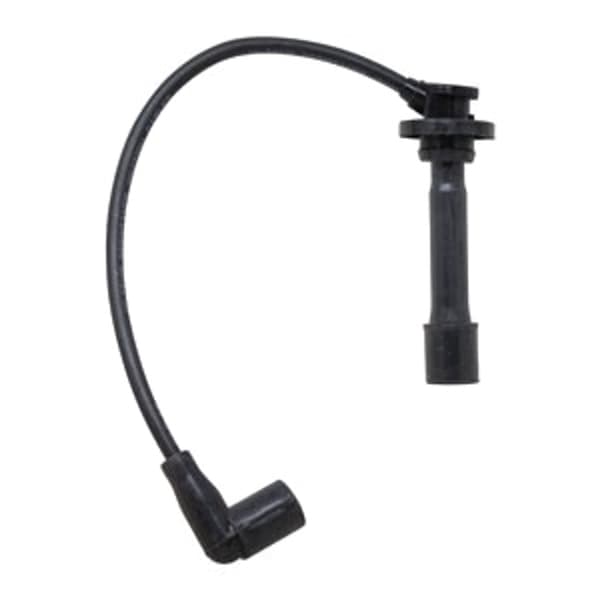
🔍 Looking for a specific part? Try our AI Part Finder — tell it your equipment and what you need, and it will find matching parts instantly.
At Madison Tractor Company, we understand the importance of reliable ignition parts. We stock a wide selection of spark plug wires and other electrical components for various lawn mower brands, including John Deere, Craftsman, Cub Cadet, Husqvarna, Toro, Ariens, Murray, Hustler, Scag, Exmark, Ferris, Snapper, Simplicity, and Dixie Chopper mowers.
When to Replace Your Lawn Mower Spark Plug Wire
Here are some common signs that your lawn mower spark plug wire may need replacing:
- Difficulty starting the engine: A weak or inconsistent spark can make it hard to start your mower.
- Engine misfires: Misfires occur when the spark plug doesn't ignite the fuel-air mixture properly, causing the engine to stumble or run rough.
- Rough idling: A faulty wire can cause the engine to idle unevenly.
- Reduced power: A weak spark can lead to a loss of power and performance.
- Visible damage: Inspect the wire for cracks, breaks, burns, or corrosion.
- Age: Even without visible damage, a spark plug wire can degrade over time and should be replaced every few years as part of routine maintenance.
Tools and Materials Needed
Before you begin, gather the following tools and materials:
- New spark plug wire (correct length and terminal type for your engine)
- Spark plug socket
- Ratchet
- Spark plug gap tool (if also replacing the spark plug)
- Pliers (optional, for removing stubborn wires)
- Gloves
- Safety glasses
- Small wire brush (for cleaning spark plug terminal)
Safety First!
WARNING: Before working on your lawn mower, always disconnect the spark plug wire from the spark plug to prevent accidental starting. Allow the engine to cool completely to avoid burns.
Step-by-Step Spark Plug Wire Replacement Guide
- Disconnect the Old Wire: Firmly grasp the spark plug boot (the rubber covering at the end of the wire) and pull it straight off the spark plug. Do not pull on the wire itself, as this can damage it. If the boot is stuck, use pliers to gently twist and pull it off.
- Inspect the Old Wire: Examine the old spark plug wire for any signs of damage, such as cracks, breaks, or corrosion. This can help you confirm that the wire was the source of the problem.
- Locate the Other End: Trace the spark plug wire back to the ignition coil. Note how it is connected (usually a push-on terminal or a screw-on connector).
- Disconnect from the Ignition Coil: Disconnect the wire from the ignition coil. If it's a push-on terminal, gently pull it off. If it's a screw-on connector, loosen the screw and remove the wire. Consider consulting the related article on lawn mower ignition coils for more detailed information on coil types and wiring.
- Prepare the New Wire: If the new spark plug wire requires any assembly (e.g., attaching a terminal), follow the manufacturer's instructions.
- Connect to the Ignition Coil: Attach the new spark plug wire to the ignition coil in the same manner as the old wire. Ensure a secure connection.
- Connect to the Spark Plug: Push the spark plug boot firmly onto the spark plug until it clicks into place. Make sure the connection is secure.
- Secure the Wire: Ensure the spark plug wire is routed away from any moving parts or hot surfaces. Use any existing clips or retainers to secure the wire in place.
- Test the Engine: Start the engine to ensure it runs smoothly. If the engine still misfires or doesn't start, double-check all connections and consult a qualified mechanic.
Additional Tips and Considerations
- Replace the Spark Plug: When replacing the spark plug wire, consider replacing the spark plug as well. A fresh spark plug can improve engine performance and fuel efficiency. Check your owner's manual for the correct spark plug type and gap. You can find spark plugs for your small engine at Madison Tractor.
- Use Dielectric Grease: Applying a small amount of dielectric grease to the inside of the spark plug boot can help prevent corrosion and improve the connection.
- Check Other Ignition Components: If replacing the spark plug wire doesn't solve the problem, there may be an issue with other ignition components, such as the ignition coil or the ignition switch.
- Inspect the Flywheel Key: A sheared flywheel key can also cause ignition problems. This key aligns the flywheel to the crankshaft and ensures proper timing.
- Proper Storage: When storing your lawn mower for the off-season, disconnect the spark plug wire to prevent accidental starting.
Maintaining Your Lawn Mower for Optimal Performance
Regular maintenance is key to keeping your lawn mower running smoothly. In addition to spark plug wire replacement, consider these other maintenance tasks:
- Air Filter: Replace the air filter regularly to ensure proper airflow to the engine.
- Fuel Filter: Replace the fuel filter to prevent debris from clogging the carburetor.
- Oil Change: Change the engine oil according to the manufacturer's recommendations.
- Blade Sharpening: Sharpen or replace your mower blades for a clean, even cut. Madison Tractor carries a wide variety of lawn mower blades.
- Belt Replacement: Inspect and replace belts as needed. We stock belts for popular brands such as Gates and more.
- Check the Battery: If you have a riding mower, maintain the battery and ensure it's properly charged, especially before the mowing season begins.
Troubleshooting Starting Problems
If your lawn mower still won't start after replacing the spark plug wire, consider these troubleshooting steps:
- Check for Fuel: Make sure the fuel tank is full and the fuel valve is open.
- Clean the Carburetor: A clogged carburetor can prevent fuel from reaching the engine.
- Test the Solenoid: For riding mowers, a faulty solenoid can prevent the starter from engaging.
- Check the Starter Motor: A failing starter motor may not have enough power to turn the engine over.
- Safety Switches: Ensure all safety switches (e.g., seat switch, blade engagement switch) are functioning correctly.
Find the Right Parts at Madison Tractor Company
At Madison Tractor Company, we are committed to providing high-quality parts and exceptional customer service. We carry a wide selection of spark plug wires, spark plugs, and other electrical and ignition parts to keep your lawn mower running at its best. Whether you need a spark plug wire for a John Deere riding mower or a universal replacement for another brand, we have you covered. We also offer a variety of other parts, including blades, belts, filters, and more. Browse our online catalog or contact our knowledgeable staff for assistance in finding the right parts for your needs. You can also use our AI-Powered Part Finder to search for parts by your specific make and model.
Part of our comprehensive guide
Mower Electrical Parts Guide: Starters, Solenoids, Switches & More