








Mower Wire Harness: Wiring Harness Replacement
A faulty mower wire harness can cause a variety of electrical problems. This guide helps you diagnose the issue and replace the harness, getting your mower back up and running.
Understanding Your mower wire harness
Your mower wire harness is the unsung hero of your lawn care equipment. It's the central nervous system that connects all the electrical components, allowing them to communicate and function properly. From the riding mower starter to the ignition coil and even the PTO switch, everything relies on a healthy wire harness. When it fails, you'll experience a range of issues, from a mower that won't start to lights that don't work. Madison Tractor Company is here to guide you through diagnosing and replacing a faulty mower wire harness.
Recommended Parts for This Guide
10 parts we recommend — in stock, ships fast, one-click add to cart.
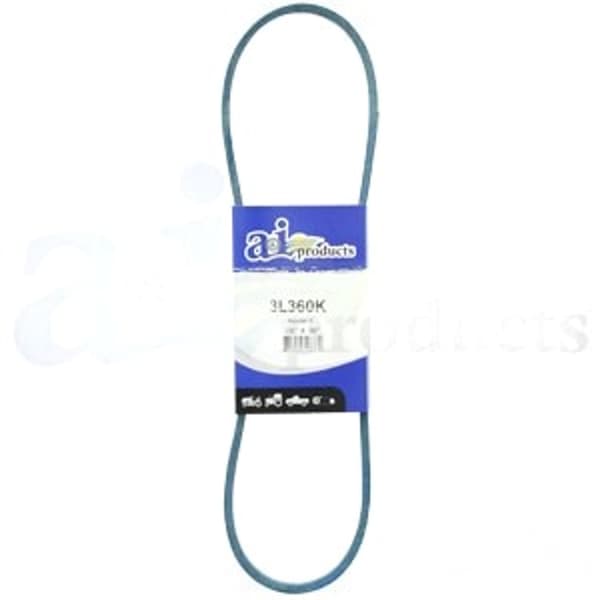
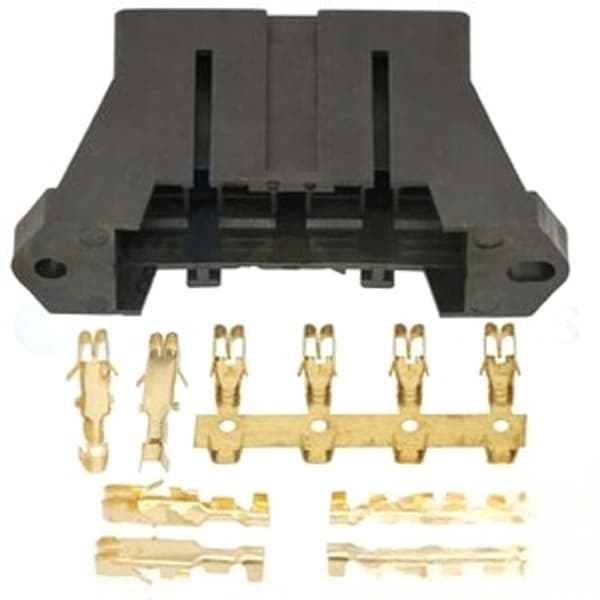
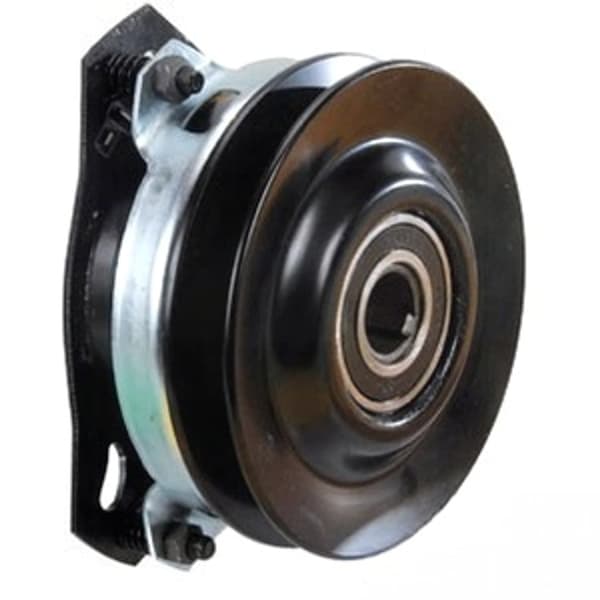
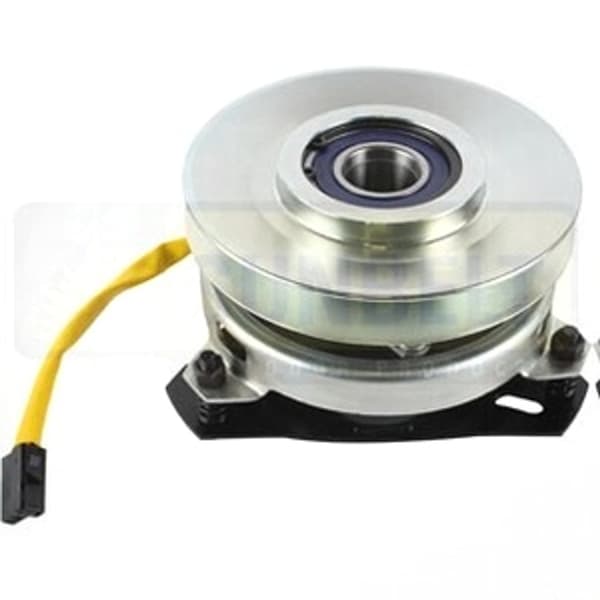
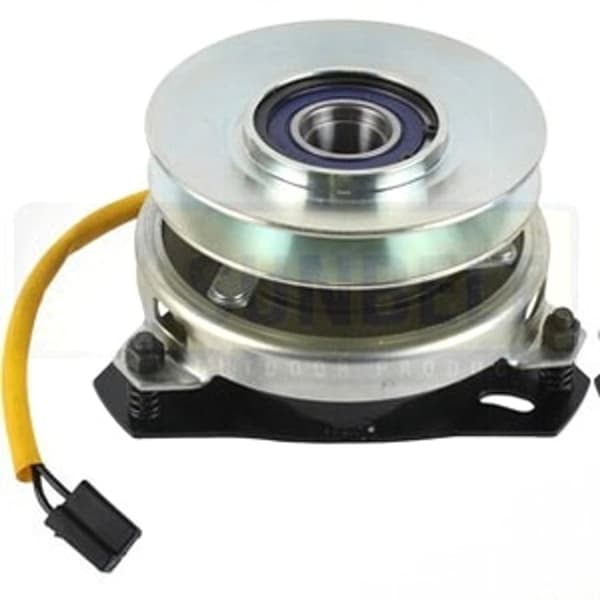
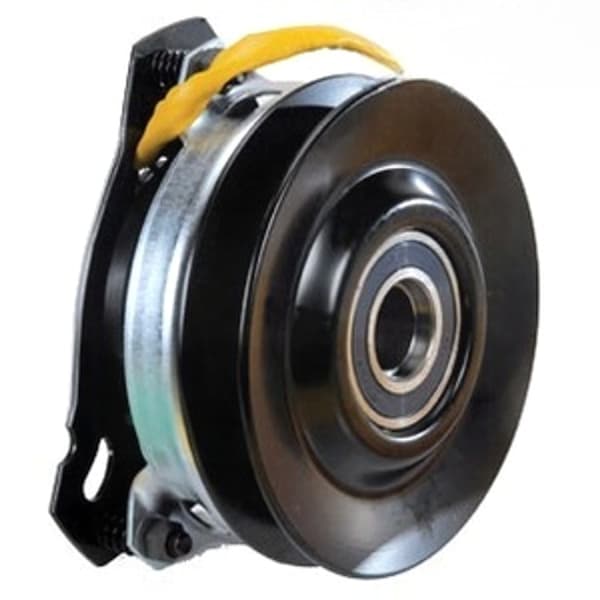
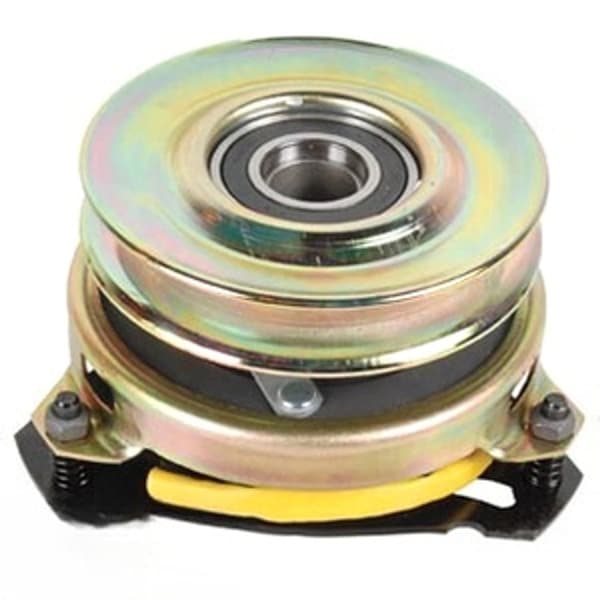
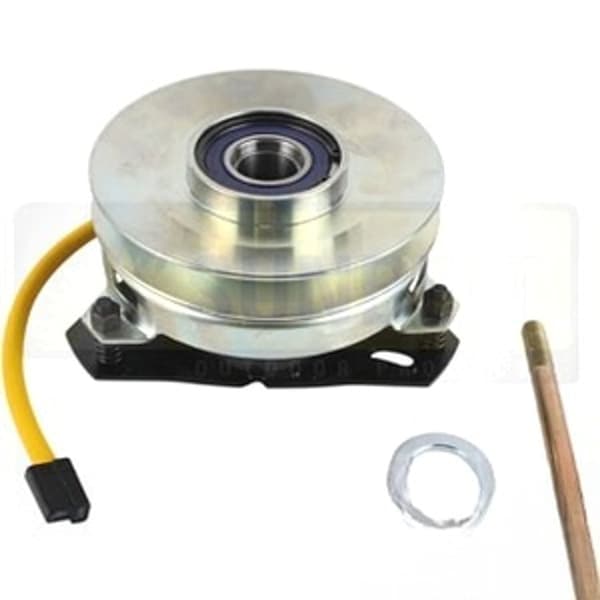
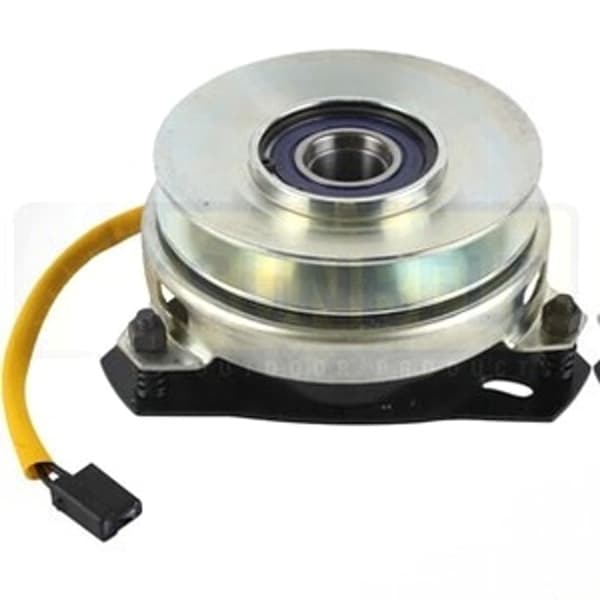
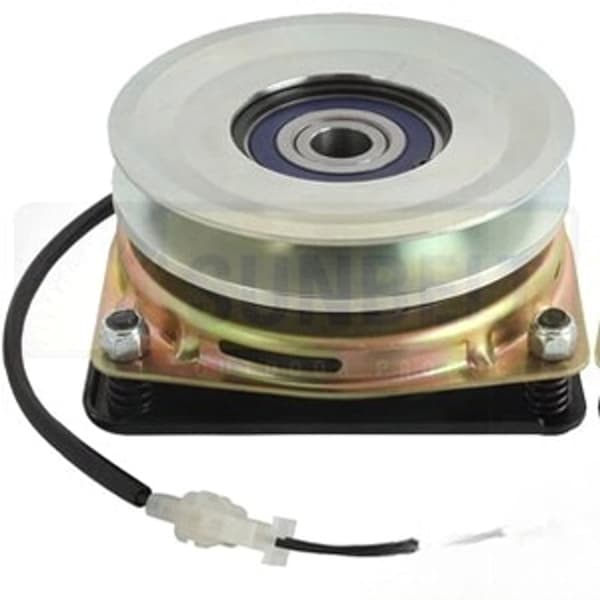
🔍 Looking for a specific part? Try our AI Part Finder — tell it your equipment and what you need, and it will find matching parts instantly.
Common Symptoms of a Faulty Mower Wire Harness
Recognizing the signs of a failing mower wire harness is crucial for a quick diagnosis. Here are some common symptoms:
- Mower won't start: This is often the most obvious symptom. If your battery is good and the starter isn't engaging, a broken or shorted wire in the harness could be the culprit.
- Intermittent starting problems: The mower starts sometimes, but not others. This can indicate a loose connection or a wire that's partially damaged.
- Lights not working: If your headlights or taillights are failing to illuminate, even with a new bulb, the wire harness might be the issue.
- Electrical components malfunctioning: This could include the electric blade engagement (PTO) clutch, safety switches (like the seat safety switch), or even the charging system.
- Blown fuses: Repeatedly blown fuses often point to a short circuit within the wire harness.
Diagnosing a Mower Wire Harness Issue
Before replacing your entire mower wire harness, it's essential to pinpoint the problem. Here's a step-by-step approach to diagnosis:
- Safety First: Disconnect the negative cable from the battery. This prevents accidental shocks and electrical damage.
- Visual Inspection: Carefully inspect the entire wire harness for any obvious signs of damage. Look for:
- Frays or cuts: Wires that are exposed or damaged.
- Corrosion: Green or white buildup on connectors.
- Loose connections: Connectors that are not securely attached.
- Melted insulation: Indicates a short circuit or overheating.
Pay close attention to areas where the harness rubs against the frame or other components. These areas are prone to wear and tear. Also, check around the riding mower solenoid and riding mower ignition switch, as these are common connection points.
- Continuity Testing: Use a multimeter to test the continuity of individual wires within the harness. This will identify broken wires.
- Set your multimeter to the continuity setting (usually indicated by a beep symbol).
- Place one probe on each end of the wire you want to test.
- If the multimeter beeps, the wire has continuity and is intact. If it doesn't beep, the wire is broken and needs to be repaired or replaced.
- Voltage Testing: With the battery connected (carefully!), use a multimeter to check for voltage at various points in the harness. This helps identify shorts to ground or voltage drops.
- Wiring Diagram: Consult your mower's wiring diagram. This will show you the layout of the harness and the connections between components. Wiring diagrams are invaluable for tracing circuits and identifying potential problems.
Replacing Your Mower Wire Harness
If your diagnosis confirms a faulty mower wire harness, replacement is often the best solution. While repairs are possible, a complete replacement ensures long-term reliability.
- Purchase the Correct Harness: Use your mower's model number to find the correct replacement harness. Madison Tractor Company carries a wide selection of wire harnesses for various brands, including John Deere, Craftsman, Cub Cadet, Husqvarna, Toro, Ariens, Murray, Hustler, Scag, Exmark, Ferris, Snapper, Simplicity, and Dixie Chopper. Make sure the new harness is specifically designed for your model to ensure proper fit and function.
- Disconnect the Battery: Again, disconnect the negative battery cable before starting any work.
- Document the Existing Harness: Take photos or draw a diagram of how the existing harness is routed and connected. This will be extremely helpful during installation. Pay close attention to the location of clips, connectors, and ground points.
- Disconnect the Old Harness: Carefully disconnect all connectors from the old harness. Use a small screwdriver or pliers to release any retaining clips. Be gentle to avoid damaging the connectors.
- Remove the Old Harness: Unclip the old harness from the frame and remove it from the mower.
- Install the New Harness: Route the new harness in the same way as the old one, using your photos or diagram as a guide. Secure the harness with clips and zip ties to prevent it from rubbing against any moving parts.
- Connect the New Harness: Connect all connectors to their corresponding components. Make sure each connection is secure and properly seated. Double-check your wiring diagram to ensure everything is connected correctly.
- Reconnect the Battery: Reconnect the negative battery cable.
- Test the System: Start the mower and test all electrical components to ensure they are working properly. Check the lights, starter, PTO, and safety switches.
Preventing Wire Harness Problems
Proper maintenance can significantly extend the life of your mower wire harness.
- Regular Inspection: Periodically inspect the wire harness for any signs of damage, corrosion, or loose connections.
- Proper Storage: Store your mower in a dry, protected area to prevent corrosion.
- Secure Wiring: Ensure the wire harness is properly secured to the frame to prevent rubbing and chafing.
- Avoid Overloading: Don't overload the electrical system with aftermarket accessories that draw excessive power.
- Keep it Clean: Clean the engine area regularly to prevent buildup of debris that can damage wiring.
Beyond the Harness: Other Electrical Components
Remember that a faulty wire harness might not be the *only* culprit. While you're diagnosing electrical issues, it's a good idea to check other related components like the riding mower voltage regulator, the riding mower battery, and even seemingly unrelated parts like belts, blades, spindles, pulleys, filters, spark plugs, bearings, and shear pins. A mower in poor overall condition puts extra strain on *all* its components.
Where to Buy Mower Wire Harnesses and Parts
Madison Tractor Company offers a wide selection of high-quality mower wire harnesses and other parts for all major brands. We understand the importance of keeping your equipment running smoothly, and we're committed to providing you with the parts and support you need. Shop our extensive online catalog today and get back to mowing! You can also use our AI-Powered Part Finder to search for parts by your specific make and model.
Part of our comprehensive guide
Mower Electrical Parts Guide: Starters, Solenoids, Switches & More