








John Deere Combine Radiator: Cooling System Parts
A well-maintained cooling system is critical for your John Deere combine's performance. This guide covers common radiator issues, cooling system parts, and essential maintenance tips to ensure a smooth harvest. Learn how to keep your combine running at peak efficiency.
Understanding Your John Deere Combine Radiator 
The John Deere combine radiator is a critical component of your machine's cooling system. Its primary job is to dissipate heat generated by the engine, preventing overheating and potential catastrophic damage. A malfunctioning radiator can quickly lead to engine failure, especially during demanding harvest conditions. This can lead to costly downtime and lost productivity.
Recommended Parts for This Guide
8 parts we recommend — in stock, ships fast, one-click add to cart.
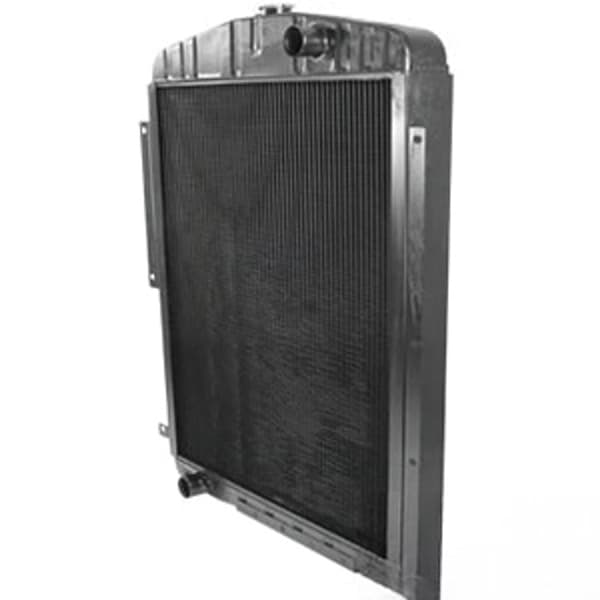
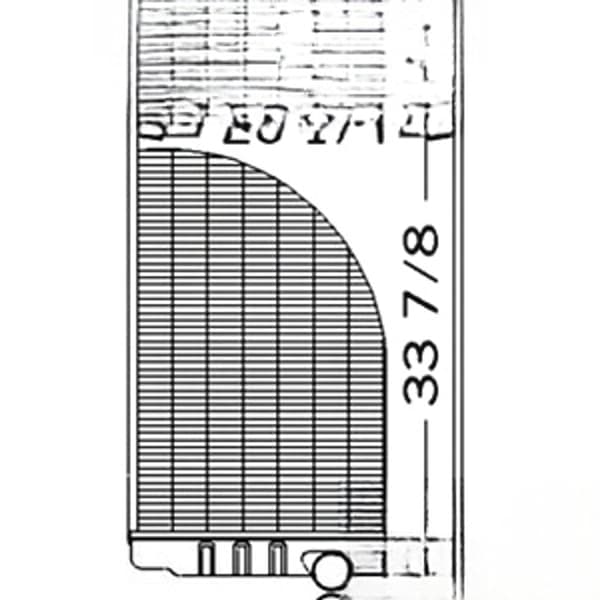
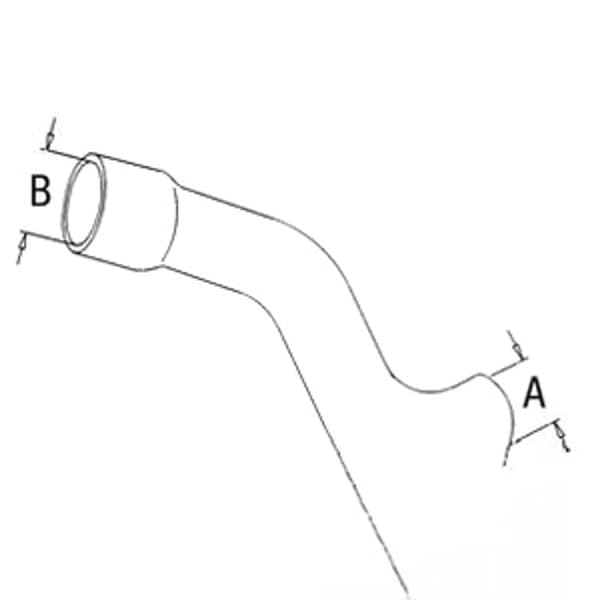
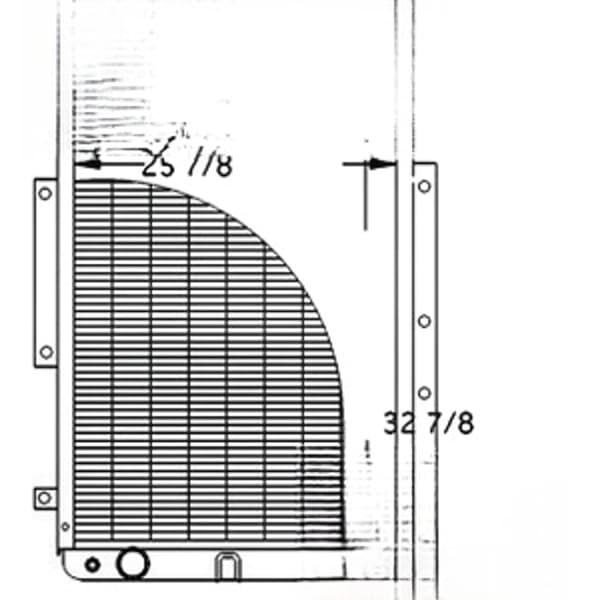
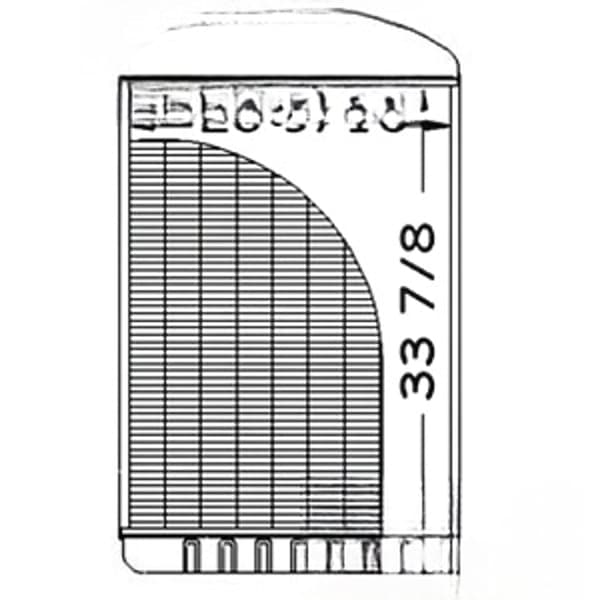
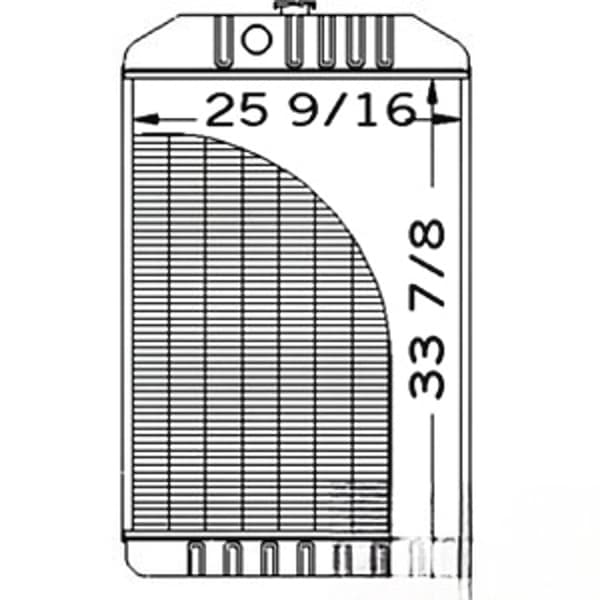
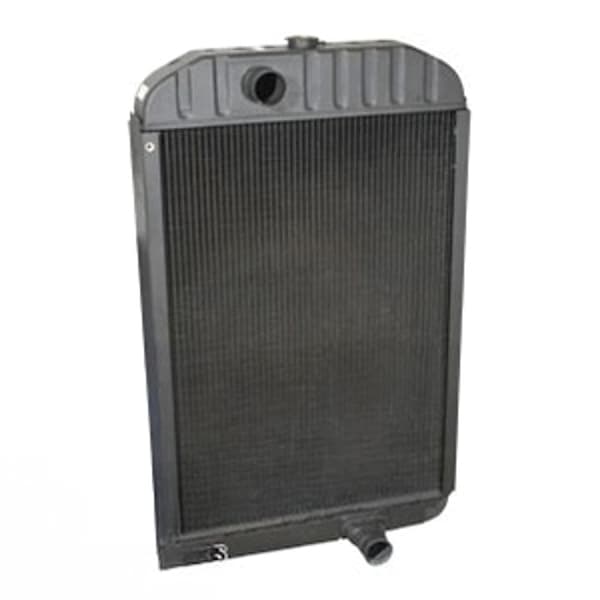
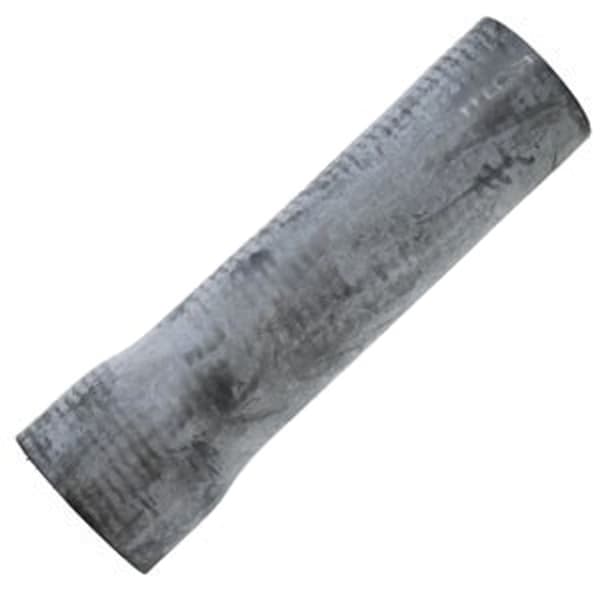
🔍 Looking for a specific part? Try our AI Part Finder — tell it your equipment and what you need, and it will find matching parts instantly.
This article will cover common issues, maintenance tips parts information to help you keep your John Deere combine's cooling system in top condition. We also carry cooling system parts for other major brands including Case IH, New Holland Gleaner.
Common John Deere Combine Radiator Problems 
Several issues can affect the performance of your John Deere combine radiator. Being aware of these potential problems can help you diagnose and address them promptly.
- Leaks Leaks can occur in the radiator core, hoses, or connections. Look for signs of coolant leaks, such as puddles under the combine or wet spots on the radiator itself. Even small leaks can lead to significant coolant loss over time, causing overheating.
- Clogging Radiators can become clogged with debris such as dust, chaff, insects plant matter. This buildup restricts airflow and reduces the radiator's ability to dissipate heat. Regularly cleaning the radiator is essential to prevent clogging.
- Corrosion Over time, the radiator core can corrode due to exposure to coolant and environmental factors. Corrosion reduces the radiator's efficiency and can eventually lead to leaks. Using the correct coolant and maintaining proper coolant levels can help prevent corrosion.
- Damaged Fins The fins on the radiator core are delicate and can be easily damaged by impacts or debris. Bent or missing fins reduce the surface area available for heat dissipation, impairing the radiator's performance.
- Water Pump Failure Although not part of the radiator itself, a failing water pump will not circulate coolant properly, leading to overheating. Look for leaks around the water pump, unusual noises, or a lack of coolant circulation.
For instance, a John Deere 9600 combine radiator might suffer from clogging more easily than a newer S-Series model due to differences in radiator design and the operating environment. Older models may also be more prone to corrosion. Make sure to inspect your John Deere Combine Parts regularly.
Radiator Maintenance Tips 
Regular maintenance is crucial for keeping your John Deere combine radiator in good working order. Follow these tips to ensure optimal cooling system performance
- Regular Cleaning Clean the radiator core regularly to remove dust, chaff other debris. Use compressed air to blow out the fins from the engine side outward. Be careful not to bend the fins during cleaning. A pressure washer can also be used, but use a wide fan nozzle and keep a safe distance to avoid damaging the fins.
- Coolant Flush Flush the cooling system periodically to remove old coolant and deposits. Follow the manufacturer's recommendations for coolant type and flushing intervals. Typically, a flush every two years or 2000 hours is recommended.
- Coolant Inspection Check the coolant level regularly and top off as needed. Inspect the coolant for signs of contamination, such as rust or oil. If the coolant appears dirty or contaminated, flush the system and replace the coolant.
- Hose Inspection Inspect the radiator hoses regularly for cracks, leaks, or swelling. Replace any damaged hoses immediately. Use high-quality hoses designed for heavy-duty applications. Check hose clamps and replace any corroded or loose clamps.
- Pressure Testing Perform a pressure test of the cooling system to check for leaks. A pressure tester can be attached to the Radiator Cap pressure applied to the system. Monitor the pressure gauge for any drops, indicating a leak.
Safety Warning Always allow the engine to cool completely before opening the radiator cap or working on the cooling system. Hot coolant can cause severe burns.
For example, a John Deere S680 combine's radiator might require more frequent cleaning during a dusty harvest season. Consult your operator's manual for specific maintenance recommendations for your combine model.
Essential Cooling System Parts 
Several parts work together to keep your John Deere combine's cooling system functioning properly. Here's a rundown of the key components
- Radiator Core The radiator core is the primary heat exchanger in the cooling system. If the core is damaged or corroded, it may need to be replaced. We carry a wide variety of radiators from aftermarket suppliers offering great value.
- Radiator Cap The radiator cap maintains pressure in the cooling system, which raises the boiling point of the coolant. A faulty radiator cap can cause overheating.
- Radiator Hoses, including the upper radiator hose, carry coolant between the engine and the radiator. Hoses can deteriorate over time and should be replaced when necessary.
- Water Pump The water pump circulates coolant through the engine and radiator. A failing water pump can lead to overheating.
- Thermostat The thermostat regulates the engine temperature by controlling the flow of coolant to the radiator. A malfunctioning thermostat can cause overheating or undercooling.
- Coolant Using the correct type of coolant is essential for preventing corrosion and maintaining optimal cooling system performance.
- Fan Clutch The fan clutch engages and disengages the cooling fan based on engine temperature. A faulty fan clutch can cause overheating or reduced fuel efficiency.
When sourcing replacement parts, be sure to match the OEM specifications for your John Deere combine model. For instance, a radiator for a John Deere 9500 combine might have a different part number than one for a John Deere S780. Some common part numbers to cross-reference include (radiator), (water pump) (thermostat). For other brands, check out our selection of Case IH combine parts or New Holland combine parts.
Troubleshooting Overheating Issues 
If your John Deere combine is overheating, follow these steps to diagnose the problem
- Check Coolant Level Ensure that the coolant level is at the proper level. Add coolant if necessary.
- Inspect Radiator for Clogging Check the radiator core for debris and clean as needed.
- Check for Leaks Inspect the radiator, hoses water pump for leaks. Repair or replace any leaking components.
- Test Radiator Cap Use a radiator cap tester to check the pressure rating of the cap. Replace the cap if it is not holding pressure.
- Check Thermostat Remove the thermostat and test it in a pot of hot water. The thermostat should open at the specified temperature. Replace the thermostat if it is not functioning properly.
- Check Water Pump Inspect the water pump for leaks or unusual noises. If the water pump is suspected of being faulty, it may need to be replaced.
- Check Fan Clutch Make sure the fan clutch is engaging properly when the engine is hot.
In some cases, overheating can be caused by other engine problems, such as a blown head gasket or faulty ignition system. If you are unable to diagnose the problem yourself, consult a qualified mechanic.
Cooling System Additives & Fluids 
Selecting the right coolant and additives is crucial for maintaining the health of your John Deere combine's cooling system. Always use a coolant that meets the manufacturer's specifications. John Deere recommends using their Cool-Gard II coolant, which is designed to provide excellent protection against corrosion and cavitation. Ethylene glycol based coolants are often used in older machines. Be aware of the proper mixing ratios when using concentrated coolants.
Cooling system additives can also be used to enhance the performance of the cooling system. These additives can help to prevent corrosion, scale buildup cavitation. Consult with a Madison Tractor Company expert to determine which additives are appropriate for your combine.
Consider using a coolant filter, which can remove contaminants from the coolant and extend its lifespan. Also, be sure to follow the proper disposal procedures when changing coolant. Never dispose of coolant down the drain or into the environment. Most auto parts stores and service stations will accept used coolant for recycling.
Remember that other combine belts, filterscombine concave components require regular maintenance and inspection as well.
Shop John Deere Combine Radiator Parts at Madison Tractor Company 
At Madison Tractor Company, we understand the importance of keeping your John Deere combine running smoothly during harvest season. That's why we offer a wide selection of high-quality John Deere combine parts, including radiators, water pumps, hoses more. We also carry parts for other major brands, including Ford, Massey Ferguson, Kubota International Harvester.
Our knowledgeable staff is here to help you find the right parts for your combine and answer any questions you may have. We offer competitive prices and fast shipping to get you back in the field as quickly as possible. Browse our online catalog or contact us today to learn more about our John Deere combine radiator parts and other agricultural equipment components. Don't forget to check out our guides to John Deere Combine Concave parts, as well!
🔍 Can't Find Your Part?
Use our AI-Powered Part Finder to search by your equipment's make, model, and what you need. It's the fastest way to find the exact part for your machine.
Try the Part Finder →Part of our comprehensive guide
Combine Harvester Parts Guide: Pre-Season Checklist & Replacement Parts