








Combine Separator Grate: Rotor Cage & Cover Plates
Maximize your combine's efficiency with our comprehensive guide to separator grates, rotor cages, and cover plates. Learn about maintenance, replacement, and optimizing your harvest yield.
Understanding Combine Separator Grates and Rotor Cages
The combine separator grate, often used interchangeably with 'rotor cage,' plays a crucial role in separating grain from the bulk material harvested by your combine. These components work together inside the rotor housing to thresh and separate the grain from the straw, chaff other plant matter. Understanding how these parts function and how to maintain them is essential for maximizing your harvest and minimizing grain loss. At Madison Tractor Company, we understand the importance of keeping your combine running smoothly we stock a wide range of separator grates, rotor cages related components for various combine models.
Recommended Parts for This Guide
9 parts we recommend — in stock, ships fast, one-click add to cart.
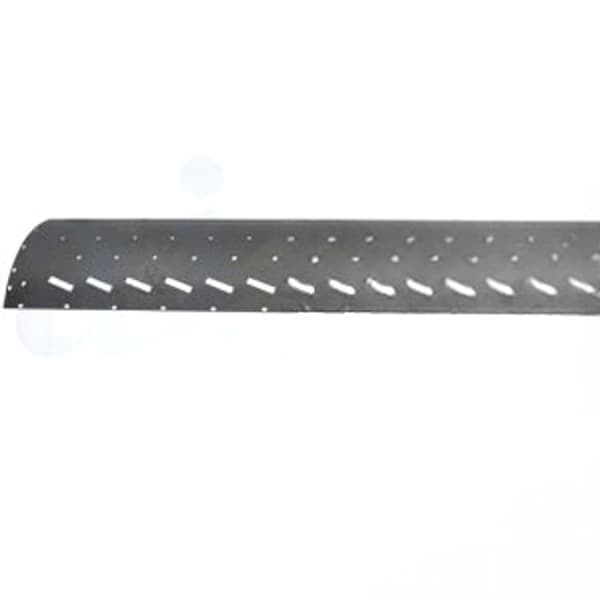
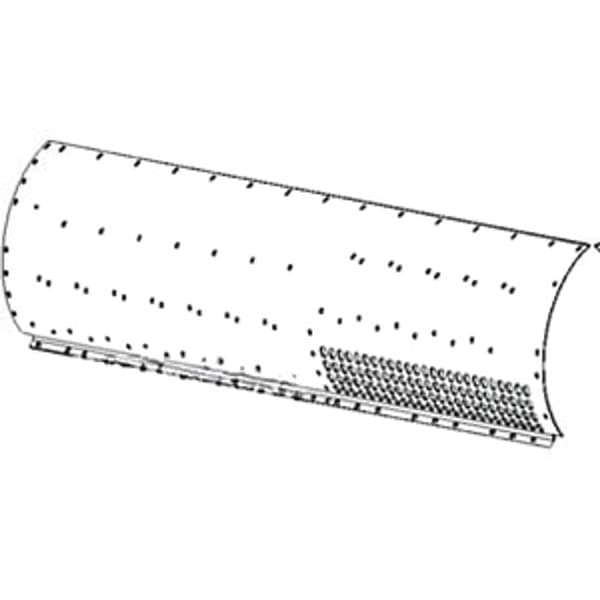
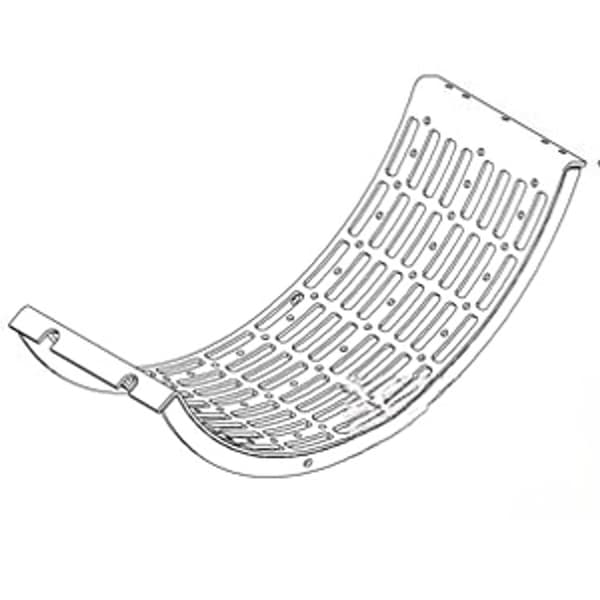
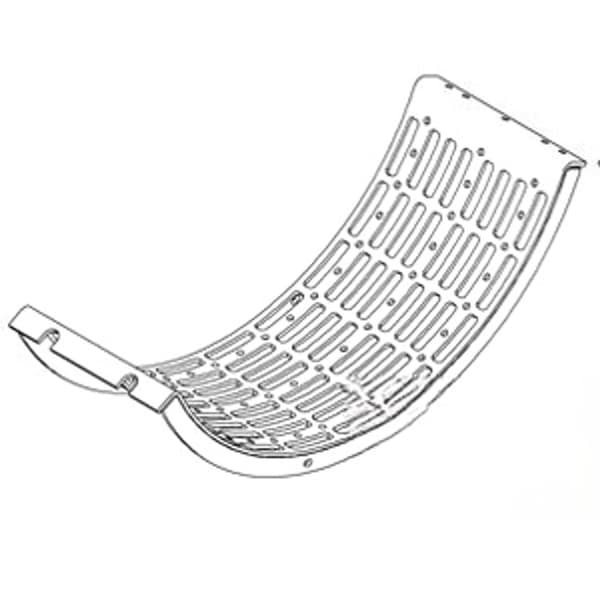
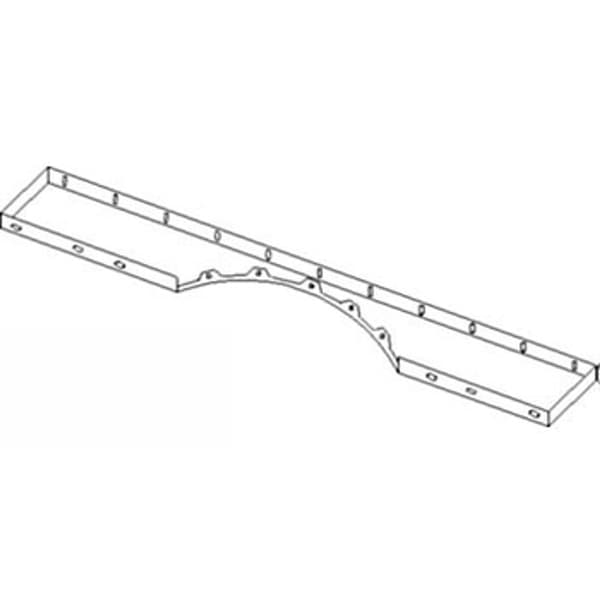
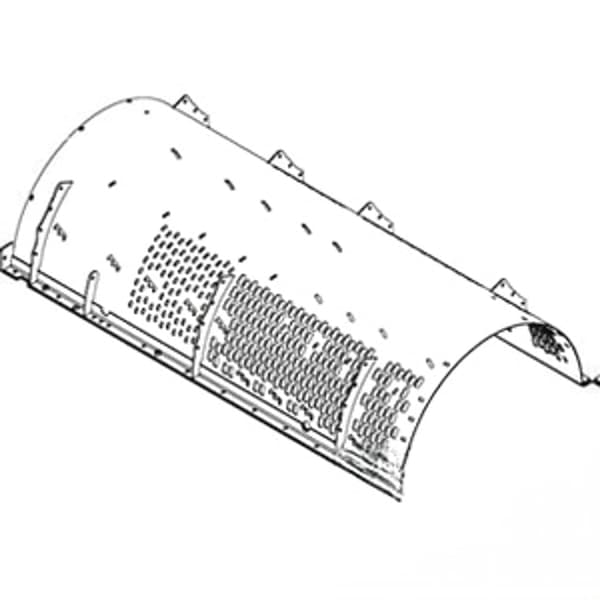
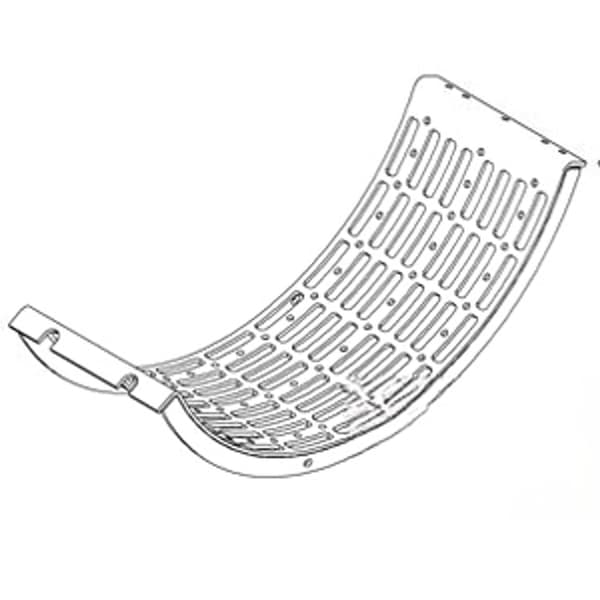
🔍 Looking for a specific part? Try our AI Part Finder — tell it your equipment and what you need, and it will find matching parts instantly.
This article will guide you through the different types of separator grates, explain the function of the rotor cage provide practical tips for maintenance and replacement.
Types of Separator Grates
Separator grates come in various designs, each suited to specific crops and harvesting conditions. Choosing the right grate can significantly impact your combine's performance. Here are some common types
- Standard Wire Grates These are the most common type, featuring a grid of wires that allow grain to pass through while retaining larger material. They are suitable for a wide range of crops.
- Round Bar Grates These grates have round bars instead of wires, providing a more aggressive threshing action. They are often used in tougher threshing conditions or with crops that have a higher moisture content.
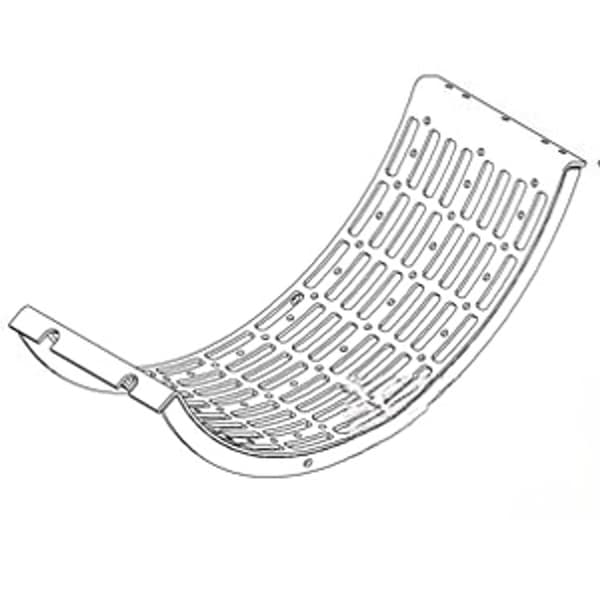
- Slotted Grates Slotted grates have elongated openings that allow for increased separation capacity. They are particularly effective in high-yielding crops or when dealing with green or damp material.
- Adjustable Grates Some combines feature adjustable grates that allow you to change the opening size to optimize performance for different crops and conditions.
When selecting a separator grate, consider the type of crop you'll be harvesting, the moisture content the overall threshing conditions. For example, harvesting wheat in dry conditions might call for a standard wire grate, while harvesting corn in damp conditions might benefit from a round bar or slotted grate. If you're unsure which grate is best for your needs, our experienced parts specialists at Madison Tractor can help you choose the right one for your John Deere, Case IH, New Holland, Gleaner, or Massey Ferguson combine. We also carry parts for less common brands like Deutz, Allis Chalmers, White, International Harvester and Oliver.
See our article on Combine Concave Replacement: Wire, Round Bar & Slotted, which discusses similar features of combine concaves.
Understanding the Rotor Cage
The rotor cage, or separator cage, is the housing that surrounds the rotor. It holds the separator grates in place and directs the flow of material through the threshing and separating area. The design and condition of the rotor cage are critical for optimal combine performance. A worn or damaged rotor cage can lead to grain loss, reduced threshing efficiency increased wear on other components. Check the cage regularly for damage.
Rotor Cage Cover Plates
Rotor cage cover plates are essential for directing the crop flow and preventing excessive wear on the cage itself. These plates are strategically positioned within the rotor cage to control the movement of material and ensure proper threshing and separation. Over time, these plates can wear down or become damaged, leading to inefficiencies and potential damage to the rotor cage. Inspect these plates regularly for wear and replace them as needed. Common cover plate part numbers to cross reference might include 87688293 (Case IH), 71375220 (Case IH), (John Deere) or 84426493 (New Holland). Always verify fitment with your specific combine model.
Maintenance Tips for Separator Grates and Rotor Cages
Regular maintenance is key to extending the life of your separator grates and rotor cage and ensuring optimal combine performance. Here are some essential maintenance tips
- Regular Inspection Inspect your separator grates and rotor cage regularly for wear, damage plugging. Look for broken wires, bent bars any signs of excessive wear.
- Cleaning Keep your separator grates clean and free of debris. Accumulated plant matter can reduce threshing efficiency and increase the risk of fire. Use compressed air or a brush to remove debris regularly.
- Tightening Ensure that all bolts and fasteners are properly tightened. Loose hardware can cause vibration and damage to the grate and rotor cage.
- Lubrication Lubricate any moving parts or bearings in the rotor cage assembly according to the manufacturer's recommendations.
- Adjustment If your combine has adjustable grates, make sure they are properly adjusted for the crop you're harvesting and the current conditions. Consult your combine's operator manual for specific adjustment procedures.
Proper maintenance can prevent costly repairs and downtime during the crucial harvest season. Be sure to check the combine belts and consider Combine Belt Replacement: Drive, Feeder & Separator Belts if you see signs of wear. We also carry a wide variety of filters to help keep your engine running smoothly.
Replacing Separator Grates and Rotor Cage Components
Despite regular maintenance, separator grates and rotor cage components will eventually wear out and need to be replaced. Here's a step-by-step guide to replacing them
- Safety First Before starting any repair work, disconnect the battery and ensure that the combine is properly supported.
- Access the Grates Consult your combine's operator manual for instructions on how to access the separator grates and rotor cage. This may involve removing access panels or other components.
- Remove the Old Grates Carefully remove the old separator grates. Note the orientation of the grates for proper installation of the new ones.
- Inspect the Rotor Cage Inspect the rotor cage for any damage, such as cracks or excessive wear. Replace any damaged components as needed.
- Install the New Grates Install the new separator grates, making sure they are properly seated and aligned.
- Reassemble Reassemble any components that were removed to access the grates.
- Test Start the combine and check for proper operation. Listen for any unusual noises or vibrations.
Safety Warning Always wear appropriate personal protective equipment (PPE), such as gloves and eye protection, when working on your combine. Consult your combine's operator manual for specific safety instructions.
When replacing separator grates or rotor cage components, use high-quality replacement parts from a trusted supplier like Madison Tractor Company. We offer a wide selection of OEM and aftermarket parts for various combine models, including John Deere combine parts, Case IH combine parts, New Holland combine parts, Gleaner combine partsMassey Ferguson combine parts. Other brands include Kubota, Ford, Mahindra, Zetor, Vermeer and Hesston.
You might also need to replace other combine parts, such as radiators, water pumps, starters, alternators, hydraulic pumps, cylinders, clutch kits, PTO parts, fuel pumps, carburetors, injectors, filters, gaskets, pistons, bearings, sealschains. Keep an eye on your sickle sections, too!
Troubleshooting Common Problems
Here are some common problems you might encounter with separator grates and rotor cages, along with possible solutions
- Excessive Grain Loss This could be caused by worn or damaged separator grates, improper grate adjustment, or an overloaded rotor. Check the condition of the grates, adjust them as needed reduce your ground speed if the rotor is overloaded.
- Poor Threshing This could be caused by worn or damaged separator grates, improper rotor speed, or excessive moisture in the crop. Check the condition of the grates, adjust the rotor speed according to the manufacturer's recommendations allow the crop to dry more before harvesting.
- Rotor Plugging This could be caused by excessive moisture in the crop, improper grate adjustment, or a worn rotor cage. Allow the crop to dry more before harvesting, adjust the grates as needed check the rotor cage for any damage.
- Unusual Noises or Vibrations These could be caused by loose hardware, worn bearings, or a damaged rotor cage. Check all bolts and fasteners, lubricate any moving parts inspect the rotor cage for any damage.
Shop for Combine Parts at Madison Tractor Company
At Madison Tractor Company, we are committed to providing our customers with high-quality combine parts and exceptional service. Whether you need a new separator grate, rotor cage component, or any other combine part, we have you covered. Browse our extensive online catalog or contact our knowledgeable parts specialists for assistance. We carry a wide selection of parts for all major combine brands, including John Deere, Case IH, New Holland, Gleaner Massey Ferguson. Trust Madison Tractor Company for all your combine parts needs and keep your harvest running smoothly! You can also use our AI-Powered Part Finder to search for parts by your specific make and model.
Part of our comprehensive guide
Combine Harvester Parts Guide: Pre-Season Checklist & Replacement Parts