








Combine Rotor & Cylinder Bearing: Replacement Guide
Replacing worn combine rotor and cylinder bearings is essential for smooth operation and preventing costly breakdowns during harvest. This guide provides practical advice and step-by-step instructions to help you get the job done right.
Introduction to Combine Rotor & Cylinder Bearings
Combine harvesters are complex machines, and the rotor and cylinder are critical components responsible for threshing and separating grain. The bearings that support these rotating elements endure tremendous stress and strain during operation. Over time, they wear down, leading to decreased performance, increased vibration, and eventually, failure. Replacing worn bearings is a crucial maintenance task that prevents costly downtime and ensures a successful harvest.
Recommended Parts for This Guide
5 parts we recommend — in stock, ships fast, one-click add to cart.
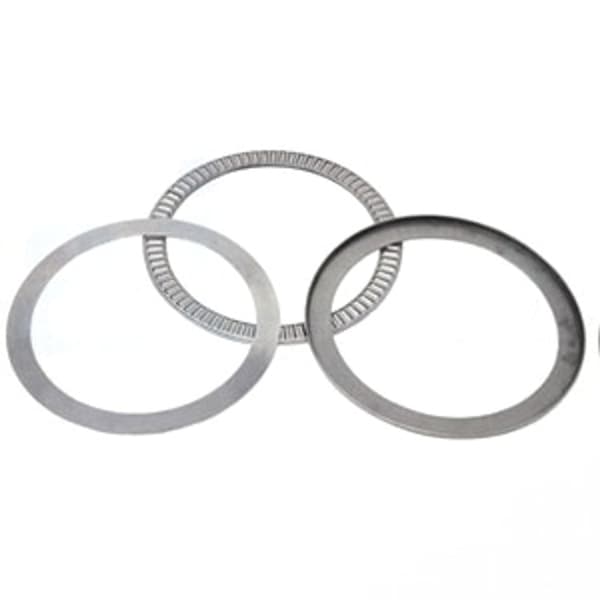
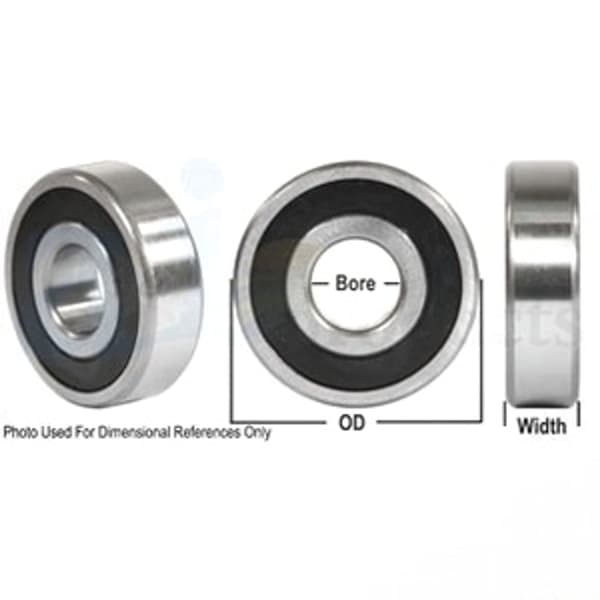
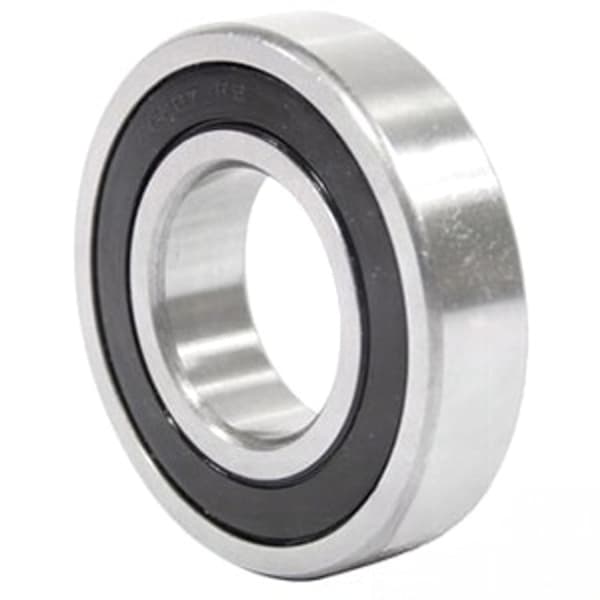
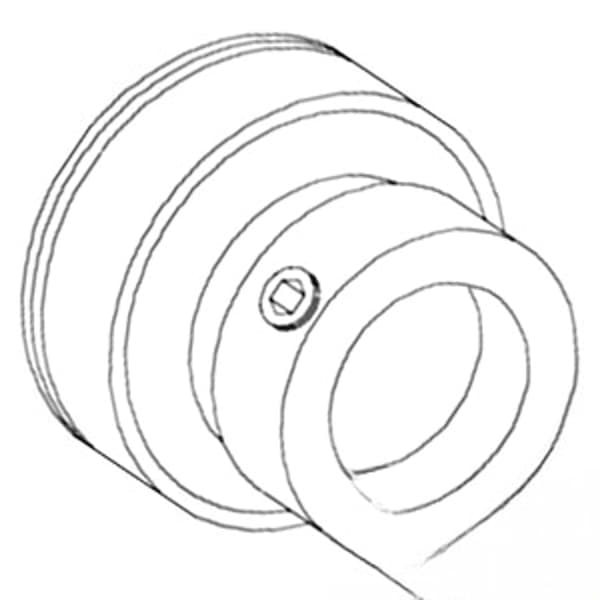
🔍 Looking for a specific part? Try our AI Part Finder — tell it your equipment and what you need, and it will find matching parts instantly.
At Madison Tractor, we understand the importance of keeping your combine running smoothly. We stock a wide range of high-quality bearings, including those for John Deere, Case IH, New Holland, Gleaner, Massey Ferguson, and many other brands. Whether you need a spherical roller bearing, a ball bearing, or a specialized rotor drive thrust bearing for your specific combine model, we have you covered. We also carry related parts like seals and gaskets needed for a proper rebuild.
Why Replace Your Combine Rotor Bearing or Cylinder Bearing?
Several factors contribute to bearing wear in combines:
- Contamination: Dust, dirt, and crop residue can infiltrate bearings, causing abrasion and reducing their lifespan. Proper sealing and regular greasing are essential to prevent this.
- Overloading: Operating the combine beyond its rated capacity can overload the bearings, leading to premature failure.
- Lack of Lubrication: Insufficient or improper lubrication causes friction and heat, accelerating wear.
- Misalignment: Misalignment of the rotor or cylinder can put undue stress on the bearings.
Signs of worn bearings include:
- Excessive vibration
- Unusual noises (grinding, squealing)
- Overheating
- Play or looseness in the rotor or cylinder
- Visual damage (cracks, pitting) on the bearing components
Addressing these issues promptly will prevent more serious damage to other combine components. For example, a failing rotor bearing can cause damage to the rotor itself, requiring expensive rotor repair or replacement.
Tools & Materials Needed
Before you begin, gather the necessary tools and materials:
- New combine rotor bearing or cylinder bearing (check your combine's parts manual for the correct part number. We can help you cross-reference part numbers for John Deere, Case IH, New Holland, Gleaner, Massey Ferguson, Kubota, Allis Chalmers, Deutz, International Harvester, Oliver, White, Vermeer, Hesston, Mahindra, and Zetor)
- Bearing puller or separator tool (hydraulic pullers are often necessary for stubborn bearings)
- Bearing press (for installing new bearings)
- Socket set and wrenches
- Torque wrench
- Hammer and punches
- Grease gun and appropriate grease (check your combine's manual for grease specifications)
- Cleaning solvent and rags
- Safety glasses and gloves
- Penetrating oil
- Shop manual for your specific combine model (critical for torque specs and procedures)
Step-by-Step Combine Rotor Bearing & Cylinder Bearing Replacement Guide
Safety First: Always disconnect the battery before working on your combine. Block the wheels to prevent accidental movement. Be aware of pinch points and sharp edges. Wear safety glasses and gloves.
1. Preparation
- Consult your combine's service manual for specific instructions related to your model. This is crucial, as procedures can vary significantly between different makes and models (e.g., John Deere 9000 series versus an S-Series combine, or a Case IH Axial-Flow versus a New Holland CR series).
- Clean the area around the bearing housing to prevent dirt and debris from entering the new bearing.
- Take pictures before disassembly; this will help you remember the correct orientation of parts during reassembly.
2. Disassembly
- Remove surrounding components: This may include shields, covers, belts (combine belts), or other parts that obstruct access to the bearing housing.
- Loosen and remove the old bearing: Use a bearing puller or separator tool to carefully remove the old bearing from the rotor shaft or cylinder shaft. Apply penetrating oil if necessary. Be patient and avoid damaging the shaft. For stubborn bearings, heat can be applied carefully with a torch, but exercise extreme caution to avoid damaging surrounding components or causing a fire.
- Inspect the shaft: Check the shaft for wear, damage, or corrosion. If the shaft is damaged, it may need to be repaired or replaced.
- Clean the bearing housing: Thoroughly clean the bearing housing with a solvent to remove any old grease, dirt, or debris.
3. Installation
- Install the new bearing: Use a bearing press to carefully press the new bearing onto the shaft. Ensure the bearing is properly aligned and seated correctly. Avoid hammering directly on the bearing, as this can damage it. If you lack a bearing press, you can often gently tap the bearing into place using a sleeve or socket that matches the inner race diameter of the bearing.
- Grease the bearing: Pack the bearing with the appropriate grease as specified in your combine's service manual. Some bearings are pre-greased, but it's always a good idea to add a little extra.
- Reassemble surrounding components: Reinstall any shields, covers, belts, or other parts that were removed during disassembly.
- Torque fasteners: Tighten all bolts and nuts to the correct torque specifications as listed in your combine's service manual. For example, bearing housing bolts often require specific torque values to ensure proper bearing preload and prevent loosening during operation.
4. Final Checks
- Inspect alignment: Verify that the rotor or cylinder is properly aligned after bearing replacement. Misalignment can cause premature bearing failure.
- Lubricate: Relubricate the bearing after initial operation.
- Test run: Start the combine and run it at low speed to check for any unusual noises or vibrations. Gradually increase the speed and continue monitoring.
Troubleshooting Common Issues
- Bearing will not come off: Use more penetrating oil, heat, or a larger bearing puller. Be careful not to damage the shaft.
- Bearing is too tight to install: Ensure the shaft and bearing housing are clean. Use a bearing press and apply even pressure. Lightly heating the bearing (never above 200°F) can help it expand slightly for easier installation.
- Vibration after replacement: Check for misalignment, loose bolts, or a defective bearing.
Combine Concaves and Other Related Components
While you're working on your combine, it's a good time to inspect other wear items. Worn combine concaves, for example, can significantly impact threshing efficiency. Madison Tractor offers a wide selection of combine concaves, including wire, round bar, and slotted options, to suit your specific crop and harvesting conditions. We also carry John Deere combine concaves and other combine parts such as radiators, water pumps, starters, alternators, hydraulic pumps, cylinders, clutch kits, PTO parts, fuel pumps, carburetors, injectors, filters, gaskets, pistons, seals, and belts to keep your machine running smoothly.
Maintaining Your Combine for Long-Term Reliability
Regular maintenance is key to maximizing the lifespan of your combine and minimizing downtime. Here are some essential maintenance tips:
- Grease all bearings regularly: Follow the lubrication schedule in your combine's service manual.
- Check and replace filters: Change air filters, fuel filters, and hydraulic filters according to the recommended intervals.
- Inspect belts and hoses: Look for signs of wear or damage and replace them as needed.
- Keep the combine clean: Remove crop residue and dirt regularly to prevent corrosion and overheating.
- Store the combine properly: When not in use, store the combine in a dry, sheltered location.
Shop Combine Rotor Bearings & More at Madison Tractor
Replacing your combine rotor bearing or cylinder bearing is a critical maintenance task that can save you time and money in the long run. At Madison Tractor, we are committed to providing you with the highest quality combine parts and expert advice to keep your equipment running at its best. Browse our extensive selection of bearings, seals, and other combine parts online or contact our knowledgeable staff for assistance. We ship nationwide and offer competitive prices on all our products. Let us help you keep your harvest on track!
🔍 Can't Find Your Part?
Use our AI-Powered Part Finder to search by your equipment's make, model, and what you need. It's the fastest way to find the exact part for your machine.
Try the Part Finder →Part of our comprehensive guide
Combine Harvester Parts Guide: Pre-Season Checklist & Replacement Parts