








Combine Sickle Guard: Standard & Forged Guards
Combine sickle guards are essential for clean, efficient harvesting. This guide explores the differences between standard and forged guards, helping you choose the right one for your combine. Improve your harvest quality and minimize downtime with the right sickle guard.
Understanding Combine Sickle Guards
The sickle bar on your combine harvester is responsible for cutting the crop as it enters the header. A critical component of this system is the combine sickle guard. These guards protect the sickle sections from damage, guide the crop into the cutting area provide a clean, consistent cut. Choosing the right sickle guard is essential for efficient harvesting and minimizing grain loss.
Recommended Parts for This Guide
10 parts we recommend — in stock, ships fast, one-click add to cart.
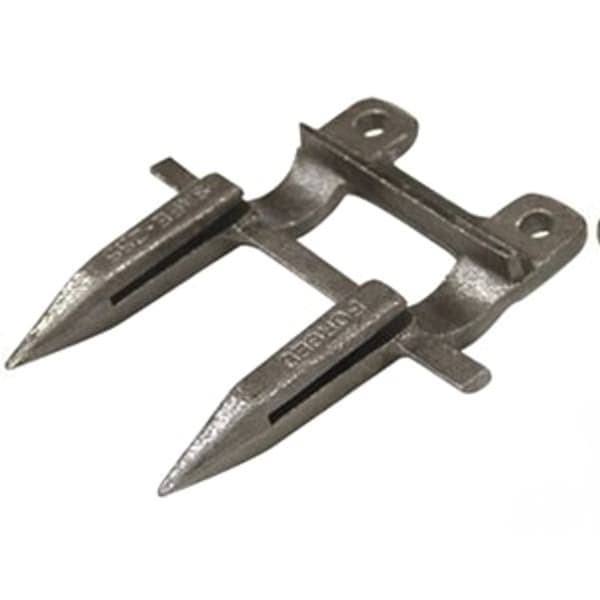
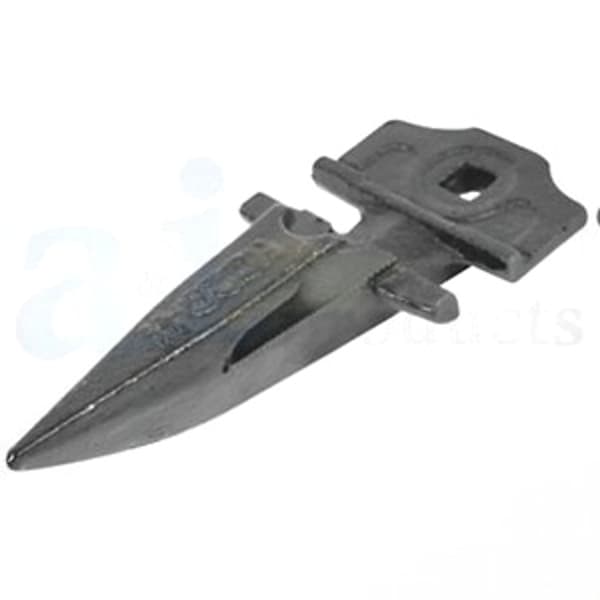
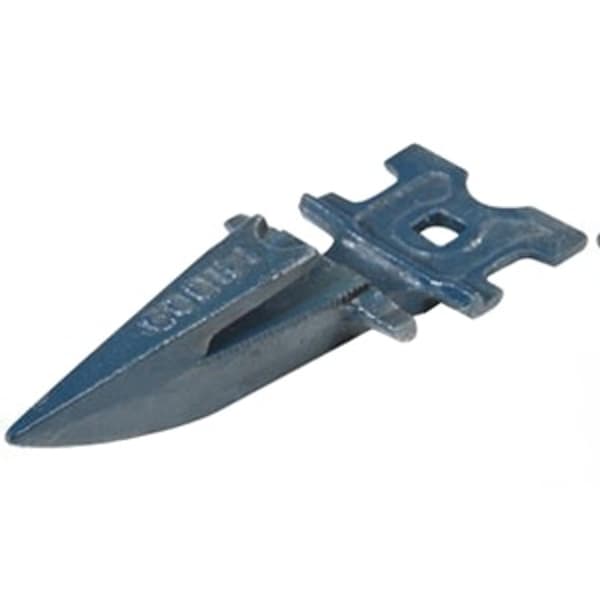
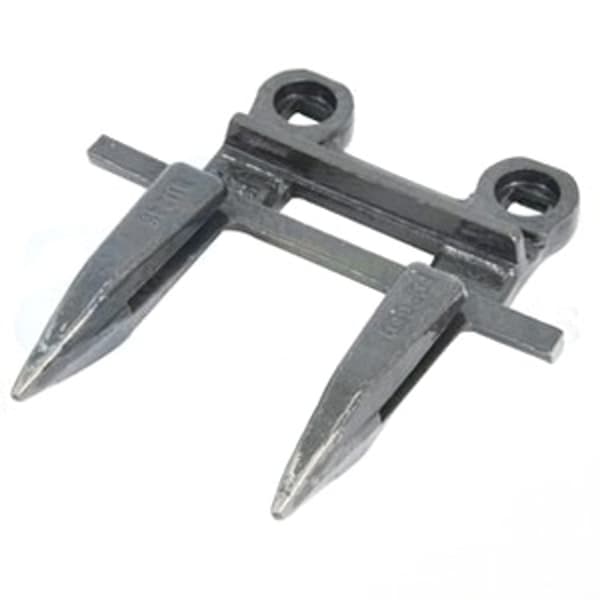
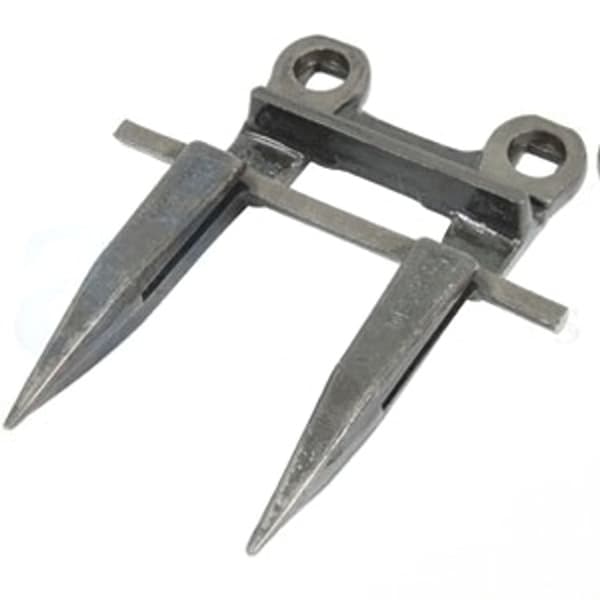
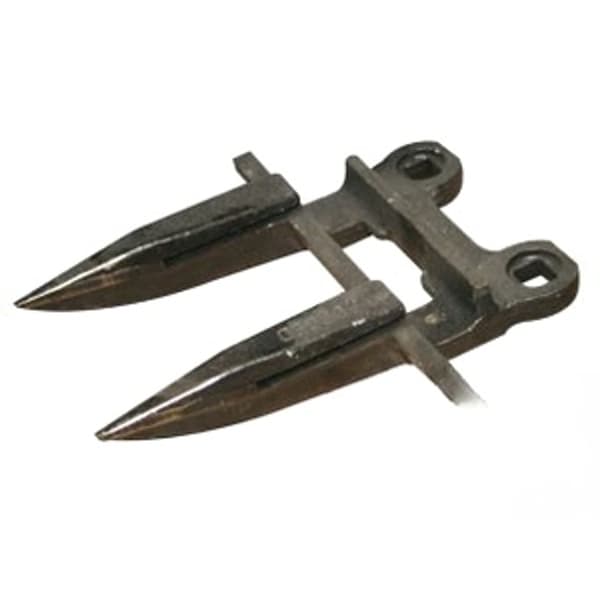
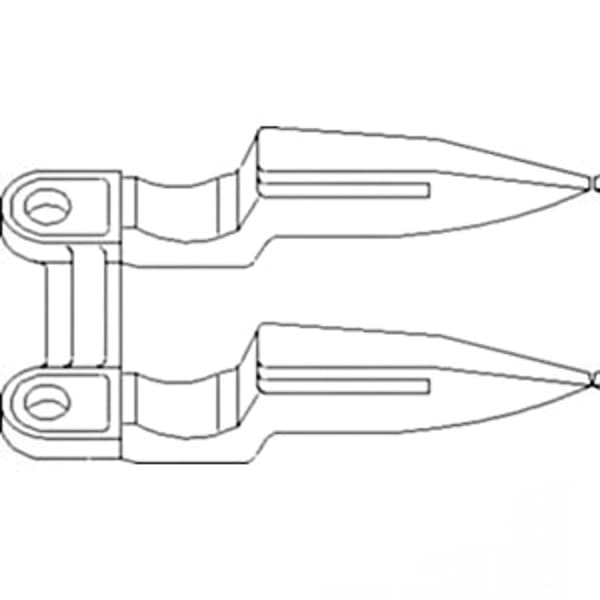
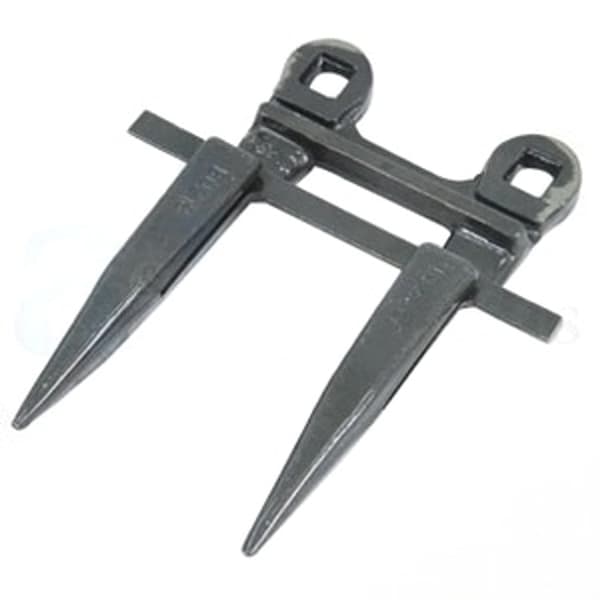
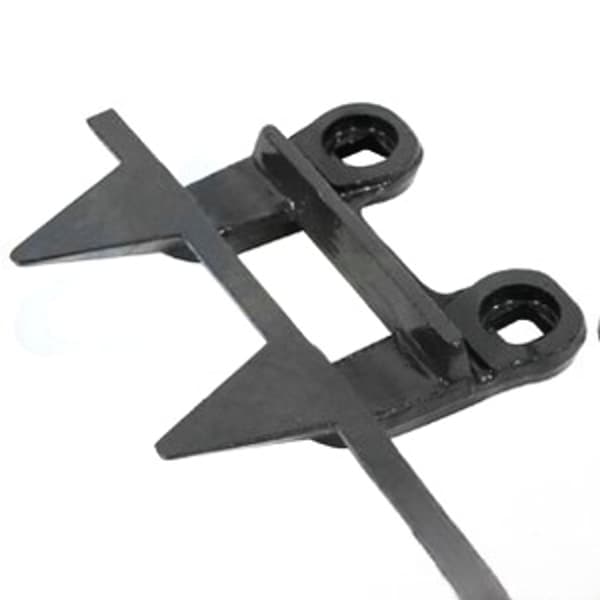
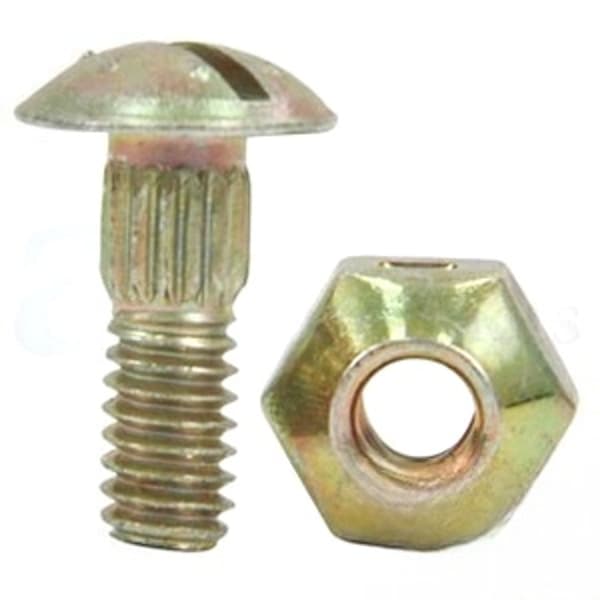
🔍 Looking for a specific part? Try our AI Part Finder — tell it your equipment and what you need, and it will find matching parts instantly.
Sickle guards, sometimes called knife guards, are mounted on the cutter bar and work in conjunction with the sickle sections to shear the crop. They're subjected to significant stress and wear, especially when harvesting in abrasive conditions or fields with rocks and other debris. Regular inspection and timely replacement of worn or damaged guards is crucial to maintaining optimal combine performance.
Standard vs. Forged Combine Sickle Guards
The two main types of combine sickle guards are standard (or stamped) guards and forged guards. Here's a breakdown of their differences
Standard (Stamped) Sickle Guards
- Manufacturing Process Stamped from a sheet of steel.
- Cost Generally less expensive than forged guards.
- Durability Suitable for normal harvesting conditions. May wear more quickly in abrasive conditions.
- Applications Well-suited for operations with relatively clean fields and lighter crop loads.
Forged Sickle Guards
- Manufacturing Process Heated and shaped using a forging process, resulting in a denser, stronger material.
- Cost More expensive than standard guards.
- Durability Significantly more durable and resistant to wear and breakage, especially in tough conditions. Double Heat Treated Forged Guards are excellent for these scenarios.
- Applications Ideal for heavy crop loads, rocky fields abrasive soils. They offer longer life and reduced downtime.
Choosing the Right Sickle Guard for Your Needs
The best type of sickle guard for your combine depends on your specific harvesting conditions and budget. Consider these factors
- Crop Type Dense, stalky crops like corn or soybeans can put more stress on sickle guards. Forged guards are often a better choice in these situations.
- Field Conditions If you frequently harvest in fields with rocks, sand, or other abrasive materials, forged guards will provide superior protection and longevity.
- Acreage For high-acreage operations, the increased durability of forged guards can justify the higher upfront cost.
- Budget Standard guards are a more economical option for smaller operations or those with less demanding harvesting conditions.
Inspecting and Replacing Combine Sickle Guards
Regular inspection of your combine sickle guards is essential for maintaining peak performance. Look for these signs of wear or damage
- Cracks or breaks Any visible cracks or breaks indicate that the guard needs to be replaced immediately.
- Worn or rounded edges Worn edges reduce the guard's ability to guide the crop effectively, leading to uneven cutting and grain loss.
- Looseness Check that the guards are securely mounted to the cutter bar. Loose guards can vibrate and cause damage to the sickle sections and other components.
Replacing Sickle Guards: A Step-by-Step Guide
- Safety First Disconnect the combine's engine and engage the parking brake. Allow the header to cool down completely before working on it.
- Gather Your Tools You'll need a wrench or socket set, a hammer potentially a punch or drift pin. Consult your combine's service manual for the correct tool sizes.
- Remove the Old Guard Depending on the design, sickle guards are typically held in place by bolts, rivets, or special fasteners. Use the appropriate tools to remove the fasteners. If rivets are used, you may need to punch them out.
- Clean the Mounting Surface Before installing the new guard, clean the mounting surface on the cutter bar to ensure a good fit. Remove any rust, dirt, or debris.
- Install the New Guard Position the new guard on the cutter bar and align the mounting holes. Install the fasteners and tighten them securely. Refer to your combine's service manual for the recommended torque specifications. For example, some John Deere combine sickle guards may require a torque of 25-30 ft-lbs.
- Check Alignment After installing the new guard, ensure that it is properly aligned with the sickle sections. Misalignment can cause premature wear and damage.
- Repeat for All Worn or Damaged Guards Replace all worn or damaged guards at the same time to ensure consistent cutting performance.
Safety Warning Always wear appropriate personal protective equipment (PPE), including gloves and eye protection, when working on your combine.
Compatibility and Cross-Referencing
Ensuring you select the correct sickle guard for your specific combine model is crucial. Madison Tractor Company offers a wide range of combine sickle guards for various makes and models, including
- John Deere (9000 Series, S-Series, X-Series - see John Deere Combine Parts: 9000, S-Series & X-Series)
- Case IH (Axial-Flow 1400-9200 Series - see Case IH Combine Parts: Axial-Flow 1400-9200 Series)
- New Holland (CR, CX, TR Series - see New Holland Combine Parts: CR, CX & TR Series)
- Gleaner (R, N, S Series - see Gleaner Combine Parts: R, N & S Series Replacements)
- Massey Ferguson (700 & 8500 Series - see Massey Ferguson Combine Parts: 700 & 8500 Series)
- Ford
- Kubota
- Allis Chalmers
- Deutz
- International Harvester
- Oliver
- White
- Vermeer
- Hesston
- Mahindra
- Zetor
Many sickle guards are interchangeable between different brands and models. Our website allows you to search by OEM part number or cross-reference number to find the correct replacement for your combine. For example, a common John Deere sickle guard might be part number, while a Case IH equivalent might be 87585122. Always verify compatibility before ordering.
Beyond Sickle Guards: Maintaining Your Combine Header
While sickle guards are critical, don't neglect other essential components of your combine header. Regular maintenance and replacement of parts like sickle sections, combine belts auger components will ensure smooth and efficient harvesting. Other essential combine parts include: radiators, water pumps, starters, alternators, hydraulic pumps and cylinders.
Be sure to check your combine concave for wear too. We offer a variety of concave options including wire, round bar and slotted concaves. If you have a John Deere combine be sure to check out the John Deere Combine Concave: STS & S-Series Parts guide.
Choosing the Right Parts and Brands
We offer combine parts for all major brands: John Deere, Case IH, Ford, New Holland, Massey Ferguson, Kubota, Allis Chalmers, Deutz, International Harvester, Oliver, White, Gleaner, Vermeer, Hesston, Mahindra Zetor. When choosing parts, consider factors like material quality and warranty.
Shop Combine Sickle Guards at Madison Tractor Company
At Madison Tractor Company, we understand the importance of reliable combine parts. We offer a wide selection of both standard and forged combine sickle guards to fit your specific needs and budget. Our knowledgeable staff can help you find the right parts for your combine and answer any questions you may have. Browse our selection today and keep your combine running smoothly throughout the harvest season. We also offer a full range of other combine parts including: radiators, water pumps, starters, alternators, hydraulic pumps, cylinders, clutch kits, PTO parts, fuel pumps, carburetors, injectors, filters, gaskets, pistons, bearings, seals, belts, chains and concaves. Shop Combine Parts Now! You can also use our AI-Powered Part Finder to search for parts by your specific make and model.
Part of our comprehensive guide
Combine Harvester Parts Guide: Pre-Season Checklist & Replacement Parts