








Combine End of Season Storage: Winterization Checklist
Protect your combine from winter's harsh effects with our comprehensive storage checklist. Learn how to properly prepare your machine for off-season storage, preventing costly repairs and ensuring peak performance next harvest.
Introduction: Protecting Your Investment
The harvest season is over, and it's time to think about storing your combine for the winter. Proper combine storage isn't just parking it in the shed and hoping for the best. It's an investment in the longevity and reliability of your machine. A well-executed combine storage checklist can prevent costly repairs, minimize downtime next season, and keep your equipment running smoothly for years to come. Madison Tractor Company understands the importance of preventative maintenance, offering a wide range of parts to help you properly winterize your combine.
Recommended Parts for This Guide
3 parts we recommend — in stock, ships fast, one-click add to cart.
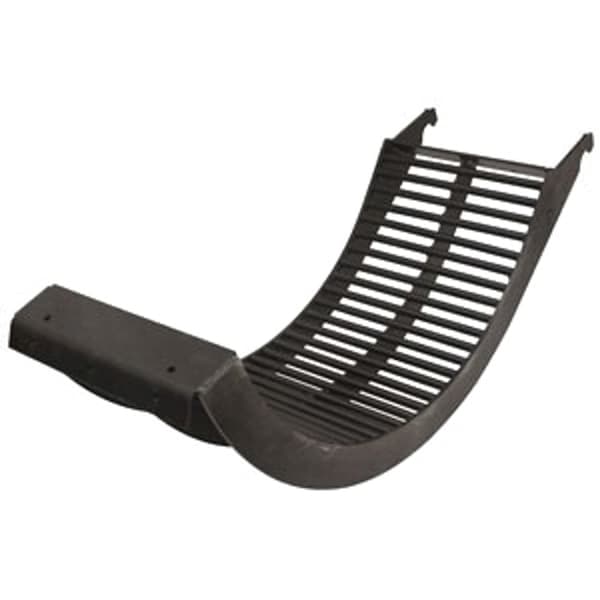
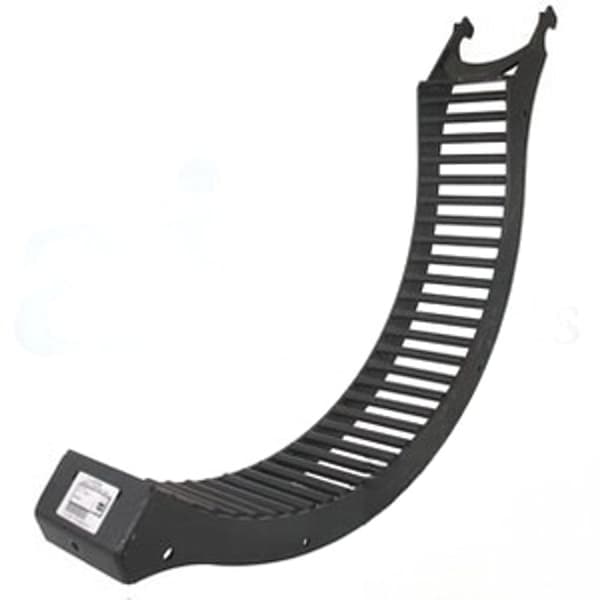
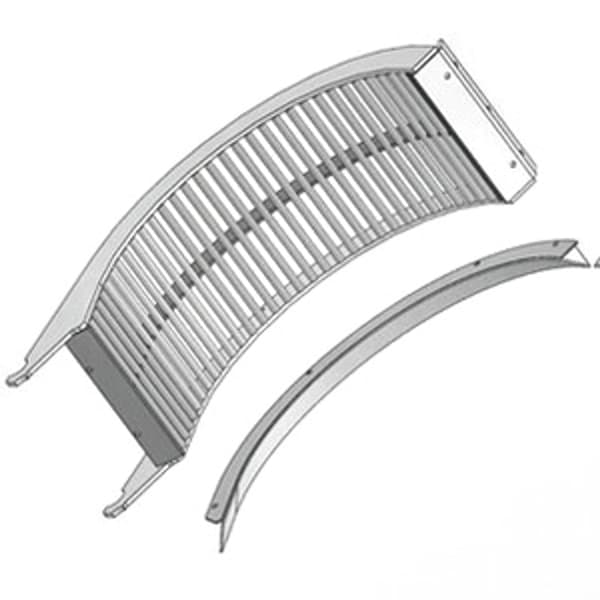
🔍 Looking for a specific part? Try our AI Part Finder — tell it your equipment and what you need, and it will find matching parts instantly.
Whether you own a late-model John Deere S-Series or a classic Massey Ferguson 750, these steps will help you protect your valuable investment.
Step 1: Thorough Cleaning - Inside and Out
Why it matters: Crop residue attracts rodents, promotes rust, and can damage components over time.
How to do it:
- Compressed Air: Use compressed air to blow out all areas of the combine, including the engine compartment, grain tank, sieves, concaves (especially important – explore our Front, Middle/Rear, and Rear Round Bar Concaves, and other combine concave options), and header. Pay close attention to areas where grain and chaff accumulate.
- Pressure Washer: If permissible per your operator's manual, use a pressure washer to clean the exterior of the combine. Be cautious around electrical components and bearings. Allow the machine to dry completely after washing.
- Inside the Grain Tank: Thoroughly clean the grain tank to prevent mold and mildew growth.
- Inspect for Damage: While cleaning, inspect for worn or damaged parts, such as rear belts (and other combine belts), chains, and bearings. Replacing these now prevents bigger problems later.
Safety Warning: Always disconnect the battery before using a pressure washer to avoid electrical shock.
Step 2: Preventative Maintenance and Inspections
Why it matters: Addressing potential issues now can prevent breakdowns during the next harvest season.
How to do it:
- Oil Change: Change the engine oil and filter. Old oil contains contaminants that can corrode engine components during storage. Use the oil grade specified in your combine's operator's manual. Check the oil level in all gearboxes and transmissions as well.
- Fuel System:
- Diesel Engines: Fill the fuel tank completely to prevent condensation. Add a fuel stabilizer to prevent fuel degradation. Consider adding an anti-gel additive if storing the combine in a cold climate.
- Gasoline Engines: Drain the fuel tank and carburetor to prevent gum and varnish buildup.
- Cooling System: Check the coolant level and freeze protection. Top off with the appropriate coolant mixture. Inspect hoses for cracks or leaks. Consider replacing coolant if it's old or contaminated. For example, a 2015 John Deere S680 combine requires approximately 17 gallons of coolant. Madison Tractor carries radiators and water pumps for John Deere, Case IH, New Holland, and other major brands.
- Hydraulic System: Inspect hydraulic hoses, cylinders, and fittings for leaks. Check the hydraulic fluid level and top off as needed. Leaks can indicate worn seals or failing components; consider replacing worn hydraulic cylinders before next season.
- Battery: Disconnect the battery and store it in a cool, dry place. Clean the terminals and check the electrolyte level (if applicable). Use a trickle charger to maintain the battery's charge.
- Grease All Fittings: Lubricate all grease fittings according to your combine's maintenance schedule. This prevents corrosion and ensures smooth operation next season.
- Tire Pressure: Check tire pressure and inflate to the recommended level.
- Air Filter: Inspect and clean or replace the air filter. A clean air filter ensures proper engine performance.
Step 3: Protecting Against Pests and Corrosion
Why it matters: Rodents and corrosion can cause significant damage to your combine during storage.
How to do it:
- Rodent Control: Place rodent bait stations or traps around the combine. Seal any openings that rodents could use to enter the machine. Inspect wiring harnesses for signs of rodent damage.
- Corrosion Protection: Apply a rust inhibitor to exposed metal surfaces. Use a desiccant to absorb moisture in enclosed areas.
- Exhaust System: Cover the exhaust pipe to prevent moisture from entering the engine.
- Electrical Connections: Apply dielectric grease to electrical connections to prevent corrosion.
Step 4: Header Storage
Why it matters: Proper header storage prevents damage to the cutting platform, auger, and other components.
How to do it:
- Clean the Header: Remove all crop residue from the header.
- Inspect for Damage: Inspect the sickle, guards, auger, and other components for wear or damage. Replace worn sickle sections as needed.
- Support the Header: Store the header on stands or blocks to prevent it from resting on the ground.
- Cover the Header: Cover the header with a tarp to protect it from the elements.
Step 5: Final Inspection and Documentation
Why it matters: A final inspection ensures that all storage procedures have been completed and provides a record of maintenance performed.
How to do it:
- Review the Checklist: Review this combine storage checklist to ensure that all steps have been completed.
- Document Maintenance: Record all maintenance performed, including parts replaced, fluids added, and repairs made. This documentation will be helpful for future maintenance and repairs.
- Operator's Manual: Consult your combine's operator's manual for specific storage recommendations.
Model-Specific Considerations and Part Availability
While the above steps apply to most combines, specific models may have unique storage requirements. Always consult your operator's manual for detailed instructions.
Madison Tractor Company carries a wide range of parts for all major combine brands, including:
- John Deere: From classic models to the latest S-Series and X-Series, we have the John Deere combine parts you need.
- Case IH: We stock parts for Axial-Flow 1400-9200 series combines, from feeder house chains to sieves and beyond. Check out our full selection of Case IH combine parts.
- New Holland: Whether you have a CR, CX, or TR series combine, we have the New Holland combine parts to keep it running.
- Gleaner: We offer parts for R, N, and S series Gleaner combines. Find all your Gleaner combine parts here.
- Massey Ferguson: Madison Tractor is your source for Massey Ferguson combine parts, including 700 and 8500 series models.
- Other Brands: We also carry parts for Ford, Kubota, Allis Chalmers, Deutz, International Harvester, Oliver, White, Vermeer, Hesston, Mahindra, and Zetor.
Common parts needed for combine winterization include:
- Filters (oil, fuel, air, hydraulic)
- Oil and lubricants
- Coolant
- Fuel stabilizer
- Grease
- Batteries
- Belts
- Hoses
- Rodent control products
- Rust inhibitors
Example: John Deere 9600 Series Combine
Let's consider a common example: a John Deere 9600 series combine. For this model, in addition to the steps outlined above, consider the following:
- Transmission Oil: The 9600 series uses Hy-Gard transmission oil. Check the level and condition, and change if necessary.
- Final Drive Oil: Inspect the final drive oil level and condition. Use John Deere GL-5 gear oil or equivalent.
- Feeder House Chain: Inspect the feeder house chain for wear and proper tension. Replace if necessary. We carry feeder house chains for most models.
Note: Always refer to the John Deere 9600 series operator's manual for specific recommendations and fluid capacities.
Conclusion
By following this comprehensive combine storage checklist, you can protect your investment and ensure that your machine is ready for the next harvest season. Remember that preventative maintenance is always more cost-effective than repairs. Taking the time to properly winterize your combine will save you time, money, and headaches in the long run. Whether you need john deere combine parts, case ih combine parts, or parts for any other major brand, Madison Tractor Company is here to help.
Ready to prepare your combine for winter storage? Shop our wide selection of combine parts at Madison Tractor Company today! You can also use our AI-Powered Part Finder to search for parts by your specific make and model.
Part of our comprehensive guide
Combine Harvester Parts Guide: Pre-Season Checklist & Replacement Parts