Gleaner E2 Combine Parts
The Gleaner E2 combine, produced from 1979 to 1986, offered a reliable harvesting solution for farmers. Typically powered by a diesel engine offering around 145 horsepower, it handled a variety of crops effectively. Known for its conventional threshing system and durable construction, the E2 provided a cost-effective and dependable option, featuring header widths up to 20 feet.
The Gleaner E2 was introduced in 1979 as part of the Gleaner N Series and remained in production until 1986. It filled a crucial role in the lineup, providing a robust and economical harvesting solution. The E2 was typically powered by an Allis-Chalmers 301 cubic inch, 145 horsepower diesel engine, known for its fuel efficiency and reliability. It employed a conventional threshing system with a 40-inch wide cylinder and a walker separation system, providing efficient grain separation. The grain tank capacity was around 160 bushels, and it featured an unloading auger with a rate of approximately 50 bushels per minute. Available header widths ranged from 13 to 20 feet, allowing for adaptability to different field sizes and crop types. Options included straw choppers and spreaders to manage residue effectively. The cab was functional, providing essential controls and visibility for the operator. The Gleaner E2 excelled at harvesting a variety of crops, including wheat, soybeans, and corn, making it a versatile machine for many farming operations.
Specifications
| Engine | Allis-Chalmers 301 Diesel |
|---|---|
| Separator Type | Conventional - 40-inch Cylinder width |
| Grain Tank | 160 bushels |
| Unloading Rate | 50 bu/min |
| Header Widths | 13-20 ft |
| Fuel Capacity | 75 gallons |
| Weight | Approx. 13,000 lbs |
| Years Produced | 1979-1986 |
Maintenance Tips
- Concave Adjustment: Regularly inspect and adjust the concave clearance according to the crop being harvested to minimize grain loss and damage.
- Belt and Chain Tension: Maintain proper tension on all belts and chains to ensure efficient power transmission and prevent premature wear.
- Sieve and Chaffer Cleaning: Clean the sieves and chaffers frequently to remove debris and ensure proper grain separation. Clogged sieves lead to grain loss.
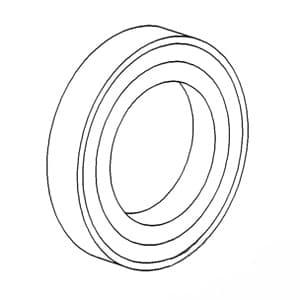
- Bearing Greasing: Regularly grease all bearings as per the manufacturer's recommendations to prevent wear and ensure smooth operation.
History & Background
The Gleaner E2 was a key model in the Gleaner N Series, introduced in 1979. It offered a significant upgrade from previous models in terms of efficiency and reliability, while maintaining a conventional threshing design favored by many farmers. Its production run lasted until 1986, marking it as a significant and well-regarded combine in Gleaner's history.
Frequently Asked Questions
What engine is in the Gleaner E2?
The Gleaner E2 is typically powered by an Allis-Chalmers 301 cubic inch diesel engine, producing around 145 horsepower.
What is the grain tank capacity on a E2?
The Gleaner E2 has a grain tank capacity of approximately 160 bushels, with an unloading rate of around 50 bushels per minute.
What type of separator does the E2 have?
The Gleaner E2 utilizes a conventional threshing system with a 40-inch wide cylinder and walker separation.
What are common parts needed for the E2?
Common wear parts for the Gleaner E2 include concaves, rasp bars, belts, chains, bearings, auger fingers, and sickle sections for the header.