



Gleaner A2 Combine Parts
A2 parts and accessories
The Gleaner A2 combine, produced from 1968-1974, was a popular choice for farmers due to its simplicity and reliability. Powered by a 105 HP engine, it offered header widths up to 15 feet, making it suitable for a variety of grain harvesting tasks. Its conventional cylinder and walker separator system provided efficient grain separation in its era.
The Gleaner A2 was introduced in 1968, building upon Gleaner's legacy of innovative harvesting solutions. Production continued until 1974. The A2 was typically equipped with an Allis-Chalmers 2900 290 CID gasoline engine rated at 105 horsepower. A Perkins 3.9L diesel engine was optional. This model employed a conventional threshing system featuring a 40-inch wide cylinder and straw walkers for efficient grain separation. The grain tank capacity was approximately 80 bushels, and the unloading auger had a discharge rate of around 35 bushels per minute. Header widths ranged from 10 to 15 feet, accommodating different field conditions and crop types. While not standard, chopper and spreader options were available for residue management. The cab offered basic operator comfort, focusing on functionality rather than luxury. The Gleaner A2 proved particularly effective for harvesting wheat, soybeans, and corn in its time.
Specifications
| Engine | Allis-Chalmers 2900 105 HP 290 CID Gasoline (Perkins Diesel Optional) |
|---|---|
| Separator Type | Conventional - 40-inch wide cylinder |
| Grain Tank | 80 bushels |
| Unloading Rate | 35 bu/min |
| Header Widths | 10-15 ft |
| Fuel Capacity | 30 gallons |
| Weight | 8,900 lbs |
| Years Produced | 1968-1974 |
Maintenance Tips
- Concave Adjustment: Regularly inspect and adjust the concave clearance to ensure optimal threshing and minimize grain damage. Refer to the operator's manual for specific settings based on the crop being harvested.
- Belt and Chain Tension: Routinely check and maintain proper tension on all belts and chains to prevent slippage, premature wear, and potential breakdowns during critical harvesting periods.
- Sieve and Chaffer Cleaning: Clean the sieves and chaffer frequently to remove debris and ensure efficient grain separation. Clogged sieves can lead to grain loss and reduced harvesting capacity.
- Pre-Season Preparation: Before each harvest season, thoroughly inspect and lubricate all bearings, check fluid levels, and replace any worn or damaged parts to minimize downtime and maximize efficiency.
History & Background
The Gleaner A2 debuted in 1968 as a mid-sized combine designed for efficient grain harvesting. It continued the Gleaner tradition of rear-engine combines, offering a clear view of the header. This model was a significant player in its time, providing a reliable and affordable harvesting solution for many farmers.
Frequently Asked Questions
What engine is in the Gleaner A2?
The Gleaner A2 was primarily equipped with an Allis-Chalmers 2900 290 CID gasoline engine rated at 105 horsepower. A Perkins 3.9L diesel engine was optional.
What is the grain tank capacity on a A2?
The grain tank capacity of the Gleaner A2 is approximately 80 bushels, with an unloading rate of around 35 bushels per minute.
What type of separator does the A2 have?
The Gleaner A2 utilizes a conventional threshing system featuring a 40-inch wide cylinder and straw walkers for efficient grain separation.
What are common parts needed for the A2?
Common wear parts for the Gleaner A2 include concaves, rasp bars, belts, chains, bearings, auger fingers, and sickle sections.
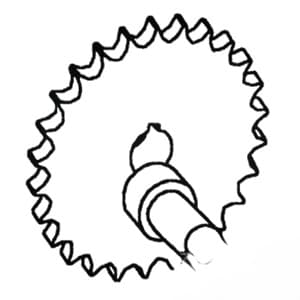
71130746 - Shoe Drive (RH) Sprocket Crank Assy.
SKU: 71130746
15 in stock

71128775 - Delco Starter
SKU: 71128775
15 in stock

LF682J - Spin-On (QTY 1) Lube Filter
SKU: LF682J
Out of stock

LF682 - Spin-On (QTY 12) Lube Filter
SKU: LF682
15 in stock

LF503J - Cartridge (QTY 1) Lube Filter
SKU: LF503J
Out of stock
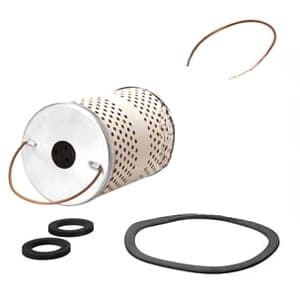
FF248J - Cartridge (QTY 1) Fuel Filter
SKU: FF248J
Out of stock
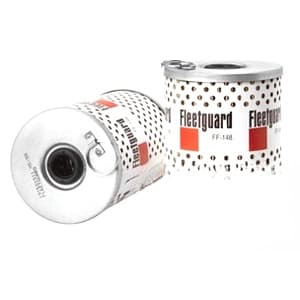
FF148J - Cartridge (QTY 1) Fuel Filter
SKU: FF148J
Out of stock