








Zero Turn Steering Damper: Lever Damper Replacement
Is your zero turn mower's steering jerky or unresponsive? A failing steering damper might be the culprit. This guide will walk you through replacing your zero turn steering damper (lever damper) for smoother operation.
Zero turn mowers offer incredible maneuverability and speed, making them a popular choice for homeowners and professionals alike. However, that nimble steering can become a liability if the steering system isn't properly maintained. One crucial component often overlooked is the zero turn steering damper, also known as a lever damper. This article will guide you through the process of replacing your steering damper, ensuring your zero turn remains a smooth and efficient machine.
Recommended Parts for This Guide
1 part we recommend — in stock, ships fast, one-click add to cart.
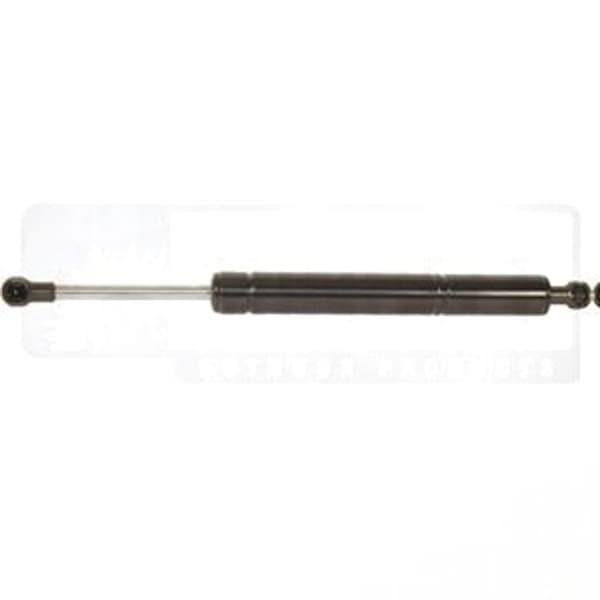
🔍 Looking for a specific part? Try our AI Part Finder — tell it your equipment and what you need, and it will find matching parts instantly.
What is a Zero Turn Steering Damper?
The steering damper's primary function is to dampen, or reduce, the speed and intensity of steering movements. Think of it like a shock absorber for your steering system. Without it, the front wheels of your zero turn can oscillate wildly, causing jerky movements, instability, and making precise cuts difficult. This is especially noticeable at higher speeds. It works by resisting rapid changes in steering angle, providing a smoother, more controlled experience. It is part of the mower's lawn tractor transaxle and overall drive system.
Why Replace Your Steering Damper?
Over time, the internal components of the steering damper wear out. This can be due to factors like:
- Normal wear and tear: Constant use degrades the internal seals and fluid.
- Environmental factors: Exposure to heat, dirt, and moisture can accelerate wear.
- Impact damage: Hitting obstacles can damage the damper internally or externally.
Common symptoms of a failing steering damper include:
- Jerky or erratic steering: Difficulty maintaining a straight line, especially at higher speeds.
- Wheel wobble: Front wheels oscillating or shaking.
- Reduced steering precision: Difficulty making accurate turns.
- Visible damage: Leaks, dents, or bends in the damper body.
Ignoring these symptoms can lead to reduced cutting quality, operator fatigue, and even dangerous loss of control. Replacing the steering damper is a relatively simple and inexpensive repair that can significantly improve your zero turn's performance and safety.
Tools and Materials You'll Need
Before you begin, gather the necessary tools and materials:
- New Steering Damper: Ensure it's the correct replacement part for your specific zero turn model. Check your owner's manual or use our parts lookup tool on the Madison Tractor Company website. We carry dampers for brands like John Deere, Cub Cadet, Craftsman, Husqvarna, Toro, Ariens, Murray, Hustler, Scag, Exmark, Ferris, Snapper, Simplicity, and Dixie Chopper.
- Socket Set: With various sizes to fit the damper's mounting hardware.
- Wrench Set: Including open-end and box-end wrenches.
- Pliers: For removing cotter pins or other retaining clips.
- Screwdriver Set: Both flathead and Phillips head screwdrivers.
- Penetrating Oil: To loosen stubborn bolts or nuts.
- Grease Gun: To lubricate the new damper's pivot points (if applicable).
- Safety Glasses: To protect your eyes from debris.
- Gloves: To protect your hands.
- Jack and Jack Stands (optional): To raise the mower for easier access (depending on the model).
- Wheel Chocks: If raising the mower, chock the wheels to prevent rolling.
- Shop Rags: For cleaning up spills.
Step-by-Step Replacement Guide
Safety First! Before starting any repair, disengage the blades, turn off the engine, remove the key, and allow the engine to cool completely. Disconnect the spark plug wire to prevent accidental starting.
- Preparation: Park the zero turn on a level surface. If necessary, use a jack and jack stands to raise the front of the mower for better access. Always use wheel chocks for safety.
- Locate the Steering Damper: The steering damper is typically located near the front axle, connecting the steering linkage to the mower frame. Consult your owner's manual for the exact location.
- Remove the Old Damper:
- Spray penetrating oil on the damper's mounting bolts or nuts to loosen them.
- Use a socket or wrench to remove the mounting hardware.
- If cotter pins or retaining clips are used, use pliers to remove them.
- Carefully detach the old steering damper from the steering linkage and the mower frame.
- Inspect the Mounting Points: Check the mounting points on the steering linkage and mower frame for any damage or wear. Clean them thoroughly with a wire brush.
- Install the New Damper:
- Align the New Steering Damper with the mounting points.
- Install the mounting hardware (bolts, nuts, cotter pins, or retaining clips).
- Tighten the hardware securely, but be careful not to overtighten and damage the damper or mounting points.
- If the new damper has grease fittings, lubricate them with a grease gun.
- Test the Steering:
- Lower the mower (if raised).
- Reconnect the spark plug wire.
- Start the engine and carefully test the steering.
- Ensure the steering is smooth and responsive, without any jerky movements or wheel wobble.
If you are working on the mower's riding mower drive belt at the same time, now is a good opportunity to inspect it for wear or damage. Also inspect your lawn tractor wheel bearings for any play or looseness. Don't forget to check your hydrostatic transmission fluid level and condition.
Troubleshooting Tips
- Stuck Bolts: If the mounting bolts are rusted or stuck, apply penetrating oil and let it soak for several minutes before attempting to remove them. You may also need to use a breaker bar for extra leverage.
- Incorrect Damper: If the new damper doesn't fit properly, double-check the part number to ensure it's the correct replacement for your zero turn model. Contact Madison Tractor Company's customer support for assistance.
- Steering Still Jerky: If the steering is still jerky after replacing the damper, there may be other issues with the steering system, such as worn tie rod ends or loose steering linkage. Consult a qualified mechanic for further diagnosis and repair. Also, make sure the tire pressure is correct on both sides of the mower.
Preventative Maintenance
To extend the life of your steering damper and ensure smooth steering, consider these preventative maintenance tips:
- Regular Inspection: Inspect the steering damper regularly for any signs of damage or wear.
- Lubrication: Lubricate the damper's pivot points regularly with grease (if applicable).
- Avoid Impacts: Be careful to avoid hitting obstacles that could damage the damper.
- Proper Storage: Store your zero turn in a dry, sheltered location to protect it from the elements.
Shop Zero Turn Parts at Madison Tractor Company
Replacing your zero turn steering damper is a straightforward process that can significantly improve your mower's performance and safety. By following these steps and performing regular maintenance, you can ensure your zero turn remains a reliable and efficient machine for years to come. At Madison Tractor Company, we carry a wide selection of steering dampers and other transmission & drive system parts for all major zero turn brands, including John Deere, Cub Cadet, Craftsman, and more. We also stock a wide variety of other parts you may need, such as belts, blades, spindles, pulleys, filters, and spark plugs.
Browse our online catalog or contact our knowledgeable customer support team for assistance in finding the right parts for your zero turn mower. We're here to help you keep your equipment running smoothly! You can also use our AI-Powered Part Finder to search for parts by your specific make and model.
Part of our comprehensive guide
Mower Transmission Parts Guide: Transaxle, Drive Belt & Bearings