








Zero Turn Caster Wheel: Front Caster Assemblies
Zero turn caster wheels are crucial for maneuverability. This guide covers maintenance, repair, and replacement of caster wheel assemblies, helping you keep your zero turn mower running smoothly.
Zero turn mowers are renowned for their exceptional maneuverability, and a critical component enabling this agility is the zero turn caster wheel. Located at the front of the mower, these wheels pivot freely, allowing for tight turns and efficient mowing. Understanding how they work, how to maintain them, and when to replace them is essential for any zero turn owner.
Recommended Parts for This Guide
10 parts we recommend — in stock, ships fast, one-click add to cart.
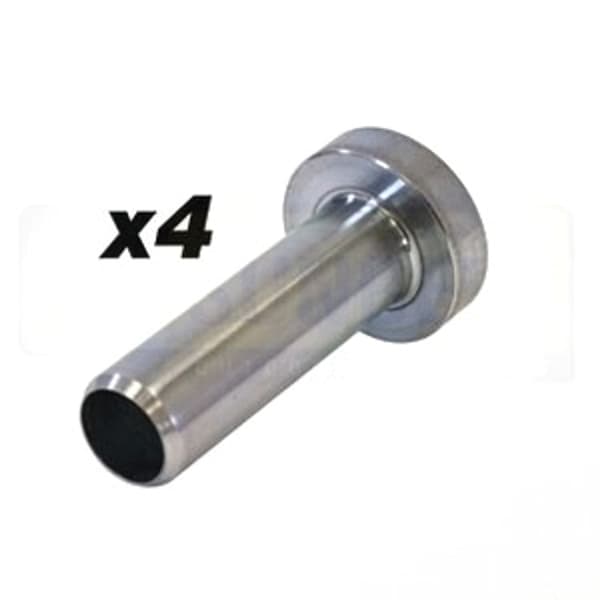
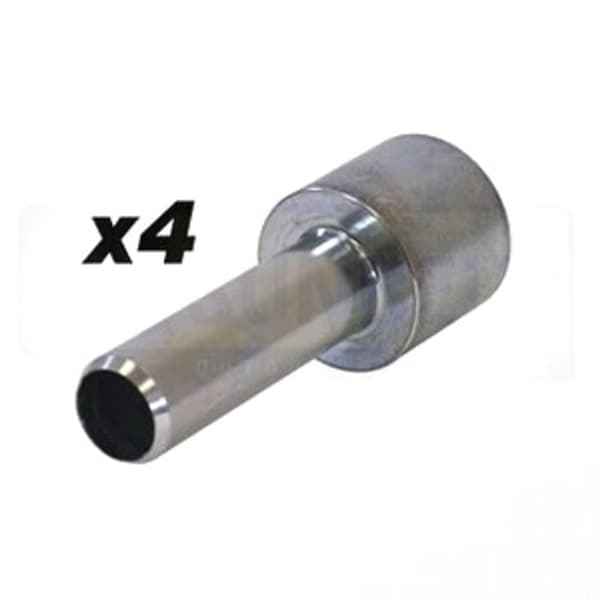
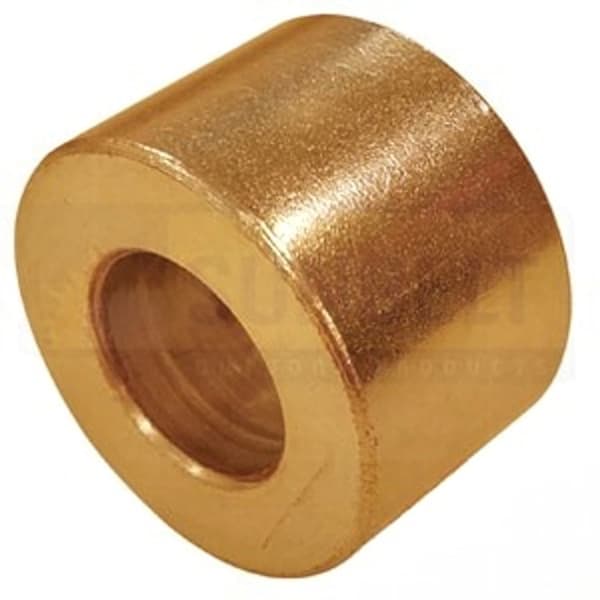
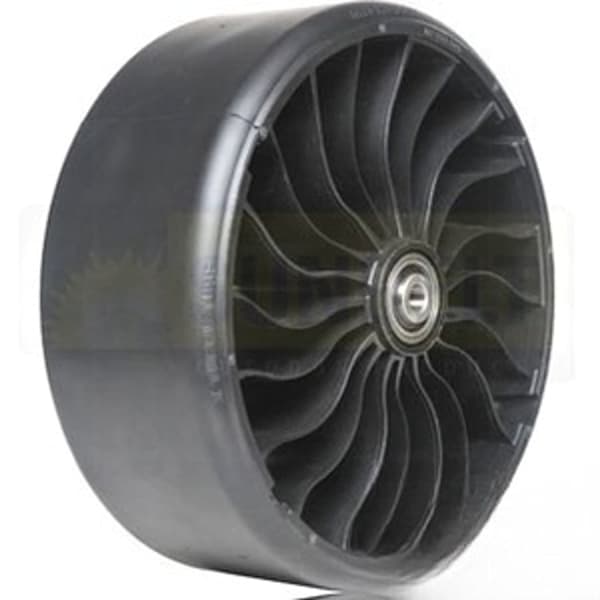
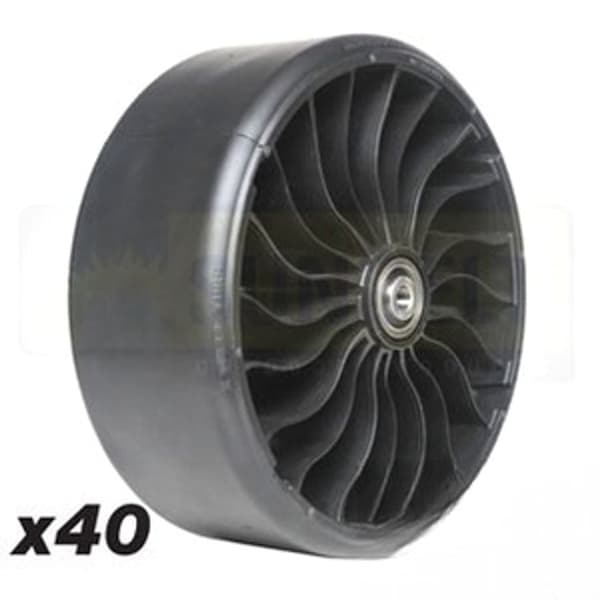
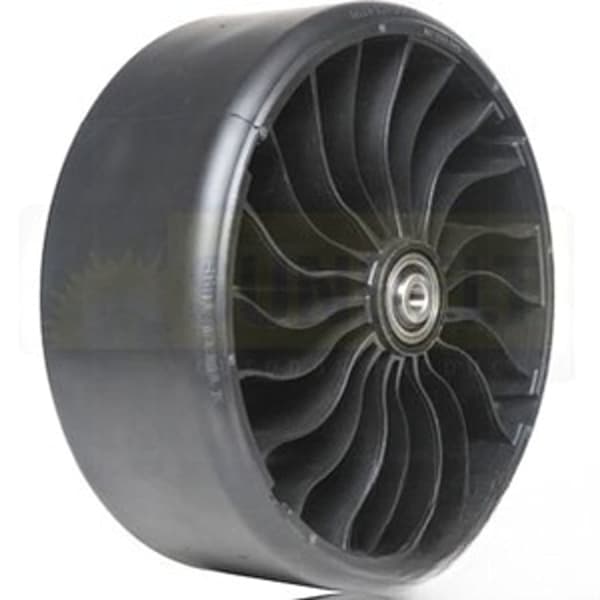
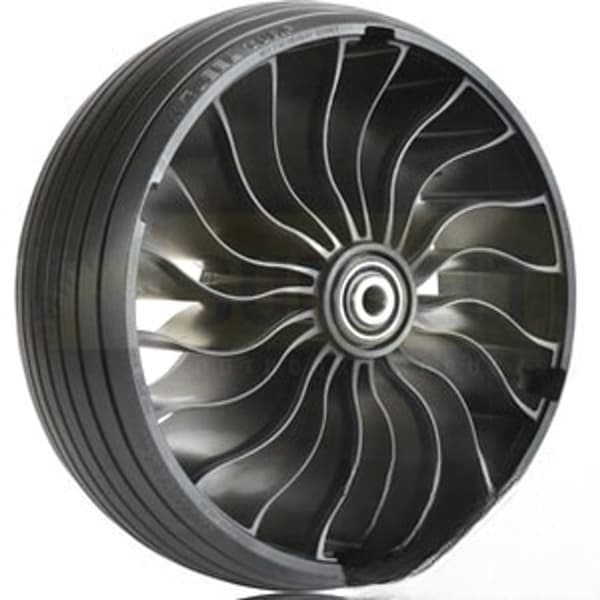
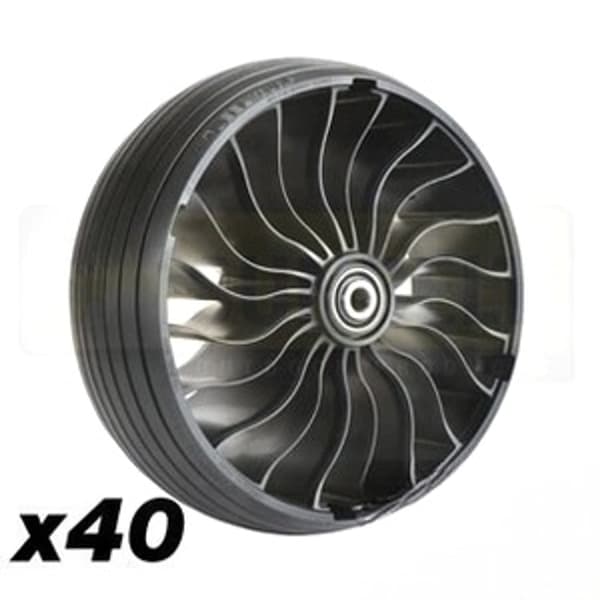
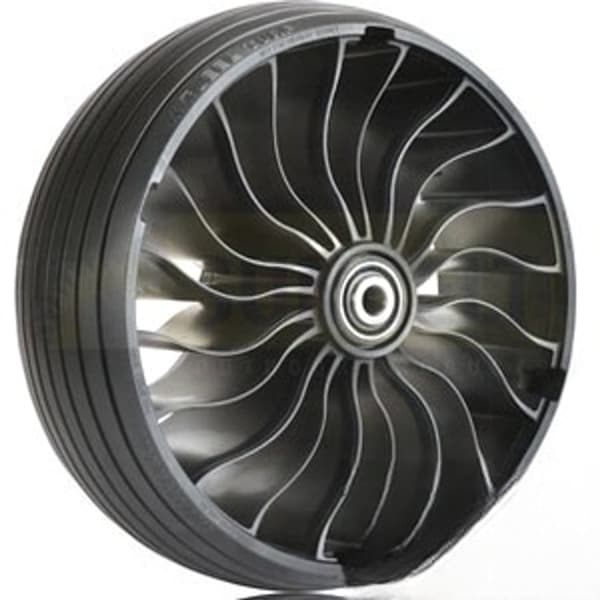
🔍 Looking for a specific part? Try our AI Part Finder — tell it your equipment and what you need, and it will find matching parts instantly.
Understanding zero turn caster wheel Assemblies
The caster wheel assembly isn't just a wheel. It's a system, typically comprising these parts:
- Caster Wheel: The rotating wheel itself, usually made of a durable rubber or polyurethane compound.
- Caster Fork (or Yoke): The metal structure that holds the wheel and allows it to pivot.
- Bearings: Located within the wheel hub and the pivot point, bearings ensure smooth rotation and reduce friction. These may be ball bearings or roller bearings. See also: Lawn Tractor Wheel Bearings: Front & Rear by Brand
- Spindle: The shaft that connects the caster fork to the mower frame, allowing the entire assembly to pivot.
- Bushings: Sleeves made of metal or plastic that fit inside the spindle bore. They reduce friction and wear between the spindle and the mower frame.
- Seals/Washers: Protect the bearings and bushings from dirt and debris.
- Fasteners: Bolts, nuts, and washers that hold the entire assembly together.
Common Issues and Troubleshooting
Several issues can arise with zero turn caster wheels, impacting the mower's performance. Here are some common problems and how to diagnose them:
- Wobbly Wheels: This is often caused by worn bearings or bushings. A visual inspection should reveal excessive play.
- Difficulty Steering: Could be due to seized bearings, a bent caster fork, or a lack of lubrication.
- Uneven Cut: If one caster wheel is significantly damaged or worn, it can affect the deck's level and result in an uneven cut. Make sure your mower deck is properly leveled and that all tires are inflated to the correct pressure.
- Squeaking or Grinding Noises: Usually indicates a lack of lubrication or worn bearings.
- Flat Tire: Punctures or slow leaks can render the mower difficult to control.
Maintenance Tips for Longevity
Regular maintenance is key to extending the life of your caster wheel assemblies. Consider these tips:
- Greasing: Most caster wheel assemblies have grease fittings (zerks). Grease these fittings regularly (typically every 25-50 hours of operation) with a high-quality grease. Use a grease gun to force grease into the fitting until you see fresh grease emerging from the bearings.
- Cleaning: Periodically clean the caster wheel area to remove grass clippings, dirt, and debris. This prevents buildup that can accelerate wear.
- Inspection: Regularly inspect the wheels, forks, spindles, and bushings for signs of wear, damage, or looseness.
- Tire Pressure: Maintain the correct tire pressure as specified in your mower's owner's manual.
- Lubrication: In addition to greasing, consider applying a lubricant (such as a dry lubricant or silicone spray) to the pivot points of the caster fork to ensure smooth movement.
Replacing a Zero Turn Caster Wheel Assembly
When maintenance isn't enough, replacement is necessary. Here's a general guide (always refer to your mower's service manual for specific instructions):
- Safety First: Park the mower on a level surface, engage the parking brake, and remove the ignition key. Consider wearing safety glasses and gloves.
- Raise the Mower: Use a jack to safely lift the front of the mower, supporting it with jack stands. Never work under a mower supported only by a jack.
- Remove the Old Assembly: Disconnect any cables or linkages attached to the caster fork. Then, unbolt the caster wheel assembly from the mower frame. Note the order of any washers or spacers for reassembly.
- Inspect Components: Before installing the new assembly, inspect the mounting points on the mower frame for damage or wear.
- Install the New Assembly: Align the new caster wheel assembly with the mounting holes on the mower frame. Reinstall the bolts, washers, and spacers in the correct order. Tighten the bolts to the manufacturer's specified torque.
- Lower the Mower: Carefully lower the mower back to the ground.
- Test: Test the mower in a safe area to ensure the new caster wheel assembly is functioning properly.
Important Considerations When Replacing Caster Wheels:
- Compatibility: Always choose a replacement caster wheel assembly that is specifically designed for your make and model of zero turn mower. Using the wrong assembly can lead to poor performance, damage, or safety hazards. Madison Tractor Company carries a wide selection of caster wheel assemblies for popular brands like John Deere, Cub Cadet, Craftsman, Husqvarna, Toro, Ariens, Murray, Hustler, Scag, Exmark, Ferris, Snapper, Simplicity, and Dixie Chopper.
- Complete Assembly vs. Individual Parts: You may be able to replace individual components like the wheel, bearings, or bushings. However, if the caster fork or spindle is damaged, it's often more cost-effective to replace the entire assembly.
- Bearing Quality: If replacing just the wheel, opt for wheels with high-quality bearings for smoother operation and longer life.
Choosing the Right Replacement Parts
When selecting replacement parts, quality matters. Here's what to consider:
- OEM vs. Aftermarket: Original Equipment Manufacturer (OEM) parts are made by the mower manufacturer or their approved suppliers. They are typically more expensive but offer the best fit and performance. Aftermarket parts are made by independent companies and can be a more affordable option, but quality can vary. Read reviews and choose reputable brands.
- Material Quality: Look for caster wheels made of durable materials that can withstand the rigors of outdoor use. Rubber or polyurethane wheels are common choices. The caster fork should be made of heavy-duty steel.
- Bearing Type: Ball bearings and roller bearings are both used in caster wheels. Roller bearings generally offer greater load capacity and durability.
Remember, the transmission & drive system parts are interconnected. A faulty caster wheel can put undue stress on other components. It's crucial to check your riding mower drive belt, lawn tractor transaxle, and hydrostatic transmission fluid levels regularly. Ensure that your riding mower rear axle seal is in good condition, too.
Conclusion
Maintaining your zero turn caster wheel assemblies is crucial for optimal mower performance and longevity. By understanding the components, addressing common issues, and performing regular maintenance, you can keep your mower running smoothly for years to come. When replacement is necessary, choose high-quality parts that are compatible with your mower. Replacing worn parts like blades, spindles, pulleys, filters, spark plugs, and bearings ensures your zero turn mower operates efficiently. Also, be sure to have the correct John Deere transmission parts, Cub Cadet transmission parts, or Craftsman drive belt for your specific model.
Shop for all your zero turn caster wheel and other mower parts at Madison Tractor Company! We carry a wide selection of parts for all major brands, ensuring you can find exactly what you need to keep your mower in top condition. Shop Riding Mower Parts
🔍 Can't Find Your Part?
Use our AI-Powered Part Finder to search by your equipment's make, model, and what you need. It's the fastest way to find the exact part for your machine.
Try the Part Finder →Part of our comprehensive guide
Mower Transmission Parts Guide: Transaxle, Drive Belt & Bearings