








Riding Mower Axle: Front & Rear Axle Replacement
A damaged or broken riding mower axle can bring your lawn care to a screeching halt. This guide covers common axle problems, inspection, and replacement procedures to get you back on track.
Understanding Your Riding Mower Axle
The riding mower axle is a critical component of your machine's drive system, responsible for transferring power from the transmission to the wheels, allowing you to move. Whether it's a front axle for steering or a rear axle for driving, a properly functioning axle is essential for safe and efficient operation. Maintaining the axles and other lawn tractor transaxle components, such as a transaxle seal, ensures longevity and optimal performance.
Recommended Parts for This Guide
2 parts we recommend — in stock, ships fast, one-click add to cart.
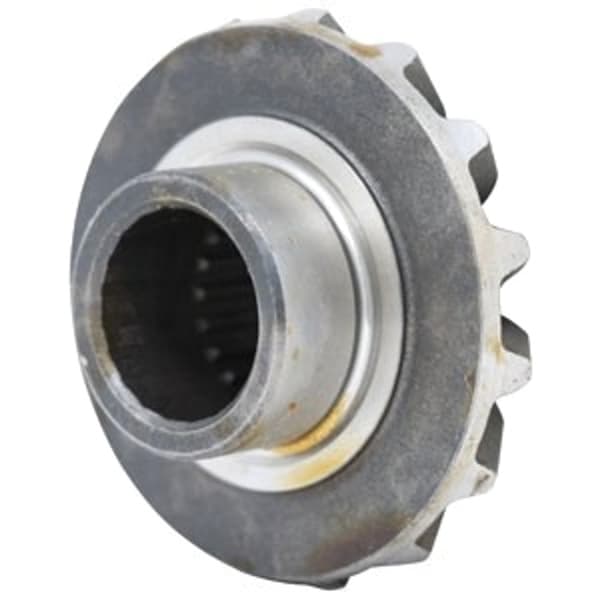
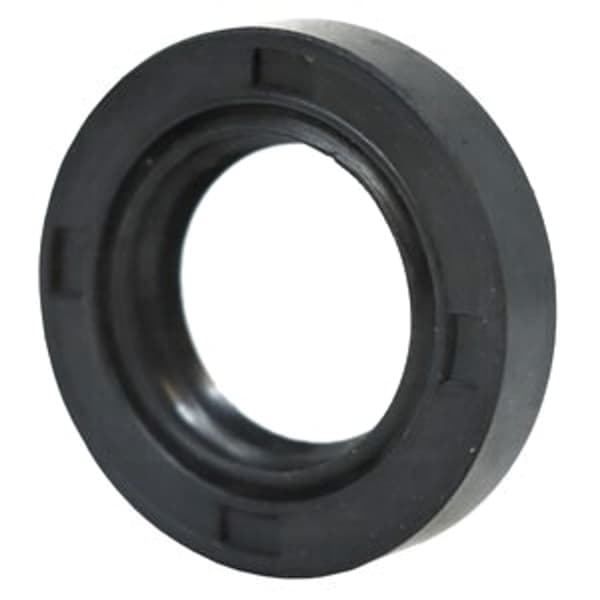
🔍 Looking for a specific part? Try our AI Part Finder — tell it your equipment and what you need, and it will find matching parts instantly.
Riding mowers, like those from John Deere, Craftsman, Cub Cadet, Husqvarna, and Toro, typically feature a solid axle design for the rear wheels, offering durability and simplicity. Front axles, responsible for steering, may have a more complex design, especially on models with power steering. Zero-turn mowers, such as those from Hustler, Scag, Exmark, Ferris, Snapper, Simplicity, and Dixie Chopper, use a different system with individual wheel motors, but the principles of axle maintenance and inspection remain important.
Recognizing the Signs of a Damaged Riding Mower Axle
Identifying axle problems early can prevent further damage and costly repairs. Here are some common signs of a faulty riding mower axle:
- Unusual Noises: Grinding, clicking, or popping sounds from the wheels, especially during turns, can indicate worn bearings or a bent axle.
- Uneven Tire Wear: Excessive wear on one side of a tire or uneven wear between tires on the same axle suggests a misalignment or bent axle.
- Difficulty Steering: Stiff or unresponsive steering can be a sign of a bent front axle or damaged steering components.
- Visible Damage: Cracks, bends, or corrosion on the axle are clear indicators of a problem.
- Wobbling or Shaking: A noticeable wobble or shaking while driving can be caused by a bent axle or loose wheel bearings. Make sure your lawn tractor wheel bearings are in good working order.
- Loss of Drive: If one or both rear wheels fail to receive power, the axle or related components within the transaxle, such as an axle shaft gear, may be damaged.
Inspecting Your Riding Mower Axle
Regular inspection of your riding mower axles is crucial for preventing major problems. Here's a step-by-step guide:
- Safety First: Disconnect the spark plug wire and engage the parking brake to prevent accidental starting. Wear safety glasses and gloves.
- Lift the Mower: Use a jack to safely lift the mower, supporting it with jack stands. Never work under a mower supported only by a jack.
- Visual Inspection: Carefully examine the axles for any signs of damage, such as bends, cracks, corrosion, or wear. Pay close attention to the areas around the wheel hubs and mounting points.
- Wheel Bearing Check: Check for play in the wheel bearings by attempting to wiggle the wheel. Excessive play indicates worn bearings.
- Steering Component Inspection (Front Axle): Inspect the tie rods, ball joints, and steering linkages for wear or damage.
- Grease Fittings: Locate and grease all grease fittings on the axles and steering components. This helps to lubricate the parts and prevent wear.
riding mower front axle Replacement: A Step-by-Step Guide
Replacing a front axle can be a straightforward process with the right tools and instructions. Always consult your mower's repair manual for specific instructions.
- Preparation: Gather the necessary tools, including wrenches, sockets, pliers, a hammer, and penetrating oil. Have the new axle and any necessary replacement parts, such as an axle sleeve, bushings or bearings, on hand.
- Remove the Wheels: Remove the front wheels by loosening the lug nuts and lifting the wheels off the axle.
- Disconnect Steering Linkages: Disconnect the tie rods and any other steering linkages connected to the axle. Use penetrating oil to loosen any stubborn connections.
- Remove the Old Axle: Depending on the model, the axle may be held in place by bolts, pins, or brackets. Remove these fasteners and carefully remove the old axle.
- Install the New Axle: Install the new axle in the reverse order of removal. Ensure that all bolts and fasteners are properly tightened.
- Reconnect Steering Linkages: Reconnect the tie rods and other steering linkages, ensuring that they are properly aligned and secured.
- Reinstall the Wheels: Reinstall the front wheels and tighten the lug nuts to the proper torque specification.
- Test the Steering: Lower the mower and test the steering to ensure that it is functioning properly. Adjust the tie rods as needed to achieve proper alignment.
Don't forget to check your blades and spindles while you have your mower raised!
Safety Warning: Always disconnect the spark plug before working on your mower's axle or steering system.
Riding Mower Rear Axle Replacement: A More Involved Process
Replacing a rear axle is typically more complex than replacing a front axle, as it often involves working with the transmission or transaxle. It's also good to inspect the riding mower drive belt while you're working on the rear axle. Consider consulting a qualified mechanic if you're not comfortable with this procedure.
- Preparation: Gather the necessary tools, including wrenches, sockets, pliers, a hammer, a gear puller (if needed), and penetrating oil. Have the new axle, seals, and any necessary replacement parts like an axle sleeve on hand.
- Remove the Wheels: Remove the rear wheels by loosening the lug nuts and lifting the wheels off the axle.
- Disconnect Drive Components: Disconnect the drive shaft or any other components connecting the engine to the transmission or transaxle.
- Access the Axle: Depending on the model, you may need to remove the transaxle from the mower to access the axle.
- Remove the Old Axle: Use a gear puller or other appropriate tool to remove the old axle from the transaxle. Be careful not to damage the surrounding components.
- Install the New Axle: Install the new axle, ensuring that it is properly seated and aligned. Replace any seals or bearings as needed. Inspect the riding mower rear axle seal for any leaks.
- Reassemble the Transaxle: Reassemble the transaxle, ensuring that all bolts and fasteners are properly tightened.
- Reconnect Drive Components: Reconnect the drive shaft or other components connecting the engine to the transmission or transaxle.
- Reinstall the Wheels: Reinstall the rear wheels and tighten the lug nuts to the proper torque specification.
- Test the Drive System: Lower the mower and test the drive system to ensure that it is functioning properly.
Choosing the Right Riding Mower Axle
When replacing a riding mower axle, it's crucial to choose the correct replacement part. Consider the following factors:
- Compatibility: Ensure that the new axle is compatible with your specific mower model and year. Check the part number in your owner's manual or on the original axle.
- Quality: Choose a high-quality axle from a reputable manufacturer. Avoid cheap, aftermarket axles that may not meet the original specifications.
- Material: Look for axles made from durable materials such as hardened steel.
We carry a wide selection of axles for various brands, including John Deere, Craftsman, Cub Cadet, Husqvarna, and Toro. You can also find related parts like filters, spark plugs, and pulleys to keep your mower running smoothly.
Maintaining Your Riding Mower Axle
Proper maintenance can extend the life of your riding mower axles and prevent costly repairs. Here are some tips:
- Regular Lubrication: Grease the axle and steering components regularly to reduce friction and wear.
- Avoid Overloading: Do not exceed the mower's weight capacity. Overloading can strain the axles and other components.
- Proper Storage: Store your mower in a dry, covered area to prevent corrosion.
- Inspect Regularly: Regularly inspect the axles for any signs of damage or wear, and address any issues promptly. Check the hydrostatic transmission fluid regularly.
- Replace Worn Parts: Replace worn wheel bearings, bushings, and other components promptly to prevent further damage.
In addition to maintaining the axles themselves, ensuring other drivetrain components are in good shape is also important. Check shear pins, belts, and idlers or pulleys regularly for signs of wear or damage.
Shop Riding Mower Axles at Madison Tractor
At Madison Tractor Company, we understand the importance of keeping your outdoor power equipment running smoothly. That's why we offer a wide selection of high-quality riding mower axles and other replacement parts for all major brands. Whether you need a front axle for your John Deere or a rear axle for your Cub Cadet, we have the parts you need to get the job done right.
Shop our selection of riding mower axles today and experience the Madison Tractor difference. Our knowledgeable staff is always available to answer your questions and help you find the right parts for your mower. You can also use our AI-Powered Part Finder to search for parts by your specific make and model.
Part of our comprehensive guide
Mower Transmission Parts Guide: Transaxle, Drive Belt & Bearings