








John Deere Steering Parts: Sector, Pinion & Drag Link
John Deere mowers are known for their reliability, but even the best machines need occasional maintenance. This guide explains the crucial John Deere steering parts – sector gears, pinions, and drag links – and how they work together for precise control. Plus, find tips for diagnosing steering problems and finding the right replacement parts.
Understanding John Deere Steering Systems
A properly functioning steering system is vital for safe and efficient operation of your John Deere riding mower. While the entire transmission and drive system, as discussed in our lawn tractor transaxle article, gets you moving, the steering system allows you to navigate your lawn with precision. This article will focus on three key components of the steering system found in many John Deere mowers: the sector gear, the pinion gear, and the drag link.
Recommended Parts for This Guide
6 parts we recommend — in stock, ships fast, one-click add to cart.
🔍 Looking for a specific part? Try our AI Part Finder — tell it your equipment and what you need, and it will find matching parts instantly.
While we primarily discuss John Deere, keep in mind that the fundamental principles and many of the components are shared across various brands like Craftsman, Cub Cadet, Husqvarna, Toro, Ariens, Murray, Hustler, Scag, Exmark, Ferris, Snapper, Simplicity, and Dixie Chopper. This knowledge can be useful when troubleshooting steering issues on any of these machines.
Key Steering Components: Sector Gear, Pinion Gear, and Drag Link
Let's break down each part and its role:
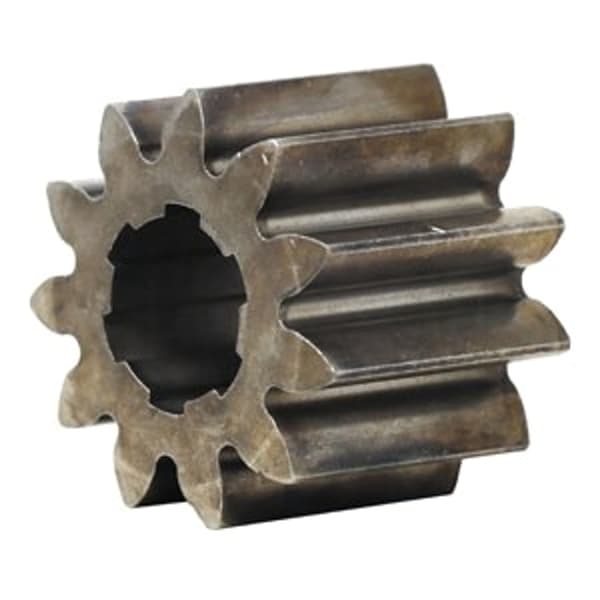
- Pinion Gear: The pinion gear is a small gear located at the bottom of the steering shaft. When you turn the steering wheel, the steering shaft rotates, and the pinion gear turns with it.
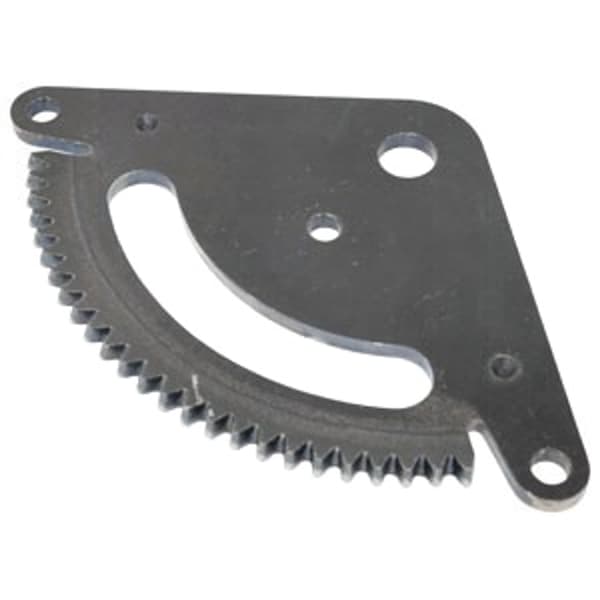
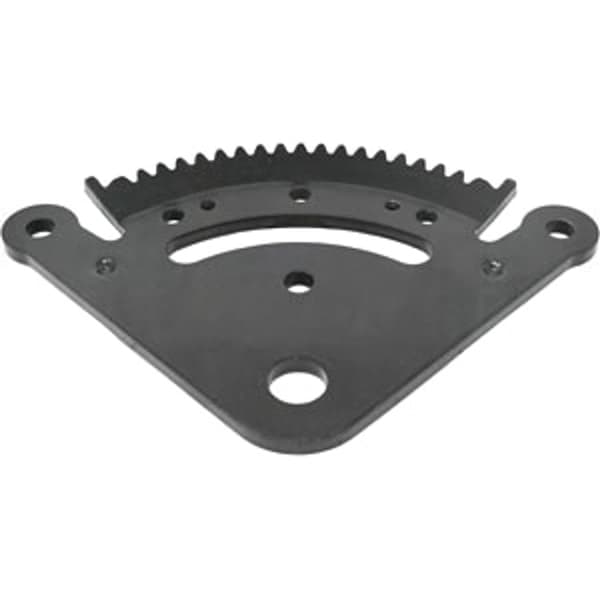
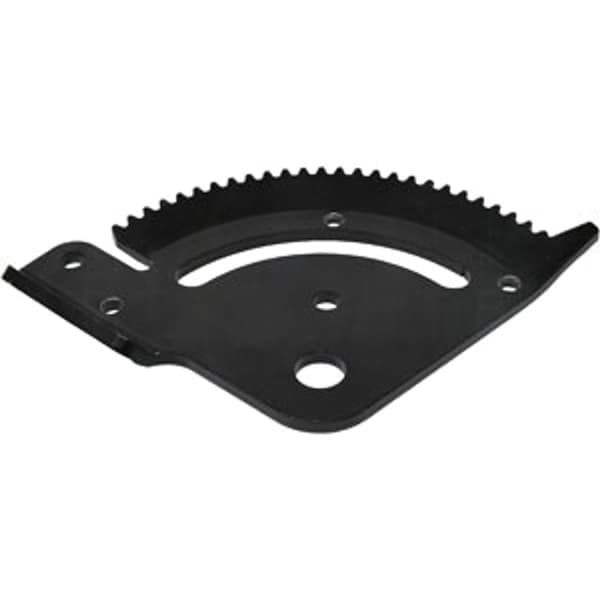
- Sector Gear: The sector gear is a larger, curved gear that meshes with the pinion gear. It's often shaped like a partial circle. As the pinion gear rotates, it engages the teeth of the sector gear, causing the sector gear to pivot.
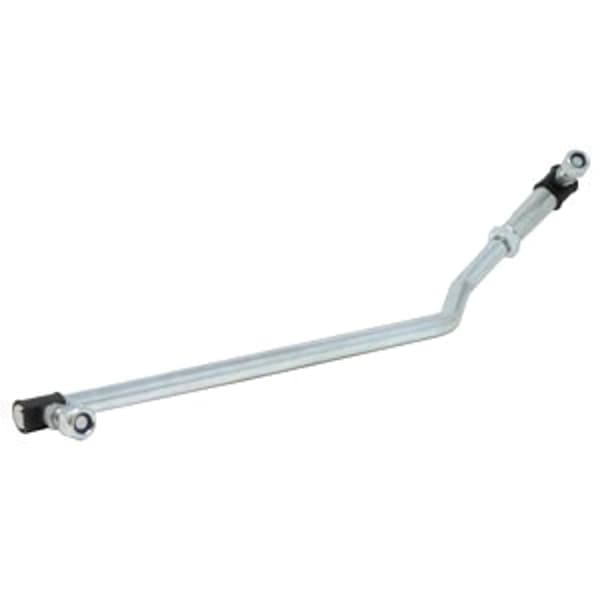
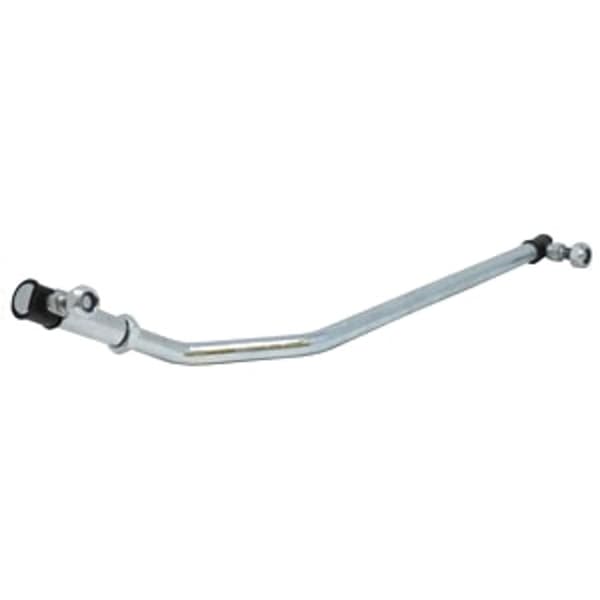
- Drag Link: The drag link is a connecting rod that transfers the movement of the sector gear to the steering knuckles (also called spindles) on the front wheels. As the sector gear pivots, the drag link pushes or pulls on the steering knuckles, causing the wheels to turn.
In simple terms: Steering wheel turns -> Pinion gear turns -> Sector gear pivots -> Drag link moves -> Wheels turn.
These parts work in conjunction with other components like tie rod ends and steering knuckles to create the full steering system. If you're experiencing issues with steering, you might also want to inspect your lawn tractor wheel bearings. Worn bearings can introduce play into the system and make steering feel loose or wobbly.
Diagnosing Common John Deere Steering Problems
Here are some common steering problems you might encounter and what to check for:
- Loose or Sloppy Steering: This often indicates wear in the steering components.
- Check the Drag Link: Look for play in the drag link ends where it connects to the sector gear and the steering knuckles. Worn ball joints or loose connections are common culprits.
- Inspect the Sector and Pinion Gears: Examine the teeth of both gears for wear, damage, or missing teeth. Excessive wear here will cause play in the steering.
- Check Tie Rod Ends: Inspect the tie rod ends for play and wear. These are a common wear point in the steering system.
- Hard Steering: Stiff steering can be caused by several factors.
- Lack of Lubrication: The steering components need proper lubrication to move freely. Grease fittings are often present on the sector gear and drag link. Use a grease gun to lubricate these points regularly.
- Dry Steering Knuckles: If the steering knuckles are dry and rusty, they can bind and make steering difficult. Clean and lubricate the steering knuckles.
- Tire Pressure: Make sure your front tires are properly inflated. Low tire pressure can make steering harder.
- Steering Wheel Spinning Freely (No Steering Response): This usually indicates a severe problem.
- Broken Drag Link: A broken drag link will completely disconnect the steering wheel from the wheels.
- Stripped Pinion or Sector Gear: Severely damaged or stripped gear teeth will prevent the pinion gear from engaging the sector gear.
Inspecting Steering Parts
A careful visual inspection is the first step in diagnosing steering problems.
- Safety First: Disconnect the spark plug wire from the spark plug before working on the steering system. Engage the parking brake and ensure the mower is on a level surface. Consider wearing safety glasses.
- Raise the Front Wheels: Use a jack to lift the front wheels off the ground. This will make it easier to check for play in the steering components. Secure the mower with jack stands.
- Check for Play: With the wheels off the ground, grab each front wheel and try to move it back and forth. Look for any play in the steering linkage, paying close attention to the drag link ends, tie rod ends, and sector gear.
- Inspect the Gears: Examine the pinion and sector gears for wear, damage, or missing teeth. You may need to remove a cover or panel to access these components.
- Lubricate: If you find any dry or rusty components, lubricate them with grease or penetrating oil.
Warning: Never attempt to repair or modify steering components yourself if you are not comfortable working on mechanical equipment. Consult a qualified mechanic if you are unsure how to proceed.
Replacing Worn Steering Parts
Replacing worn steering parts is essential for restoring proper steering function and ensuring safe operation. Here's a general overview of the process, but always refer to your John Deere mower's service manual for specific instructions.
- Identify the Correct Part: Use your mower's model and serial number to identify the correct replacement part. Madison Tractor Company offers a wide selection of John Deere steering parts. Be sure to verify the part number before ordering.
- Remove the Old Part: Depending on the part, you may need to remove cotter pins, bolts, or other fasteners. Take pictures as you disassemble the steering system so you can easily reassemble it later.
- Install the New Part: Install the new part in the reverse order of removal. Make sure all fasteners are properly tightened to the manufacturer's specifications.
- Lubricate: Lubricate all moving parts with grease or penetrating oil after installation.
- Test the Steering: After reassembling the steering system, test the steering to ensure it is working properly. Check for any play or binding.
Remember that other parts, such as riding mower drive belts, are also crucial for overall operation. A worn drive belt can affect the mower's responsiveness and efficiency, so be sure to inspect it regularly.
Maintaining Your John Deere Steering System
Regular maintenance can help extend the life of your John Deere steering system and prevent problems. Here are some tips:
- Lubricate Regularly: Lubricate the steering components at least once a year, or more frequently if you use your mower heavily.
- Check Tire Pressure: Maintain proper tire pressure in your front tires.
- Inspect Regularly: Inspect the steering components for wear and damage on a regular basis.
- Replace Worn Parts Promptly: Replace worn parts as soon as you notice them.
By understanding how your John Deere steering system works and performing regular maintenance, you can keep your mower operating smoothly for years to come. Regular maintenance, including changing filters and hydrostatic transmission fluid as needed, is essential for the longevity of your mower.
Shop John Deere Steering Parts at Madison Tractor Company
At Madison Tractor Company, we stock a wide range of John Deere steering parts, including sector gears, pinion gears, drag links, and more. We also carry parts for other popular brands like Craftsman, Cub Cadet, Husqvarna, and Toro. Whether you need a new belt, blade, or a complete steering overhaul kit, we have the parts you need to keep your lawn mower running smoothly. Browse our selection today and get your mower back in top shape! You can also use our AI-Powered Part Finder to search for parts by your specific make and model.
Part of our comprehensive guide
Mower Transmission Parts Guide: Transaxle, Drive Belt & Bearings