








Tractor Loader Cylinder: Front End Loader Hydraulics
Front-end loaders are indispensable on the farm, and their hydraulic cylinders are the muscle behind the lifting and dumping. This guide covers everything you need to know about diagnosing, repairing, and replacing your tractor loader hydraulic cylinder.
Introduction to Tractor Loader Hydraulic Cylinders
A tractor loader is a workhorse on any farm or ranch. Its ability to lift, scoop move materials makes countless tasks easier. At the heart of this functionality are the hydraulic cylinders that power the loader's movements. Understanding these cylinders is crucial for maintaining your equipment and minimizing downtime. As a key component of your tractor's hydraulic system, a failing or improperly maintained loader cylinder can significantly impact productivity.
Recommended Parts for This Guide
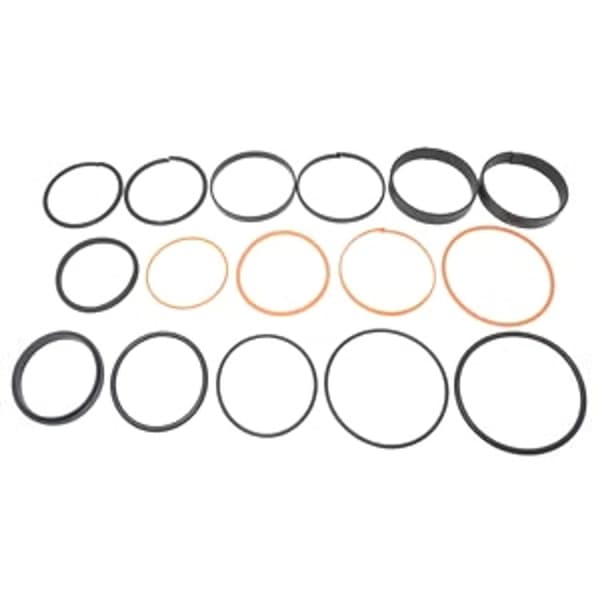
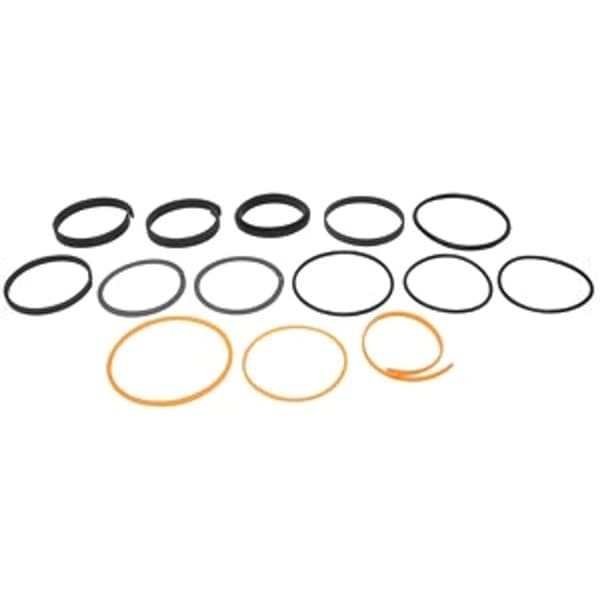
10 parts we recommend — in stock, ships fast, one-click add to cart.

🔍 Looking for a specific part? Try our AI Part Finder — tell it your equipment and what you need, and it will find matching parts instantly.
At Madison Tractor Company, we understand the importance of keeping your equipment running smoothly. We stock a wide range of parts for various tractor brands, including John Deere, Case IH, Ford, New Holland, Massey Ferguson, Kubota, Allis Chalmers, Deutz, International Harvester, Oliver, White, Gleaner, Vermeer, Hesston, Mahindra Zetor. From hydraulic pumps to hydraulic cylinders, hydraulic hoses and hydraulic filters, we have the parts you need to keep your tractor hydraulic system in top condition.
How a Tractor Loader Hydraulic Cylinder Works
A tractor loader hydraulic cylinder converts hydraulic pressure into linear motion. It's a relatively simple device consisting of a cylinder barrel, a piston, a piston rod and seals. Here's a breakdown
- Cylinder Barrel The main body of the cylinder, containing the hydraulic fluid.
- Piston A circular component that slides within the cylinder barrel, dividing it into two chambers.
- Piston Rod A metal rod attached to the piston, extending out of the cylinder and connecting to the loader arm or bucket.
- Seals Crucial for preventing hydraulic fluid leakage, ensuring efficient operation.
Hydraulic fluid, pressurized by the hydraulic pump, enters either side of the cylinder, pushing the piston and extending or retracting the piston rod. This linear motion then powers the loader's lifting, tilting, or dumping functions.
Common Problems with Tractor Loader Hydraulic Cylinders
Several issues can plague tractor loader hydraulic cylinders, impacting their performance and lifespan. Here are some common culprits
- Leaks Leaks are perhaps the most frequent issue. They can occur around the piston rod seal, cylinder end caps, or hose connections. Persistent leaks not only waste hydraulic fluid but also reduce lifting power and can damage the hydraulic pump.
- Scratched or Damaged Piston Rod A damaged piston rod can compromise the seal, leading to leaks and reduced cylinder performance. Dents, scratches, or corrosion can create pathways for fluid to escape.
- Bent Piston Rod Excessive force or impacts can bend the piston rod, causing uneven wear and binding within the cylinder.
- Worn or Damaged Seals Over time, seals can deteriorate due to heat, pressure contamination. Hardened or cracked seals lose their ability to effectively contain hydraulic fluid.
- Internal Cylinder Damage Scratches or scoring inside the cylinder barrel can also lead to leaks and reduced performance. This can be caused by debris in the hydraulic fluid or piston damage.
Diagnosing Hydraulic Cylinder Issues
Proper diagnosis is key to addressing hydraulic cylinder problems efficiently. Here's a step-by-step approach
- Visual Inspection Carefully examine the cylinder for any signs of leaks, damage, or corrosion. Pay close attention to the piston rod, seals hose connections.
- Operational Test Operate the loader and observe the cylinder's performance. Look for any sluggish movement, jerky operation, or unusual noises.
- Leak Detection Clean the cylinder and surrounding area thoroughly. Then, operate the loader and carefully inspect for any signs of leaking fluid. A simple trick is to use a piece of cardboard to check for leaks near suspected areas.
- Pressure Testing If performance is weak but no obvious leaks are present, a pressure test can help identify internal bypass within the cylinder. Consult your tractor's service manual for specific testing procedures and pressure specifications. For example, a John Deere 4020 might have a specified pressure range for the loader circuit.
Repairing vs. Replacing a Tractor Loader Hydraulic Cylinder
Once you've diagnosed the problem, you'll need to decide whether to repair or replace the hydraulic cylinder. Here are some factors to consider
- Severity of Damage Minor leaks and seal damage can often be repaired by replacing the affected seals. However, significant damage to the cylinder barrel, piston rod, or internal components may necessitate replacement.
- Cost Compare the cost of a seal kit and the labor involved in rebuilding the cylinder to the cost of a new cylinder.
- Availability of Parts Replacement parts, especially for older or less common tractor models, may be difficult to find. Madison Tractor Company stocks a wide variety of parts and can often source hard-to-find components.
- Time Rebuilding a hydraulic cylinder can be time-consuming, especially if you're not experienced. Consider the downtime associated with the repair and whether it's more efficient to simply replace the cylinder.
Safety Warning Always relieve hydraulic pressure before attempting any repairs on a hydraulic cylinder. Failure to do so can result in serious injury.
Hydraulic Cylinder Repair Tips
If you decide to repair your hydraulic cylinder, here are some helpful tips
- Cleanliness is Key Work in a clean environment to prevent contaminants from entering the hydraulic system.
- Use the Right Tools Use appropriate tools for disassembly and reassembly, such as spanner wrenches and seal installation tools.
- Follow the Service Manual Consult your tractor's service manual for specific instructions and torque specifications. For instance, the torque spec for cylinder end caps on a Massey Ferguson 135 might differ from a Kubota L Series.
- Inspect All Components Carefully inspect all components for wear or damage and replace as needed.
- Use Quality Seals Use high-quality seals designed for hydraulic applications. Avoid using generic seals that may not be compatible with hydraulic fluid or operating temperatures.
- Proper Lubrication Lubricate all moving parts with hydraulic fluid before reassembly.
- Seal Installation When installing new seals, be extremely careful not to damage them during installation. Use specialized tools if necessary.
Hydraulic Cylinder Replacement
When replacing a hydraulic cylinder, ensure you select the correct replacement for your specific tractor model and loader. Consider the following factors
- Cylinder Size Match the cylinder bore and stroke to the original cylinder.
- Mounting Style Ensure the mounting style (e.g., clevis, pin-eye) matches your loader's design.
- Port Size Match the port size to your existing hydraulic hoses.
- Pressure Rating Ensure the cylinder's pressure rating meets or exceeds the hydraulic system's operating pressure.
- Brand Compatibility While many cylinders are universal, some loaders have specific cylinder requirements. Check your owner's manual.
Common OEM Part Numbers to Consider (examples, verify fitment for your machine)
- Case IH 87769522 (verify model compatibility)
- Ford/New Holland 81873183 (verify model compatibility)
Maintaining Your Tractor Loader Hydraulic Cylinders
Preventative maintenance is crucial for extending the life of your hydraulic cylinders. Here are some essential tips
- Regularly Inspect Inspect cylinders for leaks, damage corrosion on a regular basis.
- Keep Clean Keep cylinders clean and free of dirt and debris.
- Protect Piston Rods Protect exposed piston rods from damage by using protective sleeves or applying a thin coat of grease.
- Maintain Hydraulic Fluid Maintain proper hydraulic fluid levels and change the fluid and hydraulic filter according to the manufacturer's recommendations. Contaminated fluid can damage seals and internal cylinder components.
- Avoid Overloading Avoid overloading the loader beyond its rated capacity. Excessive force can damage the cylinders and other components.
- Proper Operation Operate the loader smoothly and avoid abrupt movements that can stress the hydraulic system.
Troubleshooting Chart
| Problem | Possible Cause | Solution |
|---|---|---|
| Cylinder Leaks | Worn or damaged seals, scratched piston rod, loose fittings | Replace seals, repair or replace piston rod, tighten fittings |
| Slow or Weak Operation | Low hydraulic fluid level, air in system, internal cylinder bypass, faulty hydraulic pump | Check and fill fluid level, bleed air from system, repair or replace cylinder, inspect and repair/replace hydraulic pump |
| Jerky Operation | Air in system, sticking valves, contaminated hydraulic fluid | Bleed air from system, clean or replace valves, change hydraulic fluid and filter |
| Cylinder Won't Extend/Retract | Hydraulic hose blockage, faulty control valve, cylinder damage | Check and clear hoses, repair or replace valve, repair or replace cylinder |
Shop Tractor Loader Hydraulic Cylinders at Madison Tractor Company
At Madison Tractor Company, we're committed to providing you with the highest quality parts and expert advice to keep your equipment running smoothly. Whether you need a new tractor loader hydraulic cylinder, a seal kit, or other tractor parts like radiators, water pumps, starters, alternators, clutch kits, PTO parts, fuel pumps, carburetors, injectors, filters, gaskets, pistons, bearings, seal kits, belts, chains, concaves, or sickle sections, we have you covered. Browse our extensive online catalog or contact our knowledgeable team for assistance. We're here to help you find the right parts for your Massey Ferguson, Kubota, John Deere, or other tractor brand today! You can also use our AI-Powered Part Finder to search for parts by your specific make and model.
Part of our comprehensive guide
Tractor Hydraulic System Guide: Pumps, Cylinders & Troubleshooting