








Tractor Hydraulic Hose: Sizing, Pressure Ratings & Fittings
Understanding tractor hydraulic hose is crucial for maintaining your farm equipment. This guide covers sizing, pressure ratings, fitting types, and replacement tips to keep your hydraulics running smoothly.
Introduction to tractor hydraulic hose
Tractor hydraulic systems are the lifeblood of many farm operations, powering everything from loaders and implements to steering and braking. The heart of this system is the hydraulic pump, which generates the pressure needed to actuat e cylinders and motors. However, this pressure needs a reliable conduit: the tractor hydraulic hose. Choosing the right hose is critical for safety and efficiency. A burst hose can not only halt your work but also pose a significant safety risk. This guide will walk you through the key considerations for selecting, sizing, and maintaining your tractor's hydraulic hoses.
Recommended Parts for This Guide
2 parts we recommend — in stock, ships fast, one-click add to cart.
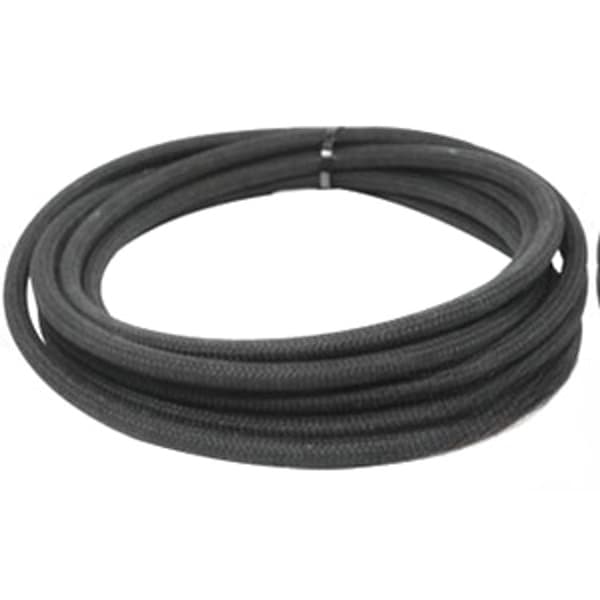
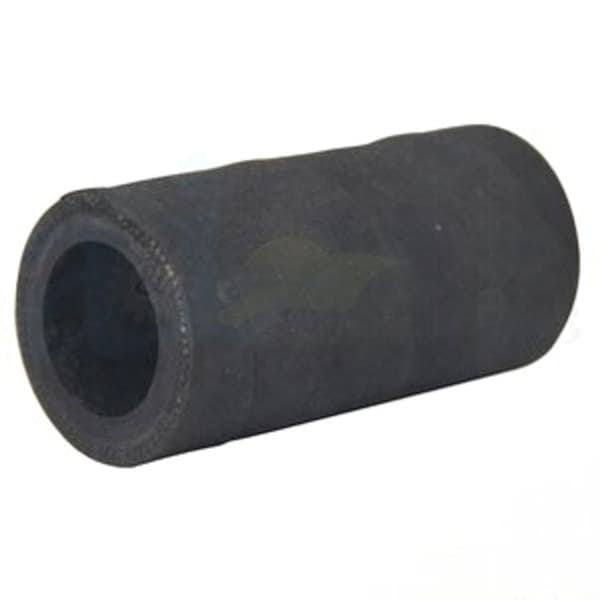
🔍 Looking for a specific part? Try our AI Part Finder — tell it your equipment and what you need, and it will find matching parts instantly.
Understanding Hydraulic Hose Sizing
Hydraulic hose size isn't about the outside diameter; it's typically measured in 'dash' sizes, which represent the inside diameter in sixteenths of an inch. For example, a -6 hose has an inside diameter of 6/16 inch, or 3/8 inch. Common sizes on tractors include -4 (1/4"), -6 (3/8"), -8 (1/2"), -10 (5/8"), and -12 (3/4").
How to Determine the Correct Hose Size
- Check the OEM Manual: The best place to find the correct size is in your tractor's operator's manual or parts catalog. For example, a John Deere 4020 might use -6 hoses for the loader and -4 for the power steering.
- Measure the Existing Hose: If the original hose is missing or damaged, measure the inside diameter of the fitting connection point. You can also measure the outside diameter of the hose and subtract twice the wall thickness (if known) to estimate the inside diameter.
- Consider Flow Rate: Higher flow rates require larger diameter hoses to minimize pressure drop and heat generation. If you're upgrading a system or noticing excessive heat, consider increasing the hose size.
Pressure Ratings: PSI and Safety Factors
Every hydraulic hose has a pressure rating, typically expressed in pounds per square inch (PSI). This rating indicates the maximum pressure the hose can safely handle. It's crucial to select a hose with a pressure rating that exceeds the maximum operating pressure of your tractor's hydraulic system.
Types of Pressure Ratings
- Working Pressure: The maximum pressure the hose is designed to withstand during normal operation.
- Burst Pressure: The pressure at which the hose is expected to fail.
Hydraulic hoses come in various pressure ratings to suit different applications. Always choose a hose with a working pressure that is significantly higher than the operating pressure of your hydraulic system. A common safety factor is 4:1, meaning the burst pressure is four times the working pressure. For example, if your John Deere hydraulic pump operates at 2500 PSI, choose a hose with a working pressure of at least 2500 PSI and a burst pressure of 10,000 PSI.
Matching Hose to System Pressure
Refer to your tractor's service manual for the recommended hydraulic system pressure. For example, a Ford 8N tractor uses a low-pressure system, typically around 1500-2000 PSI, while newer tractors like a Case IH Magnum series can operate at 3000 PSI or higher. Using a hose with an insufficient pressure rating can lead to catastrophic failure and potential injury.
Safety Warning: Never exceed the rated working pressure of a hydraulic hose. Over-pressurizing a hose can cause it to burst, resulting in serious injury or equipment damage.
hydraulic hose fittings: Types and Compatibility
Hydraulic hose fittings connect the hose to the hydraulic components, such as cylinders, pumps, and valves. There are various types of fittings, each designed for specific applications and sealing methods. Proper fitting selection is essential to prevent leaks and ensure a reliable connection. Mismatched fittings are a very common cause of leaks and failures.
Common Types of Hydraulic Fittings
- JIC (Joint Industry Council): These are 37-degree flare fittings. They are a very common fitting and provide a reliable seal when properly tightened. Available in steel and stainless steel.
- NPT (National Pipe Tapered): These fittings have a tapered thread that seals as it is tightened. NPT fittings require a sealant, like Teflon tape or pipe dope, to ensure a leak-free connection.
- ORFS (O-Ring Face Seal): These fittings have a flat face with an O-ring that seals against a mating surface. ORFS fittings provide excellent leak protection and are commonly used in high-pressure applications.
- SAE (Society of Automotive Engineers): This is a broad category that includes various fitting types, such as O-ring boss (ORB) and flange fittings. ORB fittings use an O-ring to seal against a flat surface, while flange fittings use bolts to compress a seal between two flanged surfaces.
- Quick Disconnects: These fittings allow for quick and easy connection and disconnection of hydraulic lines. They are commonly used for implements and attachments that are frequently changed.
Identifying Fitting Sizes
Fitting sizes are designated using a dash number, similar to hose sizes. This number indicates the thread size in sixteenths of an inch. For example, a -8 fitting has a thread size of 8/16 inch, or 1/2 inch. It's essential to match the fitting size to the corresponding port size on the hydraulic component. You can often find the fitting size stamped on the fitting itself, or you can use a thread gauge to measure the thread size and pitch.
Ensuring Compatibility
Always use fittings made from compatible materials to avoid corrosion and galvanic reactions. Steel fittings are commonly used, but stainless steel fittings are recommended for corrosive environments. When connecting different types of fittings, use adapters to ensure a proper seal. For example, you might need an NPT to JIC adapter to connect an NPT port to a JIC hose end.
Torque Specifications: Tighten fittings to the manufacturer's recommended torque specifications. Over-tightening can damage the fitting or the component, while under-tightening can lead to leaks. Refer to your tractor's service manual or a fitting torque chart for the correct torque values. For instance, a 1/2" JIC fitting might require a torque of 30-40 ft-lbs.
Selecting the Right Hydraulic Hose for Your Tractor
Choosing the right hose depends on several factors, including:
- Application: Consider the specific task the hose will perform. Steering systems generally require lower-pressure hoses than loader circuits.
- Operating Pressure: Select a hose with a working pressure rating that exceeds the maximum pressure of your hydraulic system.
- Temperature: Choose a hose that can withstand the operating temperature range of your hydraulic system.
- Environmental Conditions: Consider the environment in which the hose will be used. For example, if the hose will be exposed to sunlight, choose a hose with UV resistance.
- Fluid Compatibility: Ensure the hose is compatible with the hydraulic fluid used in your system.
- Abrasion Resistance: If the hose will be exposed to abrasion, choose a hose with a durable outer cover.
Specific Tractor Brands and Models
When replacing hoses on specific tractor models, consider the original equipment manufacturer (OEM) specifications. For example, a Massey Ferguson 135 might use different hose types than a newer Kubota L3901. Always cross-reference the OEM part number to ensure you're getting the correct hose. At Madison Tractor Company, we carry a wide variety of hydraulic hoses for all major brands, including John Deere, Case IH, Ford/New Holland, Massey Ferguson, Kubota, Allis Chalmers, Deutz, International Harvester, Oliver, White, Gleaner, Vermeer, Hesston, Mahindra and Zetor. We also carry a full line of hydraulic cylinders and hydraulic filters to keep your system in top shape.
Hydraulic Hose Maintenance and Inspection
Regular inspection and maintenance are crucial for extending the life of your hydraulic hoses and preventing failures. Here are some tips:
- Visual Inspection: Regularly inspect hoses for signs of wear, such as cracks, abrasions, kinks, and bulges.
- Leak Checks: Check for leaks at fittings and along the hose length. Leaks can indicate a loose connection or a damaged hose.
- Proper Routing: Ensure hoses are properly routed to avoid rubbing against other components or sharp edges. Use hose clamps or straps to secure hoses in place.
- Avoid Over-Bending: Avoid bending hoses beyond their minimum bend radius, as this can damage the hose and reduce its lifespan.
- Pressure Testing: Periodically pressure test your hydraulic system to ensure it's operating within the specified pressure range.
- Replacement Schedule: Replace hoses according to the manufacturer's recommendations or when signs of wear are evident. A good rule of thumb is to replace hoses every 5-7 years, even if they don't show signs of wear.
Safety Warning: Before working on any hydraulic system, relieve the pressure. Hydraulic fluid injected under pressure can cause serious injury.
Troubleshooting Common Hydraulic Hose Problems
- Hose Leaks: Check fittings for tightness and replace damaged O-rings or seals. If the hose itself is leaking, replace it.
- Hose Bursts: A burst hose indicates that the hose's pressure rating has been exceeded or that the hose is damaged. Replace the hose with one that has a higher pressure rating or that is more durable. Also inspect for any possible restrictions in the system that could cause pressure spikes.
- Hose Kinks: Kinks restrict flow and can damage the hose. Reroute the hose or use a shorter hose to avoid kinking.
- Excessive Heat: Excessive heat can damage hoses and other hydraulic components. Check for proper fluid level, clogged filters (tractor hydraulic filter), and restrictions in the system. Consider using a larger hose size to reduce pressure drop and heat generation.
If you're experiencing issues with your tractor's 3-point hitch repair, a faulty hydraulic hose or cylinder might be the culprit. Similarly, problems with steering or loader operation could also be related to hose issues. Always diagnose the problem thoroughly before replacing any parts.
Conclusion
Choosing the right tractor hydraulic hose is essential for maintaining the performance and safety of your farm equipment. By understanding hose sizing, pressure ratings, fitting types, and maintenance practices, you can ensure a reliable and efficient hydraulic system. Remember to always prioritize safety and consult your tractor's service manual for specific recommendations.
Need to replace a worn or damaged hydraulic hose? Madison Tractor Company is your one-stop shop for all your tractor parts needs. We offer a wide selection of high-quality hydraulic hoses, fittings, and other hydraulic components for all major tractor brands. Shop our online catalog today or contact our experienced parts specialists for assistance. We carry a wide variety of parts in addition to hydraulics components, including radiators, water pumps, starters, alternators, clutch kits, PTO parts, fuel pumps, carburetors, injectors, filters, gaskets, pistons, bearings, seals, belts, chains, concaves, and sickle sections. You can also use our AI-Powered Part Finder to search for parts by your specific make and model.
Part of our comprehensive guide
Tractor Hydraulic System Guide: Pumps, Cylinders & Troubleshooting