








Massey Ferguson 135 Hydraulic System: Pump & Lift Parts
The Massey Ferguson 135 is a workhorse, and its hydraulic system is crucial for many tasks. This guide will help you understand the system, diagnose common problems, and find the right replacement parts for your MF 135.
Introduction to Massey Ferguson 135 Hydraulics
The Massey Ferguson 135, a staple on farms worldwide, relies on a robust hydraulic system to power its implements and loader. Understanding this system is crucial for efficient operation and timely maintenance. This guide will delve into the Hydraulic Pump and lift mechanisms of the MF 135, covering common issues, troubleshooting tips, and part replacement advice. Whether you're running a disc harrow, a loader, or a simple box blade, your hydraulics are critical. We'll focus specifically on the hydraulic pump and lift system; if you're dealing with steering issues, you may want to consult a mechanic for further guidance.
Recommended Parts for This Guide
10 parts we recommend — in stock, ships fast, one-click add to cart.
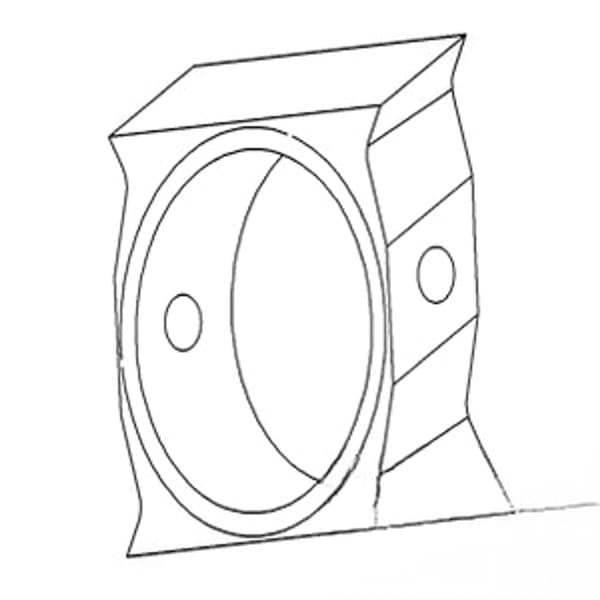
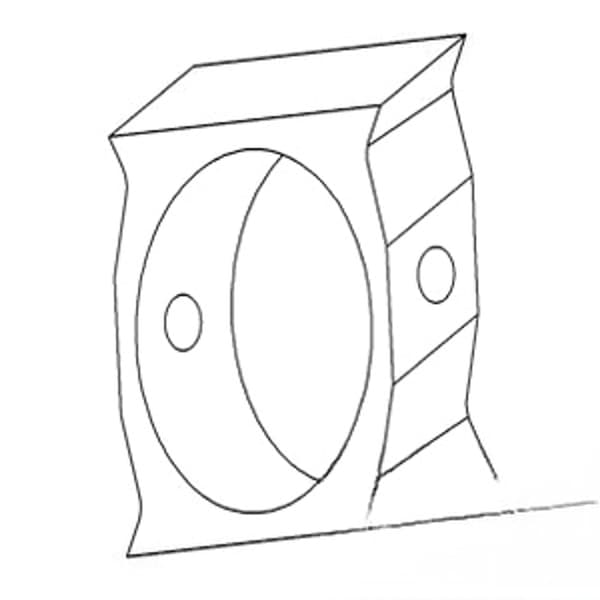
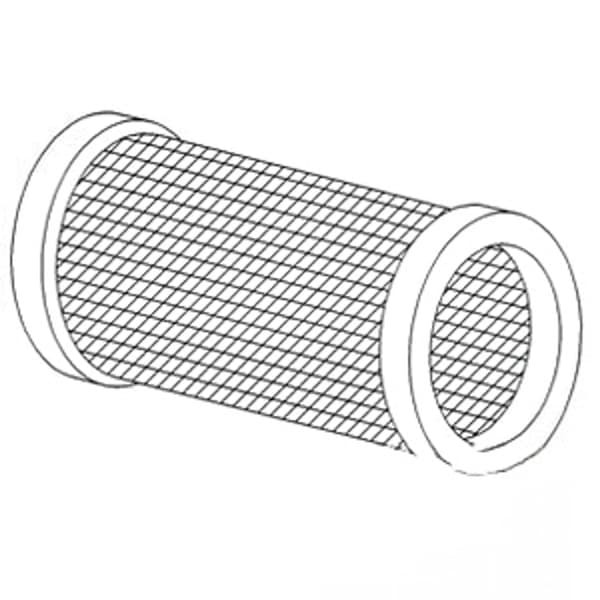
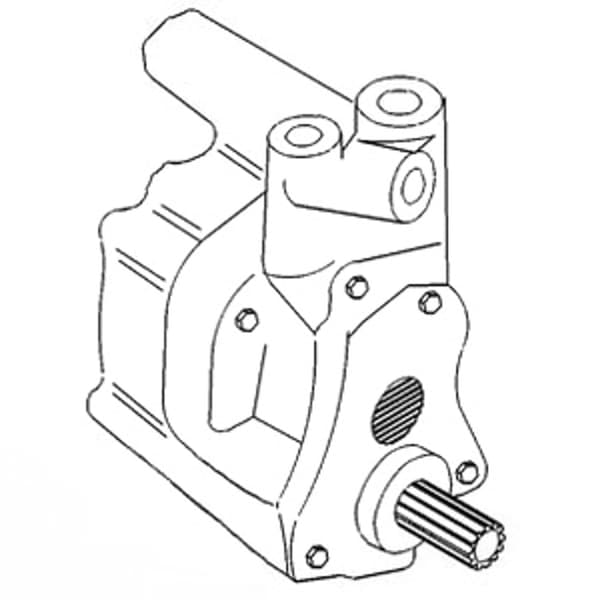
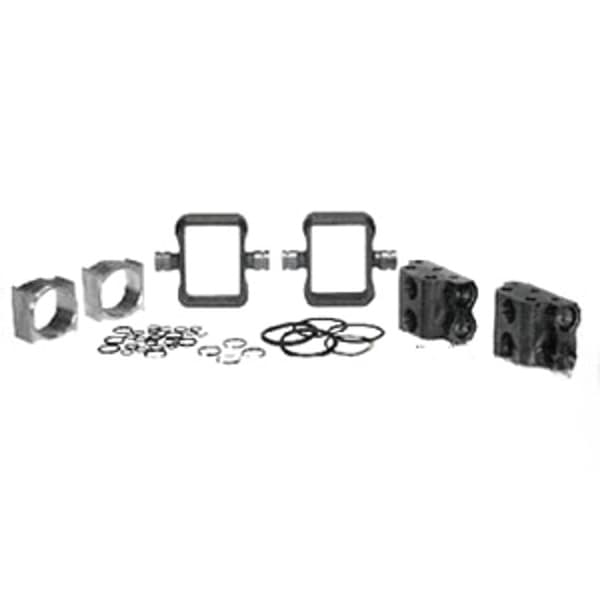
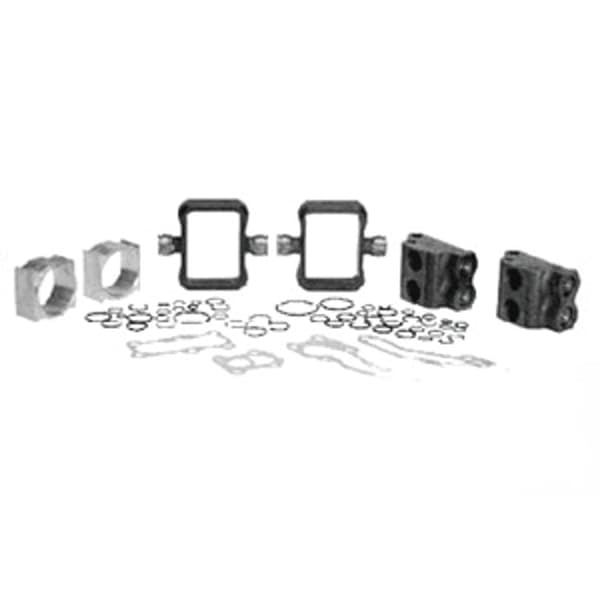
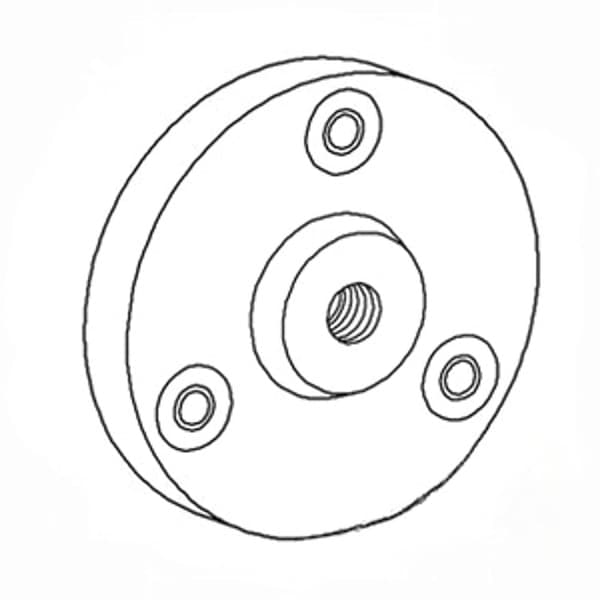
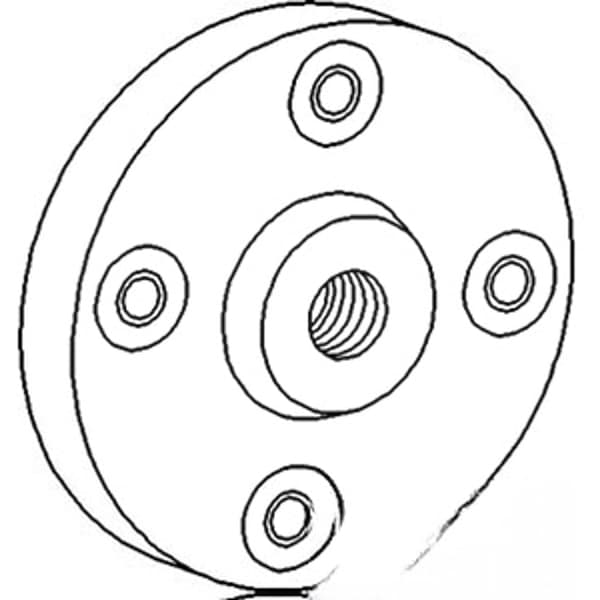
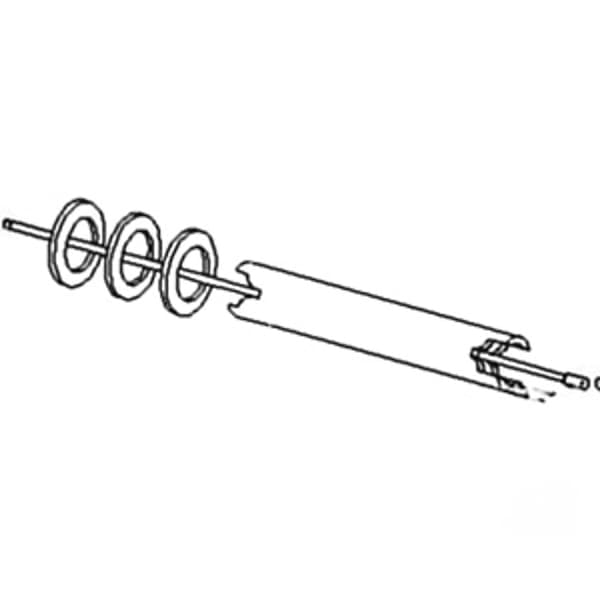
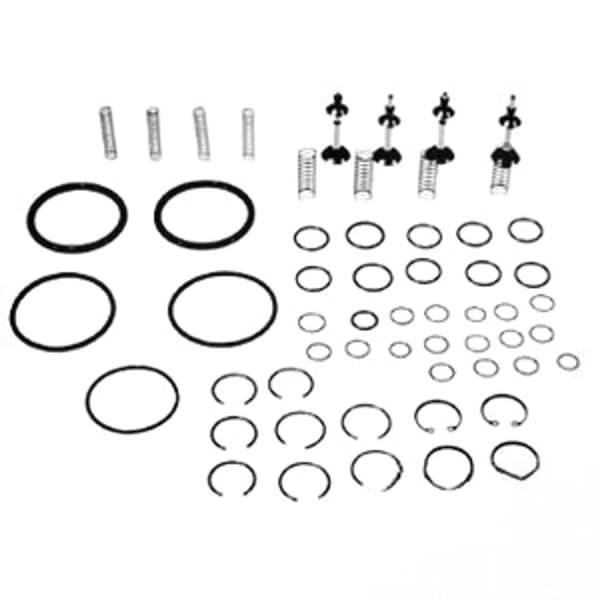
🔍 Looking for a specific part? Try our AI Part Finder — tell it your equipment and what you need, and it will find matching parts instantly.
Understanding the Massey Ferguson 135 Hydraulic System
The hydraulic system on a Massey Ferguson 135 is a closed-center system, meaning the pump constantly circulates fluid. Key components include:
- Hydraulic Pump: Typically a gear pump, responsible for generating hydraulic pressure.
- Hydraulic Reservoir: Usually integrated into the transmission housing, storing the hydraulic fluid.
- Control Valve: Directs hydraulic fluid to various components like the three-point hitch or auxiliary remotes. Issues could also arise from a faulty pressure control valve diaphragm. We also offer the 1860114M91 Diaphragm for these valves.
- Hydraulic Cylinder(s): Converts hydraulic pressure into linear motion, raising and lowering implements.
- Hydraulic Lines and Hoses: Carry hydraulic fluid between components. You can learn more about tractor hydraulic hoses in our other articles.
- hydraulic filter: Removes contaminants from the hydraulic fluid.
The system operates via a mechanical linkage from the quadrant levers to the control valve. The operator sets the desired position, and the hydraulics adjust to maintain that position.
The Hydraulic Pump: Heart of the System
The hydraulic pump is the powerhouse of the system. On the Massey Ferguson 135, it's typically a gear-type pump, known for its reliability and relatively simple design. Internal pump components, such as the hydraulic pump drive shaft, the front camblock, or the rear camblock, can also wear out over time. Gear pumps deliver a constant flow rate at a given engine RPM. Common symptoms of a failing hydraulic pump include:
- Slow or weak hydraulic lift.
- Jerky or inconsistent operation.
- Excessive noise from the pump.
- Overheating hydraulic fluid.
Testing the Hydraulic Pump
Before replacing the pump, it's essential to diagnose the issue correctly. Here’s a simple test:
- Check the hydraulic fluid level. Low fluid can mimic pump failure.
- Inspect the hydraulic filter and the hydraulic strainer assembly. A clogged filter or strainer restricts flow and can damage the pump. Replace as needed. Madison Tractor Company carries a wide range of hydraulic filters for various tractor brands including Massey Ferguson, John Deere, and Kubota.
- With the tractor running, listen to the pump. Unusual noises indicate potential pump damage.
- Use a hydraulic pressure gauge to check the pump's output pressure at the test port. Consult your MF 135 service manual for the correct pressure specifications.
If the pressure is significantly below the specified range, the pump is likely faulty. Common OEM part numbers for the MF 135 hydraulic pump include 1860477M93, 1860477M91 and 1860477M92. However, these have often been superseded, so always double-check with a parts professional.
Replacing the Hydraulic Pump
Replacing the hydraulic pump is a manageable task for most mechanically inclined individuals. Here's a general outline:
- Safety First: Disconnect the battery and ensure the tractor is safely supported.
- Drain the hydraulic fluid. Place a drain pan under the transmission housing.
- Disconnect the hydraulic lines from the pump. Cap the lines to prevent contamination.
- Remove the pump mounting bolts.
- Carefully remove the old pump, along with its adapter plate if present.
- Install the new pump, ensuring proper alignment. Remember to also inspect smaller components like the hydraulic pump cap kit for leaks or damage.
- Reconnect the hydraulic lines, tightening the fittings securely.
- Refill the hydraulic fluid to the correct level, as specified in your MF 135 operator's manual.
- Bleed the hydraulic system to remove any air.
- Start the tractor and check for leaks.
Torque Specifications: Refer to your MF 135 service manual for the correct torque specifications for the pump mounting bolts and hydraulic line fittings. Using the correct torque is crucial to prevent leaks and damage. Incorrect torque can lead to hydraulic leaks and even structural failure. A typical torque specification for the pump mounting bolts is around 30-40 ft-lbs, but always verify this in your manual.
Madison Tractor Company offers a wide selection of Massey Ferguson tractor parts, including hydraulic pumps, from reputable brands.
The Hydraulic Lift System: Raising and Lowering Implements
The hydraulic lift system on the MF 135 controls the three-point hitch, allowing you to raise and lower implements. Problems with the lift system can stem from various sources, including:
- Internal leaks in the hydraulic cylinder.
- Worn or damaged control valve components. For early models, you might also consider the 897507M94 valve assembly.
- Low hydraulic pressure (often related to pump issues).
- Malfunctioning feedback linkage.
Troubleshooting the Lift System
Here's how to troubleshoot common lift system problems:
- Check the hydraulic fluid level and filter. As mentioned earlier, these are common culprits.
- Inspect the external hydraulic cylinder for leaks. Look for signs of oil around the cylinder seals. If leaking, the cylinder needs to be resealed or replaced. Madison Tractor Company carries tractor hydraulic cylinders for many brands including Massey Ferguson, Ford, and John Deere.
- Examine the control valve linkage for wear or damage. Ensure the linkage moves freely and that all connections are secure.
- Perform a leak-down test. Raise the three-point hitch to its maximum height and shut off the tractor. Observe how quickly the implement lowers. Excessive leak-down indicates internal leaks in the cylinder or control valve.
Hydraulic Cylinder Repair and Replacement
If the hydraulic cylinder is leaking or damaged, it may need to be repaired or replaced. Resealing a cylinder involves disassembling it, replacing the seals, and reassembling it. This requires some mechanical skill and specialized tools. If you're not comfortable with this process, consider replacing the entire cylinder. Make sure to properly dispose of old hydraulic fluid and parts according to local regulations.
Safety Warning: Hydraulic fluid is under high pressure and can cause serious injury. Always relieve the pressure before disconnecting any hydraulic lines. Wear safety glasses and gloves when working with hydraulic systems.
Hydraulic Fluid and Maintenance
Using the correct hydraulic fluid and following a regular maintenance schedule is crucial for the longevity and performance of your Massey Ferguson 135 hydraulic system. Here are some key points:
- Use the correct type of hydraulic fluid. Consult your MF 135 operator's manual for the recommended fluid specification. Universal Tractor Hydraulic Fluid (UTF) is generally acceptable.
- Change the hydraulic fluid and filter regularly. The recommended interval is typically every 500 hours of operation or annually, whichever comes first.
- Keep the hydraulic system clean. Prevent dirt and debris from entering the system.
- Inspect hydraulic lines and hoses regularly for leaks or damage. Replace any worn or damaged components immediately.
Fluid Capacity: The hydraulic fluid capacity for the Massey Ferguson 135 varies depending on the specific model and configuration. Consult your operator's manual for the correct capacity.
Beyond Hydraulics: Other Essential MF 135 Parts
While this guide focuses on the hydraulic system, Madison Tractor Company also stocks a comprehensive range of other parts for your Massey Ferguson 135, including:
- Radiators and water pumps
- Starters and alternators
- Clutch kits and PTO parts
- Fuel pumps and carburetors
- Filters, gaskets, pistons, bearings, and seals
We carry parts for many other brands too, including John Deere, Case IH, Ford, New Holland, Kubota, Allis Chalmers, Deutz, International Harvester, Oliver, White, Gleaner, Vermeer, Hesston, Mahindra, and Zetor.
Conclusion: Keeping Your MF 135 Running Strong
The Massey Ferguson 135's hydraulic system is vital to its functionality. By understanding the system, performing regular maintenance, and addressing problems promptly, you can keep your MF 135 running strong for years to come. Remember to consult your operator's manual and service manual for specific instructions and specifications.
Whether you need a new hydraulic pump, replacement cylinder, filters, or any other part, Madison Tractor Company is here to help. Browse our extensive online catalog or contact our knowledgeable parts experts for assistance. We're committed to providing high-quality parts and exceptional customer service to keep your farm equipment operating at its best. We offer fast shipping and competitive pricing on a wide variety of tractor parts. Shop with us today! You can also use our AI-Powered Part Finder to search for parts by your specific make and model.
Part of our comprehensive guide
Tractor Hydraulic System Guide: Pumps, Cylinders & Troubleshooting