








Tractor Hydraulic Fitting Sizes: JIC, ORB & NPT Guide
Understanding tractor hydraulic fitting types like JIC, ORB, and NPT is crucial for proper repairs and maintenance. This guide from Madison Tractor helps you identify and select the correct fittings for your hydraulic system, preventing leaks and ensuring optimal performance.
Introduction to Tractor Hydraulic Fittings
Working on your tractor's hydraulic system can be challenging, especially when dealing with different fitting types and sizes. Incorrect fittings lead to leaks, reduced performance, and potential damage to your valuable equipment. This guide from Madison Tractor Company will help you understand the most common types of tractor hydraulic fittings: JIC, ORB, and NPT. We'll cover how to identify them, their uses, and how to ensure you're selecting the right fitting for your needs. Whether you're working on a John Deere, Case IH, Ford, New Holland, Massey Ferguson, Kubota, or any other brand, understanding these fittings is essential for keeping your machine running smoothly. Remember to always release pressure from the hydraulic system before disconnecting any lines. Consult your service manual for specific safety procedures and torque specifications for your tractor model.
Recommended Parts for This Guide
4 parts we recommend — in stock, ships fast, one-click add to cart.
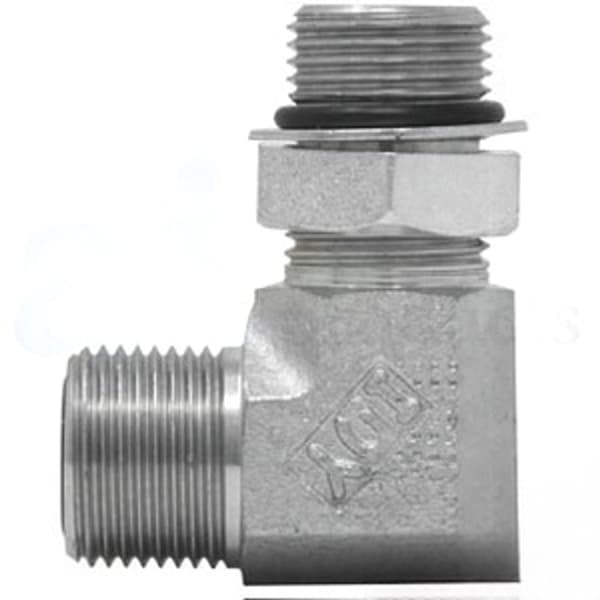
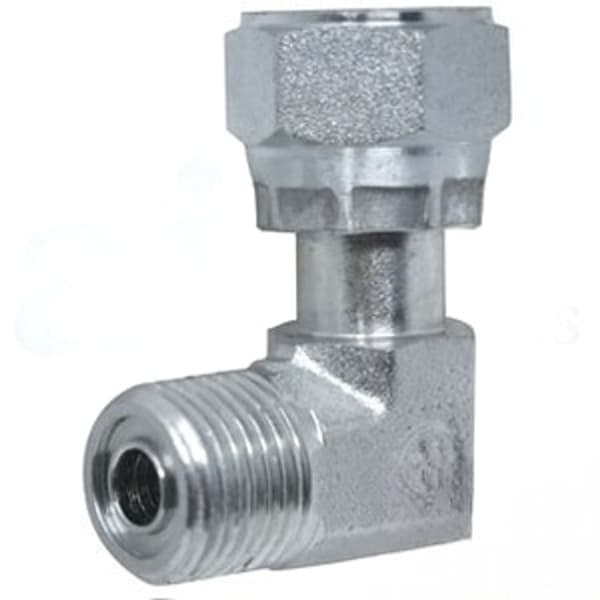
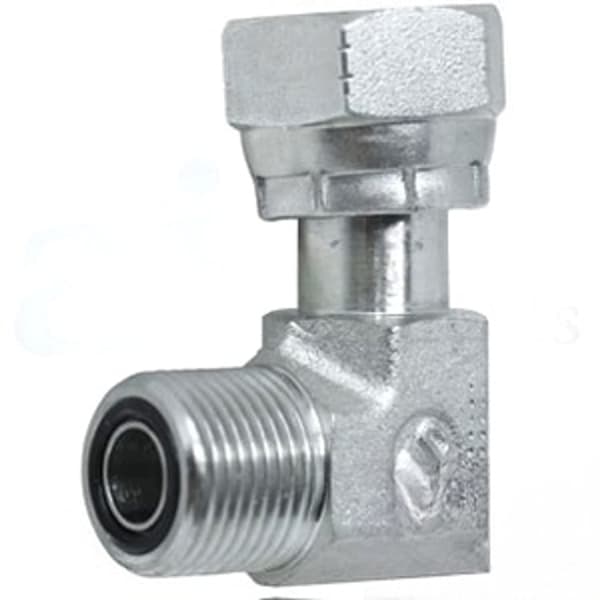
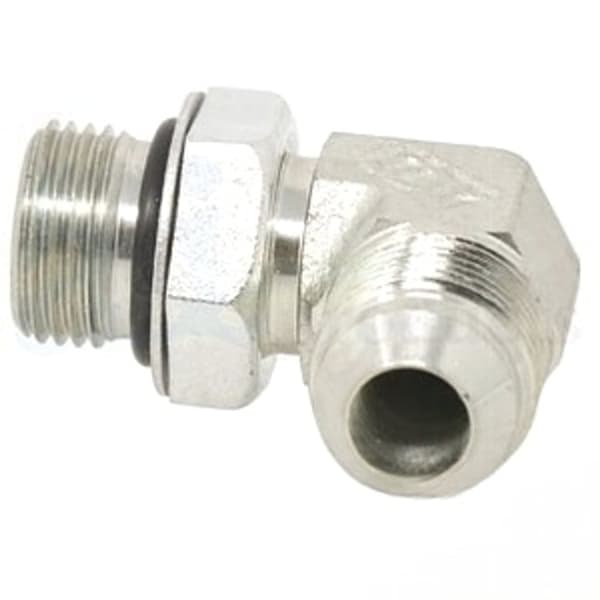
🔍 Looking for a specific part? Try our AI Part Finder — tell it your equipment and what you need, and it will find matching parts instantly.
We carry a wide range of hydraulic parts, including John Deere, Case IH, Ford, and New Holland hydraulic fittings, hoses, pumps, and cylinders.
Understanding JIC Fittings
JIC (Joint Industry Council) fittings are a very common type of hydraulic fitting, especially in agricultural equipment. They are characterized by their 37-degree flare. The male fitting has a 37-degree flared end that seals against the 37-degree flared seat in the female fitting. The threads on JIC fittings provide mechanical strength and hold the fitting together. The sealing is achieved by the metal-to-metal contact of the flared surfaces, NOT by the threads.
Identifying JIC Fittings
- Angle: Look for the distinctive 37-degree flare.
- Threads: JIC threads are usually straight.
- Material: Typically made of steel or stainless steel.
Common Applications of JIC Fittings
You'll often find JIC fittings used in:
- Hydraulic hoses: Connecting hoses to tractor hydraulic pumps, cylinders, and other components. For example, a JIC fitting might connect a hydraulic hose to a John Deere hydraulic pump on a 4020 tractor.
- Brake lines: Providing secure connections in hydraulic braking systems.
- Fuel lines: In some applications, though less common than with hydraulic systems.
Installation Tips for JIC Fittings
- Inspect: Before installation, inspect the flare and seat for any damage or debris.
- Alignment: Ensure proper alignment of the male and female fittings.
- Tightening: Tighten the fitting until snug, then use a wrench to tighten further. Avoid overtightening, which can damage the flare. Consult your tractor's service manual for specific torque values. Overtightening is a common problem leading to leaks.
Safety Warning: Always relieve hydraulic pressure before disconnecting or connecting hydraulic lines.
Understanding ORB Fittings
ORB (O-Ring Boss) fittings, also sometimes called straight thread O-ring (STOR) fittings, provide a leak-tight seal using an O-ring. The male ORB fitting has straight threads and an O-ring that sits in a groove. The male threads mate with the straight threads of the female port. When tightened, the O-ring compresses, creating a seal. Like JIC fittings, the threads are for mechanical holding purposes, with the O-ring providing the sealing action.
Identifying ORB Fittings
- O-Ring: Look for the O-ring on the male fitting.
- Straight Threads: ORB fittings have straight threads.
- Port: The female port has a smooth, machined surface for the O-ring to seal against.
Common Applications of ORB Fittings
ORB fittings are often used in:
- Hydraulic valve blocks: Providing leak-free connections to hydraulic control valves. You might find ORB fittings on the hydraulic valve block of a Case IH tractor.
- Hydraulic manifolds: Connecting hydraulic lines to manifolds.
- Where leak prevention is critical: ORB fittings are ideal for applications where leaks must be minimized.
Installation Tips for ORB Fittings
- Inspect O-Ring: Check the O-ring for damage or wear before installation. Replace if necessary.
- Lubricate O-Ring: Lightly lubricate the O-ring with hydraulic fluid before installation.
- Tightening: Tighten the fitting until snug. Overtightening can damage the O-ring and cause leaks. Refer to the service manual for the specific torque specification for your application.
Pro Tip: When replacing an ORB fitting, always use a new O-ring of the correct size and material.
Understanding NPT Fittings
NPT (National Pipe Taper) fittings are a tapered thread design, meaning the diameter of the thread changes along its length. This taper creates a seal as the male and female threads are tightened together. Unlike JIC and ORB fittings, the threads themselves are crucial for the seal. NPT fittings rely on thread interference and sealant to prevent leaks.
Identifying NPT Fittings
- Tapered Threads: NPT threads are visibly tapered.
- Sealant Required: NPT fittings require thread sealant or Teflon tape to create a leak-proof seal.
Common Applications of NPT Fittings
NPT fittings are commonly found in:
- Low-pressure hydraulic systems: Connecting gauges and sensors.
- Pneumatic systems: Air compressors and pneumatic tools.
- Water lines: Connecting pipes and fittings in water systems.
Installation Tips for NPT Fittings
- Apply Sealant: Apply thread sealant or Teflon tape to the male threads before installation. Wrap the tape in the direction of the threads.
- Tightening: Tighten the fitting until snug. Avoid overtightening, which can crack the fitting or the housing it's threaded into.
- Avoid Over-Tightening: NPT fittings are prone to cracking from overtightening. Use a wrench sized appropriately for the fitting.
Important Note: NPT fittings are more prone to leaks than JIC or ORB fittings if not properly installed.
Identifying Fitting Sizes
Determining the correct size of your tractor hydraulic fittings is crucial for proper fit and function. Here’s how to identify fitting sizes:
- Measure the threads: Use a thread gauge to determine the thread size and pitch.
- Identify the fitting type: Determine whether it's JIC, ORB, or NPT.
- Consult a sizing chart: Use a hydraulic fitting sizing chart to match the thread size and type to the correct fitting size. These charts are readily available online and in hydraulic parts catalogs.
- Dash Size: Hydraulic fittings are often referenced by their 'dash' size, indicated by a number. The dash number represents the nominal inside diameter (ID) of the hose or tubing it connects to, in sixteenths of an inch. For example, a -8 fitting has a nominal ID of 8/16 (or 1/2) inch.
For example, you might need a -6 JIC fitting to connect a hose to the Massey Ferguson hydraulic pump on a 135 tractor.
Common Mistakes and How to Avoid Them
- Mixing fitting types: Never mix JIC, ORB, and NPT fittings. They are not interchangeable and will likely leak or damage the components.
- Overtightening: Overtightening fittings can damage threads and cause leaks. Use the correct torque specifications.
- Using damaged fittings: Always inspect fittings for damage before installation. Replace damaged fittings immediately.
- Incorrect sealant: Using the wrong type of thread sealant can lead to leaks. Use a sealant specifically designed for hydraulic fittings.
Example: A common mistake is to overtighten NPT fittings on a Kubota hydraulic pump, leading to cracks and leaks. Torque specifications are critical!
Finding the Right Hydraulic Fittings at Madison Tractor
At Madison Tractor Company, we understand the importance of having the right parts for your tractor. We stock a wide selection of JIC, ORB, and NPT hydraulic fittings for all major tractor brands, including John Deere, Case IH, Ford, New Holland, Massey Ferguson, Kubota, Allis Chalmers, Deutz, International Harvester, Oliver, White, Gleaner, Vermeer, Hesston, Mahindra and Zetor. We also carry a complete range of tractor parts including radiators, water pumps, starters, alternators, hydraulic pumps, cylinders, clutch kits, PTO parts, fuel pumps, carburetors, injectors, filters, gaskets, pistons, bearings, seals, belts, chains, concaves, and sickle sections.
Shop our online store or contact our knowledgeable staff for assistance in finding the correct hydraulic fittings for your specific tractor model. We can help you identify the right size and type of fitting to ensure a leak-free and reliable hydraulic system. Trust Madison Tractor for all your tractor parts needs! You can also use our AI-Powered Part Finder to search for parts by your specific make and model.
Part of our comprehensive guide
Tractor Hydraulic System Guide: Pumps, Cylinders & Troubleshooting