








Tractor 3-Point Hitch Repair: Won't Lift Troubleshooting
Is your tractor's 3-point hitch refusing to lift? This guide provides a systematic approach to diagnosing and repairing common 3-point hitch problems, covering everything from hydraulic issues to mechanical failures. Get your hitch working again with our expert tips!
Introduction to Tractor 3-point hitch Repair
The 3-point hitch is the backbone of many farm implements, allowing you to easily connect and operate plows, mowers, and other essential tools. When your tractor's 3-point hitch refuses to lift, it can bring your work to a standstill. Fortunately, many 3-point hitch problems are straightforward to diagnose and repair. This guide will walk you through the most common causes of a non-lifting hitch, providing practical troubleshooting steps to get you back in the field. We cover brands like John Deere, Case IH, Ford/New Holland, Massey Ferguson, Kubota and more!
Recommended Parts for This Guide
7 parts we recommend — in stock, ships fast, one-click add to cart.
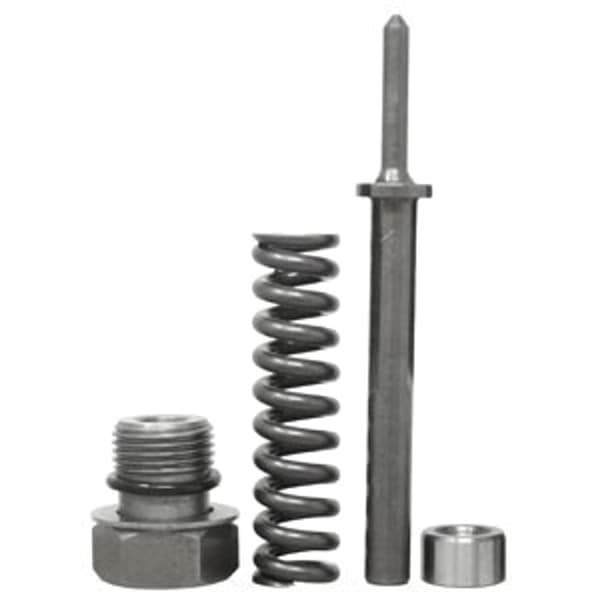
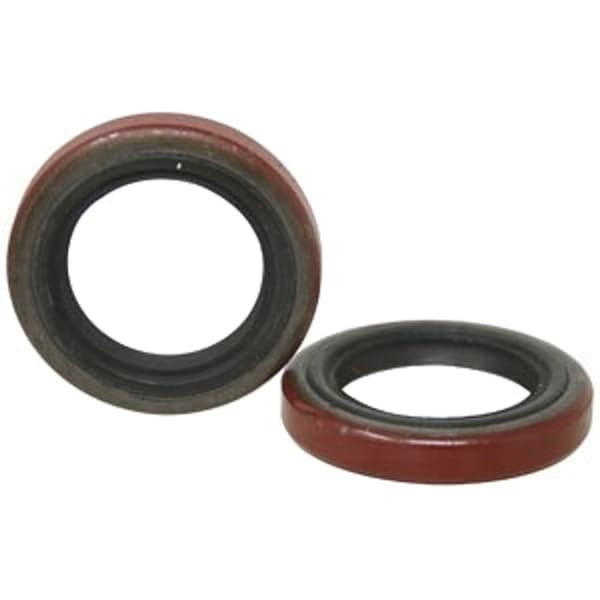
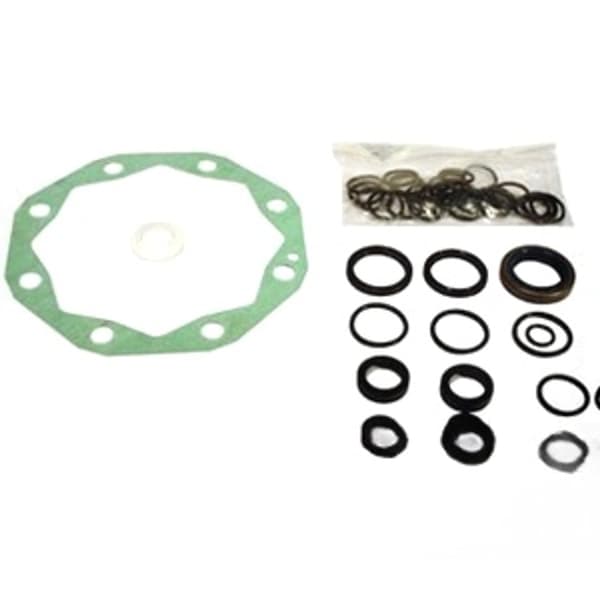
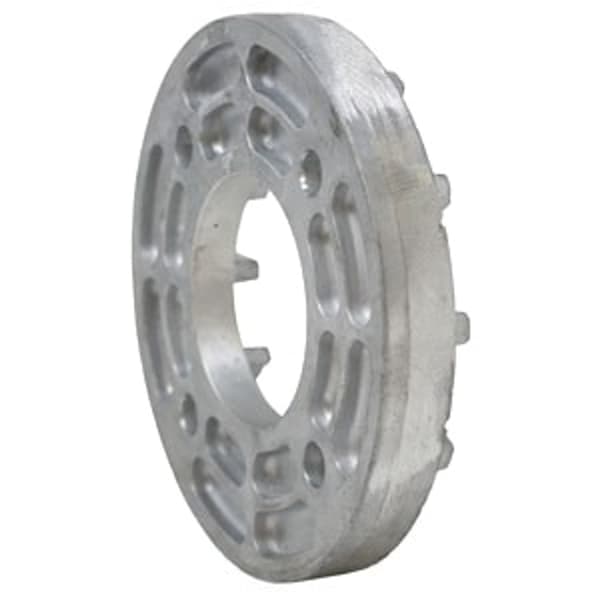
🔍 Looking for a specific part? Try our AI Part Finder — tell it your equipment and what you need, and it will find matching parts instantly.
Safety First: Before beginning any repair, ensure the tractor is turned off, the parking brake is engaged, and the implement is safely resting on the ground or supported by stands. Disconnect the battery's negative terminal to prevent accidental starting.
Initial Checks and Basic Troubleshooting
Start with the simplest checks before diving into more complex repairs. Often, the issue is something easily overlooked.
- Check the Hydraulic Fluid Level: Low hydraulic fluid is a common cause of hitch problems. Consult your tractor's manual for the correct fluid type and fill level. For example, a John Deere tractor like the 4020 requires John Deere Hy-Gard hydraulic oil, while a Ford 8N may specify a different fluid.
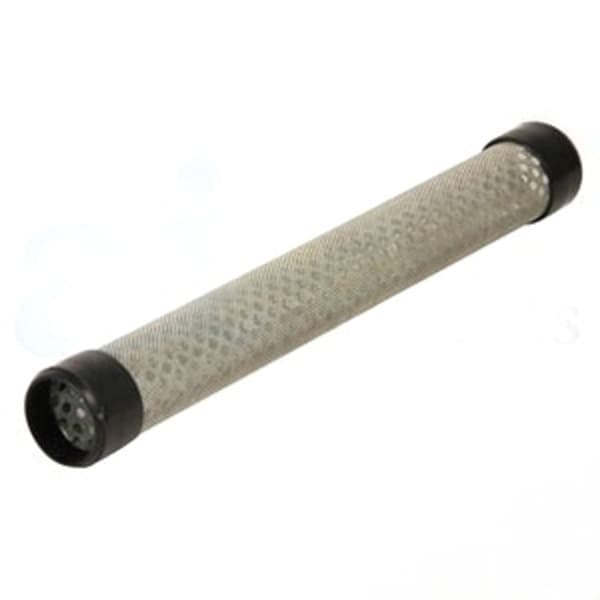
- Inspect the Hydraulic Filter: A clogged tractor hydraulic filter or a restricted transmission/hydraulic oil pump screen can restrict fluid flow and prevent the hitch from lifting. Replace the hydraulic filter according to your tractor's maintenance schedule, or sooner if you suspect contamination. For example, a Case IH 585 tractor filter might be a Hy-Capacity 151812C1 or equivalent. See our guide to Tractor Hydraulic Filter: Cross Reference by Brand.
- Check Linkage and Control Cables: Make sure all mechanical linkages connecting the control lever to the hitch mechanism are intact and properly adjusted. Broken or loose cables can prevent the hitch from responding to your commands.
- Check the Hitch Control Lever: Ensure the control lever is moving freely and engaging the hydraulic system. Sometimes debris or corrosion can prevent full movement.
Hydraulic System Diagnostics
If the basic checks don't reveal the problem, the issue likely lies within the hydraulic system. This requires a more systematic approach.
hydraulic pump Inspection
The hydraulic pump is the heart of the system. A failing hydraulic pump won't generate enough pressure to lift the hitch. To diagnose a pump problem:
- Listen for Unusual Noises: A whining or grinding noise from the pump could indicate wear or damage.
- Pressure Test: Use a hydraulic pressure gauge to measure the pump's output pressure. Consult your tractor's service manual for the correct pressure specifications. For instance, a Massey Ferguson 135 requires a hydraulic pressure of around 2500 PSI.
- Inspect the Pump Drive: Ensure the pump is being driven correctly. Check the pump drive coupling, drive shaft, gears, or belt for damage or slippage.
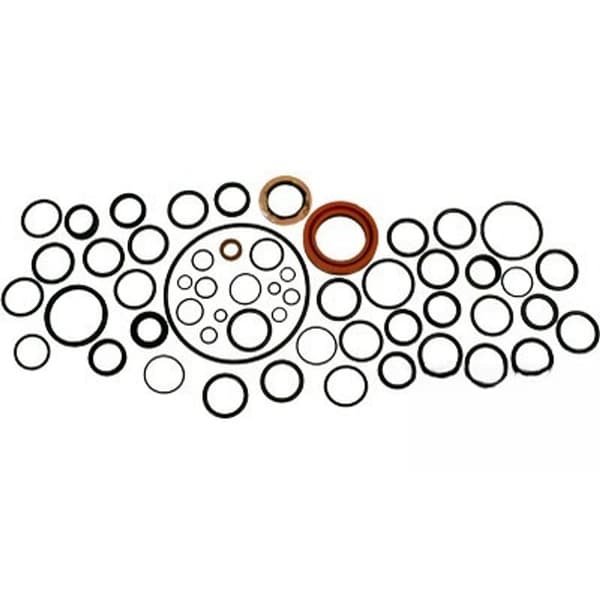
If the pump isn't producing sufficient pressure, it may need to be rebuilt or replaced. A malfunctioning internal stroke control valve, worn hydraulic pump seals, or a damaged valve seat insert can also lead to pressure loss. Consider using a hydraulic pump seal kit for a comprehensive repair. We carry John Deere hydraulic pumps, Ford tractor hydraulic pumps, Case IH hydraulic pumps, Massey Ferguson hydraulic pumps and Kubota hydraulic pumps. See our guides to John Deere Tractor Hydraulic Pump: OEM Part Numbers, Ford Tractor Hydraulic Pump: 2000-7000 Series & New Holland, Case IH Hydraulic Pump: Gear & Piston Pumps by Model, Massey Ferguson Hydraulic Pump: 35, 135, 265 & Up and Kubota Tractor Hydraulic Pump: L, M & MX Series.
Hydraulic Cylinders and Hoses
The hydraulic cylinder is responsible for converting hydraulic pressure into mechanical movement, lifting the hitch arms. Problems here can prevent lifting.
- Inspect for Leaks: Look for external leaks around the cylinder seals and hydraulic hoses. Leaks reduce pressure and lifting capacity.
- Check Cylinder for Damage: Examine the cylinder rod for bends, dents, or corrosion. Damaged cylinders can bind and restrict movement.
- Bleed the System: Air trapped in the hydraulic system can cause erratic hitch operation. Consult your tractor's manual for the correct bleeding procedure. Some tractors have bleed screws on the cylinders themselves.
Worn or damaged cylinders need to be rebuilt or replaced. A tractor hydraulic cylinder for a Ford 3000 might be a cross to E1ADDN589A. Also, check the condition of the hydraulic hoses connecting the pump to the cylinder. Look for cracks, kinks, or bulges, as these can restrict fluid flow. Our guide Tractor Hydraulic Hose: Sizing, Pressure Ratings & Fittings can assist in selecting replacements. For example, a Case IH 7140 may use hoses with JIC fittings rated for 3000 PSI.
Control Valve Issues
The control valve directs hydraulic fluid to the cylinder. A malfunctioning valve can prevent the hitch from lifting, lowering, or holding its position.
- Inspect for Leaks: Check around the valve body for external leaks.
- Check Linkage: Verify that the linkage connecting the control lever to the valve is properly adjusted and moving freely.
- Internal Damage: The valve itself may be worn, corroded, or damaged. Internal damage, such as a faulty hydraulic pump valve seat insert, often requires professional repair or replacement.
Control valves can be complex. If you suspect a valve problem, consult a qualified hydraulic technician.
Mechanical Problems
Sometimes, the problem isn't hydraulic at all, but mechanical.
- Check Lift Arms and Linkage: Inspect the lift arms, sway bars, and connecting linkage for bends, cracks, or wear. Damaged components can prevent the hitch from moving freely.
- Inspect Draft Control System: Some tractors use a draft control system to automatically adjust the hitch height based on soil resistance. A malfunctioning draft control system can interfere with hitch operation. Check the draft control sensors and linkage for proper function.
- Check Rockshaft: The rockshaft is the main shaft that transfers motion from the hydraulic cylinder to the lift arms. Check for wear or damage to the rockshaft bearings, bushings, and splines.
Specific Brand Considerations
Different brands and models may have unique issues related to their 3-point hitch systems.
- John Deere: Some older John Deere models are prone to issues with the rockshaft seal, leading to hydraulic fluid leaks.
- Ford/New Holland: The hydraulic pumps in some Ford tractors can wear out over time, especially if the hydraulic fluid is not properly maintained.
- Case IH: Some Case IH tractors have a draft control system that can be sensitive to adjustment.
- Massey Ferguson: Massey Ferguson tractors are known for their reliable hydraulic systems, but the control valves can sometimes develop internal leaks.
- Kubota: Kubota compact tractors sometimes experience issues with the hydraulic filter becoming clogged due to fine debris.
- Allis Chalmers, Deutz, International Harvester, Oliver, White, Gleaner, Vermeer, Hesston, Mahindra, Zetor: Older models of these brands often suffer from worn hydraulic pumps and cylinders due to age and use. Ensure the correct hydraulic fluid is being used, and that the system is properly maintained.
Preventative Maintenance
Regular maintenance is crucial for keeping your tractor's 3-point hitch in good working order. Follow these preventative measures:
- Change Hydraulic Fluid and Filter: Adhere to your tractor's recommended maintenance schedule for changing the hydraulic fluid and filter.
- Inspect Hydraulic Lines: Regularly inspect hydraulic lines for leaks, cracks, or damage.
- Grease Linkage Points: Keep all linkage points well-greased to prevent wear and corrosion.
- Protect Hydraulic Cylinders: Protect hydraulic cylinder rods from damage by using protective sleeves or covers when possible.
Shop Tractor Parts at Madison Tractor Company
At Madison Tractor Company, we understand the importance of keeping your tractor running smoothly. We offer a wide selection of high-quality tractor parts, including hydraulic pumps, cylinders, filters, and hoses, for all major brands like John Deere, Case IH, Ford/New Holland, Massey Ferguson, and Kubota. We also carry other essential parts like radiators, water pumps, starters, alternators, clutch kits, PTO parts, fuel pumps, carburetors, injectors, gaskets, pistons, bearings, seals, belts, and chains. Browse our extensive catalog and find the parts you need to keep your tractor working at its best. Contact our knowledgeable team for expert advice and assistance. We're here to help you get the job done right! Whether it's a combine part, tractor part, or even hay equipment part, we have you covered! You can also use our AI-Powered Part Finder to search for parts by your specific make and model.
Part of our comprehensive guide
Tractor Hydraulic System Guide: Pumps, Cylinders & Troubleshooting