








Tractor Hydraulic Pump Rebuild: When to Repair vs Replace
Deciding whether to rebuild or replace a failing tractor hydraulic pump can save you time and money. This guide from Madison Tractor helps you evaluate your options and make the best choice for your farm equipment.
Introduction
A properly functioning hydraulic system is essential for many tasks on the farm, from lifting implements to powering steering. At the heart of this system is the hydraulic pump. When it starts to fail, you're faced with a crucial decision: a tractor hydraulic pump rebuild or a complete replacement? Making the right choice can save you significant time and money. This guide, from the experts at Madison Tractor Company, will help you navigate the factors involved in this important decision. We supply hydraulic pumps and parts for a huge range of brands, including John Deere, Case IH, Ford, New Holland, Massey Ferguson, Kubota, Allis Chalmers, Deutz, International Harvester, Oliver, White, Gleaner, Vermeer, Hesston, Mahindra Zetor.
Recommended Parts for This Guide
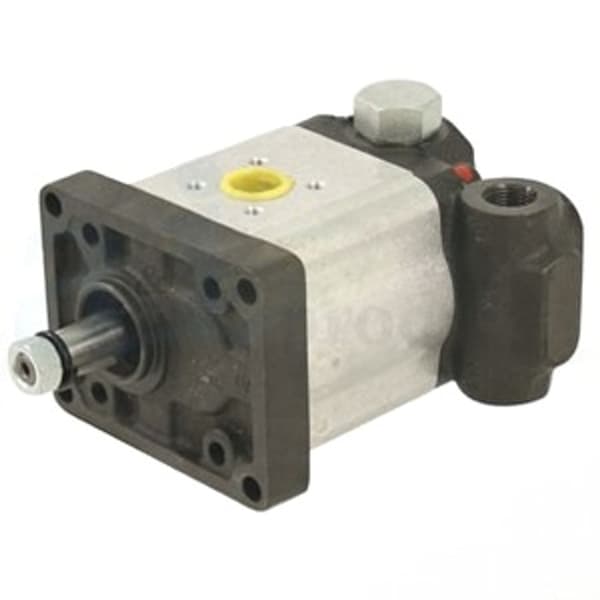
10 parts we recommend — in stock, ships fast, one-click add to cart.
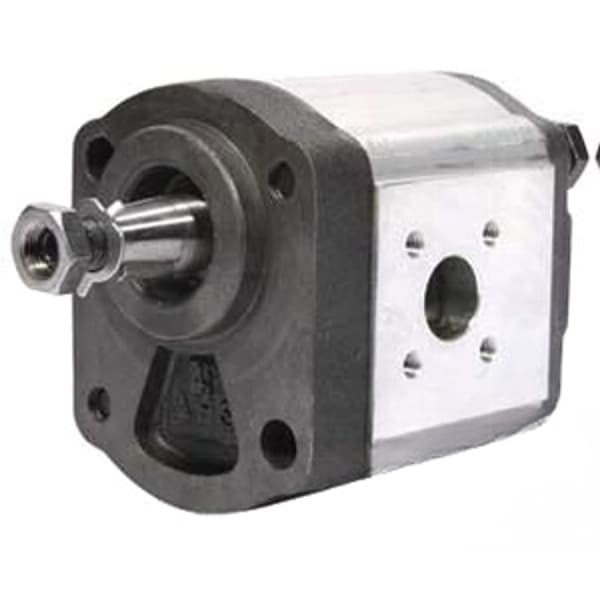
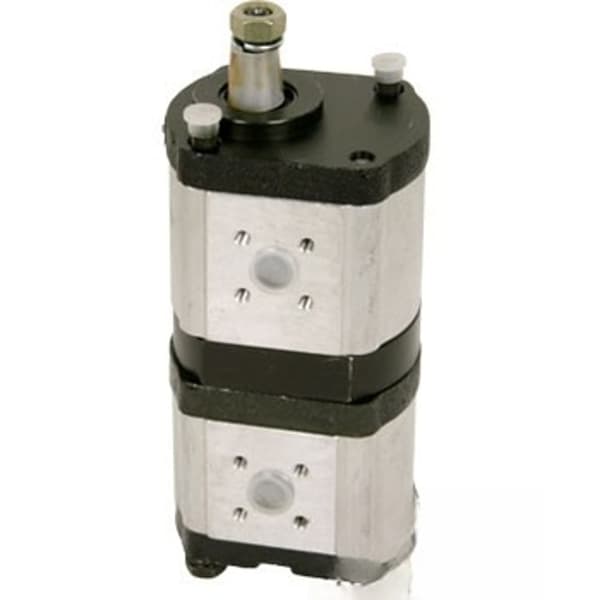
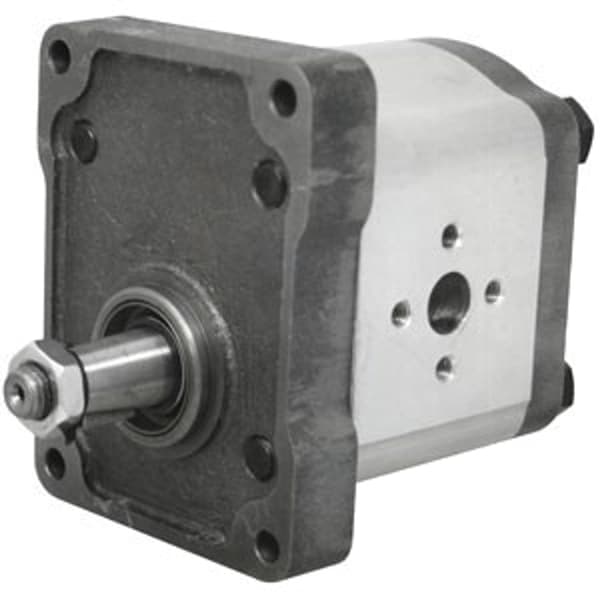
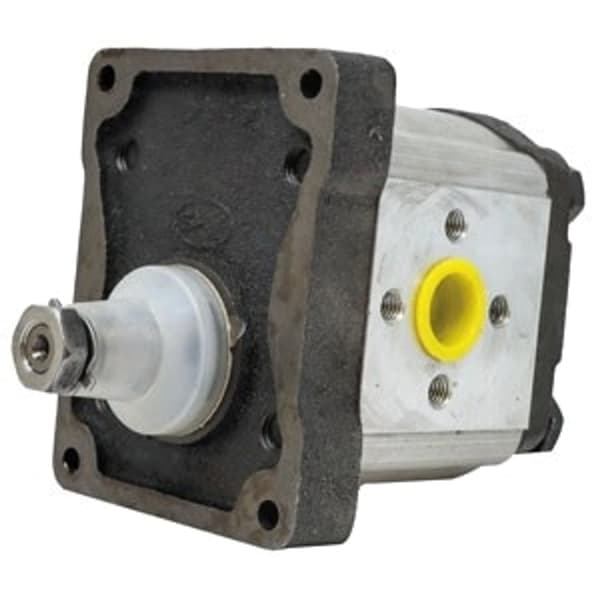
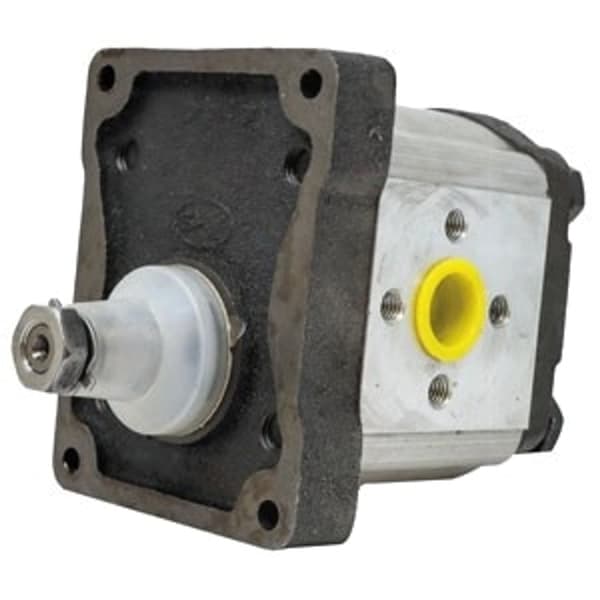
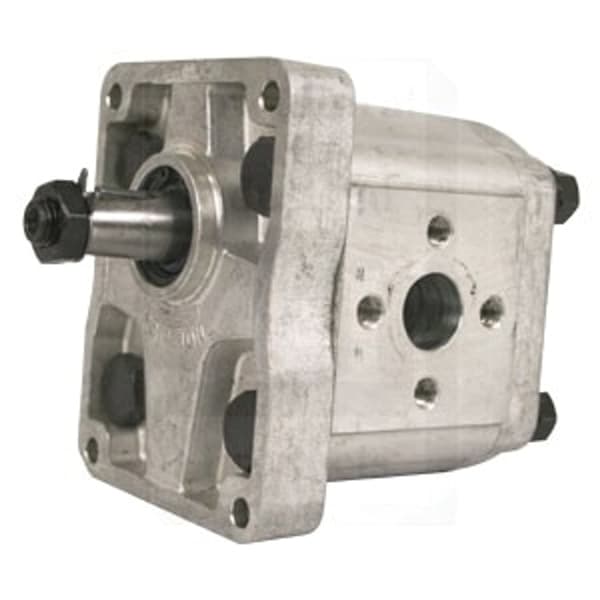
🔍 Looking for a specific part? Try our AI Part Finder — tell it your equipment and what you need, and it will find matching parts instantly.
Identifying Hydraulic Pump Problems
Before deciding on a repair or replacement, it's crucial to accurately diagnose the problem. Common symptoms of a failing hydraulic pump
- Slow or weak hydraulic performance Implements lift slowly or struggle to lift at all.
- Unusual noises Whining, grinding, or squealing sounds coming from the pump.
- Overheating The hydraulic system runs excessively hot.
- Milky or foamy hydraulic fluid Indicates air or water contamination. Check your Tractor Hydraulic Filter, as it may be clogged.
- External leaks Oil leaking from the pump body or around fittings.
Once you've identified a problem, further investigation is necessary.
Evaluating Repair Options: Is a Tractor Hydraulic Pump Rebuild Possible?
A tractor hydraulic pump rebuild involves disassembling the pump, inspecting its components, replacing worn or damaged parts reassembling it to factory specifications. Here's what to consider
Assessing the Damage
The extent of the damage is a key factor. Consider these questions
- What parts are worn or damaged? Common wear items include bearings, seals, gear plates (in gear pumps), drive shafts, pistons (in piston pumps), or valve components like seat inserts, and the pump housing itself.
- Is the pump housing cracked or severely damaged? If so, replacement is usually the only option.
- Are replacement parts readily available? For some older or less common tractor models, finding specific parts can be difficult or expensive. Madison Tractor stocks a huge range of parts, from radiators and water pumps to starters and alternators, so check our catalog before making a decision.
The Rebuild Process
A typical tractor hydraulic pump rebuild involves these steps
- Disassembly Carefully disassemble the pump, noting the orientation of parts. Take pictures as you go for reference during reassembly.
- Cleaning Thoroughly clean all parts with a solvent to remove dirt, grime old oil.
- Inspection Inspect all components for wear, damage, or cracks. Pay close attention to bearings, seals, and the pump housing.
- Parts Replacement Replace all worn or damaged parts with new ones. This often includes seals, bearings possibly gear plates or pistons.
- Reassembly Reassemble the pump according to the manufacturer's specifications. Use new gaskets and seals.
- Testing After reassembly, test the pump's performance using a hydraulic test bench to ensure it meets pressure and flow requirements.
Safety Warning Hydraulic systems operate under high pressure. Always relieve pressure before disconnecting any lines or components. Wear appropriate safety glasses and gloves.
Cost Considerations for a Tractor Hydraulic Pump Rebuild
Rebuilding can be more cost-effective than replacement, but only if you can do the work yourself or have access to a reasonably priced mechanic. Factor in the cost of
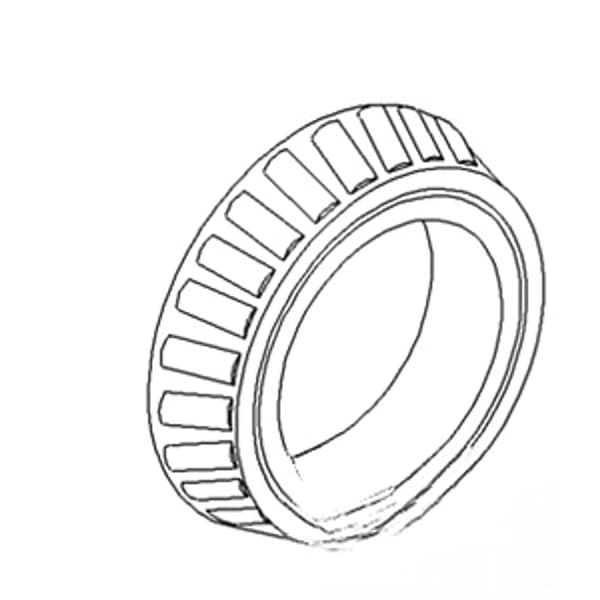
- Replacement parts like seal kits, bearings, bearing cones, gear plates, drive shafts, pistons, or valve seat inserts.
- Gaskets and seals Essential for proper sealing.
- Hydraulic fluid You'll need to refill the system after the repair.
- Shop supplies Cleaners, lubricants, etc.
- Labor costs If you're hiring a mechanic.
For example, a John Deere hydraulic pump rebuild for a model 4020 might require new seals, bearings, or potentially a new gear plate. Always check the availability and cost of these parts before committing to a rebuild. Also, be sure to check the tractor hydraulic cylinders while you are servicing the hydraulic system. A leak in a cylinder can also cause slow performance.
When to Replace the Hydraulic Pump
Sometimes, replacement is the best or only option. Consider replacement if
- The pump housing is cracked or severely damaged Repairing a damaged housing is often impractical and costly.
- Key internal components are excessively worn or damaged If the gears or pistons are badly scored or worn beyond acceptable limits, replacement is usually necessary.
- Replacement parts are unavailable or prohibitively expensive For some older or obscure tractor models, finding replacement parts may be impossible or too expensive.
- The cost of rebuilding exceeds the cost of a new pump Compare the total cost of rebuilding (parts + labor) with the price of a new or remanufactured pump.
Finding a Replacement Hydraulic Pump
Madison Tractor Company offers a wide selection of new and remanufactured hydraulic pumps for many makes and models. When selecting a replacement pump, consider these factors
- OEM vs. Aftermarket OEM (Original Equipment Manufacturer) pumps are made by the original tractor manufacturer and are guaranteed to meet factory specifications. Aftermarket pumps are made by third-party manufacturers and may offer similar performance at a lower price.
- New vs. Remanufactured New pumps are brand new and come with a warranty. Remanufactured pumps are used pumps that have been rebuilt to factory specifications. They are typically less expensive than new pumps and often come with a warranty as well.
- Correct Model and Specifications Ensure the replacement pump is compatible with your tractor model and meets the required pressure and flow rates.
For instance, if you're working on a Ford tractor hydraulic pump from a 3000 series, you'll want to verify the correct pump type (gear or piston) and flow rate. Similarly, finding the correct Case IH hydraulic pump for a specific model like a 585 requires careful cross-referencing of OEM part numbers.
Installation Tips
Proper installation is crucial for ensuring the longevity and performance of your new or rebuilt hydraulic pump. Here are some tips
- Cleanliness Ensure the area around the pump and the hydraulic lines is clean to prevent contamination.
- Proper Torque Tighten all fittings and bolts to the manufacturer's specified torque. Overtightening can damage fittings and seals, while undertightening can lead to leaks. Consult your tractor's service manual for torque specifications.
- New Hydraulic Fluid Always use new, clean hydraulic fluid that meets the tractor manufacturer's specifications.
- Bleeding the System After installation, bleed the hydraulic system to remove any air pockets.
Don't forget to also check your tractor hydraulic hose condition while you're working on the hydraulic system. A cracked or leaking hose can cause loss of pressure and contamination.
For example, when installing a Massey Ferguson hydraulic pump on a 135 model, you'll need to ensure the correct alignment of the pump with the engine drive shaft and use the appropriate shims for proper engagement. Torque the mounting bolts to the specified value (typically around 30-35 ft-lbs) always use a new gasket.
Preventative Maintenance
Proper maintenance can extend the life of your hydraulic pump and prevent costly repairs. Here are some tips
- Regularly check the hydraulic fluid level and condition Low fluid levels can cause the pump to cavitate, leading to damage. Contaminated fluid can also accelerate wear.
- Change the hydraulic fluid and filter according to the manufacturer's recommendations This removes contaminants and ensures proper lubrication.
- Inspect hydraulic lines and fittings for leaks Repair any leaks promptly to prevent fluid loss and contamination.
- Avoid overloading the hydraulic system Operating implements beyond their rated capacity can strain the pump and other components.
Conclusion
Deciding whether to rebuild or replace your tractor's hydraulic pump depends on the extent of the damage, the availability of parts your budget. By carefully evaluating the situation and following the tips in this guide, you can make an informed decision that will keep your farm equipment running smoothly. Whether you need a complete replacement pump or just the parts for a John Deere hydraulic pump rebuild, Madison Tractor Company is here to help.
Shop Tractor Hydraulic Parts at Madison Tractor
Madison Tractor Company is your trusted source for high-quality tractor parts and expert advice. We offer a wide selection of hydraulic pumps, cylinders, hoses, filters other essential components for all major tractor brands. Browse our online catalog or contact our knowledgeable staff for assistance in finding the right parts for your needs. From clutch kits and PTO parts to fuel pumps, carburetors, injectors, filters, gaskets, pistons, bearings, seals, belts, chains, concaves sickle sections, we have the parts you need to keep your equipment running strong. You can also use our AI-Powered Part Finder to search for parts by your specific make and model.
Part of our comprehensive guide
Tractor Hydraulic System Guide: Pumps, Cylinders & Troubleshooting