








Tractor Hydraulic System Guide: Pumps, Cylinders & Troubleshooting
Understanding your tractor's hydraulic system is crucial for efficient operation. This comprehensive guide covers hydraulic pumps, cylinders, hoses, troubleshooting, and maintenance, ensuring your equipment runs smoothly.
Introduction to Tractor Hydraulic Systems
The hydraulic system is the lifeblood of many farm tractors and agricultural implements. It powers everything from the power steering and brakes to the front-end loader and three-point hitch. A well-maintained hydraulic system is essential for maximizing productivity and minimizing downtime. This guide will cover the core components of a tractor's hydraulic system: the pump, cylinders hoses, along with essential troubleshooting tips.
Recommended Parts for This Guide
10 parts we recommend — in stock, ships fast, one-click add to cart.
🔍 Looking for a specific part? Try our AI Part Finder — tell it your equipment and what you need, and it will find matching parts instantly.
At Madison Tractor, we understand the importance of keeping your equipment running smoothly. We carry a wide range of hydraulic components for various tractor brands, including John Deere, Case IH, Ford, New Holland, Massey Ferguson, Kubota, Allis Chalmers, Deutz, International Harvester, Oliver, White, Gleaner, Vermeer, Hesston, Mahindra Zetor. We offer everything from hydraulic pumps and hydraulic cylinders to hydraulic hoses, hydraulic filters the necessary fittings and seals.
The Tractor Hydraulic Pump: The Heart of the System
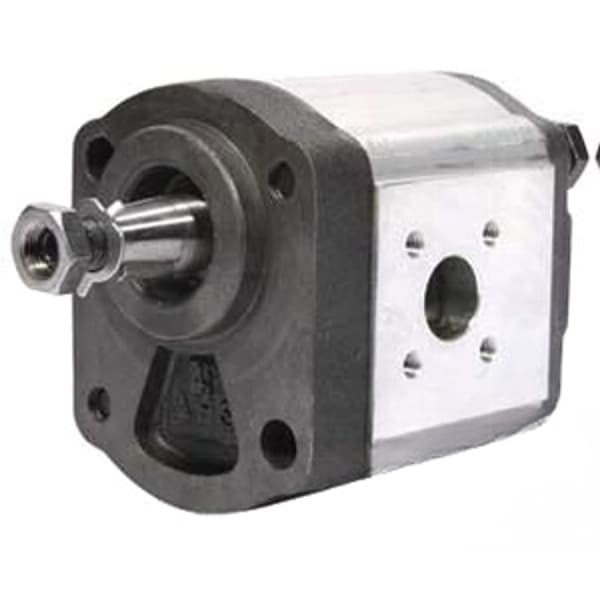
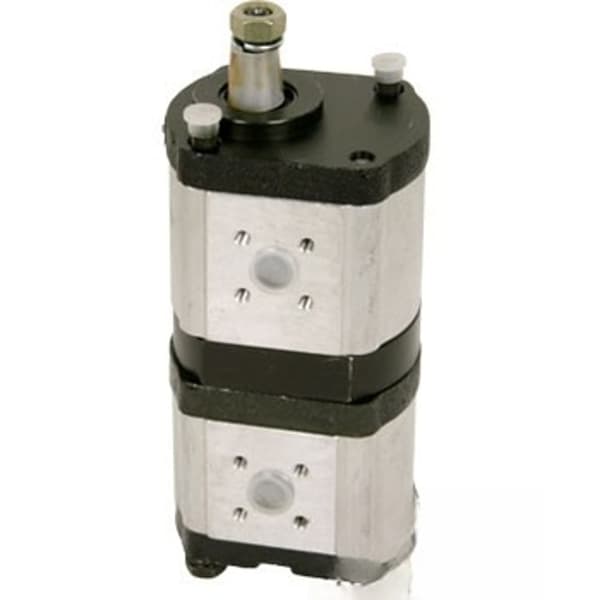
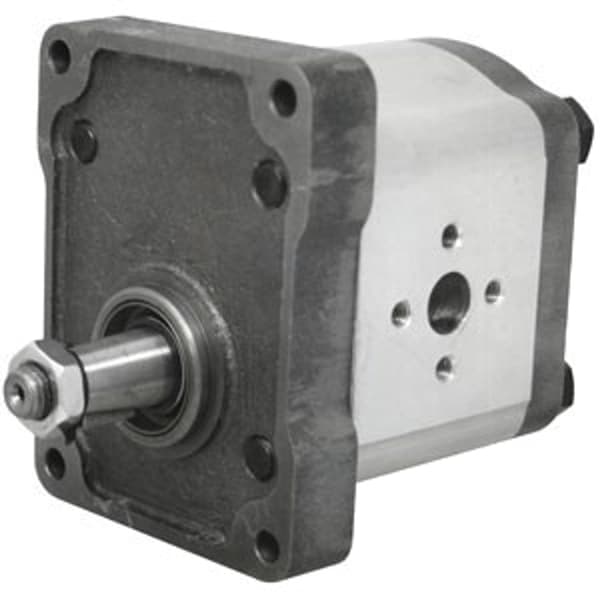
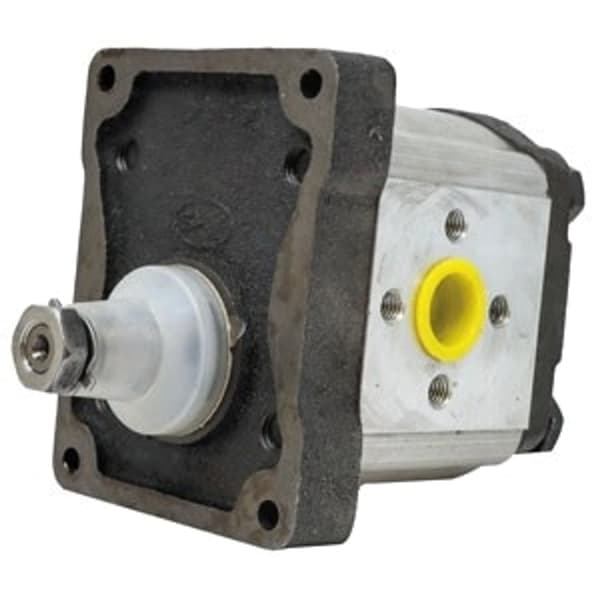
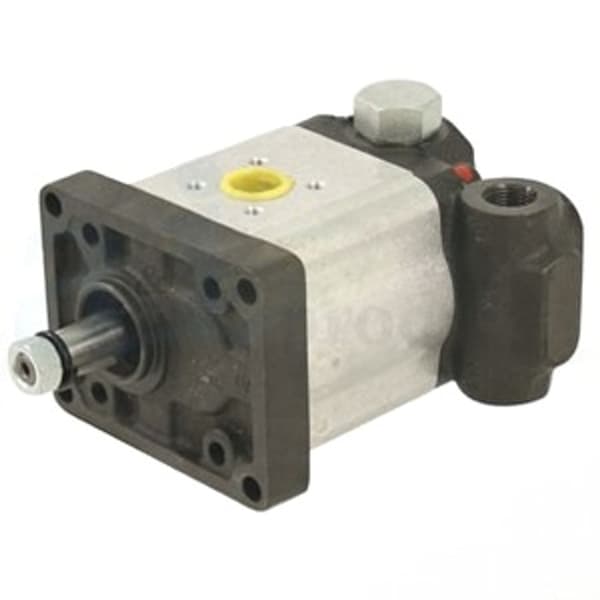
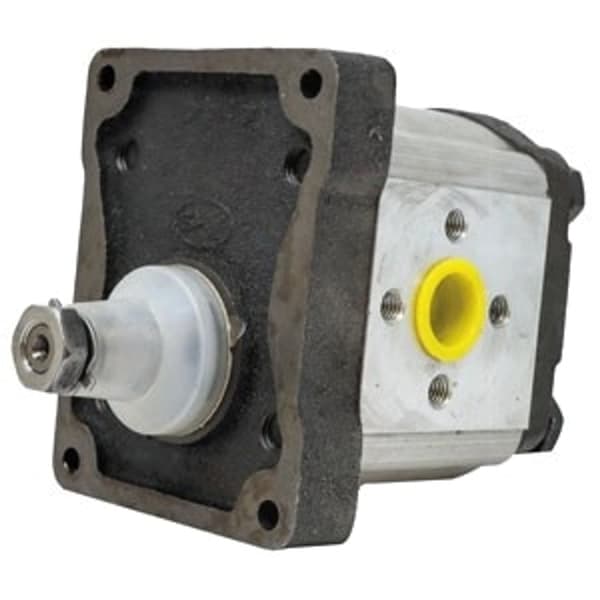
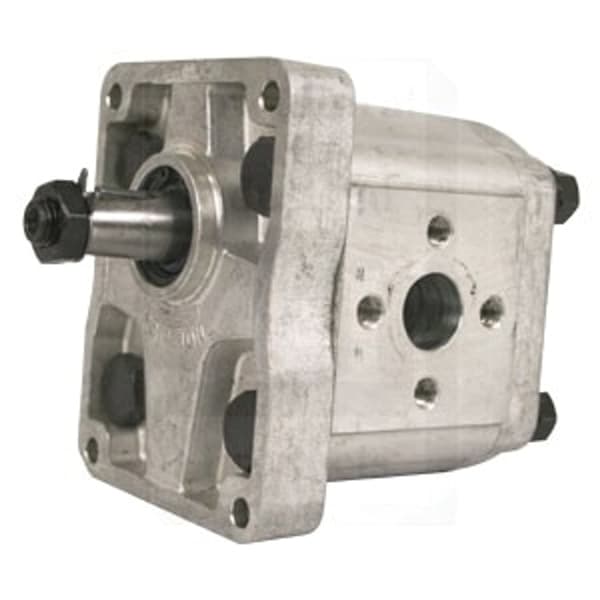
The tractor hydraulic pump is the core component responsible for generating the pressure required to operate hydraulic components. It converts mechanical energy from the engine into hydraulic power. Different types of pumps are used in tractors, each with its own characteristics and applications.
Types of Tractor Hydraulic Pumps
- Gear Pumps These are common due to their simple design, reliability affordability. They use rotating gears to move fluid. Gear pumps are often found in older tractors and lower-pressure applications. They are less efficient than other types, especially at higher pressures.
- Vane Pumps Vane pumps use rotating vanes to move fluid. They are more efficient than gear pumps and can handle higher pressures. They are often used in power steering systems.
- Piston Pumps Piston pumps are the most efficient and can generate the highest pressures. They use pistons that reciprocate within cylinders to pump fluid. They are commonly found in modern tractors and applications requiring high hydraulic power.
Choosing the Right Hydraulic Pump
Selecting the correct pump is crucial for optimal performance. Consider the following factors
- Flow Rate (GPM) Measured in gallons per minute, this determines the speed at which hydraulic components operate.
- Pressure Rating (PSI) The maximum pressure the pump can generate.
- Tractor Model & Year Ensure the pump is compatible with your specific tractor model.
- Application What hydraulic functions will the pump be powering (e.g., loader, three-point hitch, remote hydraulics)?
For example, a John Deere tractor hydraulic pump for a model 4020 might require a specific flow rate and pressure rating different from a Ford tractor hydraulic pump on a 8N. Always consult your tractor's service manual for specific recommendations. We can help you cross-reference OEM part numbers to aftermarket replacements. For instance, if you are looking for a john deere hydraulic pump, you might find the OEM number is.
Installing a Tractor Hydraulic Pump
- Safety First Disconnect the battery and ensure the tractor is properly supported.
- Drain Hydraulic Fluid Drain the hydraulic reservoir to prevent spills. A clean container is essential.
- Disconnect Hoses Carefully disconnect the hydraulic hoses from the old pump. Cap the hoses and ports to prevent contamination.
- Remove the Old Pump Unbolt the old pump from the engine.
- Install the New Pump Install the new pump, ensuring proper alignment. Use new gaskets or seals.
- Connect Hoses Reconnect the hydraulic hoses, ensuring they are properly tightened.
- Refill Hydraulic Fluid Refill the hydraulic reservoir with the correct type and amount of fluid. Refer to your tractor's service manual.
- Bleed the System Bleed any air from the hydraulic system. Consult your tractor's service manual for specific bleeding procedures.
- Test the System Start the tractor and test the hydraulic system. Check for leaks and proper operation.
Torque Specifications Always refer to your tractor's service manual for specific torque specifications when installing hydraulic components. Overtightening or undertightening bolts can lead to leaks or component failure.
Tractor Hydraulic Cylinders: Powering Movement
Tractor hydraulic cylinders convert hydraulic pressure into linear motion. They are used in various applications, including steering, lifting implements operating loader arms. Understanding their operation and maintenance is crucial for keeping your tractor functioning efficiently. Explore Tractor Hydraulic Cylinders: Steering, Lift & Loader for a deeper dive.
Types of Tractor Hydraulic Cylinders
- Single-Acting Cylinders These cylinders exert force in one direction only. They are commonly used for lifting applications where gravity returns the cylinder to its retracted position.
- Double-Acting Cylinders These cylinders exert force in both directions, allowing for both extension and retraction. They are used in applications requiring precise control and movement in both directions, like loader arms or steering.
Cylinder Components
- Cylinder Barrel The main body of the cylinder.
- Piston A component that moves within the cylinder barrel, driven by hydraulic pressure.
- Piston Rod Connects the piston to the external component being moved.
- Seals Prevent hydraulic fluid from leaking past the piston and rod.
- Ports Allow hydraulic fluid to enter and exit the cylinder.
Maintaining Hydraulic Cylinders
Proper maintenance is crucial for extending the life of your hydraulic cylinders
- Regular Inspection Inspect cylinders regularly for leaks, damage wear.
- Lubrication Keep cylinder rods clean and lubricated.
- Seal Replacement Replace worn or damaged seals promptly to prevent leaks.
- Rod Protection Protect cylinder rods from damage, such as nicks and scratches. These can damage seals and cause leaks.
Tractor Hydraulic Hoses: Connecting the System
Tractor hydraulic hoses are critical for transmitting hydraulic fluid between the pump, cylinders other components. They must be able to withstand high pressures and temperatures. Understanding hose sizing, pressure ratings proper installation is essential for safety and performance. For detailed information, check out Tractor Hydraulic Hose: Sizing, Pressure Ratings & Fittings.
Hose Types and Ratings
- Rubber Hoses Common and versatile, available in various pressure ratings.
- Thermoplastic Hoses Lightweight and flexible, often used in low-pressure applications.
- Steel Wire Reinforced Hoses High-strength hoses designed for high-pressure applications.
Hose Sizing and Fittings
- Hose Size Determined by the inside diameter (ID) of the hose.
- Fittings Connect hoses to components. Common types include JIC, NPT ORFS.
- Pressure Rating Choose hoses and fittings with pressure ratings that exceed the maximum system pressure.
Replacing Hydraulic Hoses
- Safety First Relieve pressure in the hydraulic system before disconnecting hoses.
- Inspect the Old Hose Note the hose size, type fitting types.
- Select the Correct Replacement Hose Ensure the replacement hose has the correct size, pressure rating fittings.
- Install the New Hose Connect the new hose, ensuring fittings are properly tightened.
- Test the System Start the tractor and test the hydraulic system for leaks.
Troubleshooting Tractor Hydraulic Systems
Hydraulic system problems can lead to reduced performance or complete failure. Here are some common issues and troubleshooting tips
Common Hydraulic Problems
- Low Hydraulic Pressure Can be caused by a worn pump, internal leaks, or a clogged filter.
- Slow Hydraulic Response May be due to low fluid level, air in the system, or a partially blocked filter.
- Hydraulic Leaks Can occur at hose connections, cylinder seals, or pump seals.
- Overheating Often caused by low fluid level, a clogged filter, or a faulty hydraulic oil cooler.
- No Hydraulic Power Can be caused by a faulty pump, a closed valve, or a broken drive shaft.
Troubleshooting Steps
- Check Fluid Level Ensure the hydraulic reservoir is filled to the correct level.
- Inspect for Leaks Check all hoses, fittings components for leaks.
- Check the Filter Replace the hydraulic filter if it is clogged.
- Test Hydraulic Pressure Use a pressure gauge to check the hydraulic pressure at various points in the system.
- Inspect the Pump Check the pump for wear or damage.
- Bleed the System Bleed any air from the hydraulic system.
Diagnostic Tools
- Pressure Gauge Used to measure hydraulic pressure.
- Flow Meter Used to measure hydraulic flow rate.
- Infrared Thermometer Used to detect overheating components.
Safety Precautions
- Relieve Pressure Always relieve pressure in the hydraulic system before disconnecting hoses or components.
- Wear Safety Glasses Protect your eyes from hydraulic fluid.
- Avoid Direct Contact Avoid direct contact with high-pressure hydraulic fluid, as it can penetrate the skin.
- Use Proper Tools Use the correct tools for the job.
Maintaining Your Tractor's Hydraulic System
Regular maintenance is key to ensuring the longevity and reliability of your tractor's hydraulic system.
- Regular Fluid Changes Follow the manufacturer's recommendations for hydraulic fluid changes. Contaminated fluid can damage components.
- Filter Replacement Change the hydraulic filter regularly. A clogged filter restricts flow and can damage the pump.
- Inspect Hoses and Fittings Regularly inspect hoses and fittings for leaks, cracks, or damage. Replace worn or damaged components immediately.
- Check Cylinder Seals Inspect cylinder seals for leaks and replace them as needed.
- Grease Pivot Points Lubricate all pivot points on hydraulic cylinders and linkages.
By following these maintenance tips, you can keep your tractor's hydraulic system running smoothly and avoid costly repairs. Don't forget to also check your engine's radiator, water pump other components like starters and alternators for optimal tractor performance.
Shop Tractor Hydraulic Parts at Madison Tractor
At Madison Tractor Company, we're committed to providing you with the highest quality tractor hydraulic parts and expert advice. Whether you need a new hydraulic pump for your Case IH combine, a hydraulic cylinder for your Massey Ferguson tractor, or just a hydraulic hose for your Kubota compact tractor, we have you covered. We also stock a full range of other tractor parts, including clutch kits, PTO parts, fuel pumps, carburetors, injectors, filters, gaskets, pistons, bearings, seals, belts, chains, concavessickle sections. Our knowledgeable team is here to help you find the right parts for your specific needs. Shop with confidence at Madison Tractor and keep your equipment running at its best! You can also use our AI-Powered Part Finder to search for parts by your specific make and model.
Part of our comprehensive guide
Tractor Hydraulic System Guide: Pumps, Cylinders & Troubleshooting