








Tractor Fuel Tank Sending Unit: Ohm Ranges by Brand
Is your tractor's fuel gauge acting up? This guide provides essential information on tractor fuel tank sending units, including ohm ranges by brand, troubleshooting tips, and replacement options. Keep your fuel system accurate and your tractor running smoothly.
Introduction to tractor fuel tank Sending Units
The fuel tank sending unit, a critical component of your tractor's fuel system, is responsible for accurately reporting the fuel level to the gauge on your dashboard. A malfunctioning sending unit can lead to inaccurate readings, leaving you guessing about how much fuel remains and potentially causing unexpected downtime in the field. This article will guide you through understanding how these units work, interpreting ohm ranges for various tractor brands, and troubleshooting common issues. For a reliable replacement, consider a common option like the 107531C2 Fuel Sending Unit. To ensure your fuel reaches your engine correctly, it's also important to maintain your tractor fuel pump, so make sure to inspect and replace as needed.
Recommended Parts for This Guide
10 parts we recommend — in stock, ships fast, one-click add to cart.
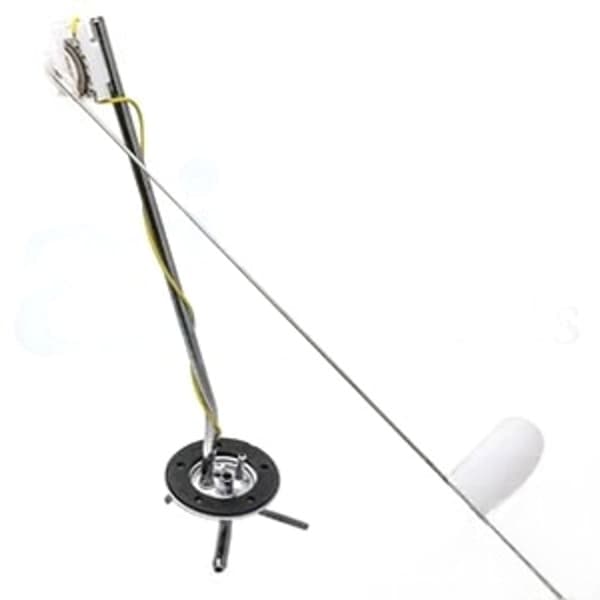
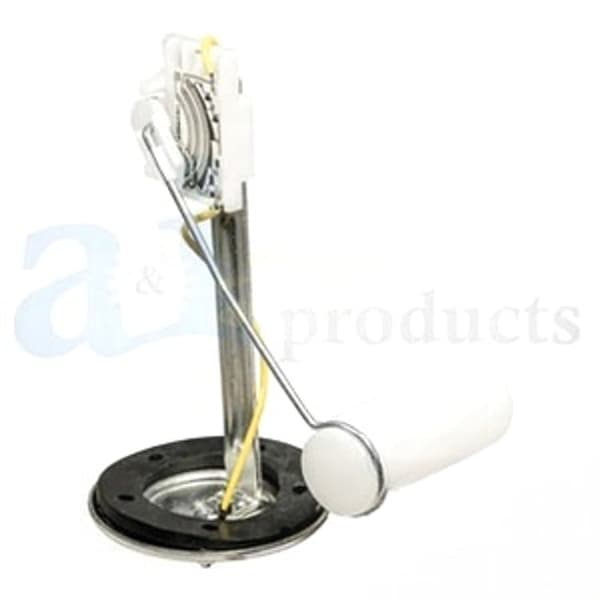
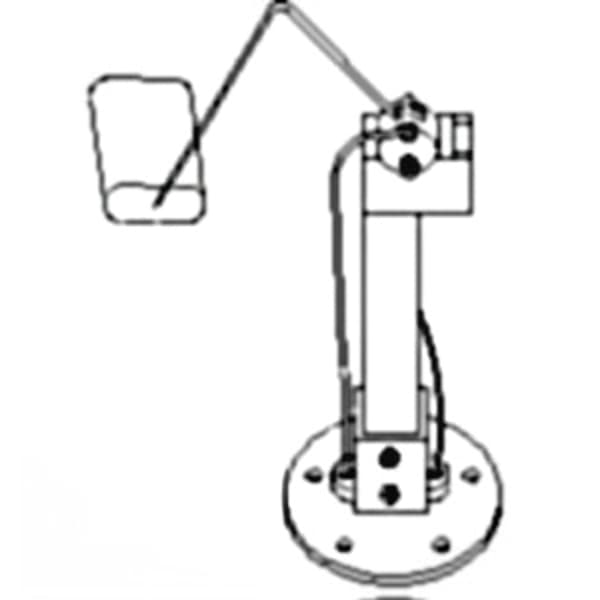
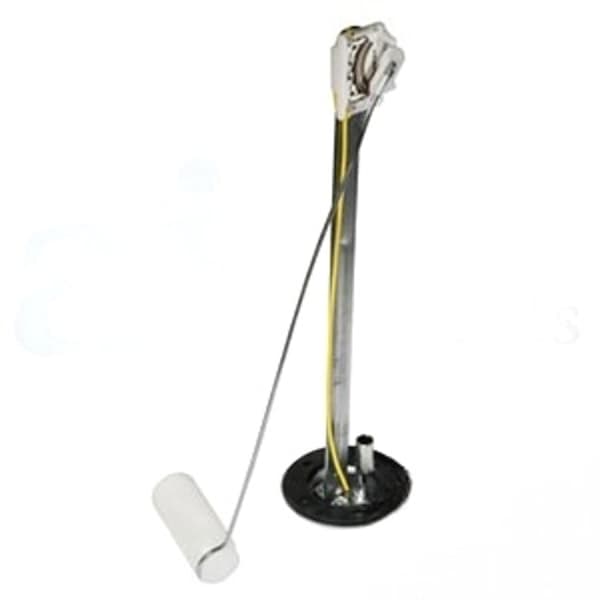
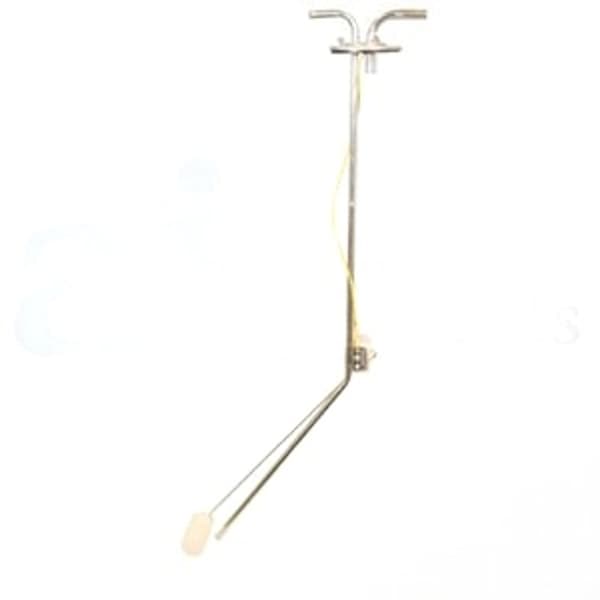
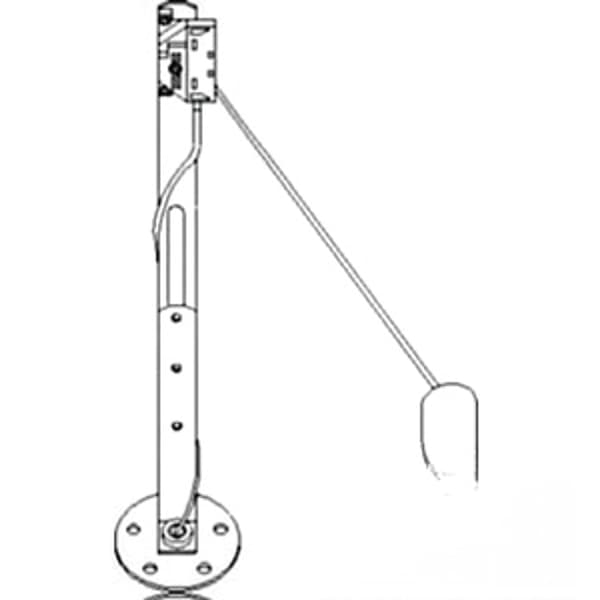
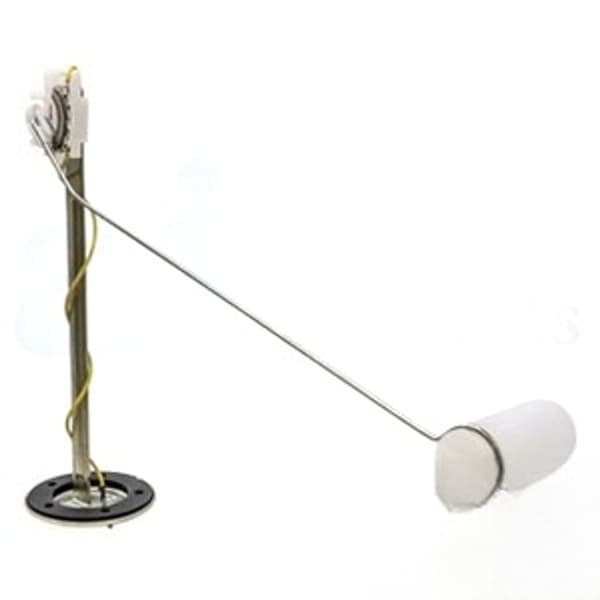
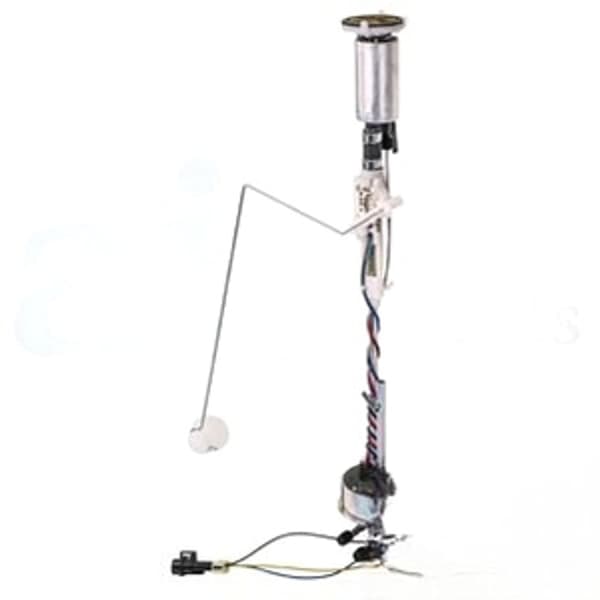
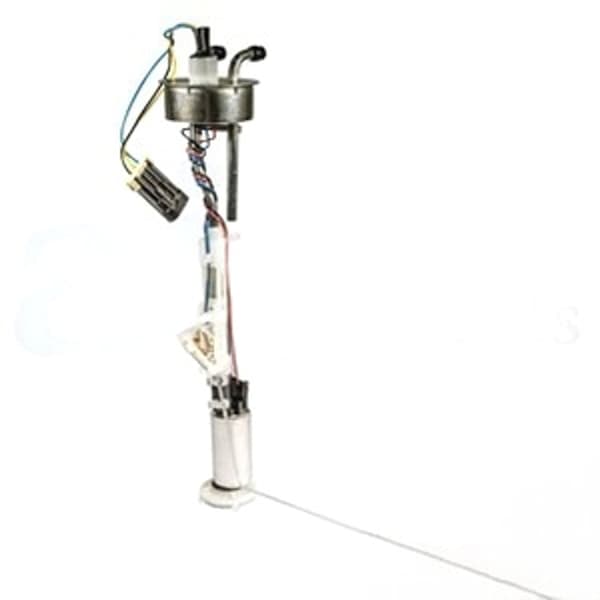
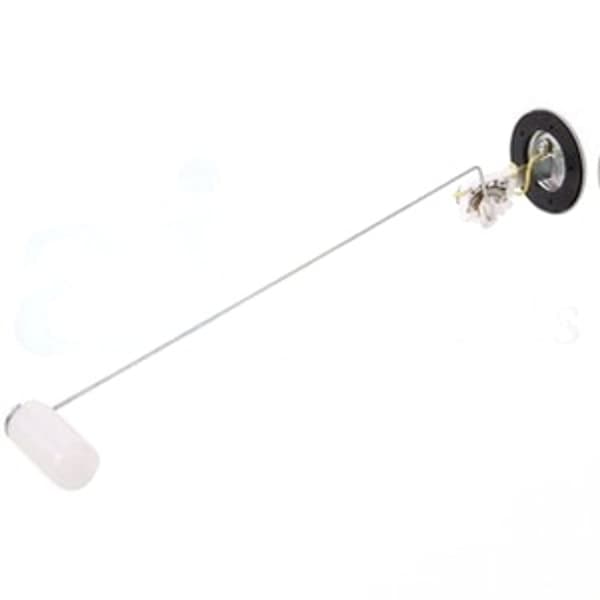
🔍 Looking for a specific part? Try our AI Part Finder — tell it your equipment and what you need, and it will find matching parts instantly.
At Madison Tractor Company, we understand the importance of accurate fuel level readings for efficient farm operations. We stock a wide range of tractor fuel tank sending units, along with other essential fuel system components like carburetors and fuel filters, for various brands including John Deere, Case IH, Ford, New Holland, Massey Ferguson, Kubota, Allis Chalmers, Deutz, International Harvester, Oliver, White, Gleaner, Vermeer, Hesston, Mahindra, and Zetor.
How a Tractor Fuel Tank Sending Unit Works
The sending unit typically consists of a float connected to a variable resistor (rheostat). As the fuel level changes, the float moves up or down, changing the resistance value. This resistance is then read by the fuel gauge, which interprets the signal and displays the corresponding fuel level. A typical fuel system involves the fuel pump, which delivers fuel to either a carburetor or fuel injectors.
Most sending units operate on a specific ohm range. "Empty" will correspond to a certain resistance (e.g., low ohms), and "Full" will correspond to another resistance (e.g., high ohms). The specific values depend on the tractor manufacturer and model.
Interpreting Ohm Ranges by Brand
Understanding the ohm range for your specific tractor brand is crucial for accurate troubleshooting. Here's a breakdown of common ohm ranges:
- John Deere: Older John Deere models (e.g., 3020, 4020) often use a sending unit with a range of approximately 240 ohms when empty and 33 ohms when full. Later models may have different ranges, so consult your service manual. We carry a wide selection of John Deere parts, including John Deere fuel sending units.
- Ford/New Holland: Many Ford tractors (e.g., 8N, 600, 800 series) use a sending unit with a range of approximately 73 ohms when empty and 10 ohms when full. Check your specific model as variations exist.
- Massey Ferguson: Massey Ferguson tractors (e.g., TO20, TO30, 35, 135) often utilize a sending unit with a similar range to Ford, around 73 ohms empty and 10 ohms full. Always verify the correct specification in your repair manual.
- Case IH/International Harvester: Ranges can vary significantly. Some models use a 0-30 ohm range, while others may use a 240-33 ohm range. It's essential to consult the service manual for your specific International Harvester tractor model (e.g., Farmall H, M, Cub).
- Kubota: Kubota sending unit ohm ranges typically fall between 3-110 ohms. Always consult your tractor's service manual for the precise specifications, as values may differ based on the model and year.
Important Note: These are general guidelines. Always refer to your tractor's service manual for the correct ohm range for your specific model. Using the wrong range for testing can lead to inaccurate results and misdiagnosis.
Troubleshooting a Tractor Fuel Tank Sending Unit
If your fuel gauge is inaccurate or not working, follow these steps to troubleshoot the sending unit:
- Visual Inspection: Check the wiring connections to the sending unit for corrosion, damage, or loose connections. Ensure the ground connection is clean and secure.
- Testing with a Multimeter:
- Disconnect the wire from the sending unit terminal.
- Set your multimeter to measure ohms.
- Connect one lead of the multimeter to the sending unit terminal and the other lead to the tractor's chassis (ground).
- Have someone slowly move the float arm (or manually manipulate it if the tank is empty and accessible). Observe the ohm reading on the multimeter. The reading should change smoothly and within the expected range for your tractor brand and model.
- If the reading is erratic, doesn't change, or is outside the specified range, the sending unit is likely faulty.
- Testing the Fuel Gauge: If the sending unit tests good, the issue may lie with the fuel gauge itself or the wiring between the sending unit and the gauge. Use a jumper wire to ground the sending unit wire temporarily. If the gauge goes to full, the gauge and wiring are likely good, further indicating a faulty sending unit.
Safety Warning: When working with fuel systems, always disconnect the battery's negative terminal to prevent sparks. Work in a well-ventilated area and avoid open flames. Handle fuel with care and dispose of it properly.
Replacing a Tractor Fuel Tank Sending Unit
If your sending unit is faulty, replacement is usually the best option. We offer various units, including the 259110A1 Sending Unit, Fuel. Here's a general procedure:
- Drain the Fuel Tank: This is crucial for safety and prevents fuel spillage. Use a siphon or drain plug if available.
- Disconnect the Wiring: Carefully disconnect the wiring harness from the sending unit.
- Remove the Sending Unit: The sending unit is typically held in place by a retaining ring or screws. Remove the retaining ring or screws and carefully remove the sending unit from the tank. Take note of the orientation of the sending unit for proper reinstallation.
- Install the New Sending Unit: Install the new sending unit in the reverse order of removal. Ensure the gasket or seal is in good condition to prevent leaks.
- Reconnect the Wiring: Reconnect the wiring harness to the sending unit.
- Refill the Fuel Tank: Refill the fuel tank with fuel.
- Test the Fuel Gauge: Turn on the ignition and check the fuel gauge to ensure it is working properly.
Torque Specifications: Consult your tractor's service manual for the correct torque specifications for the sending unit retaining ring or screws. Over-tightening can damage the tank or sending unit.
OEM Part Numbers and Cross-Referencing
When replacing a fuel tank sending unit, using the original equipment manufacturer (OEM) part number is highly recommended to ensure proper fit and function. However, cross-referencing to aftermarket parts is also possible. At Madison Tractor Company, our knowledgeable staff can help you find the correct sending unit for your tractor, whether it's an OEM part or a reliable aftermarket alternative. We can cross-reference part numbers from brands like John Deere, Case IH, Ford/New Holland, Massey Ferguson, and many more. Remember to also check related parts like radiators and water pumps for optimal performance, as well as pistons and bearings for engine rebuilds. Many other components, such as alternators and hydraulic pumps, are available as well.
For example, a common sending unit for older Ford tractors, such as the E0NN9A316CB - Sending Unit, Fuel, may have a cross-reference number like E7NN9275AA, replacing earlier numbers like C5NN9275A. Always verify compatibility before purchasing.
- A-107374C2: Fits HYDRO 186, 1086, 1486, 1586, 3088 and more. Replacement: 107374C2
- WN-107374C2: Fits HYDRO 186, 1086, 1486, 1586, 3088 and more. Replacement: 107374C2
- 119745: Fits HYDRO 186, 1086, 1486, 1586, 3088 and more. Replacement: 107374C2
- 1703-3426: Fits HYDRO 186, 1086, 1486, 1586, 3088 and more. Replacement: 107374C2
- A-107531C2: Fits HYDRO 186, 1086, 1486, 1586, 3088 and more. Replacement: 107531C2
- WN-107531C2: Fits HYDRO 186, 1086, 1486, 1586, 3088 and more. Replacement: 107531C2
- 119778: Fits HYDRO 186, 1086, 1486, 1586, 3088 and more. Replacement: 107531C2
- 1703-3428: Fits HYDRO 186, 1086, 1486, 1586, 3088 and more. Replacement: 107531C2
Maintaining Your Tractor's Fuel System
Regular maintenance of your tractor's fuel system is essential for optimal performance and longevity. This includes:
- Replacing Fuel Filters: Regularly replace your fuel filters to prevent contaminants from entering the fuel system.
- Checking Fuel Lines: Inspect fuel lines for cracks, leaks, or damage. Replace as needed.
- Cleaning the Fuel Tank: Periodically clean the fuel tank to remove sediment and debris.
- Using Clean Fuel: Always use clean, fresh fuel. Avoid storing fuel for extended periods, as it can degrade and cause problems.
- Consider using fuel additives to stabilize fuel and prevent corrosion.
Don't forget that other components, such as the tractor diesel injector and the carburetor require periodic maintenance as well. Proper maintenance of the entire fuel system will extend the service life of your equipment.
Shop tractor fuel system parts at Madison Tractor Company
At Madison Tractor Company, we are committed to providing high-quality tractor parts at competitive prices. Whether you need a fuel tank sending unit, a fuel pump, a carburetor, or any other part for your tractor, we have you covered. Browse our extensive online catalog or contact our knowledgeable team for assistance. We are your trusted partner for all your tractor parts needs. Keep your machine running smoothly with quality parts from Madison Tractor Company! We carry a wide variety of parts beyond the fuel system as well, including clutch kits, PTO parts, and sickle sections. We also carry parts for combines and hay equipment, such as concaves and belts. You can also use our AI-Powered Part Finder to search for parts by your specific make and model.
Part of our comprehensive guide
Tractor Fuel System Guide: Carburetor, Injection & Fuel Pump Parts