








Tractor Carburetor Adjustment: Idle & Main Jet Tuning
Is your tractor running rough or stalling? This guide provides step-by-step instructions for tractor carburetor adjustment, focusing on idle and main jet tuning. Optimize your engine's performance and fuel efficiency for John Deere, Ford, Massey Ferguson, and other common tractor brands.
Introduction to Tractor carburetor Adjustment
A properly adjusted carburetor is crucial for your tractor's performance and fuel efficiency. Whether you're working in the fields with a John Deere, hauling hay with a Ford, or tilling with a Massey Ferguson, a poorly tuned carburetor can lead to wasted fuel, reduced power, and even engine damage. This guide will walk you through the process of tractor carburetor adjustment, specifically focusing on idle and main jet tuning. Keep in mind that while the principles are similar across many brands including Case IH, New Holland, Kubota, Allis Chalmers, Deutz, International Harvester, Oliver, White, Gleaner, Vermeer, Hesston, Mahindra, and Zetor, specific settings and procedures may vary slightly depending on your tractor model. Always consult your tractor's service manual for the most accurate information.
Recommended Parts for This Guide
10 parts we recommend — in stock, ships fast, one-click add to cart.

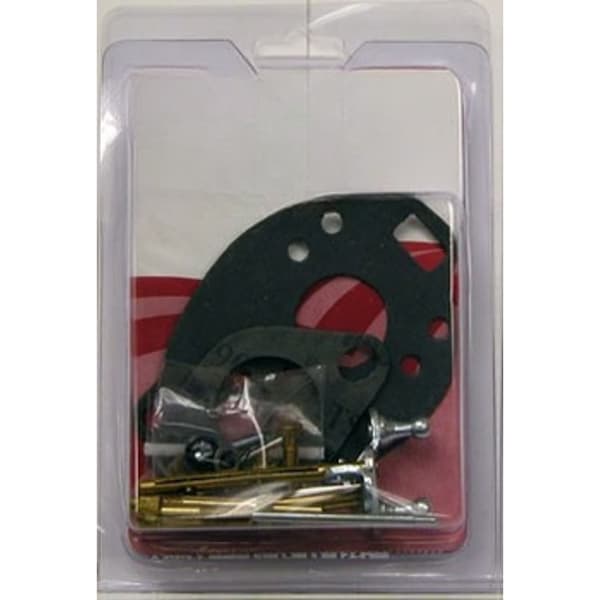
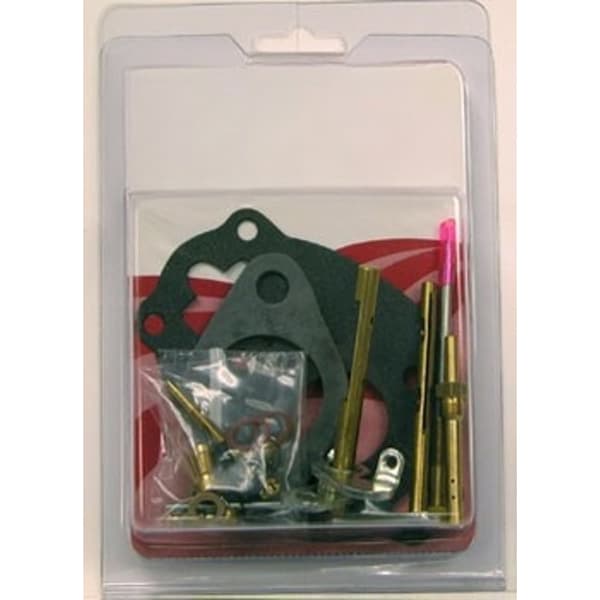
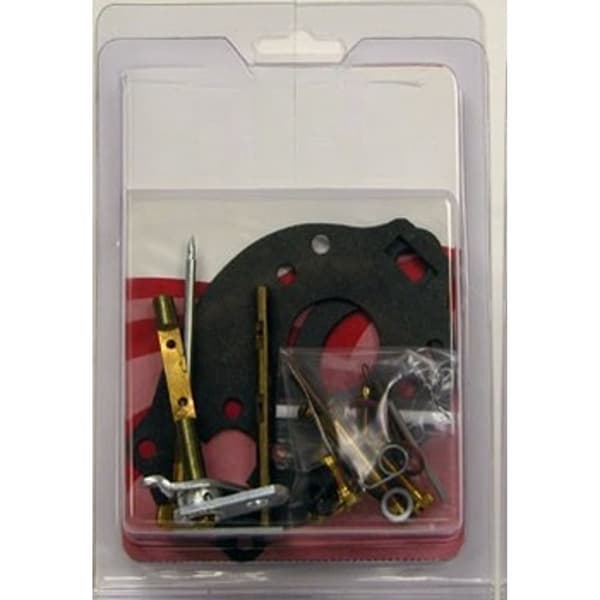
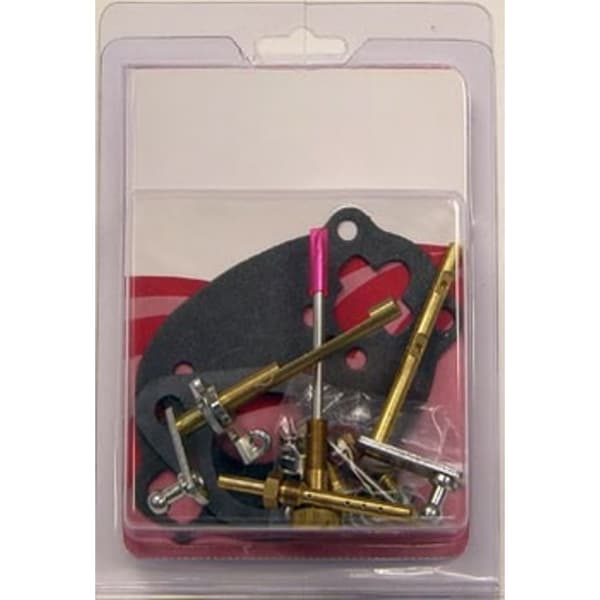
🔍 Looking for a specific part? Try our AI Part Finder — tell it your equipment and what you need, and it will find matching parts instantly.
If you're experiencing issues with your tractor's fuel system, you might also want to investigate related components. Madison Tractor carries a wide range of parts for fuel systems including fuel pumps, carburetors, injectors, and fuel filters to keep your machine running smoothly.
Safety First!
- Always work in a well-ventilated area. Gasoline fumes are highly flammable and can be dangerous.
- Disconnect the spark plug wires to prevent accidental starting while working on the carburetor.
- Allow the engine to cool completely before starting any work.
- Wear safety glasses to protect your eyes from debris.
- Have a fire extinguisher nearby.
Understanding Carburetor Components
Before diving into the adjustment process, let's briefly review the key carburetor components:
- Idle Jet (or Idle Mixture Screw): Controls the fuel-air mixture when the engine is idling.
- Main Jet: Controls the fuel flow at higher engine speeds and under load.
- Throttle Valve: Regulates the amount of air entering the engine.
- Float Bowl: Contains the fuel supply for the carburetor. Consider inspecting or replacing your carburetor float or float if your fuel levels are inconsistent.
For example, many Ford tractor carburetors used on the 8N and similar models (like Marvel-Schebler TSX33) will have clearly marked adjustment screws for both idle and main mixture.
Preparing for Carburetor Adjustment
- Ensure the Engine is at Operating Temperature: Start the tractor and let it run for several minutes until it reaches its normal operating temperature. This ensures accurate readings during the adjustment process.
- Check the Air Filter: A dirty or clogged air filter can significantly impact carburetor performance. Replace it with a new air filter if necessary.
- Inspect for Vacuum Leaks: Vacuum leaks can cause erratic idling and poor performance. Check all vacuum hoses and intake manifold gaskets for cracks or leaks.
- Verify Ignition Timing: Incorrect ignition timing can mimic carburetor issues. Ensure your tractor's ignition timing is properly set.
Idle Adjustment
The idle adjustment ensures the engine runs smoothly when not under load. Here's how to adjust the idle:
- Locate the Idle Mixture Screw: This screw is typically located on the side or bottom of the carburetor. Refer to your tractor's service manual for the exact location.
- Adjust the Idle Mixture Screw:
- Start by slowly turning the screw inward (clockwise) until the engine begins to stumble or run rough.
- Then, slowly turn the screw outward (counter-clockwise) until the engine reaches its smoothest and fastest idle speed.
- Continue fine-tuning the screw until you find the sweet spot where the engine idles smoothly without any hesitation.
- Adjust the Idle Speed Screw: This screw controls the throttle valve opening and sets the overall idle speed. Adjust it to achieve the manufacturer's recommended idle speed (typically around 600-800 RPM). You can use a tachometer to accurately measure the RPM.
- Verify Smooth Transition: After adjusting the idle, quickly open the throttle and release it. The engine should return to a smooth idle without stalling or sputtering. If it doesn't, you may need to fine-tune the idle mixture screw further.
For John Deere tractor carburetors, particularly on older models, the initial setting for the idle mixture screw is often 1-1/2 turns out from fully seated. Always consult your service manual for the specific recommendation for your model.
Main Jet Adjustment (Load Adjustment)
The main jet controls fuel flow under load. Adjusting it is critical for optimal power and fuel efficiency during operation.
- Warm Up the Engine: Ensure the engine is at its normal operating temperature.
- Engage a Load: This is best done in a safe, controlled environment. For example, attach a PTO-driven implement or engage the hydraulics.
- Locate the Main Jet Adjustment Screw: This screw is usually located near the bottom of the carburetor, often near the fuel inlet.
- Adjust the Main Jet:
- Slowly turn the screw inward (clockwise) until the engine begins to lose power or misfire under load. This indicates a lean condition.
- Then, slowly turn the screw outward (counter-clockwise) until the engine runs smoothly and pulls strongly under load.
- Listen for any signs of pinging or knocking, which can indicate a too-lean condition. Also, watch for excessive black smoke, which suggests a too-rich condition.
- Fine-Tune the Adjustment: Make small adjustments and test the engine's performance under load until you achieve the best balance of power and smooth operation.
- Check Spark Plugs: After the adjustment, run the tractor under load for a period of time. Then, check the spark plugs. A light tan color indicates a proper fuel mixture. Black or sooty plugs indicate a rich mixture, while white or very light plugs suggest a lean mixture.
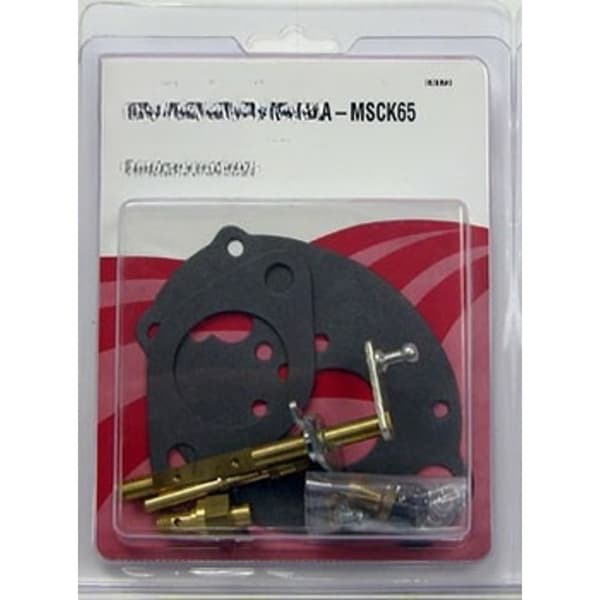
On Massey Ferguson carburetors, specifically on the TO20 or TO30 models, a worn main jet can be a common issue. If you can't achieve proper adjustment, consider replacing the jet or rebuilding the entire carburetor with a Carburetor Kit, Complete.
Troubleshooting Common Carburetor Problems
- Engine Stalling at Idle: This could be due to a lean idle mixture. Try turning the idle mixture screw outward (counter-clockwise).
- Engine Hesitation During Acceleration: This can be caused by a lean main jet setting. Adjust the main jet screw outward (counter-clockwise).
- Black Smoke from Exhaust: This indicates a rich fuel mixture. Turn both the idle and main jet screws inward (clockwise).
- Poor Fuel Economy: An improperly adjusted carburetor is a common cause of poor fuel economy. Ensure both the idle and main jets are properly adjusted.
- Engine Surging: Surging can be caused by vacuum leaks, a dirty carburetor, or a faulty fuel pump. Inspect all vacuum hoses, clean the carburetor, and check the tractor fuel pump pressure and flow.
Remember to check your fuel filter regularly. A clogged filter can mimic many carburetor problems.
When to Rebuild or Replace Your Carburetor
Sometimes, adjustment isn't enough. If your carburetor is severely worn, damaged, or corroded, it may be necessary to rebuild or replace it. Signs that your carburetor needs attention beyond adjustment include:
- Visible damage or cracks
- Excessive fuel leaks
- Inability to achieve a stable idle
- Severe corrosion
- Persistent starting problems
Madison Tractor offers a wide selection of carburetors and complete carburetor kits (like Marvel Schebler kits) or carburetor repair kits for various tractor brands and models. If you're unsure which carburetor is right for your tractor, our knowledgeable staff can assist you in finding the correct part.
Other Essential Tractor Parts to Maintain
Don't forget that a healthy fuel system relies on other components as well. Regularly check and maintain the following:
🔍 Can't Find Your Part?
Use our AI-Powered Part Finder to search by your equipment's make, model, and what you need. It's the fastest way to find the exact part for your machine.
Try the Part Finder →Shop Tractor Parts at Madison Tractor
Madison Tractor Company is your trusted source for high-quality tractor parts at competitive prices. We carry a wide selection of parts for all major brands, including John Deere, Case IH, Ford, New Holland, Massey Ferguson, Kubota, and more. Whether you need a new carburetor, fuel pump, filters, or any other part, we've got you covered. Browse our online catalog today and keep your tractor running strong! Visit our Tractor Parts Store now!
Part of our comprehensive guide
Tractor Fuel System Guide: Carburetor, Injection & Fuel Pump Parts